Have you ever wondered if you can cover your outdoor furniture exhausts with a structure? It’s a common question for anyone looking to protect their outdoor space while keeping everything safe and functional.
You might worry about airflow, safety, or even how it will look. You’ll discover exactly what you need to know before building or buying a cover. By the end, you’ll feel confident about making the right choice for your outdoor area.
Keep reading to find out how to protect your furniture exhausts without causing problems.

Credit: www.lowes.com
Reasons To Cover Outdoor Furniture Exhausts
Covering outdoor furniture exhausts has many benefits. It helps protect the furniture and keeps the outdoor space neat. A good structure can extend the life of your furniture. It also improves the look of your patio or garden. Less cleaning and repair work means more time to relax outside.
Protecting Furniture From Weather Damage
Rain, sun, wind, and snow can harm outdoor furniture. Covering exhausts blocks moisture and dirt. This stops rust and fading. A cover also prevents cracks and warping caused by heat. Your furniture stays strong and looks new longer.
Enhancing Outdoor Aesthetics
A neat cover adds style to your outdoor space. It hides bulky exhausts and creates a clean look. You can choose designs that match your décor. This makes your patio more inviting. A covered area feels cozy and organized.
Reducing Maintenance Efforts
Covering furniture exhausts cuts down on cleaning. Less dust and leaves gather around. Furniture needs fewer repairs and less repainting. You save money and time on upkeep. More free time to enjoy your outdoor area.
Types Of Structures For Covering Exhausts
Covering outdoor furniture exhausts protects them from weather and dirt. It also helps maintain their appearance and function. Choosing the right structure depends on space, budget, and style. Different structures offer varying levels of coverage and aesthetics. Here are some common types of structures to consider.
Pergolas And Gazebos
Pergolas and gazebos provide sturdy and stylish coverage. They create a shaded area while allowing airflow. Pergolas have open slats on top, ideal for light coverage. Gazebos offer full overhead protection with solid roofs. Both can enhance your outdoor space’s look and feel.
Custom-built Covers
Custom-built covers fit perfectly around exhausts and furniture. They use durable materials like wood, metal, or vinyl. These covers can match your home’s design and color scheme. Custom covers ensure proper ventilation to prevent overheating. They offer a neat, tailored solution for outdoor protection.
Portable Canopies And Umbrellas
Portable canopies and umbrellas offer flexible, easy coverage. They are simple to set up and move as needed. Canopies provide broad coverage, suitable for larger areas. Umbrellas are smaller and great for focused shade. Both options protect exhausts from sun and rain while staying lightweight.
Materials Suitable For Covering Exhausts
Choosing the right materials for covering outdoor furniture exhausts is important. The cover must protect the exhaust while allowing it to work properly. It should handle weather changes and last long. Safety is key. The material must not block air or cause heat build-up.
Different materials offer unique benefits. Some provide strong protection from rain and sun. Others allow air flow and keep the exhaust cool. Clear materials help maintain visibility and light. Understanding these options helps in picking the best cover.
Weather-resistant Fabrics
Weather-resistant fabrics are popular for covering exhausts. These fabrics resist water and dry quickly. They stop rain and snow from damaging the exhaust. Fabrics like polyester and vinyl are common. They also block dust and dirt. These covers are light and easy to remove. Breathable fabrics prevent heat and moisture build-up. This keeps the exhaust safe and working well.
Wood And Metal Options
Wood and metal are strong materials for exhaust covers. Wood offers a natural look and good protection. It can be treated to resist water and insects. Metal covers are durable and long-lasting. Steel and aluminum are common choices. Metal resists rust if coated properly. Both materials allow for custom designs. They can include vents for air flow. These covers are sturdy but heavier than fabric.
Clear And Uv-protective Covers
Clear covers let light through while protecting the exhaust. They are made from plastic or acrylic sheets. These covers stop rain and debris from reaching the exhaust. UV-protective layers block harmful sun rays. This prevents damage to the exhaust and cover. Clear covers help monitor the exhaust condition. They combine protection with visibility. These covers are easy to clean and maintain.

Credit: www.lowes.com
Key Considerations Before Building A Cover
Covering outdoor furniture exhausts with a structure requires careful planning. This ensures safety, durability, and proper function. Several key factors need attention before building the cover. Thoughtful preparation helps avoid problems later.
Ventilation Needs
Exhausts release heat and fumes that must escape safely. A cover should allow air to flow freely. Good ventilation prevents heat buildup and reduces fire risks. Design openings or vents that keep air moving. Avoid enclosing the exhaust tightly with no airflow.
Local Building Codes And Permits
Rules about outdoor structures vary by location. Check local building codes before starting any work. Permits may be required for certain covers. Following regulations avoids fines or forced removal. Consult your city or county office for guidance.
Space And Size Constraints
Measure the exhaust area carefully before building. Leave enough room for maintenance and repairs. The cover should not block access or interfere with function. Size the structure to fit the space without crowding. Consider clearance needed for safety and ease.
Diy Vs Professional Installation
Deciding between DIY and professional installation for covering outdoor furniture exhausts requires careful thought. Each option has its advantages and challenges. Understanding these helps make the best choice for your space and budget.
Consider the costs, skills needed, and time commitment before starting the project. This way, you avoid surprises and get the results you want.
Cost Comparison
DIY installation usually costs less upfront. You pay only for materials and tools. No labor charges apply.
Professional installation includes labor fees, which can increase the cost. Experts may also charge for materials or offer bundled packages.
Think about the value of your time and possible mistakes. Sometimes paying more saves money in the long run.
Skill Requirements
DIY demands basic knowledge of tools and construction. Some projects need advanced skills to ensure safety and durability.
Professionals bring experience and technical skills. They understand how to handle tricky situations and follow regulations.
Choose DIY only if you feel confident and prepared. Otherwise, professional help reduces risks and guarantees quality.
Time And Effort Involved
DIY projects take more time since you handle everything alone. Learning and fixing errors add to the workload.
Professional teams complete installations faster. They have the right tools and crew to work efficiently.
Consider your schedule and energy before deciding. Quick results may justify hiring experts.

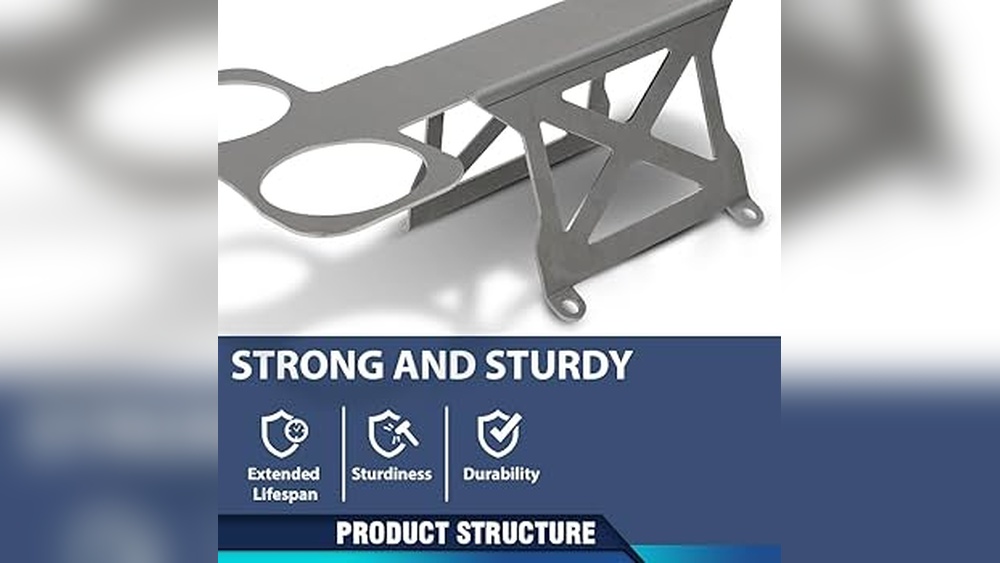
Credit: www.amazon.com
Maintenance Tips For Covered Outdoor Exhausts
Covering outdoor furniture exhausts with a structure helps protect them from weather. This protection can extend their life and keep them working well. Still, maintenance is key to avoid problems under the cover. Regular care makes a big difference in performance and safety.
Regular Cleaning Practices
Dust and dirt can build up quickly on covered exhausts. Clean the exterior with a soft cloth and mild soap weekly. Remove leaves or debris that may block airflow. Clean vents and exhaust openings carefully to keep air moving freely.
Inspecting For Damage
Check the cover and exhaust parts every month for cracks or rust. Look for signs of water leaks or mold inside the structure. Small problems can turn into big ones without early repairs. Tighten loose screws and replace worn parts promptly.
Seasonal Care
Prepare exhausts before cold or rainy seasons. Remove snow or ice build-up quickly to avoid damage. Check the cover for holes or tears that let moisture in. Use weatherproof paint or sealant to protect metal parts from rust.
Common Mistakes To Avoid
Covering outdoor furniture exhausts with a structure needs careful planning. Many make simple mistakes that cause problems later. Avoiding these errors helps keep your furniture safe and working well.
Blocking Proper Airflow
Exhausts need good airflow to work safely. Covering them with solid walls or tight covers stops air from moving. This can cause heat to build up and damage your furniture. Always leave space for air to flow freely around the exhaust.
Using Inappropriate Materials
Not all materials suit outdoor exhaust covers. Using flammable or weak materials can lead to fire risks or quick wear. Choose materials that resist heat and weather. Strong, fire-resistant materials protect your furniture and last longer.
Ignoring Safety Regulations
Safety rules exist to prevent accidents. Skipping these guidelines puts your home and furniture at risk. Check local rules before building a cover. Following safety standards keeps you and your property safe.
Frequently Asked Questions
Can I Cover Outdoor Furniture Exhausts Safely?
Yes, you can cover outdoor furniture exhausts safely. Ensure the structure allows proper ventilation to avoid overheating. Use fire-resistant materials and maintain clearance around the exhaust for safety and efficiency.
What Materials Are Best For Covering Exhausts Outdoors?
Use non-combustible, weather-resistant materials like metal or treated wood. Avoid flammable substances to prevent fire hazards. Choose materials that withstand outdoor elements and allow airflow to protect your exhaust system.
Will Covering Exhausts Affect Furniture Ventilation?
Covering exhausts can restrict airflow if not designed well. Proper ventilation is essential to prevent moisture buildup and overheating. Design the cover with gaps or vents to maintain adequate air circulation.
Are There Building Codes For Covering Outdoor Exhausts?
Yes, local building codes often regulate exhaust coverings. Check your area’s regulations before construction. Compliance ensures safety, prevents fines, and guarantees your structure meets legal standards.
Conclusion
Covering outdoor furniture exhausts with a structure can protect them from weather. It also helps keep your space tidy and organized. Choose materials that allow air to flow well. Avoid blocking the exhaust completely to prevent damage. A well-planned cover adds style and function to your outdoor area.
Think about size, shape, and ventilation before building. Small changes make a big difference in furniture care. Protect your investment with smart, simple solutions.
