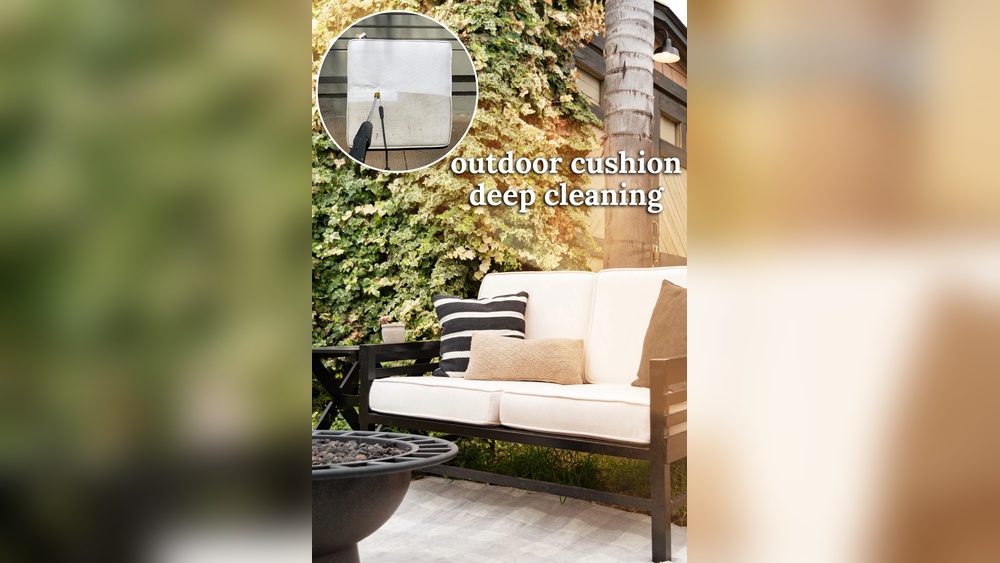
Are you tired of finding your outdoor furniture scratched and damaged? If you love your cats but hate the mess they leave behind, you’re not alone.
Cats have a natural urge to scratch, and your patio or garden furniture often becomes their favorite target. But what if you could protect your outdoor space without upsetting your furry friends? You’ll discover simple, effective ways to keep your cats from scratching your outdoor furniture—so you can enjoy a beautiful, damage-free area and keep your cats happy too.
Keep reading to find out how!
Credit: reha-vital.com.pl
Why Cats Scratch Outdoor Furniture
Cats love to scratch. This behavior is natural and helps them in many ways. Outdoor furniture often becomes their target. Understanding why cats scratch outside helps protect your furniture. It also keeps your cat happy and healthy.
Natural Instincts Behind Scratching
Scratching is a natural habit for cats. It helps them mark their territory. Cats have scent glands in their paws. Scratching leaves their scent on objects. This warns other animals to stay away.
Scratching also keeps a cat’s claws sharp. It removes old claw layers. This helps them climb and hunt better. Scratching is also a way to stretch muscles. It feels good and reduces stress for cats.
Common Targets In Outdoor Spaces
Outdoor cats often choose furniture to scratch. Wood surfaces are especially attractive. Wood lets cats dig their claws in easily. Fabric-covered furniture also gets scratched often. It is soft and easy to grip.
Other targets include trees, fences, and garden posts. These spots help cats mark their area. Outdoor furniture near these spots gets extra attention. Knowing these targets helps you protect your furniture better.
Credit: www.orange-casual.com
Choosing Cat-friendly Outdoor Furniture
Choosing cat-friendly outdoor furniture helps protect your patio and keeps cats happy. Picking the right furniture means less damage and fewer scratches. It also creates a safe space for cats to relax without harming your belongings.
Some materials and designs work better than others. Consider what cats like and dislike before buying. This makes your outdoor space both comfortable and durable.
Durable Materials That Resist Scratches
Hard materials like metal and plastic resist cat scratches well. Wicker and soft wood get damaged quickly. Look for furniture made of aluminum, stainless steel, or treated plastic. These stand up to sharp claws and last longer outside.
Outdoor cushions with tough, scratch-resistant fabric also help. Avoid delicate fabrics that tear easily. Choose materials that clean easily too, for quick maintenance.
Furniture Designs Cats Avoid
Cats dislike smooth, slippery surfaces. Furniture with sleek finishes can keep cats off. Avoid rough textures or exposed wood that attract scratching. Rounded edges and flat surfaces discourage clawing.
Choose designs without spots to hide claws or scratch. Minimalistic shapes with fewer crevices reduce damage risk. This keeps your furniture safe and your cats calm.
Using Deterrents To Protect Furniture
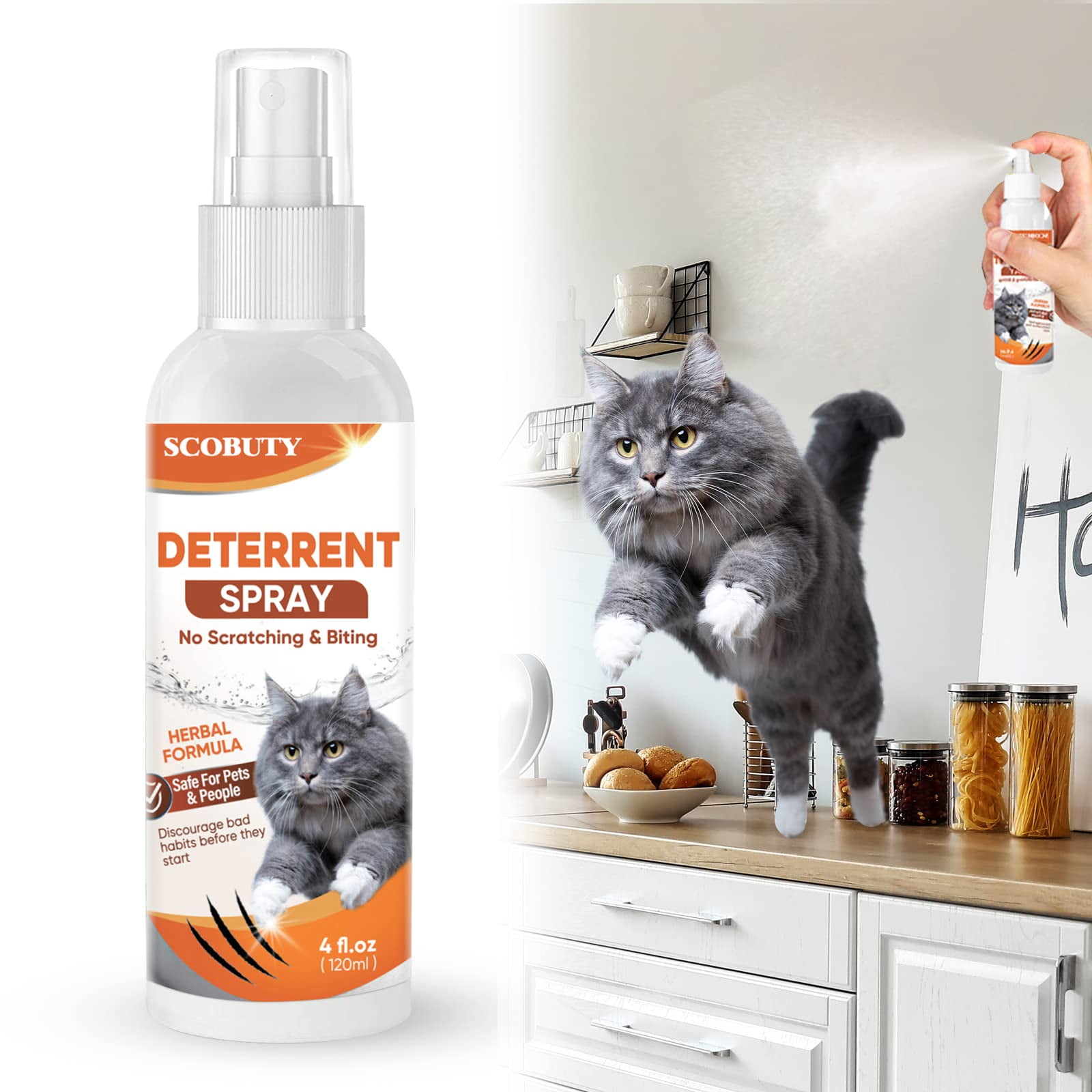
Using deterrents can help keep cats from scratching outdoor furniture. These methods protect your furniture without harming the cats. Deterrents work by making the furniture less attractive or harder to scratch.
Deterrents come in many forms. Some use natural smells cats dislike. Others create physical barriers. Combining different types can improve results.
Natural Repellents And Scents
Cats avoid certain smells. Citrus scents like lemon and orange peel keep cats away. Sprinkling these around furniture works well. Vinegar mixed with water also acts as a natural repellent. Some essential oils, such as lavender or eucalyptus, may deter cats. Spray diluted oils on cloths near furniture. Avoid direct contact with cats to keep them safe.
Planting herbs like rosemary or rue near outdoor furniture helps too. These plants produce scents that cats dislike. Natural repellents are safe for pets and the environment. They need regular reapplication, especially after rain.
Physical Barriers And Covers
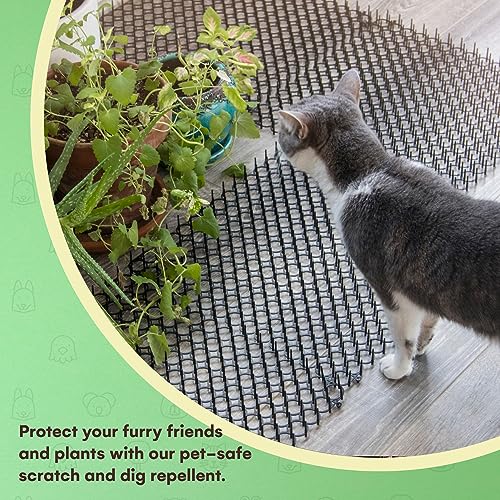
Physical barriers block cats from reaching furniture surfaces. Cover furniture with plastic sheets or slipcovers. Smooth materials make scratching difficult and unappealing. Use chicken wire or mesh around furniture legs. Cats dislike the texture and noise from these barriers.
Furniture protectors made from vinyl or rubber shield surfaces. Place these where cats usually scratch. Motion-activated sprinklers or ultrasonic devices can scare cats away. These devices activate only when cats approach. Physical barriers reduce damage and keep cats safe.
Credit: scala-santa.com
Providing Alternatives To Scratch
Cats need to scratch. It helps keep their claws sharp and muscles strong. Giving cats good places to scratch outside stops them from hurting your furniture. Offering fun alternatives is the best way to protect your outdoor items.
Outdoor Scratching Posts And Pads
Place scratching posts or pads outside. Use materials cats like, such as sisal or wood. These are tough and good for claws. Put posts near where cats usually scratch. This draws their attention away from furniture.
Try different shapes and sizes. Some cats prefer tall posts. Others like flat pads. Change the spots to keep cats curious. Add catnip to attract them more.
Engaging Cat Play Areas
Create a play area for your cats outside. Include tunnels, platforms, and toys. Cats love to explore and climb. A fun space can keep them busy.
Play areas reduce boredom. Bored cats scratch more. Keep the space safe and comfortable. This encourages cats to stay there instead of furniture.
Training Cats To Avoid Furniture
Training cats to avoid outdoor furniture takes patience and care. Cats scratch to mark territory and keep their claws sharp. Teaching them where to scratch helps protect your furniture and keeps cats happy. Use clear, gentle methods that encourage good habits.
Positive Reinforcement Techniques
Reward cats with treats or praise for scratching in the right place. Use a scratching post or pad near outdoor furniture. When cats use it, give them a small treat or pet them gently. This helps cats link good behavior with rewards.
Consistent rewards make cats more likely to repeat good actions. Avoid punishment as it can cause fear or stress. Positive reinforcement builds trust and encourages cats to follow rules.
Redirecting Scratching Behavior
Place scratching posts close to outdoor furniture. Use materials cats like, such as sisal or cardboard. If a cat starts scratching furniture, gently move its paws to the post. This shows the cat where it should scratch.
Try using catnip or toys to make scratching posts more attractive. Keep outdoor furniture covered or use deterrents like double-sided tape. Redirecting helps cats learn new habits without stress.
Maintaining Outdoor Furniture Condition
Outdoor furniture faces many challenges from weather and pets. Cats scratching can cause visible damage. Keeping furniture in good shape helps it last longer and look better. Regular care protects it from wear and tear. Small efforts prevent big problems later.
Regular Cleaning And Repairs
Clean furniture often to remove dirt and debris. Dirt can hide scratches and cause stains. Use mild soap and water for most surfaces. Rinse well and dry completely to avoid mold. Check furniture for loose parts or cracks. Fix small damages quickly to stop them from growing. Tighten screws and replace broken pieces as needed. Regular checks keep furniture safe and strong.
Protective Treatments And Coatings
Apply protective coatings to shield furniture from scratches. Wood needs sealants or varnishes for protection. Use water-resistant sprays on fabric cushions to prevent stains. Consider clear polyurethane for extra scratch resistance. Reapply treatments every few months for best results. Protective layers reduce damage from cat claws and weather. They keep furniture looking new and fresh longer.
Frequently Asked Questions
How Can I Prevent Cats From Scratching Outdoor Furniture?
Use protective covers or sprays that deter cats. Provide scratching posts nearby to redirect their behavior. Regularly trim your cat’s nails to reduce damage.
What Natural Repellents Keep Cats Off Furniture?
Citrus peels, vinegar, and coffee grounds are natural deterrents. Cats dislike these scents and will avoid treated areas. Spray diluted solutions on furniture for better results.
Are There Safe Sprays To Protect Outdoor Furniture?
Yes, non-toxic cat repellent sprays are safe and effective. They use scents cats dislike without harming them. Apply sprays regularly to maintain protection.
How Does Providing Scratching Posts Help Outdoor Furniture?
Scratching posts satisfy cats’ natural urge to scratch. Placing them near furniture redirects scratching away. This reduces damage and keeps both cats and furniture safe.
Conclusion
Protecting outdoor furniture from cat scratches takes patience and care. Use covers or sprays cats dislike to keep them away. Provide cats with their own scratching posts nearby. Regularly trim their nails to reduce damage. Watch their behavior and adjust your methods as needed.
Small steps lead to a peaceful outdoor space for everyone. Keeping cats happy and furniture safe is possible with simple actions.