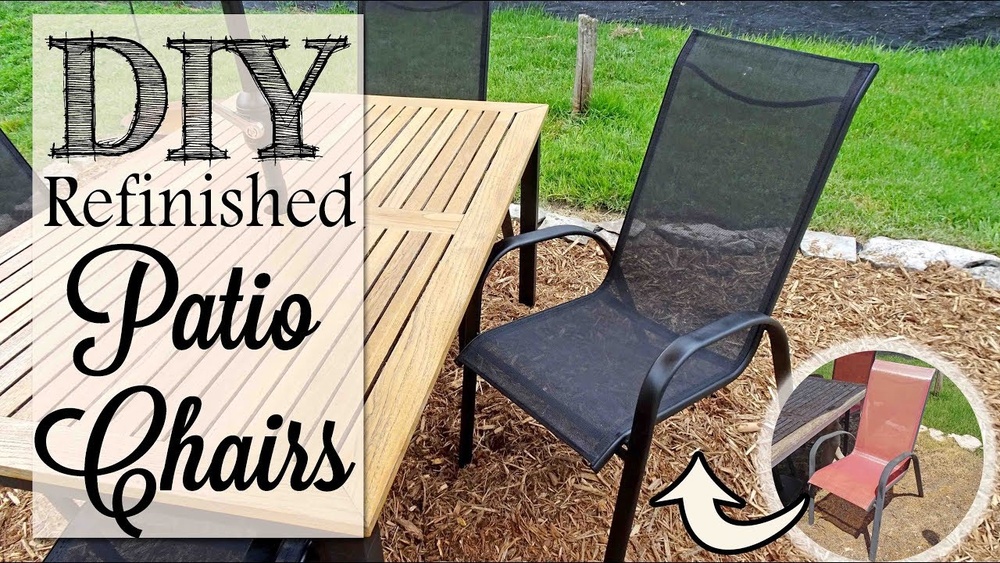
Is your plastic outdoor furniture looking dull, faded, or worn out? You don’t have to replace it just yet.
With a few simple steps, you can bring back its fresh, vibrant look and make your outdoor space inviting again. Imagine enjoying your patio or garden with furniture that looks almost new—without spending a fortune. Keep reading to discover easy and effective ways to rejuvenate your plastic outdoor furniture and give your outdoor area the makeover it deserves.

Credit: www.youtube.com
Assessing Furniture Condition
Assessing the condition of your plastic outdoor furniture is the first step to bring it back to life. This helps you understand what kind of cleaning or repairs are needed. A careful check ensures you don’t miss any hidden problems. It also saves time and effort in the long run.
Checking For Damage And Wear
Start by looking closely for cracks, chips, or broken parts. Small cracks can grow bigger if ignored. Check the joints and connections for looseness. Worn areas might feel rough or look faded. Test the stability by gently pressing or shaking the furniture. Note any parts that need fixing or replacing.
Identifying Stains And Discoloration
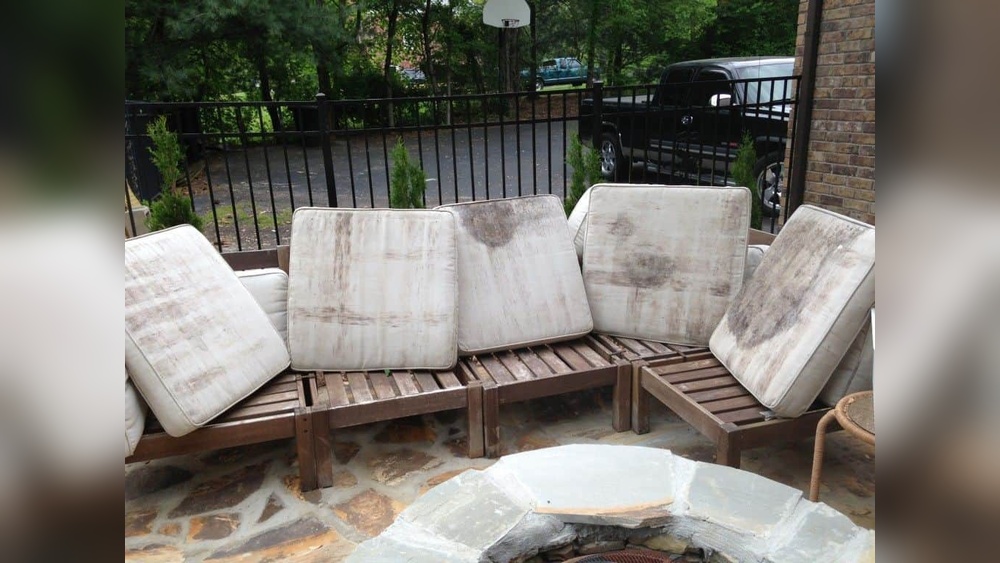
Next, examine the surface for stains or spots. These can be from dirt, food, or weather effects. Look for areas with color changes or fading. Some stains may be deep and hard to remove. Others might be surface dirt that cleans easily. Knowing the type of stain helps choose the right cleaning method.

Credit: www.tastefullyeclectic.com
Gathering Cleaning Supplies
Before you clean your plastic outdoor furniture, gather all cleaning supplies first. This step saves time and makes the process easier. Having the right items helps remove dirt and grime effectively. It also protects the furniture from damage during cleaning.
Choosing The Right Cleaners
Pick cleaners that are safe for plastic surfaces. Mild soap mixed with warm water works well. Avoid harsh chemicals like bleach or ammonia. These can cause discoloration or cracks. For tough stains, use a plastic-friendly cleaner or a vinegar solution. Test any cleaner on a small spot first.
Essential Tools For Cleaning
Prepare tools such as soft brushes, sponges, and microfiber cloths. Avoid abrasive materials that may scratch the plastic. A bucket for mixing cleaning solutions is useful. A garden hose or spray bottle helps rinse the furniture. Gloves protect your hands during cleaning tasks.
Preparing The Furniture
Preparing your plastic outdoor furniture properly sets the stage for effective rejuvenation. This step ensures that the cleaning process is thorough and the furniture looks fresh. Taking time to prepare helps avoid damage and makes cleaning easier.
Removing Loose Dirt And Debris
Start by brushing off loose dirt and debris from the furniture. Use a soft broom or a dry cloth to wipe away leaves, dust, and spider webs. Pay close attention to corners and crevices where dirt collects. Removing surface debris prevents scratches during cleaning.
Setting Up A Cleaning Area
Choose a well-ventilated outdoor space for cleaning your furniture. Lay down old towels or plastic sheets to catch drips and protect the ground. Make sure you have access to water and cleaning supplies nearby. Organizing the area saves time and keeps the process smooth.
Cleaning Techniques
Cleaning plastic outdoor furniture is the first step to make it look new again. Dirt, dust, and stains build up over time. Using simple cleaning methods can bring back its shine. These techniques use common household items and require little effort.
Regular cleaning keeps plastic furniture fresh and extends its life. It prevents damage from dirt and grime. Let’s explore easy ways to clean your plastic outdoor furniture effectively.
Using Soap And Water
Start with warm water and mild soap. Mix them in a bucket. Use a soft cloth or sponge to scrub the surface. This removes dust and light dirt well. Rinse with clean water afterward. Dry with a towel or air dry in the sun. Soap and water work best for regular cleaning.
Applying Vinegar Or Baking Soda
Vinegar and baking soda are natural cleaners. Vinegar helps remove mildew and mold. Mix equal parts vinegar and water in a spray bottle. Spray on the furniture and let it sit for 10 minutes. Then scrub and rinse well.
Baking soda works for gentle scrubbing. Make a paste with water and baking soda. Apply it to the furniture and scrub with a soft brush. Rinse thoroughly after. Both options are safe and eco-friendly.
Dealing With Stubborn Stains
Some stains need stronger cleaning. Use a soft brush with baking soda paste or vinegar spray. For tough spots, try a mix of water and a small amount of bleach. Test on a hidden area first. Scrub gently and rinse well to avoid damage. Repeat if needed.
Patience helps with stubborn stains. Clean regularly to avoid buildup and keep furniture looking fresh.
Restoring Color And Shine
Plastic outdoor furniture loses its color and shine over time. Sun, rain, and dust make it look old and dull. Restoring its bright color and smooth shine can make it look new again. This section explains simple ways to bring back the fresh look of your plastic furniture.
Using Plastic Restorers
Plastic restorers clean and brighten faded surfaces. They contain special oils that soak into the plastic. This helps to restore the original color and shine.
Start by washing the furniture with soap and water. Let it dry completely. Apply the restorer with a soft cloth or sponge. Rub gently in small circles. Wait a few minutes for it to absorb. Wipe off any extra product.
Plastic restorers work best on lightly faded furniture. Use them regularly to keep the shine. They protect the surface from sun damage too.
Painting For A New Look
Painting plastic furniture gives it a fresh and new look. Choose spray paints made for plastic surfaces. They stick well and last longer outdoors.
Clean the furniture well before painting. Sand rough or peeling areas lightly. Use a primer made for plastic to help paint stick. Apply paint in thin, even coats. Let each coat dry before adding the next.
Pick bright or soft colors to match your style. Painted furniture looks like new and feels smooth. It also protects the plastic from future damage.
Protecting Furniture For Longevity
Protecting plastic outdoor furniture helps keep it looking new for years. Sun, rain, and dirt can cause damage over time. Taking simple steps to protect your furniture increases its life. It also saves money by reducing the need to replace items often.
Applying Sealants Or Uv Protectants
Use a clear sealant made for plastic furniture. Sealants create a barrier against moisture and dirt. They also help stop fading caused by sunlight. UV protectants block harmful rays that break down plastic fibers. Apply these products in a well-ventilated area. Follow the instructions on the label carefully for best results.
Covering And Storing Tips
Cover furniture with waterproof covers when not in use. Covers keep dust, rain, and sun off the surface. Store furniture indoors during extreme weather or winter months. If indoor space is limited, stack pieces to save room. Store cushions separately in a dry place to avoid mold. Proper covering and storage reduce wear and tear.

Credit: www.cretesol.co.za
Frequently Asked Questions
How Do I Clean Plastic Outdoor Furniture Effectively?
Use mild soap and warm water with a soft brush or cloth. Avoid harsh chemicals that may damage the plastic. Rinse thoroughly and let it dry completely in the sun to prevent mold and mildew buildup.
What Products Restore Faded Plastic Outdoor Furniture Color?
Use a plastic restorer or a UV protectant spray designed for outdoor use. These products help bring back color and protect against sun damage. Apply evenly and follow the manufacturer’s instructions for best results.
Can I Use Household Items To Rejuvenate Plastic Furniture?
Yes, baking soda and vinegar can clean stains and mildew. A mixture of water and bleach also works for tough mold. Always rinse well and test on a small area first to avoid discoloration.
How Often Should I Maintain Plastic Outdoor Furniture?
Clean your furniture monthly during use seasons. Apply protective treatments like UV sprays every few months. Regular maintenance extends life and keeps the furniture looking fresh and vibrant.
Conclusion
Plastic outdoor furniture can look fresh and new again. Clean it well, remove stains, and fix small damages. Use the right products to protect it from sun and rain. Regular care helps keep your furniture strong and good-looking. Enjoy your outdoor space with furniture that feels inviting.
Small efforts bring big changes. Keep your furniture ready for every season. A little work today means long-lasting beauty tomorrow.