
When you invest in outdoor furniture, you want pieces that last through all seasons without losing their charm. But what exactly makes some outdoor furniture stand strong while others wear out quickly?
Understanding this can save you time, money, and frustration. You’ll discover the key factors that make outdoor furniture durable and how to choose the best options for your space. Keep reading to learn how to enjoy beautiful, long-lasting outdoor furniture that stands up to sun, rain, and everything in between.

Credit: www.castlery.com
Key Qualities Of Durable Outdoor Furniture
Durable outdoor furniture lasts through changing weather and daily use. It stands firm and keeps its look for years. Choosing furniture with the right qualities saves money and effort.
These key qualities ensure your outdoor furniture stays strong and beautiful. They help furniture handle rain, sun, wind, and wear.
Weather Resistance
Furniture must resist rain, snow, and humidity. Water can cause rust, mold, or rot. Weather-resistant materials like treated wood, metal, and plastic protect furniture. Good drainage designs stop water from pooling. This keeps furniture dry and durable.
Strength And Stability
Strong frames hold weight without bending or breaking. Stability stops furniture from tipping on uneven ground. Metals like aluminum and steel offer solid support. Thick, well-joined parts increase durability. Heavy furniture often lasts longer outdoors.
Maintenance Needs
Durable furniture requires little care. Easy-to-clean surfaces save time. Materials that resist stains and dirt stay fresh longer. Low-maintenance furniture needs fewer repairs. This keeps it looking good with less work.
Uv Protection
Sunlight causes fading and material breakdown. UV protection blocks harmful rays. Coatings and finishes shield colors and fibers. Fabrics with UV inhibitors last longer in the sun. UV protection preserves furniture’s look and strength.
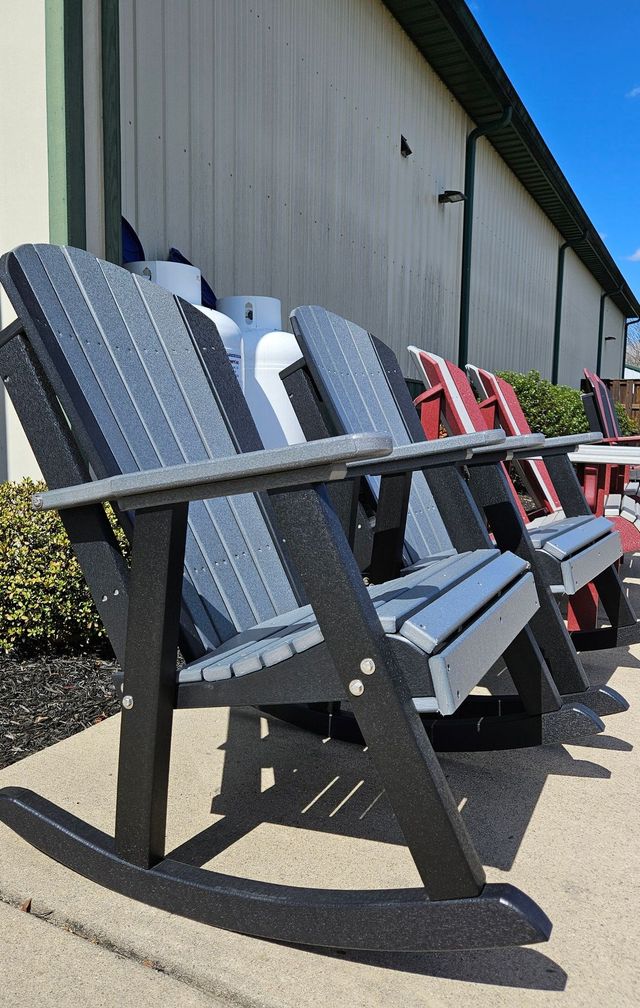
Credit: www.theolecountrystore.com
Top Materials For Longevity
Choosing the right materials is key to durable outdoor furniture. The best materials resist weather, wear, and time. They keep furniture looking good and strong for years. Below are top materials known for their long-lasting qualities.
Teak Wood
Teak wood is famous for its natural oils. These oils protect it from rain and sun damage. It does not warp or crack easily. Teak ages beautifully, turning a soft gray if left untreated. It requires little maintenance to stay strong outdoors.
Aluminum
Aluminum is light yet strong. It does not rust or corrode, even in wet conditions. This metal handles heat and cold well. Aluminum furniture often has a powder-coated finish for extra protection. It is easy to move and lasts a long time.
Synthetic Resin Wicker
Synthetic resin wicker looks like natural rattan but is more durable. It resists fading from sun and damage from moisture. This material does not crack or peel. It is easy to clean and stays flexible over time. Perfect for patios and poolside areas.
Stainless Steel
Stainless steel is strong and rust-resistant. It holds up well against wind and rain. This metal keeps its shine with minimal care. Stainless steel furniture is stable and heavy. It is ideal for modern outdoor designs.
Plastic And Polypropylene
Plastic and polypropylene are affordable and weatherproof. These materials do not absorb water or stain easily. They withstand sun exposure without breaking down. Plastic furniture is lightweight and simple to clean. It suits casual outdoor spaces well.
Finishes And Treatments That Enhance Durability
Outdoor furniture faces many challenges like rain, sun, wind, and dirt. Finishes and treatments help protect these pieces. They make furniture last longer and keep it looking good. These coatings stop damage from moisture, rust, and UV rays. They also keep wood from cracking or fading.
Protective Coatings
Protective coatings form a strong barrier on furniture surfaces. They shield against scratches and stains. These coatings also block water and dirt. Clear varnishes and powder coatings are common types. They keep metal and plastic furniture safe from wear. This treatment maintains the furniture’s color and texture.
Rust-resistant Paints
Rust-resistant paints stop metal furniture from corroding. They create a tight seal that blocks moisture. These paints often contain zinc or other metals. They protect iron and steel parts from rust. Rust-free furniture lasts longer outside. The paint also improves the furniture’s look with smooth finishes.
Sealants For Wood
Wood sealants protect outdoor wooden furniture from water damage. They soak into the wood and close its pores. This prevents water from entering and causing rot. Sealants also reduce swelling and cracking. Some contain UV blockers to stop sun damage. Using sealants keeps wood strong and beautiful over time.
Design Features That Boost Durability
Outdoor furniture faces many challenges. Sun, rain, wind, and dust can wear it down quickly. Design features play a big role in making furniture last longer outdoors. These features help protect the furniture from damage and keep it strong over time.
Solid Construction
Strong materials form the base of durable outdoor furniture. Frames made from metal, treated wood, or high-quality plastic resist bending and breaking. Thick, sturdy parts handle weight and pressure better. Solid construction reduces the risk of cracks and splits.
Drainage And Ventilation
Water can cause serious damage to outdoor furniture. Good design includes drainage holes or slats that let water escape. Proper ventilation stops moisture buildup inside cushions or wooden parts. This prevents mold, mildew, and rust from forming.
Reinforced Joints
Joints are weak points in furniture. Reinforced joints use extra screws, brackets, or strong glue to hold pieces tightly together. This stops wobbling and keeps the furniture stable. Strong joints also reduce wear from movement and stress.
Maintenance Tips To Extend Furniture Life
Outdoor furniture faces weather and daily use. Proper care helps it last longer. Simple maintenance keeps furniture strong and looking good. Follow these tips to extend its life.
Regular Cleaning
Clean furniture often to remove dirt and dust. Use mild soap and water with a soft cloth. Avoid harsh chemicals that damage surfaces. Rinse well and dry fully to prevent mold and rust.
Seasonal Care
Check furniture at the start of each season. Tighten loose screws and bolts. Treat wood with sealant or oil to protect from moisture. Remove cushions and store them indoors during bad weather.
Storage Solutions
Store furniture in a dry, sheltered place during winter. Use covers to shield from sun and rain. Avoid stacking heavy items on top to prevent damage. Proper storage stops wear and keeps pieces safe.
Repair And Touch-ups
Fix small problems quickly to avoid bigger damage. Sand rough spots and repaint or stain wood. Replace broken parts like screws or slats. Regular touch-ups improve strength and appearance.

Credit: www.realflame.com
Choosing The Right Furniture For Your Environment
Choosing the right outdoor furniture depends on your environment. Different areas have unique weather and conditions. These factors affect how long furniture lasts. Picking materials suited for your climate helps keep furniture strong and good looking.
Coastal Areas
Salt air and strong winds challenge outdoor furniture near coasts. Rust and corrosion happen quickly. Furniture made of aluminum or synthetic wicker resists salt damage. Avoid untreated wood and iron, which wear down fast. Look for finishes that protect against moisture and salt.
High Humidity Zones
High humidity causes mold, mildew, and swelling in wood. Plastic, teak, and metal with powder coating work well here. These materials dry quickly and resist moisture damage. Keep cushions made from quick-drying fabrics. Ventilate seating areas to reduce dampness.
Extreme Temperatures
Furniture in hot or cold places faces cracking and fading. Metals may become too hot or cold to touch. Choose weather-resistant plastics, treated wood, or metal with heat shields. Store cushions indoors during extreme weather. Durable UV-resistant finishes protect colors.
Urban Settings
City environments expose furniture to pollution and dirt. Sturdy metal or plastic withstands grime and cleaning. Avoid delicate fabrics that stain easily. Compact, lightweight pieces suit small spaces. Easy-to-clean surfaces keep furniture looking fresh.
Frequently Asked Questions
What Materials Make Outdoor Furniture Most Durable?
Durable outdoor furniture often uses materials like teak, aluminum, and synthetic wicker. These resist weather, moisture, and UV rays effectively. Quality materials ensure long-lasting performance and minimal maintenance, making them ideal for outdoor use.
How Does Weather Resistance Affect Furniture Durability?
Weather-resistant furniture withstands rain, sun, and temperature changes without damage. Coatings and treatments protect surfaces from rust and fading. This resistance prolongs furniture life, keeping it functional and attractive outdoors.
Why Is Maintenance Important For Durable Outdoor Furniture?
Regular maintenance prevents dirt buildup, rust, and wear. Cleaning and protective treatments extend furniture life and appearance. Proper care reduces damage from weather and daily use, ensuring long-term durability.
Can Design Impact Outdoor Furniture Durability?
Yes, sturdy construction and smart design improve durability. Features like reinforced joints and water drainage prevent damage. Thoughtful design enhances strength and resilience against outdoor elements.
Conclusion
Durable outdoor furniture stands up to weather and wear. Strong materials like teak, metal, and resin last long. Good design helps furniture resist sun, rain, and wind. Proper care extends its life even more. Choose pieces that fit your space and style.
Enjoy comfort and beauty season after season. Durable furniture means less worry and more relaxation outdoors. Simple steps keep your furniture looking fresh and sturdy. Invest wisely, and your outdoor space will shine for years.


