Are you wondering if wooden outdoor furniture can stand the test of time? You want your outdoor space to look inviting and last for years without constant repairs or replacements.
But wood is natural—it faces sun, rain, and changing seasons. So, how durable is it really? You’ll discover the truth about wooden outdoor furniture’s lifespan. You’ll learn what affects its durability and how to keep your pieces looking great longer.
Keep reading to make smart choices for your outdoor haven.
Types Of Wood Used Outdoors
Choosing the right wood is key for outdoor furniture. Different woods handle weather in their own ways. Some woods resist moisture and insects better. Others are softer and need more care. Knowing wood types helps pick furniture that lasts long.
Wood types fall into three main groups. Each group has unique traits and uses. Let’s explore hardwoods, softwoods, and tropical woods used outdoors.
Hardwood Varieties
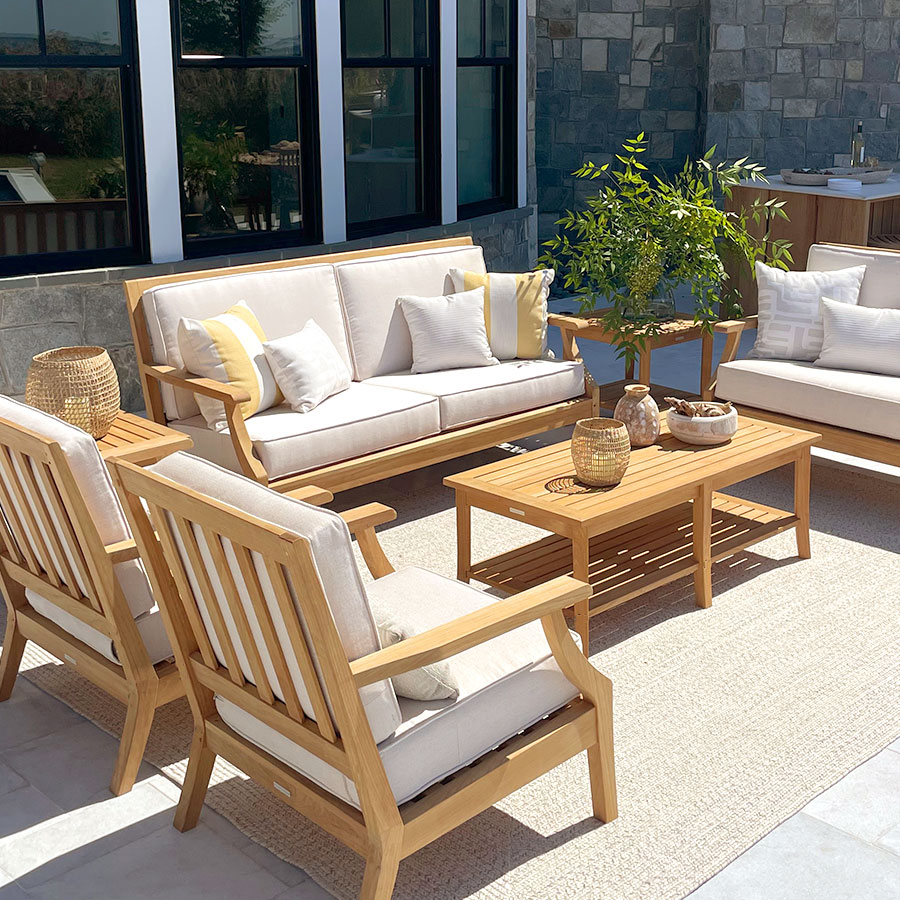
Hardwoods come from trees with broad leaves. They are dense and strong. Oak and maple are common hardwoods. They stand up well to outdoor wear. Hardwoods resist dents and scratches better. They need some sealing to avoid water damage. Hardwoods have a natural beauty that lasts.
Softwood Options
Softwoods come from trees with needles and cones. Pine and cedar are popular softwoods. Softwoods are lighter and easier to work with. They absorb water more easily than hardwoods. Cedar is naturally resistant to rot and bugs. Softwoods usually cost less but need more care. Treating softwood extends its life outside.
Tropical Woods
Tropical woods grow in warm, humid climates. Teak and mahogany are well-known tropical woods. These woods contain natural oils that fight decay. Tropical woods handle rain and sun without much damage. They stay strong and look good for years. Tropical wood furniture is often more expensive but very durable.
Factors Affecting Durability
Wooden outdoor furniture can last many years, but its durability depends on several factors. Understanding these factors helps you choose the right wood and care for it properly. Weather, moisture, and pests all play a role in how long your furniture stays strong and beautiful.
Climate And Weather Impact
Sun, rain, wind, and temperature changes affect wood’s strength. Strong sun can dry wood, causing cracks and fading. Rain and moisture can make wood swell and warp. Cold weather may cause the wood to shrink and crack. Furniture in places with mild weather lasts longer.
Moisture And Rot Risks
Wood absorbs water, which can cause damage over time. Constant moisture leads to rot and decay. Rot weakens the wood and makes it unsafe. Proper sealing and finishing help protect wood from water. Good drainage and storage reduce moisture exposure.
Insect And Pest Damage
Some insects like termites and beetles eat wood. They make holes and tunnels, weakening the furniture. Untreated wood is more at risk of insect damage. Using treated or naturally resistant wood reduces this risk. Regular checks help catch pest problems early.
Treatments And Finishes
Wooden outdoor furniture can last a long time with the right treatments and finishes. These treatments protect the wood from sun, rain, and bugs. They also keep the wood looking good and strong. Understanding different treatments helps you choose the best care for your furniture.
Sealants And Stains
Sealants stop water from soaking into the wood. They prevent swelling and cracking. Stains add color and protect wood from the sun’s rays. Both sealants and stains keep wood safe from weather damage. Choose a product made for outdoor use for best results.
Protective Coatings
Protective coatings like varnish or polyurethane create a hard layer on wood. This layer guards against scratches and dirt. It also keeps moisture out. These coatings increase the wood’s lifespan and make cleaning easier. Apply coatings in thin, even layers for better protection.
Maintenance Frequency
Wooden furniture needs regular care to last. Check it every few months for damage or wear. Reseal or restain the furniture once a year or as needed. Clean the furniture gently with mild soap and water before applying treatments. Consistent maintenance keeps wood strong and beautiful.
Credit: www.countrycasualteak.com
Common Problems With Wooden Furniture
Wooden outdoor furniture adds charm to gardens and patios. It feels warm and natural. But wood faces many problems outside. These issues can shorten the furniture’s life. Knowing common problems helps you care for wood better.
Warping And Cracking
Wood changes shape with moisture and heat. It can bend or twist, causing warping. Cracks appear as wood dries unevenly. Warping and cracking ruin the smooth surface. These damages weaken the furniture’s structure. Regular sealing slows down this damage.
Fading And Discoloration
Sunlight fades wood’s natural color. UV rays break down wood fibers. Colors turn dull or gray over time. Rain and dirt also cause stains. Fading makes furniture look old and worn. Applying protective coatings keeps colors bright.
Structural Weakness
Wood can become soft or weak. Water can rot the wood inside. Bugs like termites eat wood too. Loose joints and broken parts happen often. Weak structure risks safety and comfort. Inspect furniture often and fix small issues fast.
Extending Lifespan Of Outdoor Wood
Wooden outdoor furniture can last many years with the right care. Taking simple steps helps protect the wood from weather damage. Regular attention keeps the furniture looking good and strong. Follow easy habits to make your outdoor wood last longer.
Cleaning Tips
Clean wooden furniture regularly to remove dirt and dust. Use a soft brush or cloth with mild soap and water. Avoid harsh chemicals that can damage the wood surface. Rinse with clean water and dry with a towel. Cleaning stops mold and mildew from growing. It also keeps the wood fresh and bright.
Storage Solutions
Store wooden furniture in a dry place during bad weather. Cover pieces with breathable covers to keep moisture out. Avoid plastic covers that trap water and cause rotting. Move furniture indoors or to a shed in winter. Proper storage prevents cracks and warping caused by cold and wet conditions.
Repair Techniques
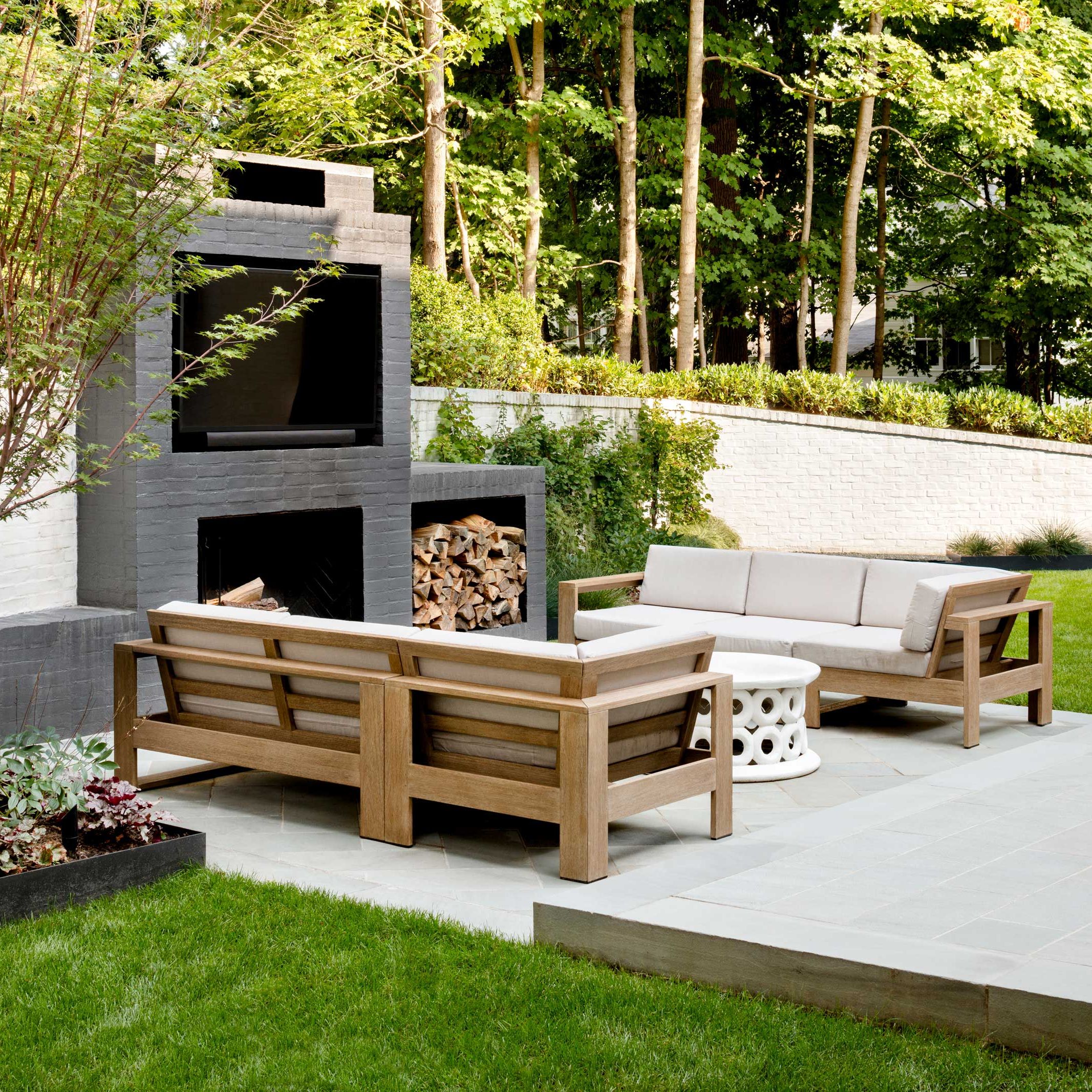
Fix small cracks and scratches early to stop damage from spreading. Use wood filler or putty to fill holes and cracks. Sand smooth once dry and apply a fresh coat of paint or sealant. Tighten loose screws and joints to keep furniture stable. Regular repairs help wood last longer and stay safe.
Credit: www.livingetc.com
Comparing Wood To Other Materials
Wooden outdoor furniture offers a natural and warm look. Comparing wood to other materials helps you choose the right option. Each material has its strengths and weaknesses. Understanding these can help you make a smart choice for your outdoor space.
Wood Vs. Metal
Wood feels warm and inviting. Metal feels cold but looks modern. Metal lasts longer against weather damage. It resists rust if coated well. Wood can rot if not treated properly. Metal furniture often needs less upkeep. Wood requires regular sealing or oiling. Wood can be more comfortable to touch. Metal can get hot in the sun. Both can be strong and durable. Your choice depends on style and care.
Wood Vs. Plastic
Plastic furniture is lightweight and easy to move. It often costs less than wood. Plastic can fade or crack under sun. Wood ages with character and charm. Wood needs more care than plastic. Plastic is low maintenance and water-resistant. Wood can be sanded and refinished. Plastic may look cheaper over time. Wood offers a natural look that plastic can’t match.
Cost Vs. Longevity
Wood furniture usually costs more upfront. It can last many years with care. Metal can cost about the same or more. It often lasts longer with less work. Plastic is the cheapest but may not last. Consider how long you want to keep it. Spending more now can save money later. Quality materials often mean better durability. Balance your budget with how long furniture lasts.

Credit: www.youtube.com
Frequently Asked Questions
Does Wooden Outdoor Furniture Resist Weather Damage?
Wooden outdoor furniture can resist weather damage if properly treated. Regular sealing and protective finishes help prevent moisture absorption and cracking. Using hardwoods like teak or cedar also enhances durability against rain and sun exposure, prolonging furniture life outdoors.
How Long Does Wooden Outdoor Furniture Typically Last?
Wooden outdoor furniture usually lasts 10 to 15 years with proper care. High-quality hardwoods and regular maintenance like cleaning and sealing extend its lifespan. Untreated or neglected wood may deteriorate faster due to weather and pests.
What Maintenance Keeps Wooden Outdoor Furniture Durable?
Regular cleaning, sanding, and sealing keep wooden outdoor furniture durable. Applying protective oils or varnishes prevents moisture damage and fading. Covering furniture during harsh weather also preserves its condition and extends usability.
Is Teak Better Than Other Woods For Outdoor Furniture?
Yes, teak is better for outdoor furniture due to natural oils. These oils repel water and resist rot, making teak highly durable. It requires less maintenance compared to softer woods and remains strong in various climates.
Conclusion
Wooden outdoor furniture can last many years with proper care. Choose quality wood and protect it from harsh weather. Regular cleaning and sealing help keep wood strong and beautiful. Small repairs prevent bigger problems later. Wood also brings a natural, warm look to your outdoor space.
With simple steps, wooden furniture stays sturdy and charming. Enjoy your outdoor area with lasting wooden pieces.