
Are you wondering if boiled linseed oil is the right choice to protect your outdoor furniture? You want your wooden pieces to stay beautiful and last longer, but choosing the right finish can be confusing.
Boiled linseed oil is popular for wood care, but does it work well outside? Keep reading to discover how this oil can help—or hurt—your outdoor furniture, so you can make the best decision for your backyard setup.
What Is Boiled Linseed Oil
Boiled linseed oil is a popular wood finish. It protects and beautifies wood surfaces. This oil is made from flax seeds. The oil is heated and mixed with drying agents. This process helps it dry faster than raw linseed oil.
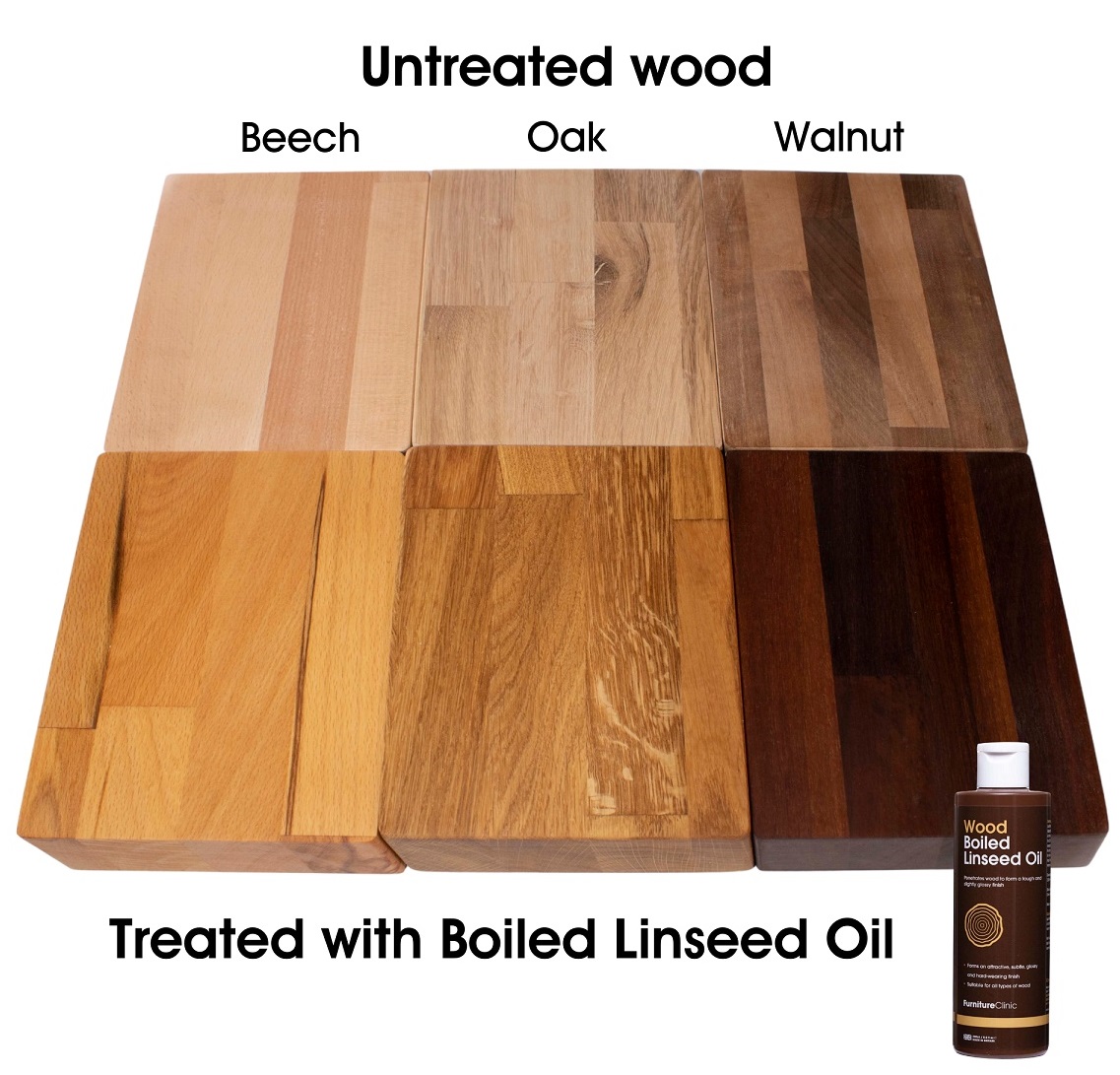
Boiled linseed oil soaks deep into the wood. It strengthens and seals the wood fibers. This makes the wood more resistant to water and dirt. It also brings out the natural grain of the wood, giving a warm, rich look.
How Boiled Linseed Oil Is Made
Linseed oil comes from flax seeds. The seeds are pressed to extract the oil. To make boiled linseed oil, the oil is heated. Drying agents are added to speed up drying time. This makes it practical for wood finishing projects.
Key Benefits Of Boiled Linseed Oil
It penetrates wood deeply. It provides a natural, smooth finish. The oil protects wood from moisture damage. It enhances the wood’s color and grain. It is easy to apply with a brush or cloth.
Difference Between Raw And Boiled Linseed Oil
Raw linseed oil dries very slowly. Boiled linseed oil dries much faster. Raw oil may stay sticky for days. Boiled oil hardens within hours. This makes boiled linseed oil more useful for furniture.
Credit: www.furnitureclinic.co.uk
Benefits For Outdoor Furniture
Boiled linseed oil offers many benefits for outdoor furniture. It helps protect wood from damage caused by sun and rain. This oil soaks deeply into the wood, making it stronger and more durable. It also keeps the wood looking natural and fresh for a long time.
Applying boiled linseed oil is easy and safe. It does not create a thick layer on the surface. Instead, it nourishes the wood from inside. This makes outdoor furniture last longer and resist cracking or peeling.
Enhances Wood’s Natural Beauty
Boiled linseed oil brings out the wood’s natural color and grain. It gives furniture a warm, rich tone. The wood looks smooth and shiny without any artificial gloss. This oil enhances the natural appearance without changing the wood’s texture.
Provides Water Resistance
This oil creates a barrier that repels water. It prevents moisture from soaking into the wood. This helps avoid swelling, warping, and rotting. Water resistance is key for outdoor furniture that faces rain and dew.
Protects Against Sun Damage
Sunlight can dry out wood and cause fading. Boiled linseed oil slows down this damage. It keeps the wood nourished and less likely to crack. This protection helps furniture maintain its look under harsh sun.
Easy To Apply And Maintain
The oil is simple to apply with a brush or cloth. It penetrates quickly and dries fast. Maintaining furniture is easy—just reapply the oil once or twice a year. This keeps wood strong and looking good for many seasons.
Application Process
The application process for boiled linseed oil on outdoor furniture is simple and effective. It helps protect the wood from moisture and sun damage. Proper steps ensure the oil soaks in well and lasts longer. Follow these easy steps for the best results.
Preparation Steps
Start by cleaning the furniture thoroughly. Remove dirt, dust, and old finishes. Use a mild soap and water solution. Let the wood dry completely before applying oil. Sand rough spots lightly with fine sandpaper. Wipe off sanding dust with a clean cloth. Work in a well-ventilated area for safety.
How To Apply
Use a clean cloth or brush to apply the oil. Pour a small amount on the surface. Spread evenly along the wood grain. Avoid thick layers to prevent sticky spots. Let the oil soak in for 15 to 30 minutes. Wipe off any excess oil with a dry cloth. Repeat the process for better protection.
Drying Time
Allow the furniture to dry in a warm, dry place. Drying usually takes 24 to 48 hours. Avoid touching or using the furniture during this time. For best results, apply multiple coats with drying time in between. Proper drying ensures a strong, protective finish.
Protection Against Weather
Outdoor furniture faces many weather challenges. Rain, sun, and dampness can damage wood quickly. Boiled linseed oil helps protect furniture from these effects. It soaks deep into the wood, forming a barrier. This barrier guards the wood and keeps it strong longer.
Water Resistance
Boiled linseed oil creates a water-resistant layer on wood. It stops water from soaking in easily. This helps prevent wood from swelling or cracking. Water resistance means the wood stays dry and lasts longer outside.
Uv Protection
Sunlight can fade and weaken wood over time. Boiled linseed oil offers some protection against UV rays. It reduces the wood’s exposure to harsh sunlight. This keeps the color richer and the wood stronger.
Mold And Mildew Prevention
Moist environments cause mold and mildew on wood. Boiled linseed oil helps keep wood dry inside. This lowers the chance of mold growth. It protects the furniture’s surface from mildew stains.
Safety Precautions
Boiled linseed oil is popular for protecting outdoor furniture. It enhances wood’s look and durability. Yet, it needs careful handling. The oil can catch fire if not stored or disposed of correctly. Safety must be your top priority.
Handling And Storage
Always use gloves when applying boiled linseed oil. Avoid skin contact to prevent irritation. Work in a well-ventilated area to reduce fumes. Keep the oil away from heat and open flames. Store the oil in a tightly sealed container. Place it in a cool, dry spot out of children’s reach. Do not leave oil-soaked items loose on surfaces.
Disposal Of Rags
Rags soaked in boiled linseed oil can self-heat and catch fire. Lay them flat outside on a non-flammable surface. Let them dry completely before disposal. Another option is to submerge rags in water inside a metal container. Seal the container tightly after use. Never throw oily rags in the trash while still wet. Proper disposal prevents dangerous fires at home.
Credit: www.findingsilverpennies.com
Alternatives To Boiled Linseed Oil
Boiled linseed oil is a popular choice for outdoor furniture. It protects wood and enhances its natural beauty. Yet, some people want other options. Different oils and finishes offer unique benefits. These alternatives can suit various needs and climates.
Tung OilTung oil comes from the tung tree seeds. It dries faster than boiled linseed oil. It creates a strong, water-resistant finish. It penetrates deep into the wood. Tung oil also resists mildew and sunlight damage well.
Teak OilTeak oil is a mix of oils and varnishes. It is made for dense woods like teak and mahogany. It soaks into the wood and protects it from moisture. Teak oil helps keep outdoor furniture looking fresh and smooth.
Danish OilDanish oil combines oil and varnish. It offers good protection and a slight shine. It dries faster than boiled linseed oil. Danish oil is easy to apply and maintain on outdoor pieces.
Exterior Wood StainExterior wood stains add color and shield wood from UV rays. They also prevent water damage. Stains come in many shades to match different wood types. They are a good choice for vibrant outdoor furniture.
Polyurethane FinishPolyurethane is a tough, clear coating. It forms a hard barrier over wood. It protects against scratches, water, and sun. Polyurethane is ideal for heavily used outdoor furniture.
Common Mistakes To Avoid
Boiled linseed oil can protect outdoor furniture well. Yet, many make mistakes that reduce its benefits. Avoiding these errors helps your furniture last longer and look better. Here are the common mistakes to avoid for best results.
Applying Too Much Oil At Once
Many apply thick layers of boiled linseed oil. Thick layers take a long time to dry. They can stay sticky and attract dirt. Use thin coats instead. Let each coat dry before adding another.
Skipping Surface Preparation
Applying oil on dirty or wet wood is a mistake. Dirt and moisture block oil absorption. Always clean the furniture well first. Sand rough spots lightly for smooth absorption. Dry the wood completely before oiling.
Ignoring Weather Conditions
Oiling outdoor furniture in rain or high humidity hurts the finish. The oil may not dry properly. Choose a dry day with mild temperature. Good weather ensures proper curing and protection.
Not Allowing Enough Drying Time
Rushing the drying process weakens the protection. Each coat needs enough time to harden. Follow the product’s recommended drying time. Avoid using or covering the furniture too soon.
Using Boiled Linseed Oil Alone
Boiled linseed oil protects but may not be enough for harsh weather. Consider combining it with other finishes like varnish or sealant. This adds extra water resistance and durability.
Credit: www.youtube.com
Frequently Asked Questions
Can Boiled Linseed Oil Protect Outdoor Furniture?
Yes, boiled linseed oil protects outdoor furniture by penetrating wood. It enhances water resistance and reduces cracking, extending furniture lifespan.
How Often Should I Apply Boiled Linseed Oil Outside?
Apply boiled linseed oil on outdoor furniture every 6 to 12 months. Reapply when wood looks dry or loses its sheen.
Is Boiled Linseed Oil Safe For Outdoor Use?
Boiled linseed oil is safe for outdoor furniture. It’s non-toxic once cured and helps maintain wood’s natural beauty.
Can Boiled Linseed Oil Prevent Wood Rot Outdoors?
Boiled linseed oil helps prevent wood rot by repelling moisture. However, it’s best combined with other protective finishes for full protection.
Conclusion
Boiled linseed oil can protect outdoor furniture well. It soaks into the wood and helps stop water damage. Apply it carefully and often for the best results. Keep in mind, it may darken the wood slightly. Always test on a small area first.
This oil keeps furniture looking nice longer. Simple care goes a long way in wood protection. Choose boiled linseed oil for a natural, easy finish. Your outdoor furniture will thank you for it.

