Are you thinking about adding outdoor wicker furniture to your patio or garden? You probably wonder if it can handle rain, spills, or morning dew without getting damaged.
After all, you want your investment to last and look great through all kinds of weather. Understanding whether outdoor wicker furniture is truly waterproof can save you time, money, and frustration. Keep reading to discover the truth about its durability and how to protect your furniture so it stays beautiful season after season.

Credit: www.amazon.com
Wicker Furniture Basics
Wicker furniture has a timeless appeal. It adds charm and comfort to outdoor spaces. Understanding the basics helps in choosing the right piece. Wicker is a weaving technique, not a material itself. The material used affects durability and care needs.
Outdoor wicker furniture comes in two main types. Each type has unique qualities and uses. Knowing these differences helps in picking furniture that lasts.
Natural Vs Synthetic Wicker
Natural wicker is made from plant fibers like rattan, willow, or bamboo. These fibers are lightweight and flexible. Natural wicker looks warm and traditional. It is not waterproof and can rot if wet often. It needs protection from rain and sun.
Synthetic wicker is made from plastic materials such as resin or vinyl. It mimics the look of natural wicker but is stronger. Synthetic wicker resists water and sun damage. It is easier to clean and maintain outdoors. This type is popular for outdoor furniture.
Common Uses In Outdoor Settings
Wicker furniture suits patios, decks, and gardens. It creates cozy seating areas for relaxation. Chairs, sofas, and tables often use wicker weaving. Synthetic wicker is common for outdoor dining sets. Natural wicker fits covered porches or sunrooms. Each style blends well with natural surroundings.
Wicker furniture offers a mix of style and function. Choosing the right type ensures comfort and durability. Proper care extends the life of outdoor wicker pieces.
Water Resistance Of Outdoor Wicker
Outdoor wicker furniture is popular for patios and gardens. Many wonder if it can handle rain and moisture. Understanding the water resistance of outdoor wicker helps in choosing the right pieces. It also helps in caring for them properly.
How Water Affects Wicker
Natural wicker is made from plant fibers like rattan or bamboo. These fibers absorb water easily. Wet wicker can swell, warp, or lose its shape. Over time, water can cause mold and mildew to grow. This weakens the furniture and shortens its life.
Exposure to water often leads to fading and cracking. Drying wet wicker slowly is important to avoid damage. Constant wet and dry cycles make natural wicker less durable outdoors.
Materials That Resist Water
Synthetic wicker is designed to resist water better than natural fibers. It is made from plastic or resin materials. These materials do not absorb water. They dry quickly and do not warp or crack easily.
Most outdoor wicker furniture uses synthetic fibers. These fibers keep the furniture looking good after rain. They also resist mold and mildew growth. A protective coating often adds extra water resistance.
Choosing synthetic wicker helps furniture last longer outside. It reduces the need for frequent repairs or replacements.
Protecting Wicker Furniture
Wicker furniture adds charm to any outdoor space. Protecting it keeps the beauty and strength longer. Wicker is not fully waterproof, so taking care is key. Proper care helps avoid damage from rain, sun, and dirt. Simple steps can keep your furniture looking fresh and strong.
Waterproof Coatings And Treatments
Waterproof coatings help shield wicker from moisture. These treatments create a barrier that stops water from soaking in. Clear sprays or sealants work well on synthetic and natural wicker. Reapply coatings every year or after heavy rain. This prevents mold, mildew, and weakening of fibers. Choose products made for outdoor wicker furniture.
Proper Cleaning Techniques
Cleaning wicker prevents dirt buildup and damage. Use a soft brush or cloth to remove dust and debris. Mild soap and water gently clean the surface. Avoid harsh chemicals that can weaken the fibers. Rinse with clean water and dry quickly with a towel. Keep wicker dry to stop mold and rotting.
Credit: www.bee1.com.br
Maintenance Tips For Longevity
Outdoor wicker furniture adds charm to any patio or garden. To keep it looking great, proper care is key. Regular maintenance helps protect it from weather damage. Small efforts extend its life and keep it comfortable.
Storage During Rainy Seasons
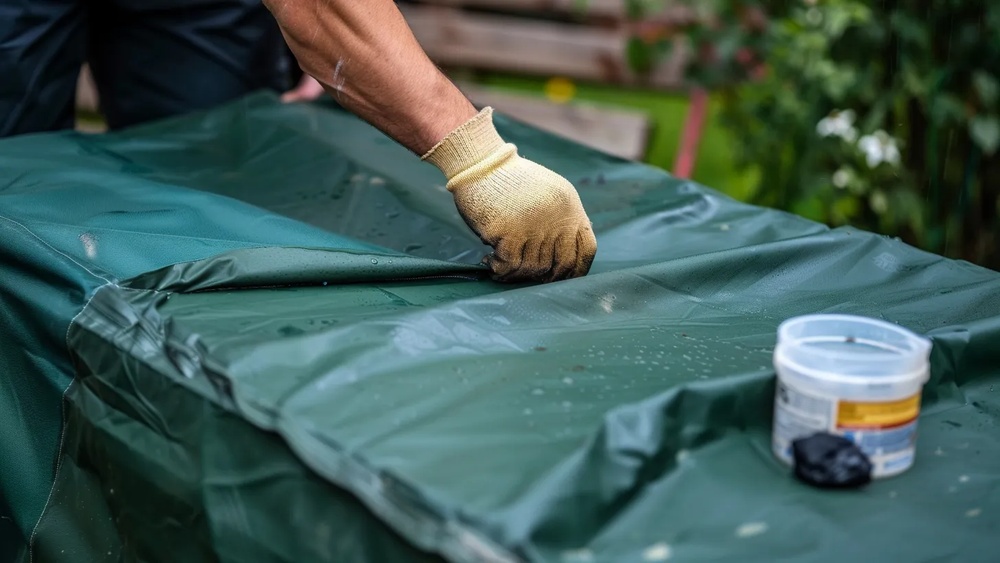
Rain can harm wicker furniture over time. Store pieces in a dry, covered place. A shed, garage, or waterproof storage box works well. Use furniture covers if indoor storage is not possible. Make sure covers fit tightly and breathe to avoid mold.
Keep furniture off the ground during storage. Place it on pallets or blocks. This prevents moisture from seeping in from below. Clean furniture before storing to remove dirt and moisture. Dry it completely to avoid mildew growth.
Repairing Water Damage
Water can cause wicker to become soft and weak. Check for signs of damage regularly. Look for peeling, cracking, or discoloration. Use mild soap and water to clean affected areas gently. Let the furniture dry fully in sunlight.
Small cracks can be fixed with wood glue or resin. Apply carefully with a brush or cloth. Press the damaged parts together until dry. Sand rough spots lightly to smooth the surface. Reapply protective sealant or paint to shield repairs.
Choosing The Right Outdoor Wicker
Choosing the right outdoor wicker furniture matters a lot for lasting use. Not all wicker is made the same. Some types handle sun, rain, and wind better than others. Picking the right materials and designs helps furniture stay strong and look good for years. Let’s explore what makes outdoor wicker furniture weather-resistant and durable.
Best Materials For Weather Resistance
Synthetic wicker is the top choice for outdoor use. Made from resin or plastic, it resists water and does not rot. It does not fade easily under sunlight. Natural wicker, like rattan or bamboo, soaks up water and breaks down fast outside. Look for furniture labeled as “all-weather” or “UV-resistant.” These use synthetic fibers designed to survive rain and sun.
Designs That Enhance Durability
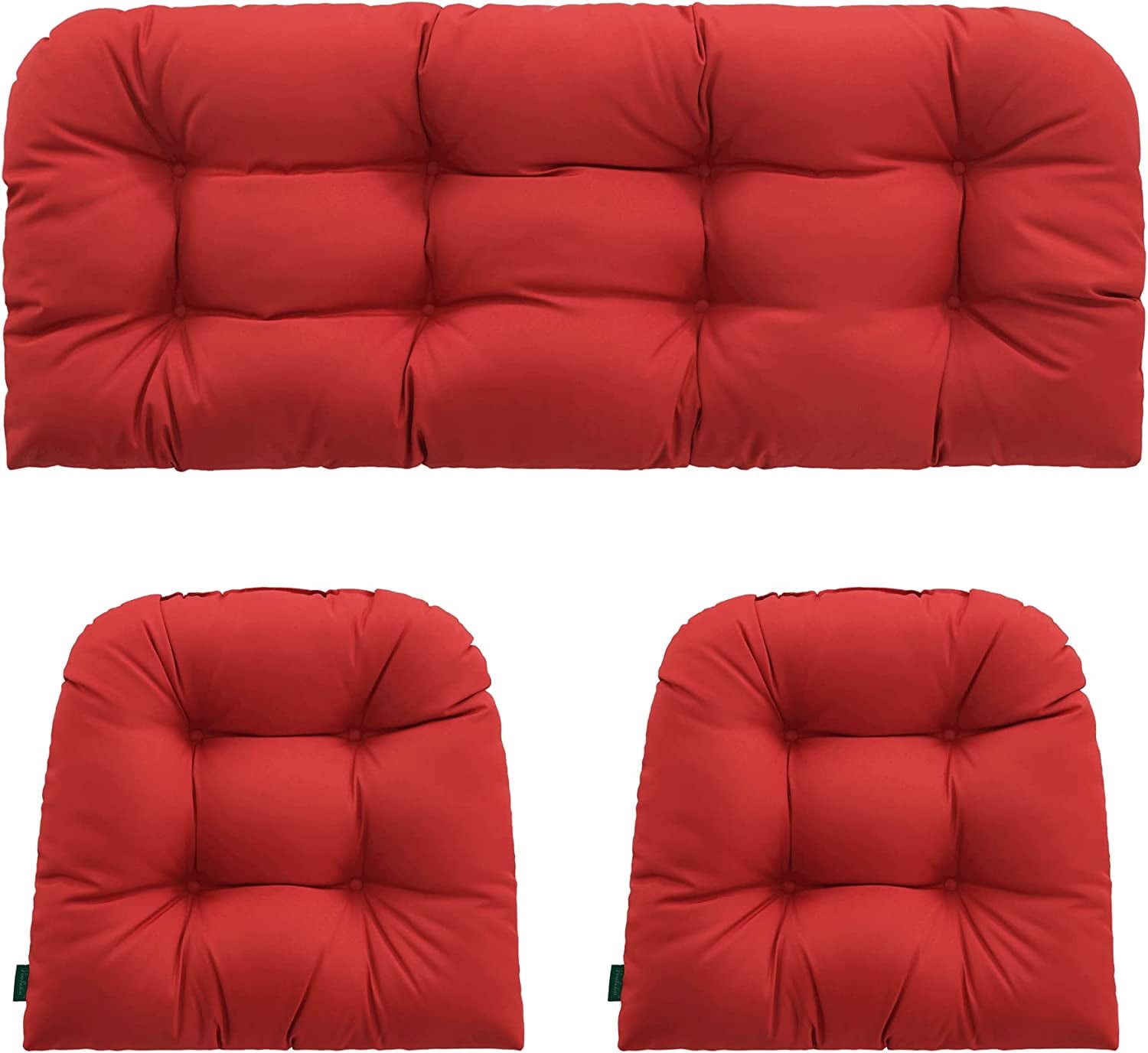
Good outdoor wicker has tight weaving to keep dirt and water out. Frames made from aluminum or stainless steel last longer than wood or iron. They do not rust or bend easily. Raised legs keep wicker off wet ground, reducing damage. Cushions with water-resistant covers add comfort and protect the furniture underneath.

Credit: www.amazon.com
Frequently Asked Questions
Is Outdoor Wicker Furniture Waterproof By Itself?
No, natural wicker is not waterproof. Synthetic wicker, like resin, offers better water resistance. Proper care improves durability.
How Can I Protect Wicker Furniture From Water Damage?
Use waterproof covers and apply sealants designed for wicker. Store furniture indoors during heavy rain or winter.
Does Synthetic Wicker Resist Rain Better Than Natural Wicker?
Yes, synthetic wicker is made to withstand moisture and rain. It resists fading and cracking more effectively than natural wicker.
Can Water Cause Mold On Outdoor Wicker Furniture?
Yes, moisture trapped in wicker can lead to mold and mildew. Regular cleaning and drying prevent mold growth.
Conclusion
Outdoor wicker furniture resists water but is not fully waterproof. Rain and moisture can still cause damage over time. Protect your furniture with covers or store it indoors during heavy rain. Regular cleaning and drying help keep it in good shape.
Choose synthetic wicker for better water resistance. Enjoy your outdoor space without worry, but take simple steps to extend your furniture’s life. Small efforts make a big difference in maintaining comfort and style outside.