Are your outdoor cushions looking dull and smelling musty because of mildew? You’re not alone—outdoor furniture is a magnet for mildew, especially when exposed to moisture and humidity.
But don’t worry, cleaning those cushions doesn’t have to be a headache. In this guide, you’ll discover simple, effective ways to get rid of mildew and restore your cushions to their fresh, inviting best. Keep reading, because your outdoor space deserves to look and feel its best all season long.
Credit: www.furnituremaxi.com
Identifying Mildew On Outdoor Cushions
Outdoor cushions often face damp weather and sunlight. This combination creates a perfect place for mildew to grow. Identifying mildew early stops it from spreading and damaging cushions. Knowing the signs helps you clean cushions quickly and keep them fresh.
Common Signs Of Mildew
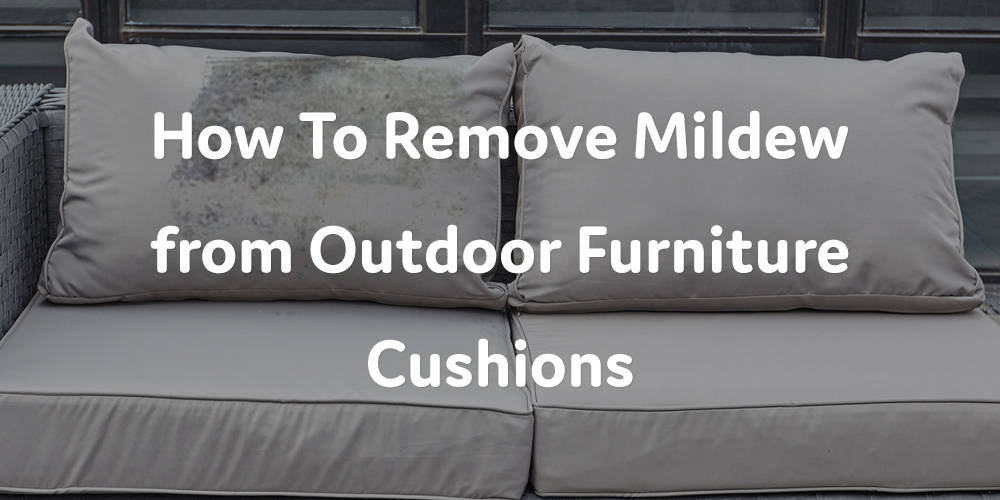
Mildew looks like small, powdery spots. It usually appears in white, gray, or light green colors. The spots often form in damp or shaded cushion areas. Mildew may have a musty, earthy smell. It grows faster in warm, moist conditions. Cushion fabric may feel rough or weakened where mildew grows.
Difference Between Mildew And Mold
Mildew and mold both grow in damp places but look different. Mildew is flat and powdery, while mold is fuzzy and can be many colors. Mold often causes more damage to fabric. Mold spreads deeper into cushion material. Mildew stays mostly on the surface. Cleaning methods vary for mildew and mold, so correct ID matters.
Preparing Cushions For Cleaning
Preparing cushions for cleaning is an important first step. It helps make the cleaning process easier and more effective. Taking time to prepare cushions properly keeps them safe from damage. It also helps remove surface dirt and mildew before applying any cleaning solutions.
Removing Cushions From Furniture
Start by carefully removing the cushions from the outdoor furniture. Lift them gently to avoid tearing or stretching the fabric. Place the cushions on a clean, flat surface. This gives you better access to all sides of each cushion. Removing cushions also prevents water or cleaner from soaking into the furniture.
Brushing Off Loose Debris
Use a soft brush to sweep off loose dirt and debris. Focus on areas with visible mildew or dust. Brush lightly to avoid damaging the fabric or pushing dirt deeper. Removing loose particles first makes the cleaning solution work better. This step keeps the cushion fabric cleaner and fresher during washing.
Choosing The Right Cleaning Solution
Choosing the right cleaning solution is key to removing mildew from outdoor cushions. The wrong product can damage fabric or leave stains. The right cleaner kills mildew and protects your cushions. Some options are gentle and natural. Others use strong chemicals for tough mildew. Select a cleaner that fits your cushion type and mildew level. Test any solution on a small area first. This avoids unexpected damage or color loss.
Homemade Remedies
Homemade remedies use simple ingredients found at home. White vinegar is a popular choice. It kills mildew and removes odors. Mix one part vinegar with one part water. Spray on cushions and let sit for 15 minutes. Then scrub gently with a soft brush. Baking soda also works well. Make a paste with water and baking soda. Apply it to the mildew spots and scrub lightly. Rinse with clean water and air dry. These methods are safe and eco-friendly. They work best on light mildew and delicate fabrics.
Commercial Cleaners
Commercial cleaners are made specifically to fight mildew. They often contain bleach or mold-killing chemicals. These products clean deeply and quickly. Follow the label instructions carefully. Wear gloves to protect your skin. Test the cleaner on a hidden area first. Rinse cushions thoroughly after cleaning. Use commercial cleaners on tough mildew or large stains. Avoid harsh chemicals on colored or delicate fabrics. Some cleaners are safe for all fabrics. Others are designed for specific materials. Choose a cleaner that matches your cushion fabric.
Credit: www.youtube.com
Step-by-step Cleaning Process
Cleaning cushions with mildew takes careful steps. Following a clear process helps remove stains and odors. This section breaks down the cleaning into easy actions. You will learn how to apply the cleaner, scrub the fabric, and rinse well. Each step works to restore your outdoor cushions.
Applying Cleaning Solution
Start by mixing a mild detergent with water. Use a spray bottle or a soft cloth to apply the solution. Cover the entire cushion surface evenly. Focus on areas with visible mildew spots. Let the solution sit for 10 to 15 minutes. This time helps break down the mildew and dirt.
Scrubbing Techniques
Use a soft brush or sponge to scrub the cushion gently. Move in circular motions to lift mildew without damaging fabric. Avoid harsh scrubbing, which can wear out cushions. Pay extra attention to stained areas. Keep the pressure light but steady. This method removes mildew and dirt effectively.
Rinsing Thoroughly
Rinse the cushion with clean water to remove all cleaner residue. Use a hose or bucket for a good rinse. Make sure no soap remains on the fabric. Soap left behind can attract more dirt or mildew. After rinsing, let the cushion dry fully in the sun. Sunlight helps kill remaining mildew spores.
Drying Cushions Properly
Drying cushions properly after cleaning is key to stopping mildew from coming back. Wet cushions hold moisture, which helps mildew grow. Taking time to dry them well keeps your outdoor furniture fresh and safe to use. Follow simple steps to air dry and use sunlight carefully for the best results.
Air Drying Tips
Place cushions in a well-ventilated area. Good airflow helps water evaporate faster. Avoid stacking cushions on top of each other. Lay them flat or stand them on their sides. Flip cushions often to dry both sides evenly. Use a fan if the air is still. This speeds up the drying process. Dry cushions completely before putting them back outside.
Using Sunlight Safely
Sunlight helps kill mildew spores. Place cushions in the sun for a few hours. Avoid leaving them too long to prevent fabric fading. Turn cushions regularly to expose all sides. Use morning or late afternoon sun for gentle drying. Strong midday sun can damage the fabric. Keep an eye on cushions to keep them safe.
Credit: www.furnituremaxi.com
Preventing Future Mildew Growth
Stopping mildew from growing again on outdoor cushions saves time and effort. Mildew loves damp and dark places. Keeping cushions dry and clean helps a lot. Taking small steps can keep your outdoor furniture fresh longer.
Storage Best Practices
Store cushions in a dry place. Avoid damp basements or closed garages. Use breathable storage bags or containers. Avoid plastic covers that trap moisture. Keep cushions off the ground. Elevate them on shelves or racks. Good air circulation prevents mildew spores from growing.
Regular Maintenance
Brush off dirt and debris weekly. Let cushions dry fully after rain. Spot clean stains quickly to stop mildew. Use mild soap and water for cleaning. Avoid strong chemicals that damage fabric. Sunlight helps kill mildew spores. Air cushions outside regularly to keep them fresh.
When To Replace Outdoor Cushions
Knowing when to replace outdoor cushions helps keep your furniture fresh. Mildew can damage cushions beyond cleaning. Sometimes, cleaning is not enough to restore comfort and look. Recognizing the signs can save time and money. It also improves outdoor space appearance and hygiene.
Check For Deep Mildew Stains
Surface mildew can often be cleaned. Deep stains that do not fade need attention. These stains weaken fabric and cause bad smells. If stains remain after cleaning, replacement is best.
Feel The Cushion Firmness
Outdoor cushions should feel firm and supportive. Soft, mushy cushions mean the foam inside is damaged. Mildew can break down the foam over time. Replace cushions that lose their shape and support.
Look For Fabric Tears And Damage
Mildew can cause fabric to rot and tear. Small holes or weak spots let moisture inside. Damaged fabric cannot keep cushions dry. Replace cushions with holes or worn fabric.
Consider Health And Safety
Mildew spores can cause allergies and breathing problems. Persistent mildew on cushions affects air quality. Replace cushions that cause discomfort or health issues. Clean cushions regularly to prevent mildew growth.
Frequently Asked Questions
How To Remove Mildew From Outdoor Cushions Effectively?
To remove mildew, first brush off loose spores outdoors. Mix water, mild detergent, and white vinegar. Scrub cushions gently, rinse well, and air dry in sunlight to prevent mildew return.
What Household Items Help Clean Mildew On Cushions?
White vinegar, baking soda, and mild detergent work well. These items kill mildew and remove stains safely without damaging fabric.
Can Mildew Stains Be Removed Without Harsh Chemicals?
Yes, natural cleaners like vinegar and baking soda effectively remove mildew. They are safe for fabric and environmentally friendly.
How Often Should Outdoor Cushions Be Cleaned To Prevent Mildew?
Clean cushions every 1–2 months, especially in humid climates. Regular cleaning stops mildew growth and keeps cushions fresh.
Conclusion
Cleaning mildew from outdoor cushions keeps them fresh and safe. Act quickly to stop mildew from spreading further. Use gentle cleaners and soft brushes for best results. Let cushions dry completely in the sun to prevent new growth. Regular cleaning helps cushions last longer and look better.
Enjoy your outdoor space with clean, mildew-free cushions every season. Simple care makes a big difference.