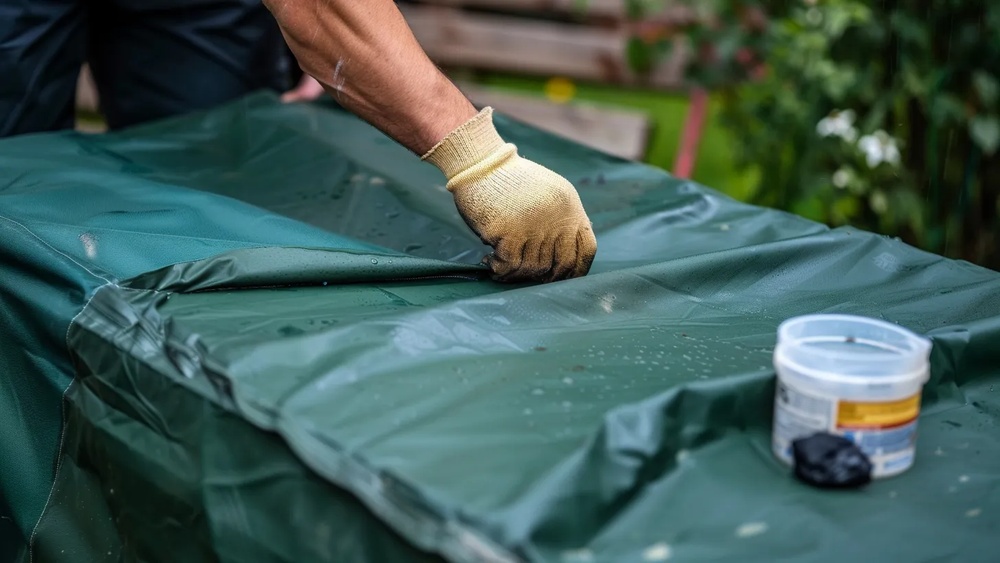
Your outdoor furniture cover protects your favorite pieces from rain, sun, and dirt. But what happens when it gets torn or worn out?
You might think it’s time to buy a new one, but repairing it yourself is easier than you imagine. Imagine saving money and extending the life of your cover with just a few simple steps. Ready to learn how to fix your outdoor furniture cover quickly and effectively?
Keep reading—you’ll discover easy tips that anyone can follow to make your cover as good as new.
Common Damage Types
Outdoor furniture covers face many types of damage over time. Weather, sun, wind, and daily use cause wear and tear. Knowing common damage types helps fix them quickly. Proper repairs extend the cover’s life and keep furniture safe.
Tears And Rips
Tears and rips are the most frequent problems. Sharp objects or strong winds cause these damages. Small tears can turn into bigger holes if ignored. Use fabric glue or patches to mend tears fast. Sewing is another option for stronger repair.
Faded Fabric
Sun exposure fades the color of covers. Faded fabric looks old and weak. It loses its UV protection too. Clean faded areas gently to avoid more damage. Use fabric spray to restore some color and strength.
Broken Zippers
Zippers break from frequent use or dirt buildup. A stuck zipper makes the cover hard to remove. Clean the zipper track and try to fix it carefully. Replace broken zippers to keep covers secure and tight.
Loose Seams
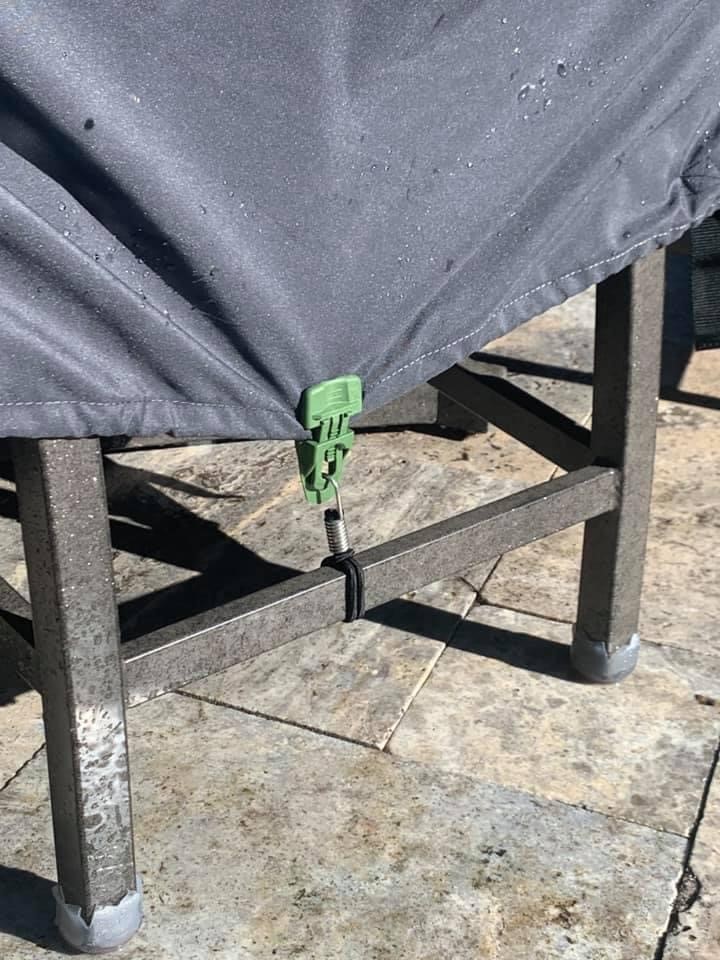
Seams come loose from stress or poor stitching. Loose seams let water and dirt inside. Check seams regularly for signs of wear. Tighten or re-stitch loose seams to maintain cover shape and function.
Credit: www.easyklip.com
Tools And Materials Needed
Repairing outdoor furniture covers needs the right tools and materials. These help fix tears, holes, and wear quickly. Having everything ready makes the repair easier and lasts longer. Gather these items before starting your project.
Repair Kits
Repair kits include patches and glue made for outdoor fabrics. They match colors and textures well. Kits often come with instructions for easy use. Choose a kit based on your cover’s material type.
Sewing Supplies
Sewing supplies like needles and strong thread help with fabric tears. Use heavy-duty thread that resists water and sun. A curved needle can work better on thick covers. Scissors and pins keep fabric in place while sewing.
Adhesives And Patches
Adhesives bond fabric pieces without sewing. Look for waterproof glues that dry clear. Patches cover holes and worn spots securely. Choose flexible patches that move with the fabric. Cut patches slightly larger than the damaged area.
Cleaning Products
Cleaning products remove dirt and grime before repair. Mild soap and water work well on most covers. Avoid harsh chemicals that weaken fabric fibers. Let the cover dry fully before fixing any damage.
Preparing The Cover
Preparing the cover is the first step in repairing outdoor furniture covers. A clean and dry surface helps repairs last longer. It also makes it easier to spot damage. Taking time to prepare ensures a better final result.
Cleaning The Surface
Remove dirt and debris from the cover. Use a soft brush or cloth for gentle cleaning. Mild soap and water work well for most covers. Avoid harsh chemicals that can damage the fabric. Clean all areas, especially spots with stains or mold.
Drying And Inspection
Let the cover dry completely before any repair. Sunlight helps speed up drying and kills bacteria. Check the cover carefully for holes, tears, or weak spots. Mark damaged areas with a fabric marker or chalk. This step prevents missing small but important repairs.
Credit: www.youtube.com
Fixing Tears And Rips
Tears and rips in outdoor furniture covers can let rain and dirt inside. Fixing these damages quickly helps keep your furniture safe. Small repairs stop the tear from getting bigger. Different methods work best for different sizes and types of damage. Here are three easy ways to fix tears and rips.
Using Fabric Glue
Fabric glue works well for small tears and thin materials. Clean the area around the tear first. Apply a thin layer of glue along the edges. Press the edges together and hold for a few minutes. Let it dry completely before using the cover again. This method is fast and easy without sewing skills.
Sewing Small Holes
Sewing is a strong and long-lasting fix for small holes. Use a needle and thread that matches the cover’s color. Stitch the hole carefully with small, tight stitches. Knot the thread securely to prevent it from coming loose. Sewing works well on thicker fabrics and heavier covers. It takes a little time but gives a neat result.
Applying Patch Kits
Patch kits offer a quick fix for larger tears and rips. These kits include fabric patches and adhesive. Cut a patch slightly bigger than the tear. Clean the cover surface and place the patch over the damaged area. Press firmly to ensure it sticks well. Some patches need heat to seal. Check the kit instructions for best results.
Restoring Faded Areas
Outdoor furniture covers often fade due to sun and weather exposure. Restoring these faded areas brings life back to your covers. It also helps protect the fabric from further damage. Simple steps can make your covers look fresh and vibrant again.
Fabric Dyes
Fabric dyes work well to restore color on faded covers. Choose a dye that matches your cover’s material. Test the dye on a small hidden area first. Use a sponge or brush to apply the dye evenly. Let the cover dry completely before using it again. Dyes soak into the fabric and bring back rich color. This method is affordable and lasts longer than paint.
Waterproof Sprays
Waterproof sprays protect covers after restoring color. They create a barrier against water and stains. Spray the cover evenly in a well-ventilated area. Allow the cover to dry fully before placing it outside. Waterproof sprays keep the fabric looking new longer. They also help prevent future fading from sun and rain.
Repairing Zippers And Seams
Outdoor furniture covers protect your furniture from rain, sun, and dust. Over time, zippers and seams may wear out or break. Repairing these parts extends the life of your cover and saves money. Fixing zippers and seams keeps the cover tight and secure. This section shows easy ways to repair zippers and reinforce seams for better durability.
Replacing Zippers
Start by removing the old zipper carefully. Use a seam ripper or small scissors to cut stitches. Choose a zipper that matches the size and color of the old one. Pin the new zipper in place along the fabric edges. Sew the zipper with a strong, weather-resistant thread. Go slow to keep the zipper straight. Test the zipper after sewing to ensure smooth opening and closing. A well-replaced zipper keeps the cover sealed and easy to use.
Reinforcing Seams
Check all seams for loose threads or holes. Trim any frayed edges to clean the fabric. Use heavy-duty thread that can handle outdoor weather. Sew along the existing seams with a straight or zigzag stitch. Double stitching adds extra strength to the seams. Pay special attention to corners and areas under tension. Reinforced seams prevent tearing and keep the cover snug. Strong seams help your cover last through many seasons.
Maintenance Tips
Maintaining your outdoor furniture cover helps it last longer and protects your furniture better. Simple care routines keep the cover strong and looking good. Follow these easy maintenance tips to avoid damage and costly repairs.
Regular Cleaning
Clean your cover often to remove dirt and debris. Use a soft brush or cloth with mild soap and water. Rinse well and let it air dry completely. Avoid harsh chemicals that can weaken the fabric. Regular cleaning stops mold and stains from forming.
Proper Storage
Store the cover in a dry place when not in use. Make sure it is clean and dry before storing. Fold it neatly to avoid creases and tears. Avoid keeping it in direct sunlight or damp areas. Proper storage prevents damage from moisture and sun exposure.
Seasonal Checks
Check your cover at the start of each season. Look for small holes, tears, or weak spots. Patch minor damage quickly to stop it from worsening. Inspect the seams and zippers for wear. Seasonal checks help catch problems early and keep your cover strong.

Credit: leereplacementcushions.com
Frequently Asked Questions
How Do I Fix Tears In Outdoor Furniture Covers?
Use a heavy-duty fabric patch and waterproof adhesive. Clean the damaged area first. Cut the patch slightly larger than the tear. Apply adhesive to both surfaces. Press firmly and let it dry completely before use.
What Materials Are Best For Repairing Outdoor Covers?
Waterproof fabric patches and marine-grade adhesives work best. These materials resist water, UV rays, and wear. They ensure a durable, weatherproof repair. Avoid regular glue, as it may not hold outdoors.
Can I Sew My Outdoor Furniture Cover Repair?
Yes, sewing is effective for small tears. Use a heavy-duty, UV-resistant thread. Stitch tightly to prevent water entry. Combine sewing with fabric glue for added strength and waterproofing.
How To Prevent Future Damage To Outdoor Covers?
Regularly clean and dry covers to avoid mold and mildew. Store covers indoors during harsh weather. Use UV protectant sprays to reduce sun damage. Inspect covers periodically for early damage signs.
Conclusion
Repairing your outdoor furniture cover saves money and extends its life. Small tears or holes do not mean you must buy a new one. Use simple tools and materials to fix damage quickly. Regular care helps prevent future problems and keeps covers strong.
Take your time and follow easy steps for best results. Enjoy your outdoor space without worry. A little effort goes a long way. Keep your furniture safe and looking good all year.

