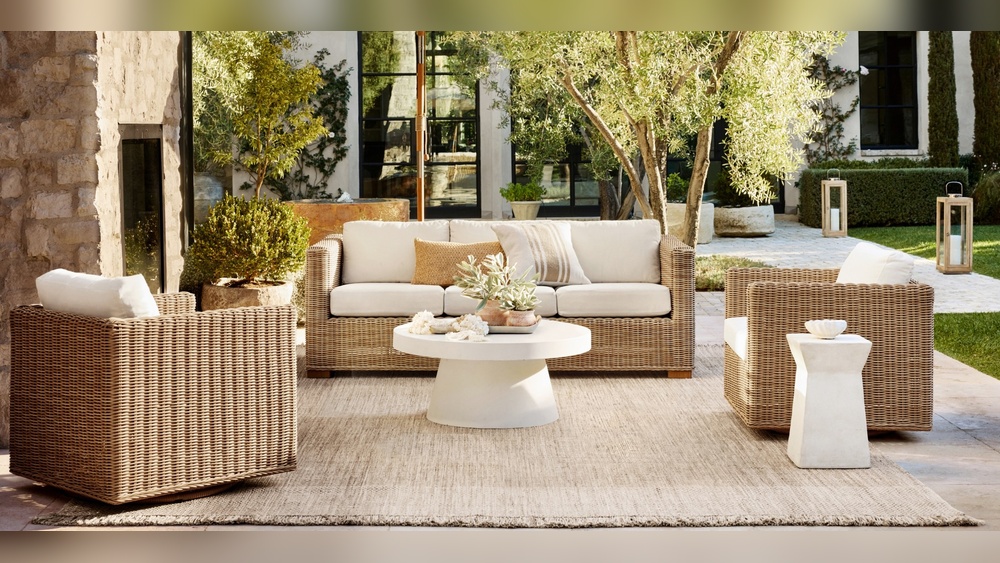
Imagine relaxing in your own backyard, sinking into a sturdy, beautiful Adirondack chair crafted by your own hands. Building Adirondack outdoor furniture isn’t just a weekend project—it’s a chance to create something lasting, personal, and perfect for your space.
You don’t need to be an expert woodworker to make furniture that looks great and feels comfortable. In this guide, you’ll discover simple steps and insider tips that make the process easy and enjoyable. Ready to turn your outdoor area into a cozy retreat with furniture you built yourself?
Keep reading, and let’s get started!
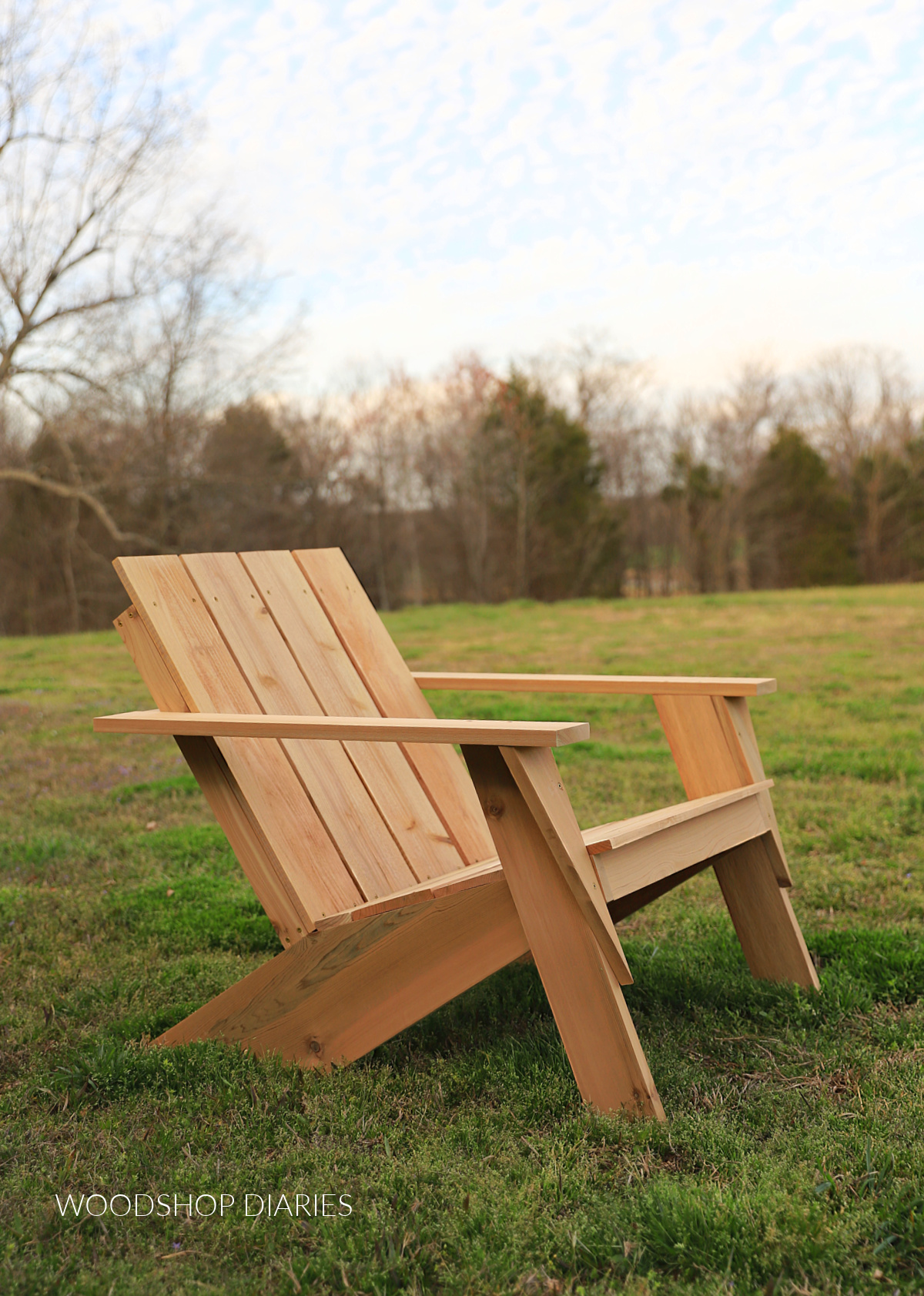
Credit: www.woodshopdiaries.com
Choosing The Right Materials
Choosing the right materials is the first step in building Adirondack outdoor furniture. Good materials make furniture strong and last long. The right choice also keeps the furniture looking great outside. This section guides you through picking wood and gathering tools for your project.
Selecting Wood Types
Wood choice affects the look and durability of your Adirondack chair. Cedar and redwood resist rot and insects. These woods stay strong in wet weather. Pine is cheaper but needs good sealing. Teak and mahogany are very durable but cost more. Choose wood that fits your budget and weather conditions. Smooth, knot-free wood is easier to work with and looks better. Always buy wood that is dry to avoid warping later.
Essential Tools And Supplies
Having the right tools makes building faster and safer. A saw cuts wood to the right size. A drill helps make holes and drive screws. Sandpaper smooths rough edges for a nice finish. Wood screws hold pieces tightly together. Outdoor wood glue adds extra strength. A tape measure ensures accurate cuts. Clamps keep wood steady while you work. Finish your furniture with paint or sealant to protect it from weather damage.

Credit: www.thisoldhouse.com
Preparing Your Workspace
Preparing your workspace is the first step in building Adirondack outdoor furniture. A clean and organized area helps you work faster. It also keeps you safe. Spend time setting up a good workspace before starting your project.
A well-prepared area reduces mistakes. It makes the building process smooth and enjoyable. Let’s explore how to prepare your workspace properly.
Setting Up A Safe Area
Choose a flat, open space with good lighting. Clear the area of any clutter or obstacles. Keep children and pets away from the workspace. Wear safety gear like goggles and gloves.
Make sure there is enough room to move around freely. Avoid working near wet or slippery surfaces. Set up a sturdy table or sawhorses to hold your materials. Safety should be your top priority.
Organizing Tools And Materials
Gather all tools and materials before you start. Keep screws, nails, and small parts in containers. Arrange tools by size and type for easy access. Use a toolbox or a tool belt to stay organized.
Check that all tools are working well. Keep sandpaper, wood glue, and paint nearby. Having everything ready saves time and avoids frustration. A neat workspace helps you focus on building your furniture.
Cutting And Shaping Wood
Cutting and shaping wood is a key step in building Adirondack outdoor furniture. It defines the pieces that will come together to form a sturdy chair or table. Careful cutting ensures the wood fits perfectly. Proper shaping gives the furniture its classic look and comfort. Taking time during this stage saves effort later in the project.
Measuring And Marking
Start by measuring each piece of wood precisely. Use a tape measure for accuracy. Mark the cutting lines clearly with a pencil. Double-check all measurements before cutting. Marking helps avoid mistakes and wasted wood. Take your time to ensure every line is straight and exact.
Sawing Techniques
Use a saw that fits your skill level and the wood type. A handsaw works well for beginners. For straight cuts, follow the marked lines carefully. Keep the saw steady and move slowly. Rough cuts can be fixed later but try to be precise. Always cut on the waste side of the line to keep the piece correct size.
Sanding For Smooth Edges
After cutting, sand the edges to remove rough spots. Use medium-grit sandpaper first to smooth the cuts. Then, switch to fine-grit for a soft finish. Sanding protects against splinters and improves appearance. Smooth edges make the furniture safer and more comfortable to use.
Assembling The Frame
Assembling the frame is the core step in building Adirondack outdoor furniture. This part creates the base shape and strength of the chair. Careful work here ensures the final piece is both sturdy and comfortable. Follow clear steps to join the pieces and check stability as you go.
Joining Techniques
Use strong joints to connect the wood pieces. Screws and wood glue work well together for a tight fit. Drill pilot holes before screwing to avoid wood splitting. Butt joints are common but add corner braces for more strength. A clamp holds parts steady while the glue dries. Always measure twice, cut once for perfect alignment.
Ensuring Stability
Check the frame often during assembly. Press on corners to find any wobble or gaps. Tighten screws if parts feel loose. Add extra support braces under the seat and armrests. Sand rough edges to avoid splinters and improve fit. The frame should feel solid and balanced before moving on.
Crafting The Seat And Backrest
Crafting the seat and backrest is a key step in building Adirondack outdoor furniture. These parts must be strong and comfortable. The design affects how relaxing your chair will feel. Proper construction ensures the furniture lasts through many seasons.
Focus on the right size and shape for the slats. Use good wood and secure them well. This creates a sturdy and inviting seat and backrest.
Designing Comfortable Slats
Choose wood that feels smooth and holds up outdoors. Cedar and pine are good options. Cut the slats evenly for a neat look. Curve the back slats slightly to fit your back. The seat slats should be flat but spaced for airflow. Keep slat width between 2 to 3 inches for comfort.
Sand each slat well to avoid splinters. Rounded edges add extra comfort. Test the slat arrangement by sitting on a mock-up. Adjust the angle and spacing for the best feel.
Attaching Slats Securely
Use screws designed for outdoor use to attach slats. Pre-drill holes to stop wood from splitting. Attach slats firmly to the frame with even spacing. Keep screws flush or slightly countersunk to avoid catching clothes.
Check each slat for stability after attaching. Tighten any loose screws. This step keeps the furniture safe and durable. Secure slats prevent wobbling and extend the chair’s life.
Adding Finishing Touches
Adding finishing touches to your Adirondack outdoor furniture gives it a polished, professional look. These final steps also protect the wood from weather damage. A good finish keeps your furniture looking great for years.
Applying Stain Or Paint
Choose a stain or paint that matches your style. Stain shows the wood grain and adds color. Paint covers the wood completely for a bold look. Use a brush or cloth to apply evenly. Let the first coat dry before adding another. Two or three coats give the best coverage and protection.
Sealing For Weather Protection
Seal your furniture to guard against rain and sun. Use a clear outdoor sealer or varnish. Apply it with a brush in thin, even layers. Make sure to cover all surfaces, including edges and corners. Let each layer dry fully before applying the next. Sealing prevents wood from cracking and fading over time.
Maintaining Your Adirondack Furniture
Maintaining your Adirondack furniture keeps it looking great and lasting longer. Regular care protects the wood from damage and wear. Follow simple steps to clean and care for your furniture.
Cleaning Tips
Use a soft brush to remove loose dirt and dust. Mix mild soap with water for cleaning. Gently scrub the furniture with a sponge or cloth. Rinse with clean water and let it dry in the sun. Avoid harsh chemicals that can harm the wood. Clean spills quickly to prevent stains.
Seasonal Care Advice
Protect your furniture during harsh weather. Cover it with a waterproof cover in rain or snow. Store it in a dry place during winter months. Apply a wood sealer or outdoor paint yearly. This helps prevent cracks and fading. Check for loose screws or nails before each season. Tighten or replace them to keep furniture safe and sturdy.
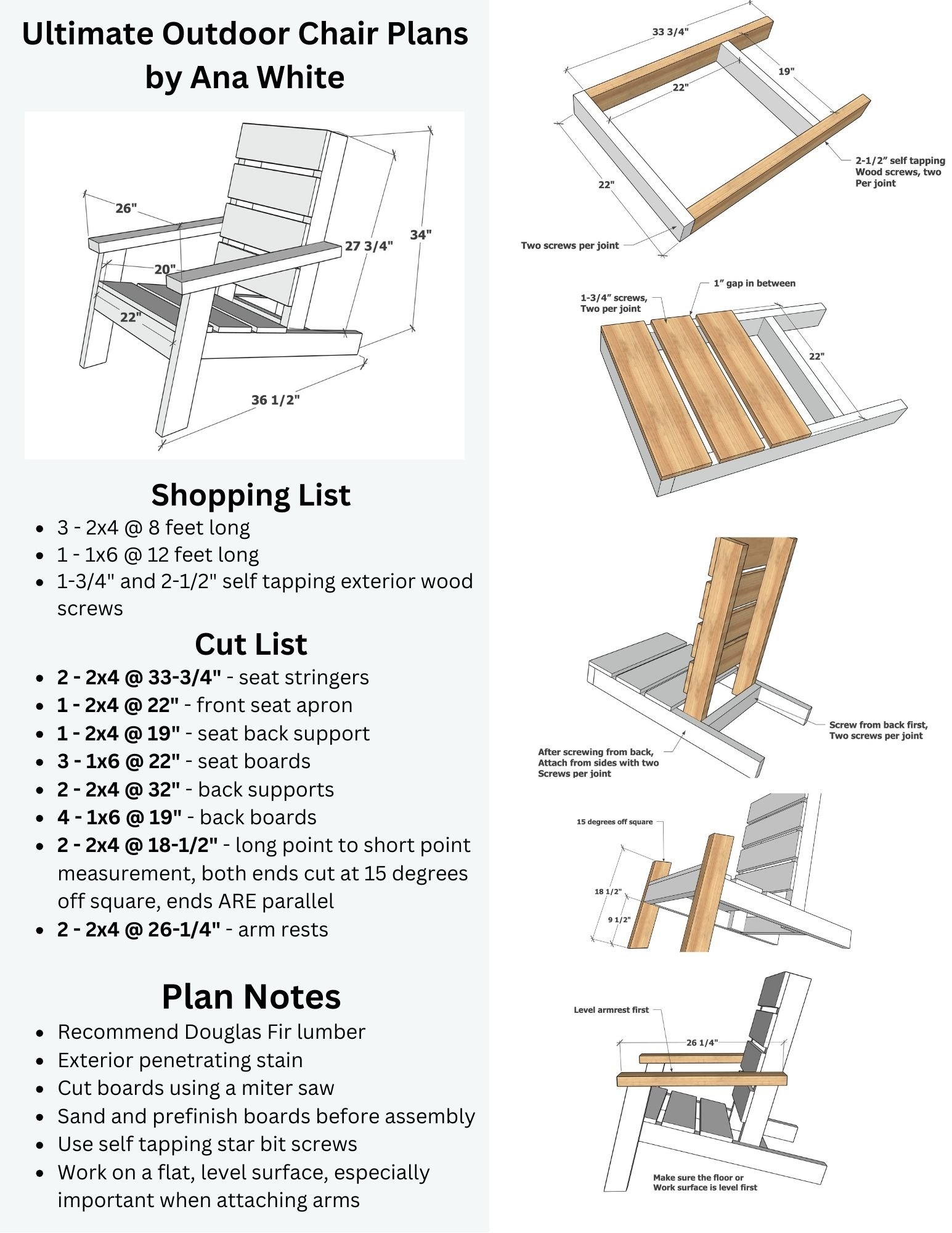
Credit: www.pwmachineservices.com
Frequently Asked Questions
What Materials Are Best For Adirondack Furniture?
Cedar, pine, and teak are ideal for Adirondack furniture. These woods resist weather and last long outdoors. Choose materials that are durable and easy to maintain for outdoor use.
How Long Does It Take To Build Adirondack Chairs?
Building Adirondack chairs typically takes 4 to 6 hours. The time depends on skill level and tools available. Beginners may need extra time for assembly and finishing.
What Tools Do I Need To Build Adirondack Furniture?
Basic tools include a saw, drill, sander, measuring tape, and clamps. You may also need screws and wood glue. Proper tools ensure accurate cuts and sturdy construction.
How Do I Finish Adirondack Furniture For Outdoor Use?
Use outdoor-grade paint, stain, or sealant to protect wood. Apply multiple coats for durability. Finishing prevents weather damage and extends furniture life.
Conclusion
Building Adirondack outdoor furniture brings joy and pride. Each step adds to your skill and confidence. Using the right tools and materials makes the process easier. Taking time to follow instructions ensures a sturdy, lasting piece. Your handmade furniture will invite comfort and charm to your space.
Enjoy the beauty and relaxation it brings to your outdoors. Keep practicing to create even better projects next time. Simple steps lead to great results. Start your project today and feel the satisfaction.