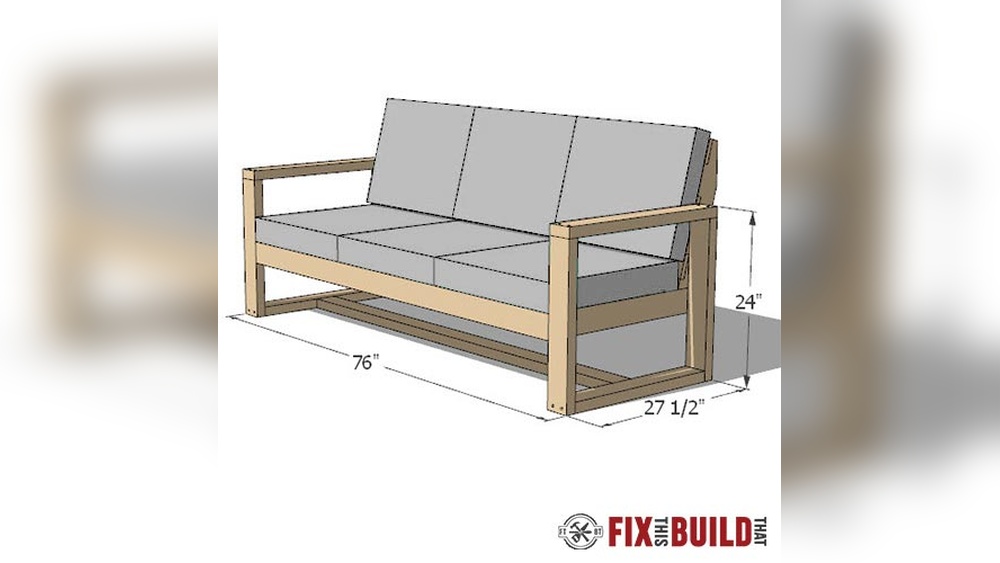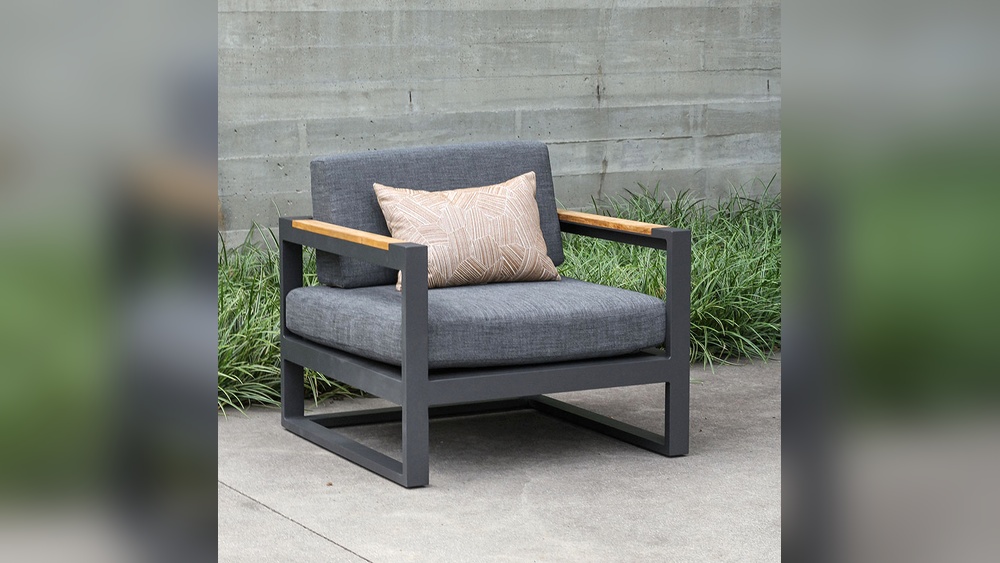
Choosing the right material for your outdoor furniture can make a big difference in comfort, style, and how long it lasts. You might be wondering whether aluminum or teak is better for your patio or garden.
Both have their strengths, but which one truly fits your needs? You’ll discover the key benefits and drawbacks of aluminum and teak, helping you make a smart choice that suits your lifestyle and outdoor space perfectly. Keep reading to find out which option will give you the best value and enjoyment for years to come.
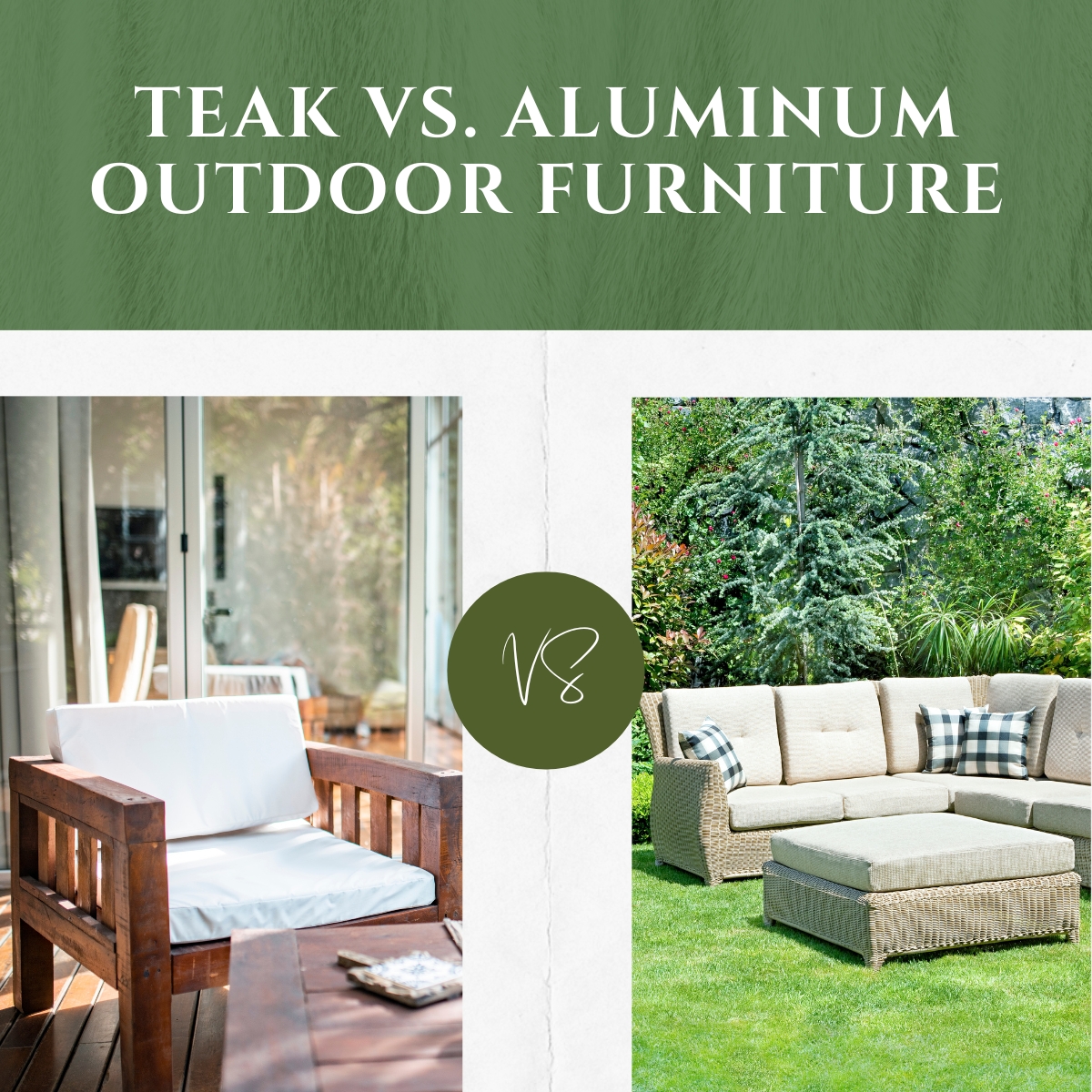
Credit: www.ojcommerce.com
Material Durability
Material durability is a key factor when choosing outdoor furniture. It affects how long the furniture lasts and how well it withstands outdoor conditions. Both aluminum and teak have strong durability traits. Understanding their differences helps you pick the best material for your needs.
Resistance To Weather
Aluminum resists rust and corrosion well. It handles rain, sun, and wind without damage. Teak wood has natural oils that protect it from moisture. It also stands up to sun exposure but may fade over time. Both materials work well in various climates.
Longevity And Wear
Aluminum furniture can last for many years with little wear. It does not crack or warp. Teak is known for its long life and strength. It can last decades if cared for properly. Both materials show wear differently but offer lasting value.
Maintenance Needs
Aluminum requires very little upkeep. A simple wash keeps it clean and fresh. Teak needs regular oiling to keep its color and prevent drying. Without care, teak may turn gray and crack. Maintenance varies but affects how long furniture looks good.
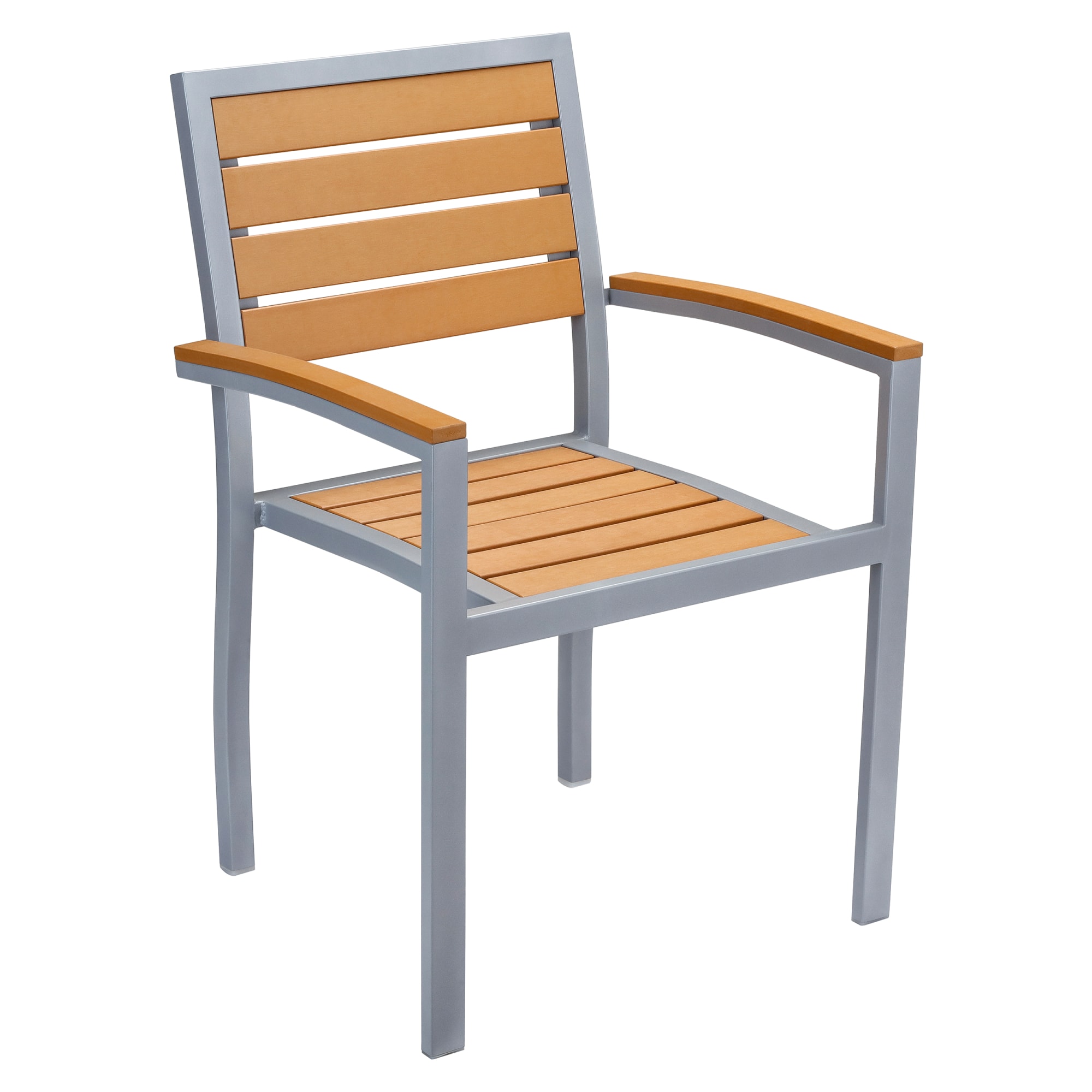
Credit: www.affordableseating.net
Aesthetic Appeal
Choosing outdoor furniture often depends on how it looks. The aesthetic appeal shapes your outdoor space’s mood and style. Aluminum and teak offer very different appearances. Each has unique qualities that affect the overall visual impact. Understanding these can help you pick the right material for your taste and setting.
Visual Characteristics
Aluminum furniture has a sleek, modern look. Its smooth surface and clean lines fit contemporary designs well. The metal often comes in neutral colors like black, white, or gray. It can also have a glossy or matte finish. Teak, on the other hand, shows natural wood beauty. It has warm tones and a rich, textured grain. The color ranges from golden brown to deep amber. This wood brings a classic, earthy feel to outdoor spaces.
Aging And Patina
Aluminum does not change much over time. It keeps its original color and shape for years. This makes it ideal for a consistent, fresh look. Teak ages by developing a soft silver-gray patina. This natural change adds character and charm. Many people find this weathered look attractive. It shows the wood’s natural aging and outdoor exposure.
Customization Options
Aluminum furniture offers many color choices. It can be powder-coated in various shades. This allows matching with different outdoor themes. Shapes and styles are easy to customize with metal. Teak customization is mostly about finish and design. You can keep the natural wood or apply stains. Carvings or unique cuts add personal touches. Each option enhances the natural beauty of the wood.
Comfort And Usability
Comfort and usability are key factors when choosing outdoor furniture. They affect how much you enjoy your outdoor space. Both aluminum and teak offer unique benefits in these areas. Understanding these differences helps you pick the right material for your needs.
Weight And Mobility
Aluminum furniture is very light. It is easy to move around the yard or patio. This makes cleaning and rearranging simple. Teak furniture is heavier. It stays put well in windy areas. Moving teak pieces takes more effort. Choose based on how often you want to change your setup.
Surface Temperature
Aluminum heats up quickly under the sun. It can become too hot to touch in summer. This may make sitting uncomfortable without cushions. Teak stays cooler in the sun. Its natural wood texture feels pleasant on bare skin. Teak is better for warm climates if you want comfort without extra padding.
Ergonomics
Teak offers natural flexibility and slight give. It adapts well to body shape. This adds to sitting comfort during long use. Aluminum frames can be shaped into ergonomic designs. They provide firm support but lack wood’s natural softness. Both materials work well, but teak feels more inviting.

Credit: chairking.com
Environmental Impact
Choosing outdoor furniture means thinking about the environment. The materials used affect the planet in many ways. Understanding the environmental impact helps make better choices.
Sustainability Of Materials
Teak is a natural wood known for its durability. It grows slowly and needs careful harvesting. Sustainable teak comes from forests managed to protect nature. Aluminum comes from bauxite, a mineral mined from the earth. Mining can harm landscapes and wildlife. However, aluminum can last many years without damage.
Recyclability
Aluminum is highly recyclable. It can be melted and reused many times. Recycling aluminum saves energy and reduces waste. Teak wood can be reused or repurposed but is less recyclable than metal. Old teak furniture often ends up as firewood or mulch.
Carbon Footprint
Teak has a lower carbon footprint if harvested responsibly. Trees absorb carbon as they grow. But transporting teak from far places adds emissions. Aluminum production uses a lot of energy, causing higher carbon emissions. Recycling aluminum reduces this footprint significantly.
Cost And Value
Choosing outdoor furniture means thinking about cost and value. This affects what fits your budget and how long furniture lasts. Aluminum and teak have different price points and care needs. Understanding these helps you pick the best option for your outdoor space.
Initial Investment
Aluminum furniture usually costs less upfront. It is lighter and easier to produce. Teak is a natural hardwood and costs more at first. The price reflects its beauty and strength. If budget is tight, aluminum may be the better pick.
Long-term Costs
Aluminum needs little maintenance over time. It resists rust and does not need painting. Teak requires regular oiling or sealing. This keeps its color and protects it from weather. The extra care can add up in cost and effort.
Resale And Durability
Teak holds value well because it is strong and lasts long. It can look good for decades with care. Aluminum is durable but may scratch or dent easier. Resale value may be lower than teak. Both materials offer lasting use but differ in longevity and appeal.
Suitability For Different Climates
Choosing the right material for outdoor furniture depends on climate. Some materials handle certain weather better than others. Aluminum and teak each have strengths that suit different climates well.
Humid Environments
Aluminum is excellent in humid places. It does not rust or rot. Water does not damage it. Teak also performs well here. Its natural oils protect wood from moisture. Teak resists mold and mildew better than many woods.
Dry And Sunny Areas
Aluminum stays cool and does not fade in sunlight. It is ideal for hot, dry climates. Teak can handle sun but may dry out over time. It needs regular oiling to keep its color and strength. Without care, teak may crack or fade.
Cold And Frosty Conditions
Aluminum resists cold without damage. It does not crack or warp in frost. Teak also tolerates cold well. Its dense wood handles freezing temperatures. Still, teak may need some protection to avoid drying out in harsh winters.
Frequently Asked Questions
Is Aluminum Furniture Rust-resistant Outdoors?
Yes, aluminum furniture resists rust and corrosion well. It is ideal for humid or rainy environments. Its lightweight nature also makes it easy to move around your outdoor space.
Does Teak Outdoor Furniture Require Maintenance?
Teak requires regular maintenance to preserve its look. Applying teak oil or sealant helps maintain its natural color and durability. Without care, it can weather to a silvery-gray patina over time.
Which Is More Durable: Aluminum Or Teak?
Teak is naturally durable and withstands harsh weather. Aluminum is strong but can dent or scratch more easily. Both materials last long with proper care and maintenance.
How Does Aluminum Compare To Teak In Weight?
Aluminum furniture is lightweight, making it easy to move and rearrange. Teak is heavier due to dense hardwood, providing stability but less portability.
Conclusion
Choosing between aluminum and teak depends on your needs. Aluminum is light, durable, and needs little care. Teak offers natural beauty and lasts long with proper care. Both materials handle outdoor weather well. Consider your budget, style, and maintenance time.
Think about how often you use your furniture. A smart choice fits your lifestyle and space. Either option can make your outdoor area inviting and comfortable. The key is picking what suits you best.