Are you tired of seeing your outdoor furniture lose its shine and strength because of rust? Rust not only ruins the look of your favorite pieces but also weakens them over time.
Imagine enjoying your backyard without worrying about rusty chairs or tables that might break. You’ll discover simple and effective ways to protect your outdoor furniture from rust. Keep reading to learn easy tips that will save you money and keep your outdoor space looking great year-round.
Causes Of Rust On Outdoor Furniture
Rust on outdoor furniture is a common problem. It happens when metal reacts with air and water. This reaction causes the metal to break down and form rust. Understanding the causes helps protect your furniture and keep it looking good longer.
Exposure To Moisture
Moisture is the main cause of rust. Rain, dew, and humidity leave water on metal surfaces. Water stays trapped in small cracks and corners. This constant wetness speeds up the rusting process. Even after the rain stops, dampness can remain for hours or days.
Environmental Factors
Outdoor furniture faces many environmental challenges. Salt air near the ocean makes rust appear faster. Pollution and acid rain also damage metal coatings. Cold weather causes metal to contract and expand. This movement creates weak spots where rust can start.
Material Vulnerabilities
Some metals rust easier than others. Iron and steel are very prone to rust. Aluminum and stainless steel resist rust better but can still corrode. Cheap or thin coatings on furniture wear off quickly. Without a strong protective layer, metal is exposed to rust.
Credit: ssfirepits.com
Choosing Rust-resistant Materials
Choosing rust-resistant materials is key to keeping outdoor furniture looking good. Rust can damage metal furniture and make it unsafe. Picking the right material helps prevent rust and saves money on repairs.
Materials that resist rust need less maintenance. They last longer and stay attractive through all seasons. Understanding which materials resist rust helps make smart buying decisions.
Aluminum And Stainless Steel
Aluminum is light and does not rust. It forms a natural layer that protects it from moisture. Stainless steel contains chromium, which stops rust from forming. Both metals stay strong in rain and humidity. They require little cleaning and keep their shine.
Synthetic And Treated Woods
Synthetic woods like plastic lumber do not absorb water. They do not rot or rust. Treated woods have chemicals that stop moisture damage. These woods resist decay and rusting metal parts. They offer a natural look with added durability.
Protective Coatings And Finishes
Protective coatings shield furniture from water and air. Paints, powder coatings, and sealants stop rust from forming. These finishes add a layer between metal and moisture. Regularly applying coatings extends furniture life. Choose finishes made for outdoor use.
Cleaning And Maintenance Tips
Keeping outdoor furniture free from rust is easier with good cleaning and care. Regular attention stops rust before it spreads. Simple steps help your furniture last longer and look better. Follow these easy tips to keep rust away and maintain your outdoor pieces.
Regular Cleaning Routine
Clean furniture often to remove dirt and moisture. Use a soft brush or cloth with mild soap and water. Rinse well and dry completely. Avoid harsh chemicals that can damage the metal. Regular cleaning helps stop rust from forming.
Removing Rust Spots Early
Check furniture for small rust spots every week. Use fine sandpaper or a wire brush to remove rust gently. Wipe the area clean and dry it well. Treat spots quickly to prevent rust from spreading. Early care keeps furniture strong and smooth.
Using Rust Inhibitors
Apply rust inhibitors to protect metal surfaces. These products create a barrier against moisture and air. Use them after cleaning and drying your furniture. Follow the instructions on the product for best results. Rust inhibitors help keep furniture safe from corrosion.

Credit: www.houstonhomeandpatio.com
Protective Measures For Long-term Care
Protective measures help your outdoor furniture last longer. They stop rust from forming and keep metal strong. Regular care saves money and keeps furniture looking good. Simple steps make a big difference in preventing rust over time.
Applying Sealants And Paints
Sealants create a barrier that stops moisture from reaching metal. Use rust-resistant paint for extra protection. Clean furniture before applying paint or sealant. Apply thin, even coats for the best results. Let each coat dry fully before adding another. This method keeps metal safe from water and air.
Covering Furniture Properly
Use waterproof covers to protect furniture from rain and dew. Covers keep dirt and dust away too. Choose covers that fit well to avoid water pooling. Remove covers on sunny days to prevent moisture buildup. Proper covering reduces direct contact with elements that cause rust.
Storing Furniture During Off-season
Store furniture indoors during winter or long breaks. Keep pieces in a dry, ventilated space to avoid dampness. If indoor storage is not possible, raise furniture off the ground. Use pallets or blocks to prevent water damage. Proper storage slows down rust and extends furniture life.
Diy Rust Prevention Solutions
Rust on outdoor furniture is common. It happens when metal meets water and air. You can stop rust before it starts. Simple DIY methods work well. These solutions save money and time. They keep furniture looking good longer.
Use easy tools and items found at home. A little care goes a long way. Protect your furniture with these practical tips.
Homemade Protective Sprays
Create sprays using household oils and ingredients. Mix equal parts of vegetable oil and lemon juice. Shake well and spray on metal surfaces. The oil forms a barrier against moisture. Lemon juice helps clean and protect the metal. Reapply every few weeks for best results.
Another option is a mixture of vinegar and water. Vinegar removes light rust and prevents new rust. Spray and wipe dry after a few minutes. Use these sprays regularly to keep rust away.
Using Household Items To Prevent Rust
Use items like baking soda and petroleum jelly. Sprinkle baking soda on wet furniture to absorb moisture. Wipe off after a few hours to prevent rust. Petroleum jelly forms a thin protective layer on metal. Apply a small amount and rub it in well. This blocks water and air from touching metal.
Charcoal bags also help absorb moisture around furniture. Place them nearby during humid days. These simple steps reduce rust risks effectively.
Quick Fixes For Rust Damage
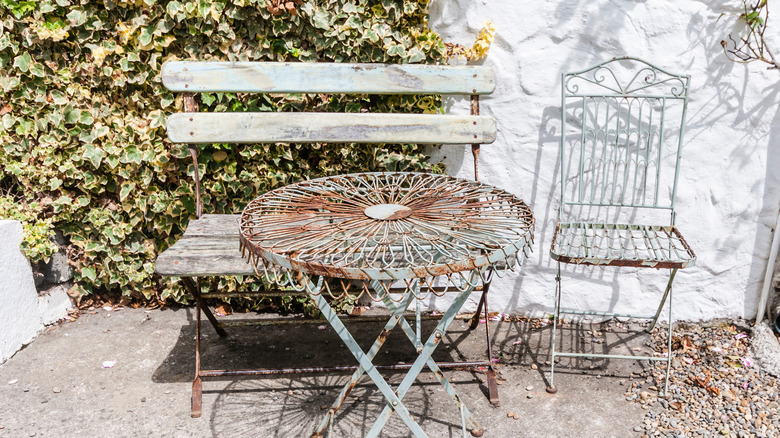
Small rust spots need quick attention. Use steel wool or a wire brush to scrub rust gently. Clean the area with soapy water and dry it well. Apply a rust converter or primer to stop rust growth. Touch up with rust-resistant paint for a smooth finish.
For light rust, a paste of baking soda and water helps. Rub the paste on rust spots, then rinse and dry. Repeat as needed to remove rust fast. Acting fast stops rust from spreading further.
Credit: www.housedigest.com
Professional Treatments And Services
Professional treatments and services offer strong protection against rust on outdoor furniture. These solutions provide long-lasting defense that simple home methods cannot match. Hiring experts can save time and effort while ensuring the best results. They use advanced products and tools to keep metal surfaces safe from moisture and oxidation.
When To Seek Expert Help
Choose professional help if rust is widespread or deep. Experts can handle tough rust spots that home remedies cannot fix. If furniture has complex designs or delicate parts, professionals ensure careful treatment. Also, hire specialists for large or expensive outdoor furniture sets. They bring experience and skills to protect your investment effectively.
Types Of Professional Coatings
Experts use several coatings to prevent rust. Powder coating is popular for its thick, durable layer. It seals metal and resists moisture well. Another option is epoxy coating, which forms a strong, clear barrier. Zinc-rich primers help by blocking rust before it starts. Professionals may combine these coatings for extra protection.
Cost Vs. Benefit Analysis
Professional treatments cost more than DIY methods. Yet, they last longer and reduce future repair needs. This saves money over time by avoiding furniture replacement. Experts also improve the furniture’s look and value. Weigh the initial expense against long-term benefits before deciding. Quality service often proves worth the investment.
Frequently Asked Questions
How Can I Prevent Rust On Outdoor Furniture?
Regularly clean and dry your furniture. Apply a rust-resistant primer and paint. Use covers when not in use to protect from moisture and rain.
What Materials Resist Rust For Outdoor Furniture?
Aluminum, stainless steel, and wrought iron with protective coatings resist rust. These materials withstand outdoor conditions better than plain steel or iron.
How Often Should I Treat Outdoor Furniture For Rust?
Treat your furniture at least once a year. Inspect for scratches or chips and touch up paint immediately to prevent rust formation.
Can Rust Be Removed From Outdoor Furniture?
Yes, use a wire brush or sandpaper to remove rust. Apply rust converter and repaint the surface to protect it from further corrosion.
Conclusion
Protecting outdoor furniture from rust takes simple, regular care. Clean your furniture often and dry it well. Use covers to shield it from rain and moisture. Apply rust-resistant paint or sealant to add extra protection. Small steps prevent big damage over time.
Enjoy your outdoor space without worrying about rust. Keep your furniture looking good season after season. Taking care of your furniture saves money and effort later. Rust-free furniture lasts longer and stays strong. A little attention goes a long way.