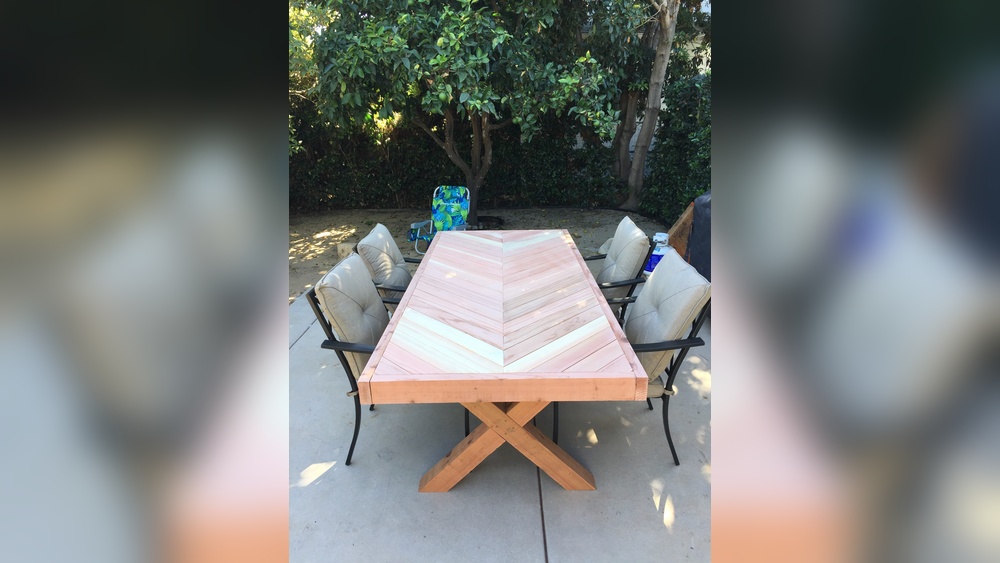
Your redwood outdoor furniture has weathered the seasons, and now it’s time to bring back its natural beauty. Refinishing your furniture isn’t just about looks—it protects your investment and extends its life.
If you want your pieces to shine like new without spending a fortune, this guide is for you. You’ll learn simple steps that anyone can follow, even if you’ve never refinished wood before. Ready to transform your outdoor space and enjoy your redwood furniture for years to come?
Keep reading, and let’s get started.

Credit: www.youtube.com
Assessing Redwood Furniture
Before refinishing your redwood outdoor furniture, start with a careful assessment. This helps you understand its current condition. It guides you on the steps needed for a good finish. Checking the wood closely saves time and effort later.
Focus on two main areas: damage and wear, and any previous finishes. These details affect how you clean, sand, and protect the wood. A clear view of the furniture’s state makes the refinishing process smooth and effective.
Checking For Damage And Wear
Look for cracks, splits, or holes in the wood. These signs show where the furniture needs repair. Check joints and corners carefully, as these spots often weaken first. Surface wear, like fading or rough patches, also matters. It tells you how much sanding or cleaning is required.
Check for signs of rot or insect damage. Soft, crumbly areas need special attention or replacement. Rust on metal parts like screws or brackets can affect stability. Remove or replace rusty hardware to keep the furniture strong.
Identifying Previous Finishes
Old finishes affect how new coatings will stick to the wood. Look for paint, stain, or sealant layers on the surface. A glossy shine usually means a varnish or polyurethane finish. A dull, colored layer may be paint or stain. Some finishes peel or flake, which needs removal.
Test a small hidden spot with a little alcohol or paint remover. If the finish softens or comes off, it is likely a paint or stain. This step helps choose the right cleaning or stripping method. Understanding past finishes ensures a smooth and lasting refinish.
Gathering Essential Tools
Before starting to refinish redwood outdoor furniture, gather all the right tools. Having proper equipment makes the job easier and the results better. This step saves time and avoids frustration. Here is a list of essential tools needed for sanding, cleaning, and finishing your furniture.
Sanding Equipment Choices
Select sanding tools based on the size and shape of your furniture. A palm sander works well for flat surfaces. Use sanding blocks for curved or detailed areas. Choose 120- to 220-grit sandpaper for smooth results. Coarser paper removes old finish faster, but finer grit creates a smooth surface.
Cleaning Supplies
Clean furniture thoroughly before refinishing. Use a soft brush or cloth to remove dirt. Mild soap mixed with water works best for cleaning redwood. Avoid harsh chemicals that can damage the wood. Rinse with clean water and let it dry completely. Proper cleaning helps the finish stick well.
Finishing Materials
Select a finish that protects and beautifies redwood. Exterior wood stain or clear sealer works well outdoors. Use brushes or foam applicators for even coats. Have clean rags ready to wipe off excess finish. Choose a finish with UV protection to prevent sun damage.
Preparing The Surface
Preparing the surface is the first step in refinishing redwood outdoor furniture. A clean, smooth surface helps the new finish stick well and last longer.
Take time to remove any old finish and clean the wood properly. This process makes the furniture look fresh and protects the wood from damage.
Removing Old Finish
Start by sanding the furniture to remove the old finish. Use medium-grit sandpaper to get rid of peeling paint or varnish. Sand in the direction of the wood grain to avoid scratches. For tight spots, use a sanding sponge or small detail sander. Wipe away dust with a dry cloth after sanding.
Cleaning And Drying
Next, clean the wood to remove dirt, grease, and mildew. Mix mild soap with water and scrub the surface gently with a soft brush. Rinse thoroughly with clean water. Let the furniture dry completely in a shaded area. Drying can take up to 24 hours depending on weather. Never refinish wood that is still damp.
Sanding Techniques
Sanding is a key step in refinishing redwood outdoor furniture. It removes old finishes and smooths the wood surface. Proper sanding helps the new finish stick better and last longer. Using the right technique prevents damage and keeps the wood looking great.
Choosing The Right Grit
Start with coarse grit sandpaper to remove old paint or stain. A grit between 60 and 80 works well for this step. After removing the old finish, switch to medium grit, like 120. This smooths out rough spots and scratches. Finish with fine grit, around 220, for a smooth surface. Using the right grit in order prevents scratches and uneven surfaces.
Sanding Direction And Pressure
Always sand in the direction of the wood grain. This helps avoid scratches and keeps the wood fibers intact. Use light to medium pressure. Pressing too hard can create grooves or uneven spots. Let the sandpaper do the work. Move your hand steadily and evenly over the surface. This ensures a smooth, even finish ready for staining or sealing.
Selecting The Finish
Selecting the right finish for redwood outdoor furniture is key to protecting and beautifying it. The finish shields the wood from weather damage and enhances its natural color. Choosing a finish depends on the look you want and the climate where the furniture stays. Understanding different finishes helps you make the best choice.
Types Of Stains And Sealers
Stains add color and protect the wood. Transparent stains keep the natural grain visible. Semi-transparent stains offer color and some coverage of the grain. Solid stains cover the wood completely, like paint. Sealers protect the wood but do not change its color much. They keep moisture out and prevent cracking. Pick a stain or sealer based on how much color and protection you want.
Weather Protection Options
Redwood furniture faces sun, rain, and sometimes snow. Weather protection keeps it strong and looking good. Look for finishes with UV blockers to stop sun damage. Water repellents keep moisture from soaking into the wood. Some finishes also resist mildew and mold. Regular reapplication keeps protection fresh. Strong weather protection extends your furniture’s life and beauty.

Credit: www.youtube.com
Applying The Finish
Applying the finish is a key step in refinishing redwood outdoor furniture. This step protects the wood and brings out its natural beauty. Choosing the right method and understanding how to layer the finish helps the furniture last longer. Proper application also prevents peeling and uneven color.
Brush Vs. Spray Application
Brushing is a common way to apply finish. It gives good control and spreads the finish evenly. Use a high-quality brush made for outdoor wood. Brush along the grain for best results. Brushing can take longer but reduces drips and waste.
Spraying covers large areas quickly. It works well for intricate designs and hard-to-reach spots. Use a spray gun or aerosol spray designed for wood finishes. Spray in thin, even coats to avoid runs. Spraying may require more ventilation and protective gear.
Both methods work well. Choose based on your skill and furniture shape.
Layering And Drying Times
Apply the finish in several thin layers. Thin coats dry faster and stick better. Thick layers can peel or stay sticky for days. Let each layer dry completely before adding the next.
Drying time depends on the finish type and weather. Warm, dry days speed drying. Cold or humid weather slows it down. Check the product label for exact drying times.
Lightly sand between coats with fine sandpaper. This helps the next layer bond well. Remove dust before applying the next coat. Usually, two to three layers give strong protection.
Maintaining Redwood Furniture
Maintaining redwood outdoor furniture keeps it strong and beautiful. Redwood resists decay and insects, but dirt and weather can still harm it. Regular care helps preserve its natural color and smooth feel. A little effort extends the life of your furniture.
Regular Cleaning Tips
Use a soft brush or cloth to remove dust and dirt. Clean with mild soap and water. Avoid harsh chemicals that can damage the wood. Rinse well and let the furniture dry completely. Clean at least once a month during warm seasons. This prevents grime build-up and keeps the wood fresh.
Touch-up And Refinish Schedule
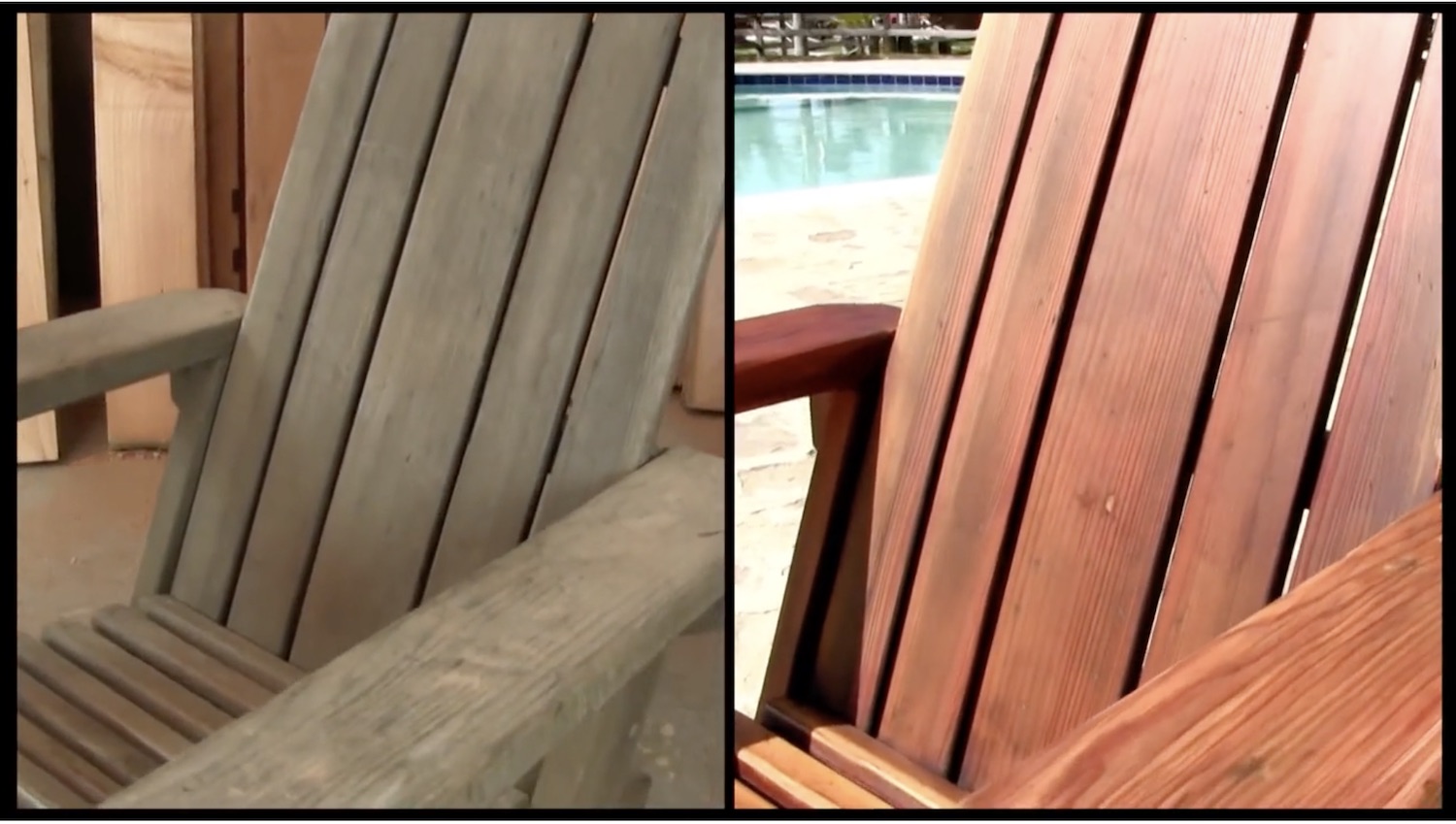
Check your furniture for scratches or dull areas every few months. Light sanding can smooth rough spots. Apply a fresh coat of sealer or oil to protect the wood. Do this once or twice a year, depending on sun and rain exposure. Regular refinishing keeps the redwood rich and prevents cracking.
Credit: www.foreverredwood.com
Frequently Asked Questions
How Do You Prepare Redwood Furniture For Refinishing?
Start by cleaning the furniture with mild soap and water. Sand the surface smoothly to remove old finish. Remove dust completely before applying any new stain or sealant to ensure proper adhesion.
What Type Of Finish Is Best For Redwood Outdoors?
Use a high-quality exterior oil-based or water-based wood stain. These finishes protect against moisture and UV damage while enhancing redwood’s natural beauty. Always choose products labeled for outdoor use.
How Often Should Redwood Furniture Be Refinished?
Refinish your redwood outdoor furniture every 1 to 3 years. Frequency depends on weather exposure and wear. Regular maintenance preserves wood integrity and keeps furniture looking fresh.
Can I Refinish Redwood Furniture Without Stripping Old Finish?
Yes, light sanding can remove surface imperfections and prepare the wood. For thicker old finishes, stripping may be necessary. Assess the furniture condition before deciding.
Conclusion
Refinishing redwood outdoor furniture brings new life to old pieces. It protects the wood from weather damage and keeps it looking fresh. Regular care helps your furniture last many years. A few simple steps can make a big difference. Enjoy your beautiful outdoor space with smooth, clean wood.
Take the time to refinish and watch your furniture shine again. Simple work, great results. Your redwood furniture deserves this care.


