Mould on your outdoor furniture can turn your relaxing space into an eyesore and even cause damage. You don’t want to sit on a chair covered in black spots or worry about replacing cushions every season.
The good news? Preventing mould is easier than you think. You’ll discover simple, effective ways to keep your outdoor furniture clean and mould-free all year round. Keep reading to protect your investment and enjoy a fresh, inviting outdoor space every time you step outside.
:strip_icc()/Clean-Outdoor-Furniture-34bc286d99604bce93f968cc0e060c68.jpg)
Credit: www.bhg.com
Causes Of Mould On Outdoor Furniture
Mould on outdoor furniture appears due to certain conditions. Understanding the causes helps prevent its growth. Mould thrives in damp, dark, and warm places. Outdoor furniture often faces these conditions. Knowing why mould grows can protect your furniture and keep it clean.
Common Moisture Sources
Moisture is the main cause of mould. Rainwater that stays on furniture causes dampness. Dew forms in the early morning and adds moisture. Sprinklers or garden hoses can also wet furniture. Poor drainage around the furniture keeps moisture trapped.
Impact Of Weather Conditions
Weather plays a big role in mould growth. Warm and humid weather creates perfect conditions. Rainy seasons increase moisture levels. Lack of sunlight slows drying, allowing mould to grow. Wind can carry mould spores to your furniture.
Material Vulnerability
Some materials attract mould more than others. Wood absorbs water and can stay damp for long. Fabric cushions hold moisture and dirt. Plastic can trap moisture under cushions or in crevices. Metal may rust, creating rough surfaces where mould grows.
Choosing Mould-resistant Materials
Choosing mould-resistant materials is key to keeping outdoor furniture clean and safe. Some materials resist moisture and mould better than others. This helps furniture last longer and look good.
Picking the right material means less worry about mould growth. It also means easier maintenance and less cleaning. Focus on materials that dry quickly and do not hold water.
Best Materials For Outdoor Use
Teak wood is natural and contains oils that fight mould. It ages well and needs little care. Synthetic rattan is made from plastic, so it does not absorb water. It looks like natural wicker but is stronger.
Metal furniture, especially aluminum and stainless steel, does not rot or grow mould. These metals resist rust and moisture well. Plastic and resin pieces dry fast and are easy to clean. Avoid materials that soak up water or hold dirt.
Coatings And Treatments
Applying water-resistant coatings helps protect furniture surfaces. Sealants and varnishes form a barrier against moisture. These coatings reduce mould growth by keeping water out.
Anti-mould sprays and paints can be added to wood and metal. They stop mould spores from settling and growing. Reapply treatments every year to keep protection strong. Choose products safe for outdoor use and the environment.
Proper Cleaning Techniques
Proper cleaning is key to stopping mould on outdoor furniture. Dirt and moisture invite mould growth. Cleaning removes these elements. It keeps furniture fresh and extends its life.
Use the right methods. Avoid harsh tools or chemicals. Gentle cleaning protects the material while removing grime. Clean regularly to prevent mould buildup.
Routine Cleaning Schedule
Set a cleaning routine for your furniture. Clean at least once a month. More often in wet seasons. Check for dirt and spots daily. Quick wipes help stop mould before it starts.
Safe Cleaning Solutions
Choose mild cleaning products. Mix water with a small amount of dish soap. Avoid bleach or strong chemicals that can harm surfaces. Natural solutions like vinegar and baking soda work well. Test on a small area first.
Avoiding Damage During Cleaning
Use soft brushes or cloths for scrubbing. Do not use wire brushes or harsh pads. Rinse thoroughly to remove soap residue. Dry furniture completely after cleaning. Wet surfaces encourage mould growth.
Effective Protection Strategies
Protecting outdoor furniture from mould requires simple, effective steps. These methods help keep your furniture clean and dry. Using the right protection extends the life of your pieces. Follow these strategies to stop mould before it starts.
Covering And Storage Tips
Use waterproof covers to shield furniture during rain. Covers prevent moisture from settling on surfaces. Store furniture in a dry place during winter. Avoid leaving cushions outside when wet. Dry cushions fully before storing to stop mould growth.
Using Protective Sealants
Apply sealants made for outdoor furniture materials. Sealants create a barrier against water and dirt. Reapply sealants every year for best results. Choose products safe for wood, metal, or plastic furniture. This step keeps moisture from soaking into the material.
Improving Air Circulation
Place furniture where air flows freely. Avoid tight spaces with little ventilation. Lift furniture slightly off the ground to let air pass underneath. Good airflow helps surfaces dry faster after rain. Dry surfaces discourage mould spores from settling and growing.
Seasonal Maintenance Practices
Seasonal maintenance is key to keeping outdoor furniture free from mould. Different seasons bring different challenges like rain, cold, and humidity. Simple care steps during these times can protect your furniture and keep it looking fresh longer. Regular cleaning and proper storage reduce mould growth and extend furniture life.
Preparing Furniture For Rainy Seasons
Rain can cause moisture buildup, a perfect place for mould to grow. Start by cleaning all surfaces with a mild detergent. Rinse well and let the furniture dry completely. Use waterproof covers to shield furniture during heavy rain. Place furniture in a spot with good air circulation. Avoid placing cushions or fabrics directly on wet surfaces. Store smaller items indoors or under shelter to keep them dry.
Winter Storage Guidelines
Cold and damp winter weather also promotes mould growth. Before storing, clean and dry furniture thoroughly. Remove cushions and store them inside. Use breathable covers that prevent moisture buildup. Store furniture in a dry, well-ventilated place, like a garage or shed. Avoid plastic covers that trap moisture. Check stored items periodically to catch any early signs of mould.

Credit: www.coversandall.com
Dealing With Existing Mould
Mould on outdoor furniture can damage its look and structure. Removing mould quickly protects your investment. It also keeps your outdoor space clean and healthy. This section explains how to deal with mould that has already appeared. Follow these steps for safe and effective removal. Learn how to stop mould from coming back too.
Safe Removal Methods
Start by brushing off loose mould with a soft brush. Wear gloves and a mask to protect your skin and lungs. Mix water and mild soap in a bucket for gentle cleaning. Scrub the affected areas carefully to remove mould stains. For tougher mould, use a solution of vinegar and water. Spray it on the mould and let it sit for 10 minutes. Rinse the furniture with clean water and dry it fully in the sun. Avoid harsh chemicals that can harm furniture or the environment.
Preventing Recurrence
Keep furniture dry by covering it during rain or high humidity. Store cushions and fabrics indoors when not in use. Use mould-resistant sprays designed for outdoor materials. Place furniture where air flows freely to reduce moisture build-up. Regularly clean your furniture to stop mould spores from settling. Check and treat mould spots early before they grow. These habits help your furniture stay fresh and mould-free longer.
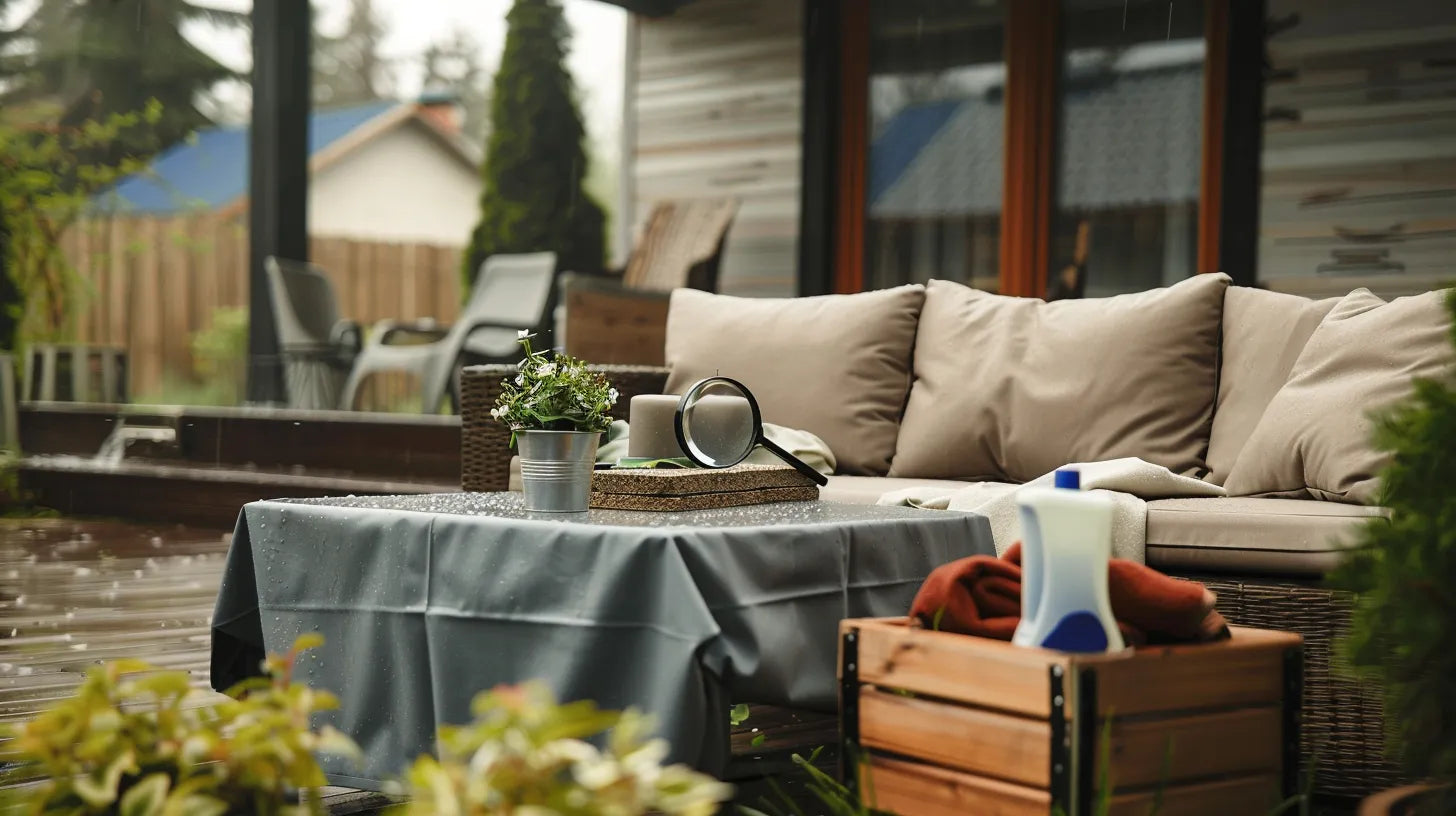
Credit: fj-outdoors.com
Frequently Asked Questions
How Do I Stop Mould Growing On Outdoor Furniture?
Clean furniture regularly with mild detergent and water. Dry thoroughly after rain. Use protective covers to block moisture and sunlight.
What Materials Resist Mould On Outdoor Furniture?
Teak, plastic, and metal resist mould best. These materials dry quickly and don’t retain moisture, preventing mould growth.
How Often Should I Clean Outdoor Furniture To Prevent Mould?
Clean outdoor furniture at least once a month. Increase frequency during wet or humid seasons to avoid mould buildup.
Can I Use Bleach To Remove Mould From Outdoor Furniture?
Yes, dilute bleach with water for mould removal. Test on a small area first to avoid damage or discoloration.
Conclusion
Preventing mould on outdoor furniture keeps it safe and looks good. Clean your furniture often and dry it well after rain. Use covers to protect from moisture and dirt. Store furniture in a dry place during wet seasons. Check for mould regularly to stop it early.
These simple steps help your furniture last longer. Enjoy your outdoor space without worry. Keep your furniture fresh and mould-free all year.


