Your outdoor furniture is the heart of your backyard gatherings, a place where memories are made and relaxation happens. But over time, dirt, dust, and weather can take a toll, making your favorite chairs and tables look tired and worn.
You might be wondering how to bring back that fresh, clean look without spending hours scrubbing or using harsh chemicals. In this guide, you’ll discover simple, effective ways to clean your outdoor furniture so it shines like new again. Keep reading, and you’ll learn easy tricks that save you time and effort, making your outdoor space inviting all season long.

Credit: www.furnitureclinic.co.uk
Choosing The Right Cleaner
Choosing the right cleaner for outdoor furniture is important. It helps keep your furniture safe and looking good. The wrong cleaner can damage surfaces or leave stains. Different materials need different cleaning products. Wood, metal, plastic, and fabric each require special care. Knowing what cleaner to use makes the job easier and better.
Natural Cleaners
Natural cleaners are gentle and safe for most furniture. They use ingredients like vinegar, baking soda, and lemon juice. These items break down dirt and grime without harsh chemicals. Natural cleaners work well on wood and plastic surfaces. They also reduce the risk of allergies or irritation. You can make these cleaners at home easily. They are eco-friendly and cost-effective too.
Commercial Products
Commercial products offer strong cleaning power for tough stains. These cleaners are designed for specific furniture types. Many come with instructions for safe use. Some products protect furniture from sun and rain damage. Choose a product that matches your furniture material. Test the cleaner on a small area first. This step prevents unwanted damage or discoloration.
Diy Cleaning Solutions
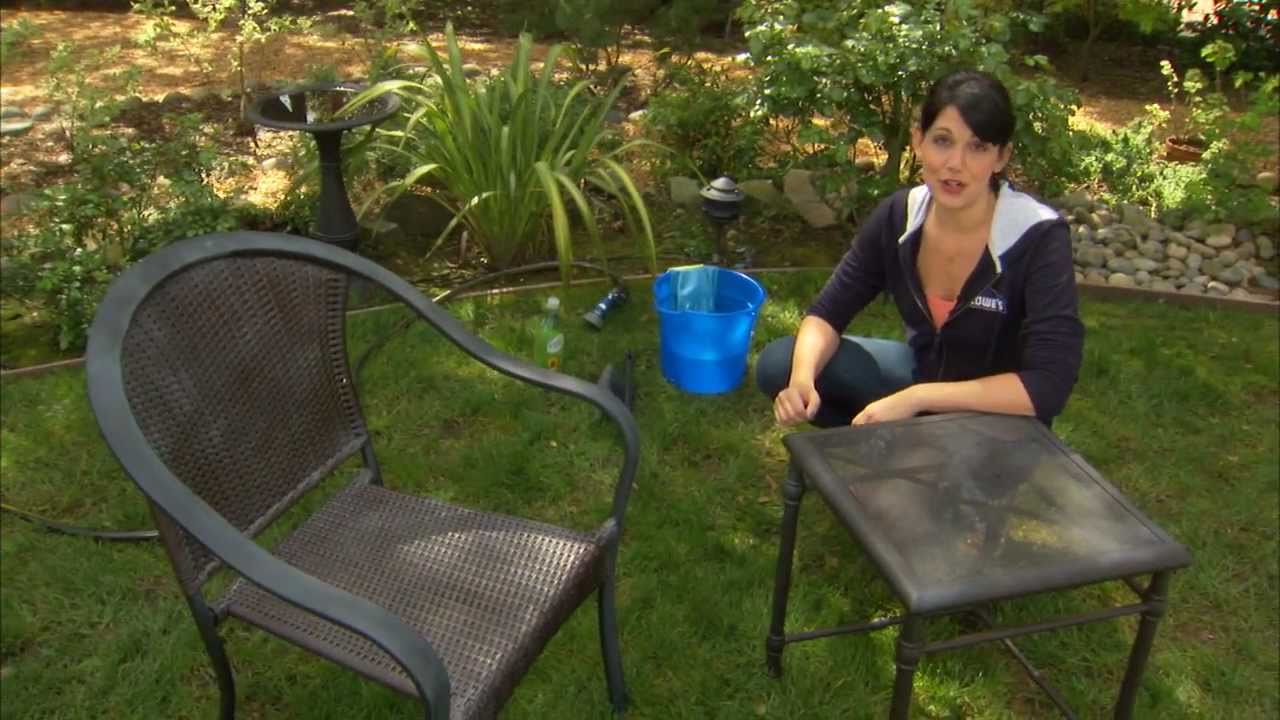
DIY cleaning solutions combine natural ingredients in custom ways. Mix dish soap with water for general cleaning. Use baking soda paste to scrub stubborn spots. Olive oil and lemon juice can polish wooden furniture. DIY solutions save money and avoid chemicals. Always rinse furniture well after cleaning. This stops residue buildup that attracts dirt.
Credit: www.youtube.com
Preparing Your Furniture
Preparing your outdoor furniture is the first step before cleaning. It helps protect the materials and makes cleaning easier. Taking time to prepare means better results and longer furniture life.
Removing Cushions And Covers
Start by taking off all cushions and covers. These parts collect dirt and moisture. Remove them gently to avoid damage. Check the labels for washing instructions. Wash or spot clean them separately to keep them fresh.
Dusting And Brushing Off Debris
Use a soft brush or cloth to dust the furniture. Remove leaves, dirt, and cobwebs. This prevents scratching during cleaning. Brush all corners and gaps. A clean surface means your cleaning will work better.
Cleaning Different Materials
Outdoor furniture comes in many materials. Each type needs special care. Cleaning different materials protects your furniture and keeps it looking nice. Dirt, dust, and weather can damage surfaces. Regular cleaning helps furniture last longer and stay attractive.
Wood Furniture Care
Wood furniture needs gentle cleaning to avoid damage. Use a soft brush or cloth to remove dust. Mix mild soap with water for cleaning. Avoid soaking the wood. Dry it quickly with a clean cloth. Apply wood oil or sealant to protect it from weather. Sand rough spots before oiling for smooth finish.
Metal Furniture Tips
Metal furniture can rust if not cleaned properly. Use warm water and mild detergent to wash dirt away. Rinse well and dry completely to stop rust. For rust spots, scrub gently with a wire brush. Apply rust-resistant paint or spray to prevent future rust. Cover furniture during rain to keep it dry.
Plastic And Resin Cleaning
Plastic and resin furniture is easy to clean. Use soap and water with a soft cloth or sponge. Avoid abrasive cleaners that can scratch surfaces. For tough stains, try a mix of baking soda and water. Rinse thoroughly and dry in the sun. These materials handle water well but need cleaning often.
Wicker And Rattan Maintenance
Wicker and rattan need careful cleaning to avoid damage. Use a soft brush to remove dirt from crevices. Wipe with a damp cloth and mild soap solution. Avoid soaking these materials. Let furniture dry in the shade to stop fading. Apply a protective spray to keep fibers strong and flexible.
Tackling Stubborn Stains
Outdoor furniture often faces tough stains. Dirt and spills can leave marks that are hard to clean. Stubborn stains need special care to restore your furniture’s look.
Different stains require different cleaning methods. Using the right technique saves time and effort. It also keeps your furniture safe from damage.
Mold And Mildew Removal
Mold and mildew appear in damp places. They create dark spots and a musty smell. Use a mix of water and white vinegar to clean.
Spray the solution on the affected area. Let it sit for 10 minutes. Scrub gently with a soft brush. Rinse with clean water and dry well.
Rust And Water Spots
Rust can form on metal parts of furniture. Water spots leave white marks on glass or plastic. Lemon juice or baking soda works well to remove these.
Apply lemon juice or baking soda paste on the stain. Let it sit for a few minutes. Rub softly with a cloth or sponge. Rinse and dry thoroughly.
Food And Drink Stains
Food and drink spills can leave sticky stains. Use mild dish soap mixed with warm water. Dip a cloth in the solution and wipe the stain.
For tough spots, scrub gently with a soft brush. Rinse with clean water and dry with a towel. Repeat if needed until the stain fades.
Drying And Protecting
Drying and protecting outdoor furniture helps keep it in good shape. Wet furniture can get damaged or develop mold. Proper drying stops water from sitting on surfaces. Protecting your furniture extends its life and keeps it looking nice.
Proper Drying Techniques
Start drying your furniture right after cleaning. Use a soft cloth to wipe off extra water. Let the furniture air dry in a sunny spot. Avoid placing it in direct sunlight for too long. Sun can fade colors and dry out wood. Flip cushions and fabrics to dry both sides. Make sure all parts are completely dry before storing.
Applying Protective Coatings
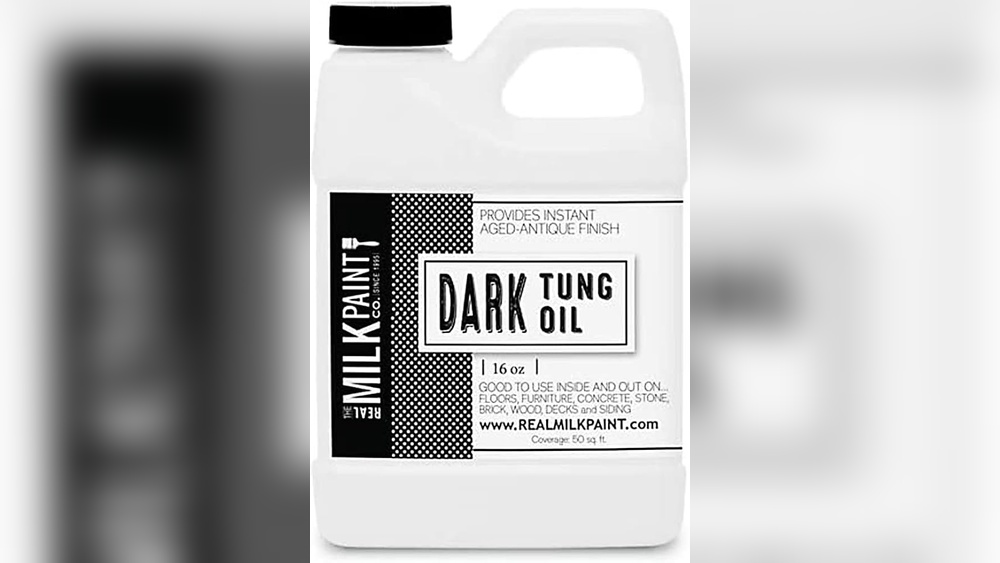
Apply a protective coating to shield your furniture from damage. Use sealants for wood to prevent water absorption. For metal furniture, use rust-resistant sprays. Plastic or resin furniture can benefit from UV protectant sprays. Follow product instructions carefully for best results. Reapply coatings every year or as needed. This keeps furniture looking fresh and strong.
Storing Furniture Off-season
Store your furniture properly during cold or rainy seasons. Use covers made of breathable material to avoid moisture buildup. Store cushions in a dry, indoor place. If possible, keep furniture in a garage or shed. Avoid placing items directly on the ground. Use pallets or blocks to raise furniture off damp floors. Proper storage prevents damage and keeps furniture ready for use.
Regular Maintenance Tips
Keeping outdoor furniture clean helps it last longer and look better. Regular maintenance stops dirt and damage from building up. Simple steps done often keep your furniture fresh and ready to use. Here are some easy tips to follow regularly.
Routine Cleaning Schedule
Clean your outdoor furniture once a week. Use a soft brush or cloth to remove dust and dirt. Wipe surfaces with mild soap and water. Rinse well and dry with a towel. This simple habit prevents stains and keeps furniture bright.
Seasonal Deep Cleaning
Every few months, do a deep clean. Use a stronger cleaner suitable for your furniture type. Scrub gently to remove tough dirt and mold. Rinse thoroughly and let furniture dry in the sun. Deep cleaning prepares furniture for changing weather.
Preventive Measures
Cover furniture when not in use to block dust and rain. Store cushions indoors to avoid moisture damage. Place furniture on flat surfaces to prevent wobbling. Use protective sprays to guard against sun and water. Small steps protect your investment and save money.

Credit: www.chairup.com
Frequently Asked Questions
How Often Should I Clean Outdoor Furniture?
Clean outdoor furniture every few weeks to prevent dirt buildup. Regular cleaning extends its lifespan and keeps it looking fresh. Adjust frequency based on weather and usage for best results.
What Is The Best Cleaner For Outdoor Furniture?
Mild soap and water work well for most outdoor furniture. Avoid harsh chemicals that can damage surfaces. For tougher stains, use specialized cleaners suitable for the furniture material.
Can I Use A Pressure Washer On Outdoor Furniture?
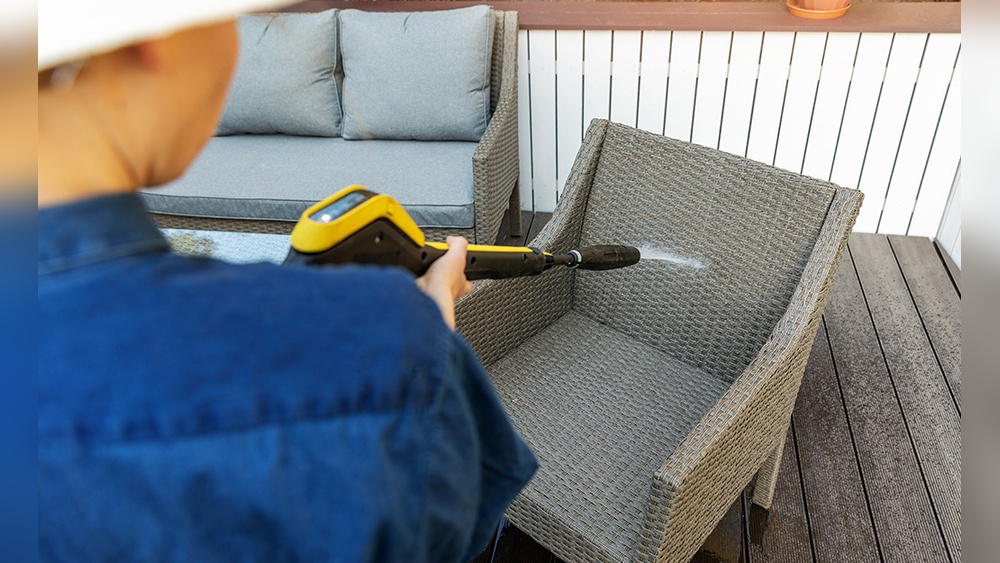
Yes, but use low pressure to avoid damage. Test on a small area first. Pressure washing is effective for removing dirt and mildew without harsh scrubbing.
How Do I Prevent Mold On Outdoor Furniture?
Keep furniture dry and store cushions indoors when not in use. Regular cleaning and applying protective sealants help prevent mold growth. Proper ventilation also reduces moisture buildup.
Conclusion
Cleaning outdoor furniture keeps it fresh and ready for use. Regular care stops dirt and damage from building up. Use gentle cleaners and soft brushes to protect surfaces. Dry furniture well to avoid mold and rust. Small efforts now save money and time later.
Enjoy your outdoor space more with clean, inviting furniture. Simple steps make a big difference in maintenance. Keep your furniture looking nice year-round with these tips.