
Are you thinking about adding wicker furniture to your space but not sure whether to go for indoor or outdoor options? Choosing the right type can make a big difference in how comfortable and stylish your home feels.
You want furniture that fits your lifestyle, looks great, and lasts a long time. You’ll discover simple tips to help you decide between indoor and outdoor wicker furniture so you can create the perfect spot to relax or entertain. Keep reading to find out what suits your needs best—and avoid costly mistakes!

Credit: www.amazon.com
Types Of Wicker Materials
Wicker furniture comes in different materials. Choosing the right one helps your furniture last longer. It also fits your style and needs. Understanding the types of wicker materials is key to making a good choice.
Some wicker is natural, made from plants. Others are synthetic, made from man-made materials. Each type has its own look and feel. They also behave differently outdoors and indoors.
Natural Vs Synthetic Wicker
Natural wicker comes from plants like rattan, bamboo, or willow. It has a warm, classic look. Natural wicker feels light and comfortable. It works well indoors or in covered outdoor areas.
Synthetic wicker is made from plastic or resin. It can look like natural wicker but is more weather-resistant. Synthetic wicker handles rain, sun, and cold better. It is easier to clean and maintain outdoors.
Durability Factors
Natural wicker wears out faster outdoors. Sun and moisture can cause cracking or fading. It needs regular care like cleaning and sealing. Natural wicker is best kept indoors or in dry spots.
Synthetic wicker resists water, sun, and insects. It keeps its color and shape longer outdoors. This type needs less maintenance. It is ideal for patios, gardens, and pool areas.
Assessing Your Space
Choosing the right wicker furniture depends a lot on your space. The area where you place the furniture affects its look and durability. Assessing your space helps pick furniture that fits well and lasts longer.
Think about how much room you have. Also, consider the light, air flow, and traffic in the area. These details guide you to the best choice between indoor and outdoor wicker furniture.
Indoor Environment Considerations
Indoor spaces often have stable temperatures and less direct sunlight. This means wicker furniture indoors faces fewer weather risks. Soft lighting and controlled humidity protect the wicker from damage.
Space size matters too. Smaller rooms need compact wicker pieces. Large rooms can handle bigger, more decorative furniture. Think about how many people will use the furniture daily.
Indoor furniture can have softer cushions and delicate details. These add comfort but may not survive outdoor conditions. Choose materials that match your room’s style and use.
Outdoor Environment Challenges
Outdoor wicker faces sun, rain, wind, and dust. These elements can cause fading, cracking, or mold. Look for wicker made with weather-resistant materials.
Space outdoors may be uneven or limited. Measure your area carefully before buying. Consider how easy it is to move furniture for cleaning or storage.
Think about protection. Can you cover the furniture during bad weather? Will it be under a roof or open sky? These factors affect the type of wicker you choose.
Weather Resistance
Weather resistance is a key factor in choosing wicker furniture. It affects the furniture’s durability and appearance. Understanding how weather affects wicker helps you pick the right type for your space.
Sun Exposure Effects
Sunlight can fade wicker colors quickly. UV rays weaken the material fibers over time. Indoor wicker furniture often lacks UV protection. Outdoor wicker is usually treated to resist sun damage. Constant sun exposure may cause cracking or brittleness. Choosing weather-resistant wicker avoids these problems.
Moisture And Rain Impact
Rain and moisture cause wicker to swell or warp. Natural wicker is very sensitive to water damage. Synthetic wicker handles moisture much better. Outdoor furniture needs to dry quickly after rain. Mold and mildew can develop on damp wicker. Proper weather-resistant materials prevent moisture damage.

Credit: www.wickerliving.com
Maintenance Needs
Maintenance needs play a key role in choosing between indoor and outdoor wicker furniture. Wicker furniture varies in how much care it requires. Understanding these needs helps keep your furniture beautiful and lasts longer.
Cleaning Indoor Wicker
Indoor wicker furniture is easier to clean. Dust it regularly with a soft cloth or a brush. Use a vacuum with a brush attachment to remove dirt from crevices. For deeper cleaning, wipe with a damp cloth and mild soap. Avoid soaking the wicker as it can cause damage. Let it dry completely before use.
Caring For Outdoor Wicker
Outdoor wicker faces more dirt and weather challenges. Clean it often with a soft brush to remove dust and debris. Wash with a mixture of water and mild detergent. Rinse with clean water and dry thoroughly. Protect outdoor wicker by covering it during rain and intense sun. Store it indoors during harsh weather to extend its life.
Style And Design
Style and design play a big role in choosing wicker furniture. They set the mood and feel of your space. The right piece ties the room together. It also makes your space inviting and comfortable. Think about the look you want before buying. Focus on how the furniture fits your space’s style. This helps pick the best indoor or outdoor wicker furniture.
Matching Indoor Decor
Indoor wicker furniture should blend with your home’s style. Choose colors that match your walls and floors. Think about the shapes and lines of your other furniture. Simple, clean designs work well in modern rooms. Curved and detailed wicker fits traditional spaces. Soft cushions add comfort and style. Use patterns that echo your curtains or rugs. This creates a calm and cozy indoor space.
Complementing Outdoor Settings
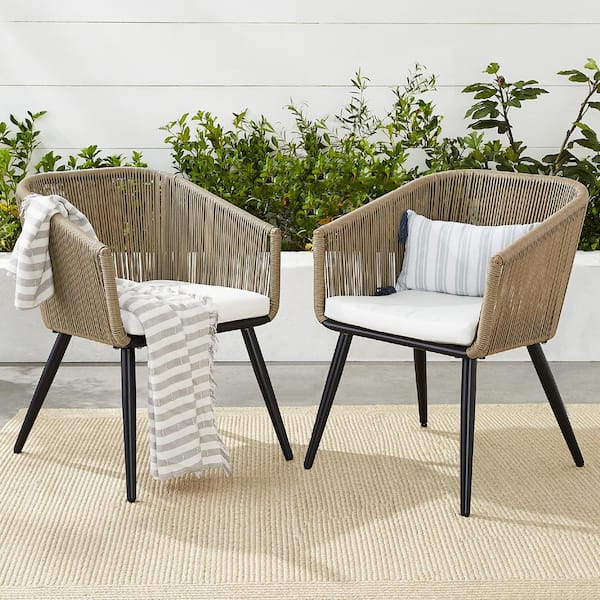
Outdoor wicker furniture should fit the natural surroundings. Choose earthy tones like brown, beige, or green. These colors blend with plants and trees. Look for weather-resistant materials to keep style intact. Designs can be casual and relaxed. Rounded edges and open weaves feel breezy outside. Add bright cushions for a pop of color. This makes your outdoor area look fresh and inviting.
Credit: www.homedepot.com
Budget Considerations
Budget plays a key role in choosing wicker furniture for indoor or outdoor use. Understanding costs helps you pick the best option without overspending. Consider both upfront prices and future expenses.
Think about how much you want to spend now and what fits your budget over time. This way, you avoid surprises and get good value.
Cost Differences
Indoor wicker furniture usually costs less than outdoor pieces. Indoor wicker uses lighter materials, which are cheaper. Outdoor wicker needs special coatings to resist weather damage. These coatings add to the price.
Outdoor furniture also requires stronger frames and weatherproof cushions. These features increase the overall cost. If your budget is tight, indoor wicker might be the smarter choice.
Long-term Investment
Outdoor wicker furniture lasts longer with proper care. It can handle sun, rain, and wind better than indoor wicker. This durability means fewer replacements and repairs.
Indoor wicker furniture may wear out faster if used outside. Choosing outdoor wicker might save money over several years. Think about how long you want your furniture to last.
Balance the initial price with how long the furniture will stay in good shape. This helps you make a smart budget decision.
Comfort And Functionality
Comfort and functionality are key when choosing wicker furniture. They affect how you enjoy your space. Both indoor and outdoor wicker pieces offer unique benefits. Knowing these helps pick the best fit for your needs.
Consider how the furniture feels to sit on and how well it suits your lifestyle. This way, your choice will enhance your comfort and daily use.
Seating Comfort
Indoor wicker furniture often has softer cushions for a cozy feel. These cushions support long hours of sitting. Outdoor wicker furniture uses weather-resistant cushions. They are firmer but dry quickly after rain. Check the cushion thickness and material. Choose what feels best for your space and use.
Furniture Versatility
Indoor wicker pieces blend well with many décor styles. They can fit in living rooms, sunrooms, or even bedrooms. Outdoor wicker furniture is designed to resist sun and rain. It works well on patios, decks, and gardens. Some pieces come with wheels or folding features. These add flexibility for moving or storing the furniture. Think about how you want to use each piece. Versatility can make your furniture more useful.
Safety And Health Factors
Choosing between indoor and outdoor wicker furniture means thinking about safety and health. This choice affects the air you breathe and your skin’s contact with furniture. Some wicker materials can cause allergies or release harmful chemicals. Knowing these risks helps you pick the best option for your home and family.
Allergen Potential
Wicker furniture can trap dust and pollen easily. Outdoor wicker often collects more dirt and allergens because of weather exposure. Indoor wicker tends to stay cleaner but can still gather dust. People with allergies should choose wicker with smooth finishes. These surfaces are easier to clean and cause fewer reactions.
Natural wicker may carry mold or spores if wet for long. Synthetic wicker resists moisture better and reduces mold risks. Regular cleaning lowers allergen buildup on any wicker furniture.
Material Toxicity
Some wicker furniture uses paints or coatings with chemicals. These chemicals might release harmful fumes, especially indoors. Check if the furniture is labeled as non-toxic or low-VOC. These options are safer for air quality inside the home.
Outdoor wicker is often treated to resist weather damage. These treatments can include chemicals that are not safe for skin contact. Look for eco-friendly or natural treatments to avoid health risks. Proper ventilation reduces exposure to any fumes from new furniture.
Frequently Asked Questions
What Are The Key Differences Between Indoor And Outdoor Wicker Furniture?
Indoor wicker furniture is lighter and less weather-resistant. Outdoor wicker is made from synthetic materials for durability. Outdoor pieces resist moisture, UV rays, and temperature changes. Indoor wicker focuses on style and comfort rather than weatherproofing.
How Do I Maintain Outdoor Wicker Furniture Properly?
Clean outdoor wicker with mild soap and water regularly. Avoid harsh chemicals that damage synthetic fibers. Cover furniture during rain or snow to extend lifespan. Store cushions indoors to prevent mold and fading.
Can Indoor Wicker Furniture Be Used Outside Temporarily?
Indoor wicker is not designed for outdoor use and may degrade quickly. Occasional outdoor use is fine if weather is dry. Avoid exposing indoor wicker to moisture or direct sunlight for long periods.
Which Wicker Material Is Best For Outdoor Durability?
Resin or synthetic wicker is best for outdoor use. It resists water, UV rays, and temperature changes. Natural wicker is prone to damage and not suitable outdoors. Choose resin wicker for long-lasting outdoor furniture.
Conclusion
Choosing between indoor and outdoor wicker furniture depends on your space and needs. Indoor wicker offers comfort and style for cozy rooms. Outdoor wicker resists weather and fits patios well. Think about where you will place the furniture most. Consider maintenance and durability too.
Pick the one that matches your lifestyle best. This way, your wicker furniture will last and look great. Enjoy your space with the right choice. Simple steps lead to smart decisions.

