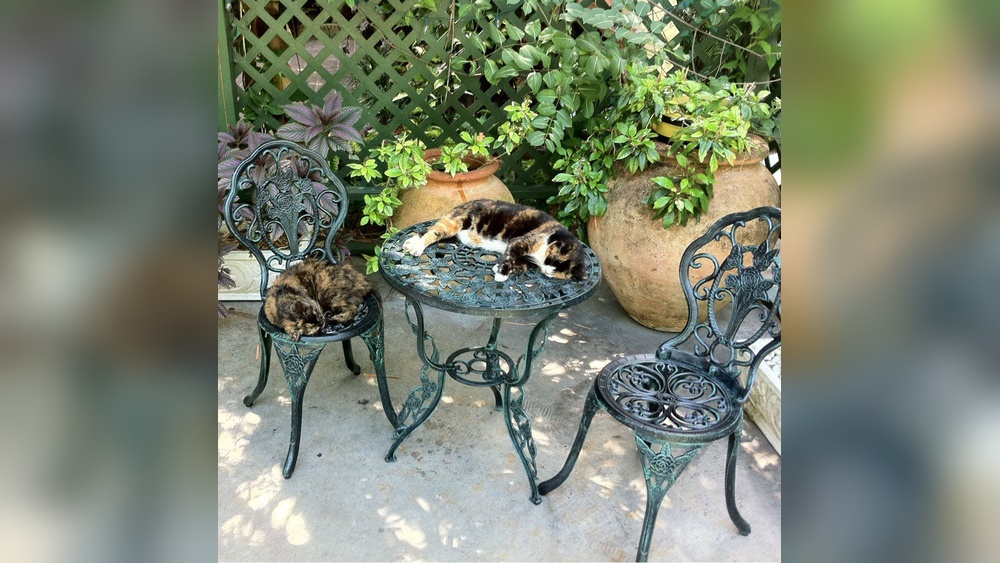
Are you tired of finding your outdoor furniture scratched, dirty, or covered in cat hair? If you have cats nearby, you know how frustrating it can be to keep your patio or garden looking neat.
The good news is, you don’t have to give up your beautiful outdoor space or spend a fortune on professional solutions. With a few simple DIY tricks, you can protect your furniture and enjoy your yard without worrying about curious cats.
Keep reading to discover easy, effective ways to keep cats off your outdoor furniture for good. Your peaceful, clean outdoor haven is just a few steps away!

Credit: jardina.com
Common Reasons Cats Target Outdoor Furniture
Cats often choose outdoor furniture as their favorite spot. They do this for several reasons. Understanding why cats target outdoor furniture helps to keep them away. This knowledge lets you protect your furniture and keep cats safe.
Scent Marking Behavior
Cats use scent to mark their territory. They rub their face and body on objects. Outdoor furniture holds their scent well. This behavior tells other cats that this is their area. It helps cats feel safe and confident.
Seeking Comfort And Shelter
Outdoor furniture offers soft and warm places to rest. Cats look for comfort in cushions or fabric. Furniture can also provide shelter from sun, wind, or rain. Cats enjoy these cozy spots for naps and relaxation.
Curiosity And Exploration
Cats are naturally curious animals. They explore new places around the house. Outdoor furniture is interesting to them. They like to climb, scratch, and hide there. This playful behavior helps them stay active and alert.
Natural Repellents To Deter Cats
Keeping cats off outdoor furniture can be tricky. Many pet owners want a gentle way to stop cats without harm. Natural repellents work well for this. They use smells cats dislike. These options are safe and easy to try at home. They help protect your furniture while keeping cats comfortable.
Citrus Peels And Essential Oils
Cats dislike the smell of citrus. Orange, lemon, and lime peels work well. Scatter fresh peels around furniture. Replace them often to keep the scent strong. Essential oils like lemon or orange oil also help. Mix a few drops with water in a spray bottle. Lightly spray around outdoor furniture. Avoid spraying directly on fabric or plants.
Vinegar Solutions
Vinegar has a sharp smell cats avoid. Mix equal parts of water and white vinegar. Use a spray bottle to apply the mixture. Spray the area around your outdoor furniture. The smell fades fast but keeps cats away. Reapply every few days for best results. Be careful not to spray on metal to avoid rust.
Herbs That Cats Avoid
Some herbs naturally repel cats. Rue, lavender, and rosemary work well. Plant these herbs near outdoor furniture. They add beauty and keep cats away. Dry herbs can also be placed in small cloth bags. Put the bags around chairs and tables. Cats will avoid the area because of the smell.
Physical Barriers For Furniture Protection
Physical barriers provide a solid way to keep cats off outdoor furniture. They stop cats from jumping, scratching, or resting on your furniture. Simple tools and materials create effective barriers.
These barriers do not harm cats. They gently discourage cats from entering certain areas. You can build them yourself with easy DIY steps.
Using Mesh Or Netting
Mesh or netting creates a physical block around furniture. It stops cats from climbing or jumping onto surfaces. Use plastic or metal mesh for durability.
Attach the mesh tightly around chairs, tables, or sofas. Make sure there are no gaps where cats can squeeze through. This barrier keeps furniture safe without changing its look much.
Covering With Plastic Sheeting
Plastic sheeting protects furniture surfaces from cat scratches and fur. Spread clear plastic sheets over cushions and seats. Secure edges with clips or tape to prevent slipping.
Cats dislike the slippery texture of plastic. This barrier stops them from sitting or scratching on your furniture. It is a cheap and quick DIY solution.
Installing Motion-activated Sprays
Motion-activated sprays deter cats using harmless water sprays. Place the device near your outdoor furniture. When a cat approaches, it sprays a quick mist.
The sudden spray surprises cats and teaches them to avoid the area. This barrier works without touching the cat. It helps keep your furniture clean and scratch-free.

Credit: www.polywood.com
Diy Cat Deterrent Devices
DIY cat deterrent devices offer simple ways to keep cats off your outdoor furniture. These methods use safe, gentle ideas to discourage cats from jumping or resting on your furniture. Making your own devices saves money and lets you customize the solution to your space.
Each device works by creating an unpleasant but harmless experience for cats. This teaches them to avoid the area without causing harm. Try different options to find what works best for your situation.
Homemade Noise Makers
Noise scares cats away. Create simple noise makers using cans filled with small stones. Hang them near your furniture. When a cat jumps, the cans shake and make noise. The sudden sound startles cats and stops them from returning.
You can also use wind chimes or old keys tied to strings. These make soft, unpredictable sounds. Cats dislike sudden noises. This method is quiet for you but effective for cats.
Water Spray Systems
Cats dislike water. A water spray system gently sprays water when cats approach furniture. Use a motion sensor or pressure plate to trigger the spray. This surprises cats and keeps them away.
You can build a simple system with a garden sprayer and a trigger device. Place it near your furniture but away from people. The light spray is safe and teaches cats to avoid the area.
Textured Surfaces To Discourage Landing
Cats prefer soft, smooth surfaces. Rough or uncomfortable textures stop them from landing. Place plastic carpet runners upside down on furniture. The pointy side feels strange to cats.
Aluminum foil and double-sided tape also work well. These textures make cats uncomfortable. They learn to avoid the furniture without harm. Change or remove the textures once cats stop visiting.
Training And Redirecting Cat Behavior
Training and redirecting your cat’s behavior helps protect outdoor furniture. Cats explore by climbing and scratching. Teaching them new habits stops damage and keeps them safe. This process takes patience and care. Cats respond well to gentle guidance and rewards.
Creating Alternative Play Areas
Provide spots where cats can climb and scratch safely. Use cat trees or scratching posts outside. Place toys to catch their interest. Choose areas with soft grass or sand for digging. These spots keep cats busy and away from furniture.
Positive Reinforcement Techniques
Reward your cat when it uses the right places. Give treats or gentle petting after good behavior. Use a calm voice to praise them. This helps cats learn what is allowed. Avoid punishment, as it can cause fear and confusion.
Consistency In Deterrent Use
Use the same methods every day to prevent confusion. Move cats gently away from furniture each time they climb. Keep deterrents like mats or sprays in place. Consistency helps cats understand boundaries clearly. This builds better habits over time.
Maintenance Tips For Long-term Success
Keeping cats off outdoor furniture requires steady effort. Maintenance is key to long-term success. Small, regular actions stop cats from returning. Consistency helps protect your furniture and garden space.
Regular Cleaning To Remove Attractants
Clean furniture often to remove food crumbs and scents. Cats are drawn to smells left on cushions or tables. Use mild soap and water to wash surfaces. Clear away dirt, fallen leaves, and spilled drinks. A clean area is less inviting for cats to explore.
Seasonal Adjustments
Change your approach with each season. In spring and summer, cats seek shade and cool spots. Cover furniture with waterproof covers to protect from rain and cat visits. In autumn, clear fallen leaves and debris quickly. Winter may need extra protection like storage or tarps. Adjustments keep furniture safe all year long.
Monitoring Cat Activity Patterns
Watch when cats visit your outdoor space. Note times of day and preferred spots. This helps plan when to clean or apply deterrents. Use motion-activated sprinklers or lights during active hours. Understanding cat habits prevents damage and keeps peace in your yard.

Credit: jardina.com
Frequently Asked Questions
How Can I Naturally Repel Cats From Outdoor Furniture?
Use citrus peels or coffee grounds on furniture surfaces. Cats dislike these scents, keeping them away without harm. Regularly replace these natural repellents for lasting effect.
What Diy Barriers Work To Keep Cats Off Furniture?
Place aluminum foil, double-sided tape, or plastic mats on furniture. These textures discourage cats from jumping or scratching, protecting your outdoor pieces effectively.
Are Homemade Sprays Effective In Deterring Cats?
Yes, sprays with vinegar, lemon juice, or essential oils like lavender repel cats. Spray furniture lightly, avoiding damage or strong odors, to keep cats at a distance.
Can Motion-activated Devices Keep Cats Off Outdoor Furniture?
Motion-activated sprinklers or ultrasonic repellents startle cats gently when they approach. These devices are humane, effective, and help maintain your furniture’s condition outdoors.
Conclusion
Keeping cats off outdoor furniture can be simple and effective. Use natural barriers and safe sprays to protect your space. Try placing items cats dislike, like citrus peels or aluminum foil. Regularly checking and adjusting your methods helps too. Patience is key; results come with time.
Enjoy your outdoor area without worrying about cats. Small efforts make a big difference. Your furniture stays clean and safe. A peaceful garden space is possible for everyone.
