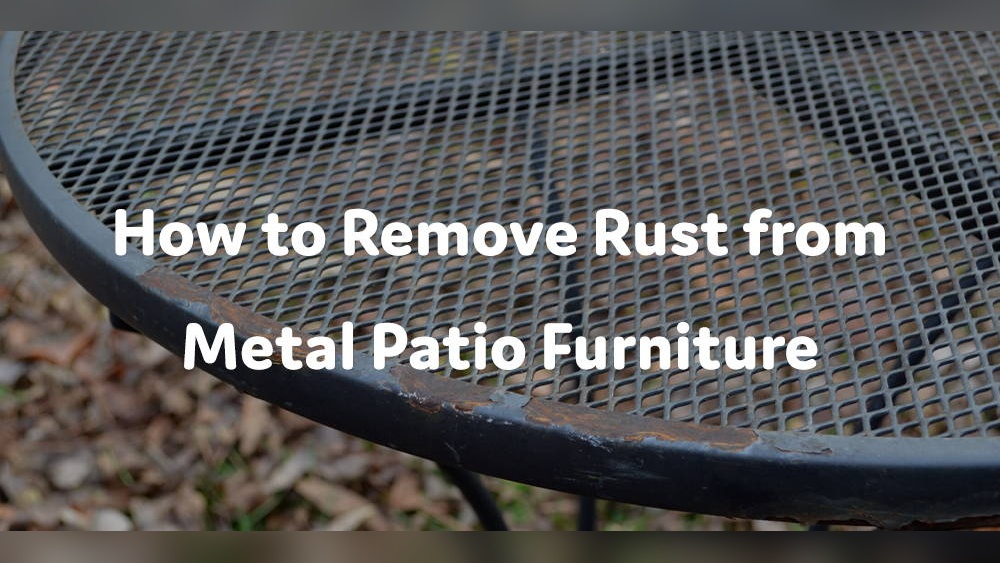
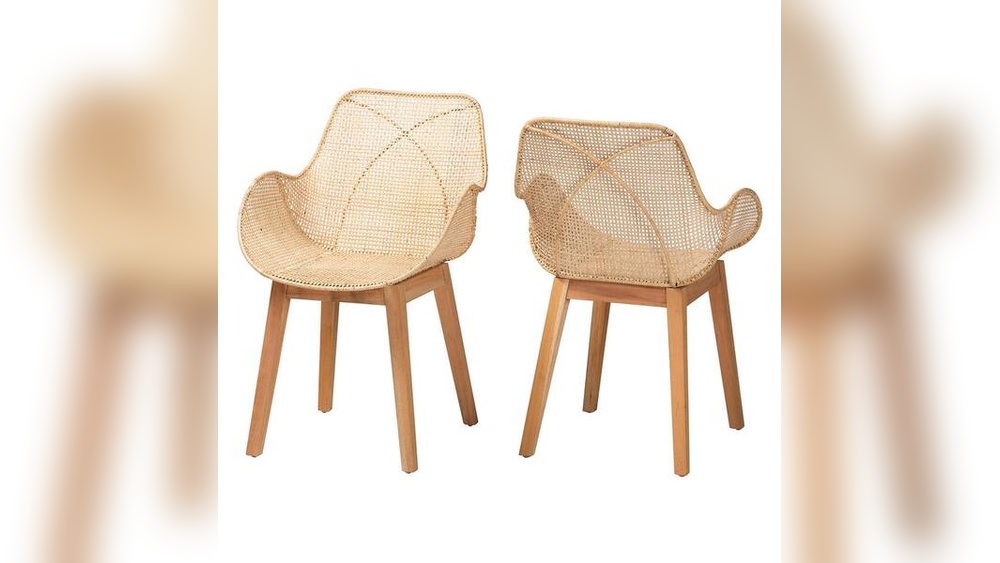
Are you tired of seeing your outdoor furniture fade, chip, or rust after just one season? Imagine if there was a simple way to protect your favorite pieces and keep them looking brand new year after year.
That’s where ecoating comes in. This innovative coating not only shields your furniture from harsh weather but also helps you make a greener choice for the planet. If you want to learn how ecoating can transform your outdoor space and save you money in the long run, keep reading—your furniture will thank you!
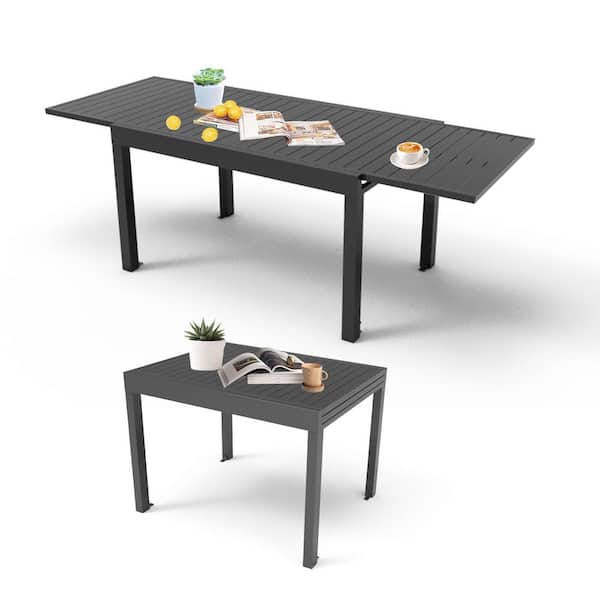
Credit: www.homedepot.com
Ecoating Basics
Ecoating plays a key role in protecting outdoor furniture. It helps furniture last longer and stay beautiful. Understanding the basics of ecoating helps you make better choices. This section explains what ecoating means and the types of materials used.
What Ecoating Means
Ecoating refers to applying a protective, eco-friendly layer on furniture. This coating shields the furniture from sun, rain, and dirt. It reduces damage caused by weather and daily use. The goal is to keep outdoor furniture strong and looking good. Ecoating also uses materials safe for the environment.
Types Of Ecoating Materials
Several materials serve as ecoatings for outdoor furniture. Water-based paints and stains are popular choices. They release fewer harmful chemicals into the air. Powder coatings offer a durable, chemical-free finish. Natural oils like linseed and teak oil protect wood naturally. Each material suits different furniture types and needs.
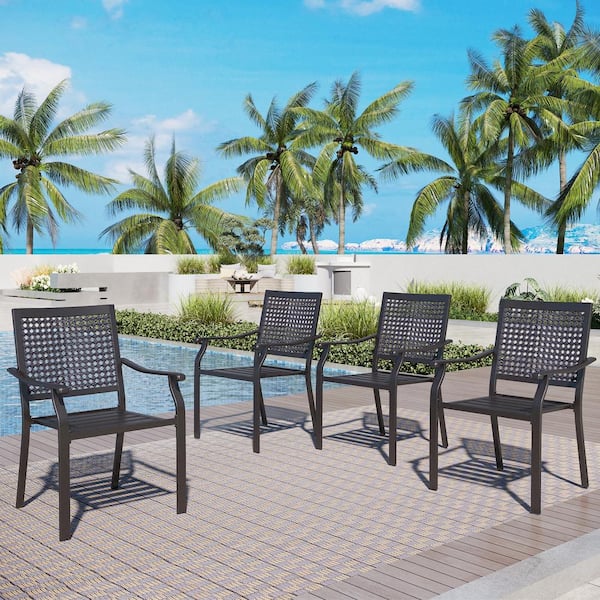
Credit: www.homedepot.com
Benefits For Outdoor Furniture
Ecoating adds great value to outdoor furniture. It protects and improves the furniture’s life. This coating is designed to handle tough outdoor conditions. It keeps furniture looking new and strong for a long time.
Many benefits come with using ecoating on outdoor furniture. These benefits make it a smart choice for anyone with outdoor spaces.
Weather Resistance
Ecoating creates a strong shield against rain, wind, and snow. It stops water from soaking into the furniture. This prevents swelling, warping, and rotting. The coating also helps against cold and heat damage. It keeps the furniture stable no matter the weather.
Uv Protection
Sunlight can fade colors and weaken materials. Ecoating blocks harmful UV rays from reaching the furniture. This keeps colors bright and fresh over time. It also protects the surface from cracking or peeling. The furniture stays attractive under the sun.
Durability Enhancement
Ecoating makes furniture tougher and more resistant to wear. It adds a hard layer that guards against scratches and dents. This helps furniture last longer even with daily use. The coating reduces the need for repairs and replacements. It saves money and effort over time.
Application Process
The application process of ecoating on outdoor furniture is simple but requires care. Proper steps help protect the furniture against weather damage. Following the right method ensures a smooth, durable finish that lasts longer.
Preparing Furniture Surface
Start by cleaning the furniture well. Remove dirt, dust, and old paint using a brush or sandpaper. Smooth surfaces help the coating stick better. Let the furniture dry fully before applying the ecoating.
Step-by-step Coating Guide
Apply the ecoating with a brush or spray. Use thin, even layers to avoid drips. Wait a few minutes between coats. Usually, two or three coats give the best protection. Work in a well-ventilated area for safety.
Drying And Curing Times
Allow the coating to dry for at least one hour between coats. After the final coat, let the furniture cure for 24 to 48 hours. Full curing makes the coating strong and weatherproof. Avoid using the furniture until it is fully cured.
Ecoating Maintenance Tips
Ecoating on outdoor furniture helps protect it from weather damage. Proper care keeps the coating strong and furniture looking new. Follow these tips to maintain your ecoating effectively.
Cleaning Without Damage
Use a soft cloth or sponge to clean ecoated surfaces. Avoid abrasive scrubbers that can scratch the coating. Mild soap and water work best for removing dirt. Rinse well and dry with a clean towel to prevent water spots.
Reapplying Coating
Check the furniture for signs of wear or fading in the coating. Light sanding can help the new coat stick better. Apply a thin, even layer of ecoating according to the product instructions. Let it dry fully before using the furniture again.
Troubleshooting Common Issues
Peeling or bubbling may happen if the surface was not clean before coating. Remove loose coating and clean the area well. Uneven color could be from applying too much coating at once. Thin layers and patience give the best results.
Choosing The Right Ecoating
Choosing the right ecoating for outdoor furniture matters a lot. It protects your furniture and helps the environment. Picking a suitable ecoating means thinking about the material, the impact on nature, and the price. Each factor plays a key role in the final choice.
Compatibility With Materials
Not all ecoatings work with every material. Wood, metal, and plastic need different types. Some ecoatings protect wood from moisture. Others prevent metal from rusting. Using the wrong ecoating can cause damage. Check the furniture material first. Then, select an ecoating made for it. This keeps your furniture safe and strong.
Environmental Impact
Ecoatings vary in how they affect nature. Some use natural ingredients. Others have chemicals that can harm soil and water. Choose ecoatings that are biodegradable or low in toxins. This helps reduce pollution. Caring for furniture and nature at the same time. A good ecoating balances protection with eco-friendliness.
Cost Considerations
Ecoatings come at different prices. Cheap ones may not last long. Expensive options often offer better durability. Think about how often you want to reapply the coating. A high-quality ecoating can save money over time. It reduces repairs and replacements. Match your budget with the ecoating’s benefits. Spend wisely to protect your outdoor furniture well.

Credit: www.amazon.com
Comparing Ecoating To Other Methods
Ecoating is a modern way to protect outdoor furniture. It offers different benefits compared to traditional methods. Understanding these differences helps you choose the best option for your furniture. Below, we compare ecoating with other common methods.
Traditional Paint Vs Ecoating
Traditional paint covers outdoor furniture with color and some protection. It often peels or fades due to sun and rain. Ecoating uses eco-friendly materials that stick better and last longer. It creates a thin, strong layer that resists cracks and chips. Paint may need frequent reapplication. Ecoating reduces this need, saving time and effort.
Sealants And Varnishes
Sealants and varnishes protect wood by creating a clear, shiny layer. They prevent water damage but wear off quickly under harsh weather. Ecoating provides a more durable shield. It seals pores and blocks moisture deeper inside. Sealants often require sanding before reapplication. Ecoating maintains a smooth finish with less maintenance.
Long-term Performance
Ecoating is designed to last many years outdoors. It resists UV rays, rain, and temperature changes. Traditional paints and sealants break down faster and need more care. Ecoating reduces cracks, peeling, and fading over time. This means your furniture stays beautiful longer. It also lowers the need for chemicals, helping the environment.
Frequently Asked Questions
What Is Ecoating On Outdoor Furniture?
Ecoating is an eco-friendly coating that protects outdoor furniture from weather damage. It uses non-toxic materials to enhance durability. This coating helps furniture resist water, UV rays, and rust, extending its lifespan while being environmentally safe.
How Does Ecoating Benefit Outdoor Furniture?
Ecoating improves furniture durability by providing a protective, weather-resistant layer. It prevents fading, cracking, and corrosion. This coating requires low maintenance and keeps furniture looking new longer, making it a cost-effective and sustainable choice for outdoor pieces.
Is Ecoating Safe For The Environment?
Yes, ecoating uses environmentally friendly materials without harmful chemicals. It reduces pollution and waste by extending furniture life. Choosing ecoating supports sustainable practices and minimizes your outdoor furniture’s ecological footprint.
Can Ecoating Be Applied To All Outdoor Furniture Types?
Ecoating is versatile and works well on wood, metal, and plastic furniture. However, surface preparation varies by material. It’s important to follow specific application guidelines for the best protection and durability results.
Conclusion
Ecoating helps protect outdoor furniture from weather damage. It keeps furniture looking new for longer. This coating resists water, dirt, and sun exposure. It also makes cleaning furniture easier. Using ecoating saves money by reducing repairs. Choose ecoating for durable, low-maintenance outdoor pieces.
It adds value and extends furniture life. Simple to apply and good for the environment too. A smart choice for anyone with outdoor furniture. Protect and enjoy your furniture with ecoating.