Thinking about adding a bunk bed to your room? One big question you might have is, how much space do you really need above the top bunk?
Getting this right is super important for comfort and safety. If the space is too tight, you could feel cramped or even risk bumping your head. But if there’s too much space, the room might feel awkward or less cozy.
You’ll discover the perfect amount of room needed above a bunk bed to keep your space safe, comfortable, and just right. Keep reading to make sure your new bunk bed fits perfectly in your room!
Ideal Clearance Above Bunk Beds
Choosing the right space above a bunk bed is important for safety and comfort. The ideal clearance helps prevent accidents and allows easy movement. It also ensures the person on the top bunk does not feel cramped or stuck. Proper space makes the bunk bed more enjoyable to use.
Recommended Distance For Safety
The safety distance above a bunk bed should be at least 30 inches. This space helps prevent head injuries when sitting up. It also reduces the risk of bumping into the ceiling or light fixtures. Safety experts suggest keeping at least 36 inches if possible. This extra room adds a buffer for taller sleepers and taller ceilings.
Comfort And Movement Considerations
A minimum of 30 inches clearance allows easy sitting and moving on the top bunk. More space creates better air flow and reduces feelings of being closed in. It also helps when making the bed or getting in and out. For taller users, 36 inches or more improves comfort and freedom of movement.
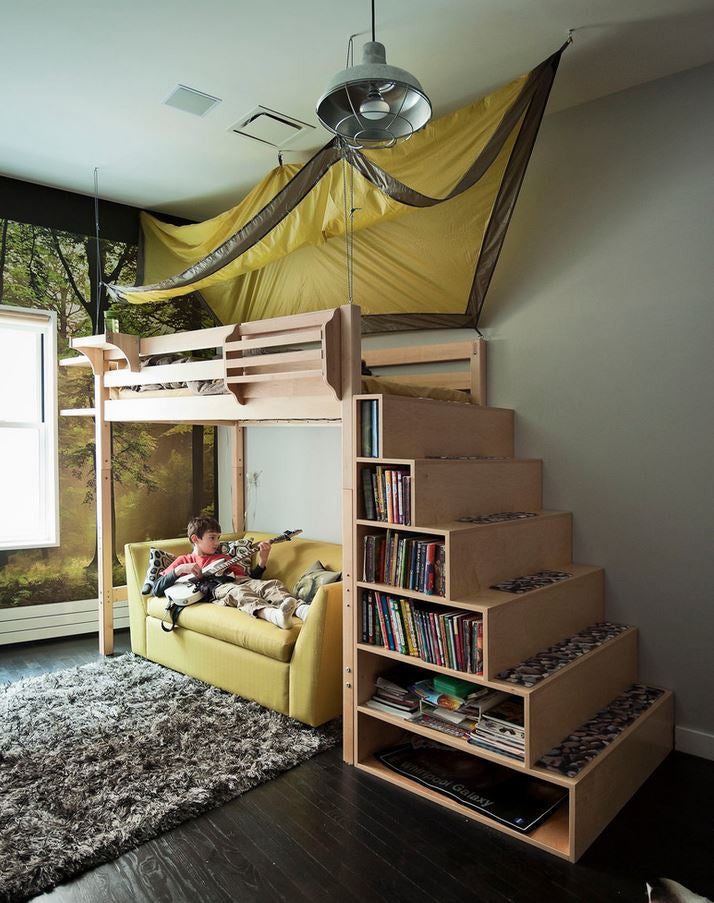
Credit: quickzip.com
Factors Influencing Space Requirements
Space above a bunk bed depends on many factors. These factors affect comfort and safety. Understanding them helps you choose the right bed and room setup.
Ceiling Height Variations
Ceiling height changes how much space you need above the top bunk. Low ceilings need more careful planning. A taller ceiling allows more room to sit up safely. Measure your room’s height before buying a bunk bed.
Bunk Bed Design Differences
Bunk beds come in many shapes and sizes. Some have thicker frames or built-in storage. Loft-style beds raise the top bunk higher than traditional designs. These changes affect the space needed above the bed. Check the bed’s total height before choosing.
Age And Height Of Occupants
Older or taller occupants need more headroom. Kids need less space to sit up comfortably. Adults require extra space to avoid bumping their heads. Consider who will use the top bunk to decide the right clearance.
Measuring Your Space Accurately
Measuring your space accurately is the first step to installing a bunk bed safely and comfortably. Knowing the exact height and width above the bed helps avoid hitting the ceiling or feeling cramped. Taking careful measurements ensures enough room for sitting up and moving around.
It also helps pick the right bunk bed size for your room. Measure twice to be sure. This simple task saves time and avoids costly mistakes.
Tools Needed For Measurement
Use a tape measure or a laser distance measurer for best results. A step stool or ladder may help reach higher spots. A pencil and paper are useful to note down numbers. A level tool ensures straight measurements on walls or ceilings.
Tips For Precise Measurement
Measure from the floor to the ceiling directly above the bed. Check the distance between the top bunk and ceiling. Add extra space for comfort, about 30 to 36 inches. Measure twice or thrice for accuracy. Keep measurements in inches or centimeters consistently. Avoid measuring over furniture or obstacles. Write down every number clearly to avoid confusion later.
Maximizing Vertical Space In Small Rooms
Maximizing vertical space in small rooms is key to creating a comfortable sleeping area. Bunk beds help use the height of the room instead of the floor. This frees up space for other furniture or play areas. Planning the space above a bunk bed carefully keeps the room open and safe. It also makes the room feel larger and less crowded.
Choosing Low-profile Bunk Beds
Low-profile bunk beds are shorter than standard ones. They leave more space between the top bed and the ceiling. This helps reduce the risk of bumping heads. Low-profile beds fit well in rooms with low ceilings. They still offer the benefit of two sleeping spaces. Choosing this type of bunk bed makes the room feel less cramped.
Alternative Bed Arrangements
Consider arranging beds differently to save vertical space. Loft beds lift the top bed higher, creating space underneath. Use the space below for desks, storage, or play areas. Another option is a trundle bed that slides under the bottom bunk. These choices keep the floor open and add function. Alternative arrangements adapt to small rooms with limited height.
Safety Tips For Bunk Bed Placement
Safety is key when placing a bunk bed in any room. Proper spacing and careful setup help avoid accidents. Follow these simple tips to keep the bunk bed area safe and comfortable.
Avoiding Head Injuries
Keep enough space between the top bunk and the ceiling. At least 30 inches is best to prevent bumps. Teach children to sit up slowly on the top bunk. This habit helps avoid hitting their heads.
Proper Guardrail Height
Guardrails stop falls from the top bunk. The guardrail should be at least 5 inches above the mattress. Check that the rails cover the whole side of the bed. This ensures children cannot roll off during sleep.
Ensuring Stable Installation
Place the bunk bed on a flat, firm floor. Use all screws and bolts provided in the kit. Tighten them well to avoid wobbling. Test the bed’s stability before regular use. A steady bed helps prevent tipping accidents.
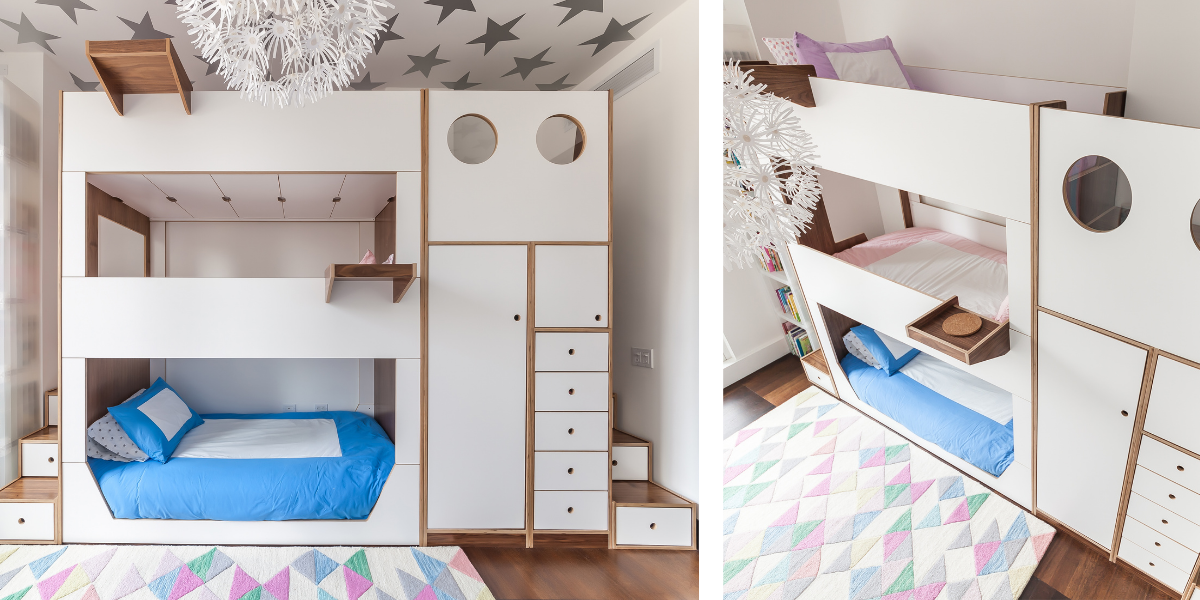
Credit: casakids.com
Additional Space-saving Ideas
Finding space above and around a bunk bed is just the start. You can save even more room with smart ideas. These ideas help keep the area tidy and useful. Small changes can make a big difference in a small room.
Under-bed Storage Solutions
Use the space under the bottom bunk for storage. Boxes or drawers fit well here. Store clothes, toys, or books to clear other shelves. Choose clear bins to find items quickly. Rolling containers make cleaning easy. This space often goes unused but holds a lot.
Wall-mounted Lighting Options
Wall lights save space on nightstands or floors. Clip-on lamps or small sconces work great. They give enough light for reading or tasks. Choose lights with adjustable arms for comfort. Plug-in models avoid hard wiring. Wall lights keep the floor clear and open.

Credit: www.maxtrixkids.com
Frequently Asked Questions
How Much Space Is Needed Above A Bunk Bed?
A minimum of 30 inches (76 cm) between the top bunk mattress and ceiling is recommended. This ensures safety and comfort when sitting up.
Why Is Headroom Important Above A Bunk Bed?
Adequate headroom prevents injuries and improves comfort. It allows users to sit up without hitting their heads on the ceiling or fixtures.
Can Ceiling Height Affect Bunk Bed Placement?
Yes, ceiling height limits bunk bed installation. Low ceilings may require lower bunk beds or alternative sleeping arrangements for safety.
How To Measure Clearance Above A Bunk Bed?
Measure from the top mattress surface to the lowest ceiling point above. Ensure at least 30 inches of space for safe clearance.
Conclusion
Choosing the right space above a bunk bed keeps safety and comfort in mind. Allow enough room for sitting up without hitting the ceiling. Around 30 to 36 inches usually works well. Too little space feels cramped and unsafe. Too much space wastes room in small bedrooms.
Measure carefully before buying or building. Proper space makes the bunk bed more enjoyable and practical. Small details matter for a good night’s sleep. Your family will thank you for thinking it through.