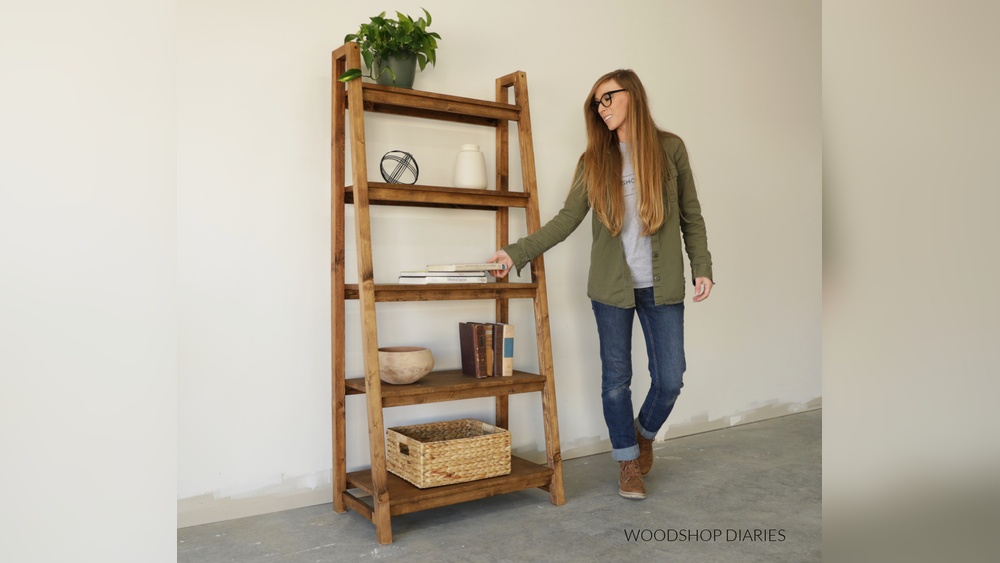
Are you thinking about adding a built-in bookshelf to your home? You probably want to know exactly how much it will cost before making any decisions.
Whether you’re dreaming of a cozy reading nook or a stylish way to display your favorite books and decor, understanding the price is key. You’ll discover the real costs behind built-in bookshelves, what factors affect the price, and how to get the best value for your investment.
Keep reading to find out what you need to budget for your perfect bookshelf!
Factors Affecting Bookshelf Cost
Several factors influence the cost of a built-in bookshelf. Understanding these can help plan your budget well. Each element adds to the final price in different ways. Let’s explore the main factors that affect the cost.
Materials And Finishes
The choice of materials impacts cost greatly. Solid wood is more expensive than plywood or MDF. Exotic woods cost more than common types like pine. Finishes like paint or stain add to the price. High-quality finishes require more labor and materials.
Size And Dimensions
Larger bookshelves need more materials and time. Taller or wider units cost more to build. Custom dimensions that fit odd spaces may increase labor. Standard sizes usually cost less than custom sizes.
Design Complexity
Simple designs with straight lines cost less. Intricate designs with molding or carvings raise prices. Built-in shelves with doors or lighting add to costs. More complex work requires skilled craftsmen and more time.
Installation Requirements
Wall preparation affects installation cost. Removing old shelves or fixing walls adds expense. Anchoring heavy units to studs can increase labor. Electrical work for lighting also raises costs.
Location And Accessibility
Hard-to-reach places cost more to install. Tight or cramped spaces slow down work. Remote locations may add travel fees. Easy access speeds up installation and lowers cost.

Credit: www.homelight.com
Cost Breakdown By Material
Understanding the cost of a built-in bookshelf starts with the materials used. Different materials affect both price and style. Knowing the cost breakdown helps plan your budget better.
Wood Types And Prices
Wood is the most popular material for built-in bookshelves. Common types include pine, oak, maple, and cherry. Pine is the cheapest option, costing about $50 to $100 per linear foot. Oak and maple are mid-range, ranging from $100 to $200 per linear foot. Cherry and other hardwoods are pricier, often $200 or more per linear foot. The wood type affects durability and look.
Metal And Glass Options
Metal and glass shelves offer a modern style. Metal frames usually cost between $150 to $300 per linear foot. Glass shelves add elegance but require strong support. Glass costs vary, typically $100 to $250 per linear foot. These materials need careful installation, which can add to the total price.
Custom Vs Prefabricated Materials
Custom materials are made to fit your space perfectly. These usually cost more because of design and labor. Prefabricated materials come in standard sizes and are cheaper. Prefab shelves cost about $75 to $150 per linear foot. Custom shelves start around $200 per linear foot and can go higher. Your choice affects the final cost and style.
Size And Style Impact On Price
The size and style of a built-in bookshelf greatly affect its cost. Larger shelves use more materials and take longer to build. Complex designs need skilled labor and special finishes. Choosing the right size and style can help manage your budget.
Small Vs Large Bookshelves
Small bookshelves cost less due to fewer materials. They fit in tight spaces and serve basic storage needs. Large bookshelves require more wood and hardware. They offer more storage but increase labor costs. Size impacts price directly.
Traditional Vs Modern Designs
Traditional designs often include detailed moldings and trims. These details require extra craftsmanship and time. Modern designs focus on clean lines and simplicity. They usually cost less to build. Style choice influences the final price.
Built-in Vs Modular Units
Built-in bookshelves are custom-made for your space. They need precise measurements and more installation work. Modular units come in pre-made pieces and are easier to assemble. Custom built-ins generally cost more than modular options.
Labor And Installation Costs
Labor and installation costs make up a large part of the total price for built-in bookshelves. These costs depend on who does the work, where you live, and the complexity of the project. Understanding these factors helps you plan your budget better.
Diy Vs Professional Installation
Installing a built-in bookshelf yourself saves money. It costs only tools and your time. But it needs skills and patience. Mistakes can be costly. Hiring a professional costs more. They bring experience and tools. They finish the job faster and with fewer errors. Professionals also ensure the shelves are safe and strong.
Regional Labor Price Variations
Labor costs differ by location. Big cities usually have higher prices. Rural areas often have lower rates. Local demand and cost of living affect prices too. Check local rates before deciding. This helps avoid surprises in your budget.
Additional Services And Customization
Extra services add to labor costs. Moving furniture or wall prep takes time. Custom designs need more skill and work. Adding lighting or special finishes also raises prices. Discuss all needs with your installer to get accurate quotes.
Hidden Costs To Consider
Building a custom bookshelf may seem straightforward. The price tag on materials and labor is just the start. Several hidden costs can raise the final bill. Being aware helps you plan your budget better.
Wall Preparation And Repairs
Before installing a built-in bookshelf, walls need checking. Old walls may have cracks or holes. Fixing these issues adds to the cost. Sometimes, extra work is needed to make walls strong enough. This step protects your investment and ensures safety.
Permits And Regulations
Some areas require permits for built-in furniture. Rules vary depending on your location. Getting permits takes time and money. Ignoring this can lead to fines or removal of the shelf. Always check local rules before starting the project.
Maintenance And Upkeep Expenses
Built-in bookshelves need care over time. Dusting and cleaning keep them looking good. Wood shelves may need polishing or sealing. Repairs for scratches or loose parts can add costs. Planning for upkeep saves money later.
Credit: www.bobvila.com
Average Price Ranges In 2026
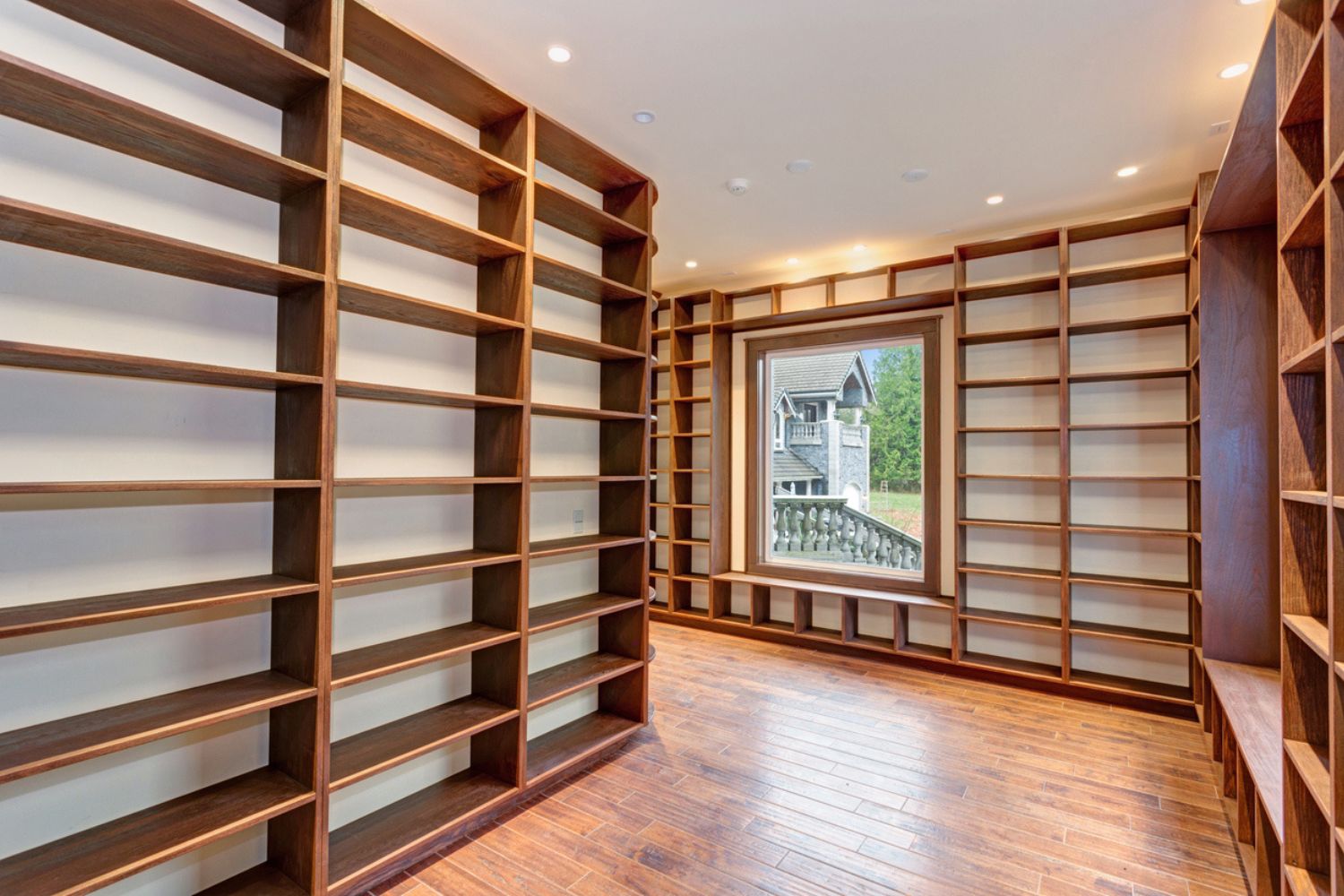
Built-in bookshelves add charm and storage to any room. Costs vary widely based on size, materials, and design. Understanding average price ranges in 2026 helps plan your budget. This guide breaks down typical costs for different types of built-in bookshelves.
Budget-friendly Options
Basic built-in bookshelves usually cost between $500 and $1,500. These often use simple wood or MDF materials. Prefabricated shelves and DIY kits fall in this range. Labor costs are lower since designs are simple. These options suit small rooms or tight budgets.
Mid-range Solutions
Mid-range built-in bookshelves range from $1,500 to $4,000. They feature better wood like oak or maple. Custom sizes and moderate detailing increase the price. Installation is more involved, requiring skilled carpenters. These shelves balance quality and cost for most homes.
Luxury And Custom Builds
Luxury built-ins start at $4,000 and can exceed $10,000. High-end wood, intricate designs, and built-in lighting raise costs. Custom cabinetry and unique shapes add to the price. These are perfect for large spaces or premium homes. Expect long timelines and expert craftsmanship.
Tips For Budgeting Your Bookshelf Project
Budgeting your built-in bookshelf project helps avoid surprises. Careful planning saves money and stress. Focus on key areas to keep costs manageable and results satisfying.
Setting Realistic Expectations
Know what fits your budget before starting. Custom designs cost more than simple ones. Size, style, and finish affect the price. Choose a design that matches your needs and wallet. Avoid expensive extras that add little value.
Choosing Cost-effective Materials
Materials impact the total cost significantly. Solid wood is beautiful but pricey. Look for good-quality plywood or MDF as cheaper options. Paint or stain can change the look without extra cost. Hardware like handles and hinges also affects the budget. Pick simple, durable options.
Planning For Future Upgrades
Think about changes you might want later. Building with flexibility saves money over time. Leave space for extra shelves or lighting. Use screws instead of nails to allow easy changes. Upgrades done later can be more affordable and less disruptive.

Credit: homeguide.com
Frequently Asked Questions
How Much Does A Standard Built-in Bookshelf Cost?
A standard built-in bookshelf typically costs between $1,000 and $3,000. The price varies based on size, materials, and labor. Custom designs and high-quality wood increase the cost. Installation complexity also affects the final price. Budget accordingly for added features or finishes.
What Factors Influence Built-in Bookshelf Costs?
Key cost factors include size, material type, and design complexity. Custom cabinetry and premium wood raise prices. Labor rates and installation difficulty also impact costs. Additional features like lighting or glass doors increase expenses. Location and contractor rates further affect the total cost.
Are Custom Built-in Bookshelves More Expensive?
Yes, custom built-in bookshelves cost more than pre-made options. Customization involves tailored design, unique materials, and skilled labor. This raises both material and installation costs. However, custom shelves offer better fit and aesthetics. They also add more value to your home.
Can Diy Built-in Bookshelves Reduce Costs?
DIY built-in bookshelves can significantly reduce labor expenses. You save money by handling the installation yourself. However, material and tool costs remain. Skill level affects quality and final appearance. Consider time investment and potential mistakes before choosing DIY.
Conclusion
A built-in bookshelf cost depends on size, materials, and design. Simple shelves cost less, while custom options are pricier. Planning your budget helps avoid surprises later. Think about how much space you need and the style you want. Investing in quality ensures your bookshelf lasts long.
A well-made shelf adds value and charm to your home. Choose wisely and enjoy your new storage solution.