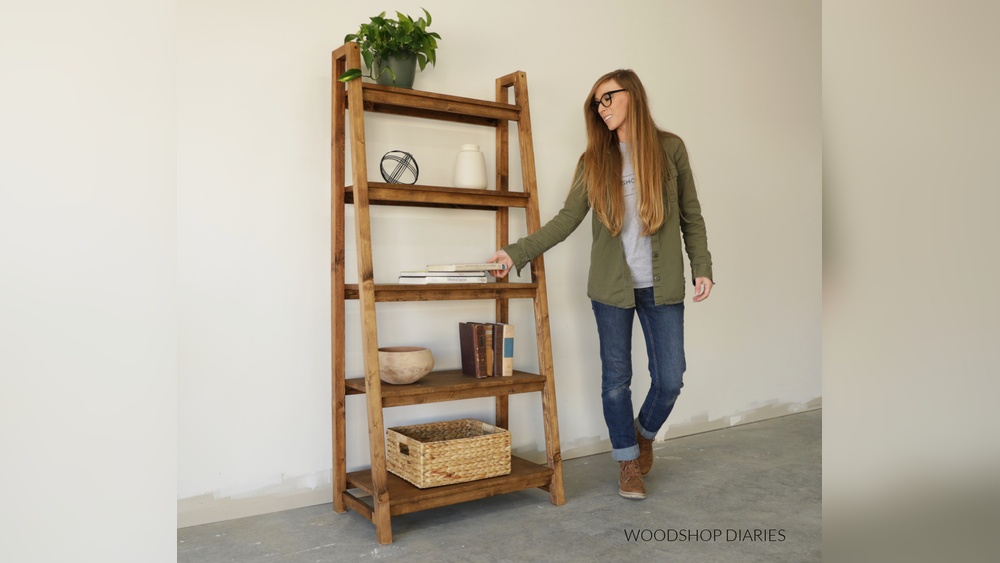
You’ve invested in a beautiful ladder bookshelf, and it’s the perfect addition to your space. But have you thought about how to keep it safe and secure?
An unstable bookshelf can easily tip over, risking your books, décor, and even your safety. In this guide, you’ll discover simple, effective ways to secure your ladder bookshelf so it stays steady and looks great. Keep reading to protect your space and enjoy your bookshelf worry-free.

Credit: ikeahackers.net
Choosing The Right Ladder Bookshelf
Choosing the right ladder bookshelf is important for safety and style. A sturdy bookshelf holds your books well and fits your room. This section helps you pick a ladder bookshelf that stays secure and looks great.
Material And Build Quality
Wood is strong and classic. It holds weight well and lasts long. Metal is modern and durable but can be heavy. Check the joints and screws. Tight and well-made parts mean better stability. Avoid cheap materials that bend or break easily.
Size And Weight Considerations
Measure your space before buying. A tall bookshelf needs a wide base for balance. Lighter shelves may tip over easily. Heavy shelves stay put but need strong walls for support. Choose a size that fits your room and holds your books safely.
Design Features For Stability
Look for shelves with wide bases or extra support bars. Some ladder bookshelves have wall anchors or straps for safety. Non-slip feet prevent sliding on smooth floors. Angled shelves often lean back slightly for better balance. These features keep your bookshelf steady and secure.

Credit: www.amazon.com
Safe Placement And Setup
Setting up a ladder bookshelf safely is important to prevent accidents. Proper placement helps keep the shelf steady and secure. Follow these steps to place and set up your ladder bookshelf safely.
Selecting A Stable Surface
Choose a flat and firm surface for your ladder bookshelf. Uneven floors can cause the shelf to wobble or tip over. Avoid placing it on thick carpets or soft rugs. Hard floors like wood or tile are best. This ensures your shelf stays balanced and safe.
Positioning Against The Wall
Place the ladder bookshelf so its back rests against a wall. This adds extra support and stops it from falling forward. Use wall anchors or brackets for more security. Check that the wall is strong enough to hold the shelf’s weight. A firm wall keeps your shelf stable.
Avoiding High-traffic Areas
Keep the ladder bookshelf away from busy walkways and doors. High-traffic spots increase the risk of bumping into the shelf. This can cause items to fall or the shelf to tip. Place it in a quiet corner or along a wall with little movement. This reduces accidents and keeps your space safe.
Anchoring And Securing Methods
Anchoring and securing a ladder bookshelf is key to keeping it stable and safe. Many ladder bookshelves are tall and narrow. This shape makes them easy to tip over. Securing them to the wall stops accidents. It also protects children and pets around the home. Various methods exist to keep your shelf steady. Each method uses simple tools and materials. Choose one that fits your space and skill level.
Using Wall Anchors And Brackets
Wall anchors and brackets are common tools for securing bookshelves. First, find a sturdy wall stud behind the shelf. Use a stud finder for this step. Attach metal brackets to the back of the bookshelf. Then screw the brackets into the wall studs. This method holds the shelf firmly in place. Wall anchors work well for drywall without studs. They expand inside the wall to hold screws tightly. This method adds strong support and stops shelf movement.
Tension Rods And Anti-tip Straps
Tension rods fit between the floor and ceiling. Place them behind the bookshelf for extra support. These rods push against surfaces to hold the shelf steady. Anti-tip straps connect the shelf to the wall. They use adjustable straps and screws. Attach one end to the shelf and the other to the wall stud. Tighten the straps to prevent tipping. Both tension rods and straps are easy to install. They work well in homes with children or pets.
Diy Securing Solutions
DIY methods use common household items to secure shelves. For example, heavy-duty Velcro strips can stick the shelf base to the floor. Rubber pads or non-slip mats placed under the shelf stop sliding. You can also use rope or bungee cords to tie the shelf to nearby furniture. These solutions add safety without drilling holes. They are simple and affordable. DIY options suit renters or those avoiding wall damage.

Credit: www.walmart.com
Load Distribution And Shelf Organization
Load distribution and shelf organization play a key role in securing a ladder bookshelf. Properly placing items helps keep the shelf stable and safe. Organizing your books and objects carefully also makes the shelf look neat and tidy.
Understanding how to balance weight and arrange items prevents tipping or collapsing. This section explains simple ways to keep your ladder bookshelf secure by managing load and order.
Balancing Weight Evenly
Place items evenly across each shelf. Avoid putting all heavy objects on one side. Spread weight to keep the shelf steady. Uneven weight can cause the shelf to lean or fall.
Heaviest Items On Lower Shelves
Put the heaviest books and objects on the bottom shelves. This lowers the center of gravity. A low center of gravity improves shelf stability. Light items belong on the top shelves to avoid toppling.
Avoiding Overloading
Do not place too many heavy books on one shelf. Check the shelf’s weight limit before adding objects. Overloading can cause shelves to bend or break. Keep the load within safe limits for lasting security.
Routine Maintenance And Safety Checks
Routine maintenance and safety checks keep your ladder bookshelf stable and safe. Regular care prevents accidents and extends the shelf’s life. Small problems become big issues without checks. Set a schedule to inspect and maintain your bookshelf.
Inspecting For Wear And Damage
Look closely at the wood and shelves. Check for cracks, splits, or warping. Notice any loose or broken parts. Pay attention to the joints where shelves meet the frame. Damaged areas can cause collapse or injury. Replace or repair damaged parts quickly.
Tightening Screws And Fittings
Over time, screws and fittings can loosen. Use a screwdriver to tighten all screws. Do not overtighten to avoid damaging the wood. Check brackets and bolts securing the shelves. Tight fittings keep the shelf sturdy and safe.
Updating Anchors As Needed
Anchors hold the bookshelf to the wall and prevent tipping. Check anchors for rust, looseness, or damage. Replace old or weak anchors immediately. Use strong wall anchors suitable for your wall type. Secure anchors reduce the risk of accidents.
Additional Safety Tips
Securing your ladder bookshelf is not only about anchoring it to the wall. There are extra steps you can take to make it safer for everyone. These additional safety tips help prevent accidents and keep your space secure.
Childproofing The Bookshelf
Use corner guards on sharp edges to protect little ones. Keep heavy or breakable items out of reach. Place the most used books on lower shelves. Teach children not to climb the bookshelf.
Using Non-slip Pads
Place non-slip pads under the bookshelf legs. These pads stop the shelf from sliding on smooth floors. They add stability and reduce the risk of tipping over. Choose pads that match your floor type for best results.
Educating Household Members
Talk to everyone about the importance of safety around the bookshelf. Explain how to use it carefully and avoid climbing. Remind guests to watch their step near the shelf. Regularly check that the bookshelf stays secure and stable.
Frequently Asked Questions
How Do I Anchor A Ladder Bookshelf To The Wall?
Use brackets or wall anchors to secure the top of the bookshelf. Locate studs with a stud finder for strong support. Screw brackets firmly into the studs to prevent tipping and enhance stability.
What Tools Are Needed To Secure A Ladder Bookshelf?
You will need a drill, screws, wall anchors, brackets, a stud finder, and a level. These tools ensure safe and precise installation to keep the bookshelf stable.
Can I Secure A Ladder Bookshelf On Drywall Alone?
Drywall alone is not strong enough. Always use wall anchors or locate studs for secure attachment. This prevents accidents and ensures your bookshelf stays firmly in place.
Is It Necessary To Secure A Ladder Bookshelf?
Yes, securing a ladder bookshelf prevents tipping hazards. It protects children and pets and keeps your books safe. Stability is key for safety and peace of mind.
Conclusion
Securing your ladder bookshelf keeps it safe and steady. Use wall anchors or brackets to stop tipping. Check the stability regularly to avoid accidents. Place heavy items on lower shelves for balance. Take time to follow these simple steps carefully.
A secure bookshelf protects your books and your space. Safety matters, especially in busy or small rooms. Keep your home safe with a stable ladder bookshelf.