
Are you planning to buy or build a bookshelf but unsure about the right length in centimeters? Knowing the exact size can make all the difference in fitting your favorite books perfectly and making the most of your space.
You’ll discover the common bookshelf lengths and how to choose the best one for your needs. By the end, you’ll feel confident about picking the perfect bookshelf size that matches your room and style. Keep reading to find out what measurements truly matter for your bookshelf!
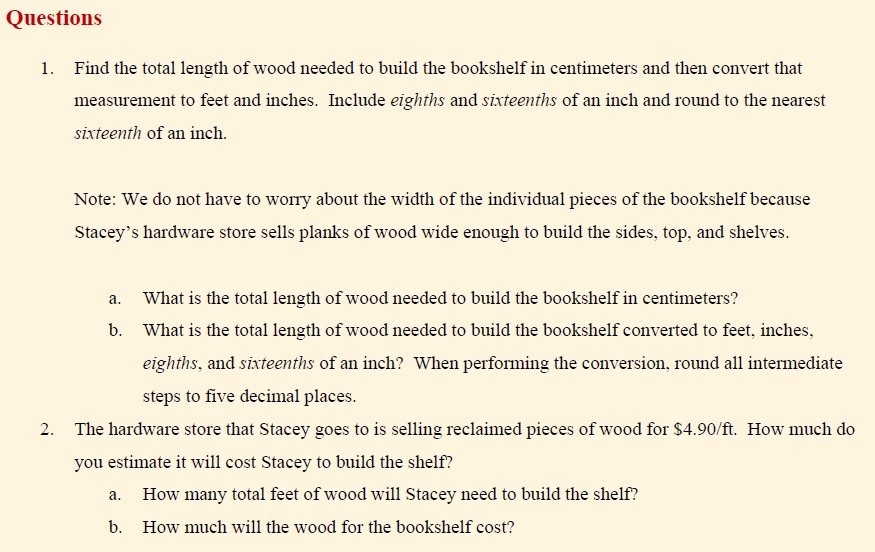
Credit: www.chegg.com
Standard Bookshelf Sizes
Standard bookshelf sizes help you find the right fit for your space. Knowing these sizes makes it easier to choose or build a bookshelf. Sizes vary, but some measurements are common in most homes and offices.
Common Height Dimensions
Bookshelves usually range from 120 cm to 180 cm tall. Shorter shelves fit under windows or desks. Taller shelves make use of vertical space in rooms. Heights around 150 cm are popular for balance.
Typical Width Variations
Widths often range between 60 cm and 90 cm. Narrow shelves suit small spaces or corners. Wider shelves hold more books but need more room. A width of 80 cm is common for many bookshelves.
Standard Depth Measurements
Depths usually measure 25 cm to 35 cm. A 30 cm depth fits most book sizes comfortably. Shallower shelves work well for magazines and small items. Deeper shelves can hold larger books or decorations.

Credit: wallniture.com
Factors Affecting Bookshelf Length
The length of a bookshelf depends on several key factors. These factors help determine the perfect size for your needs. Choosing the right length ensures the shelf fits well and holds your items properly.
Room Size And Space
The size of your room affects bookshelf length greatly. Small rooms need shorter shelves to avoid crowding. Larger rooms allow for longer shelves that hold more items. Measure your available wall space before deciding on length.
Type Of Books And Items
Different books and items need different shelf lengths. Tall books require taller and sometimes longer shelves. If you store decorations or files, consider the width and length to fit them comfortably. Think about the size of your collection now and in the future.
Design And Style Preferences
Your taste in design affects shelf length choice. Minimalist styles often use shorter, simpler shelves. Traditional or built-in styles may use longer shelves that cover more wall space. Choose a length that matches your room’s look and your personal style.
Custom Bookshelf Lengths
Custom bookshelf lengths offer a perfect fit for any space. Not all rooms have standard wall sizes. A custom bookshelf can match your exact needs. This helps maximize storage and keeps your room tidy.
Choosing custom lengths lets you create unique designs. You control the size, shape, and style. This makes your bookshelf both useful and attractive.
Measuring For Custom Fit
Measure the wall space where you want the bookshelf. Use a tape measure for accuracy. Measure width, height, and depth carefully. Write down each number to avoid mistakes. Check for obstacles like vents or light switches. This ensures the bookshelf fits well without blocking anything.
Materials And Construction Options
Custom bookshelves can be made from wood, metal, or MDF. Wood offers a classic and sturdy look. Metal provides a modern and sleek style. MDF is affordable and easy to paint. Choose materials based on your budget and room style. Construction methods vary from simple shelves to built-in units. Each method affects the shelf’s strength and appearance.
Cost Implications Of Custom Sizes
Custom sizes usually cost more than standard shelves. The price depends on material, size, and design complexity. Larger or more complex shelves need more materials and labor. Custom work requires special tools and skills. Expect a higher price for quality craftsmanship. Plan your budget before ordering a custom bookshelf.
Converting Inches To Centimeters
Understanding how to convert inches to centimeters is key when measuring a bookshelf. Inches are common in some countries, but centimeters are standard elsewhere. Accurate conversion helps you find the right size without confusion. The process is simple once you know the formula and tools to use.
Basic Conversion Formula
The basic formula to convert inches to centimeters is easy. Multiply the number of inches by 2.54. This number comes from the exact length of one inch in centimeters. For example, a 40-inch bookshelf equals 40 times 2.54. That gives 101.6 centimeters. This method works for any length in inches.
Tools For Accurate Measurement
Using the right tools ensures your measurements are correct. A tape measure with both inches and centimeters is helpful. You can read the length directly in centimeters without converting. A ruler with clear markings also works well. For digital precision, try a laser distance measurer. These tools reduce errors and save time.
Common Mistakes To Avoid
One common mistake is mixing units during conversion. Always check if your original measurement is in inches. Forgetting to multiply by 2.54 leads to wrong results. Rounding too early can cause small errors. Measure twice before converting. Avoid using rough estimates for important projects.
Tips For Choosing The Right Length
Choosing the right length for your bookshelf is key to making the most of your space. The right size helps keep your room neat and stylish. It also ensures your books and items fit well without crowding.
Here are some useful tips to pick the perfect bookshelf length in centimeters. These tips focus on function, style, and storage needs.
Balancing Functionality And Aesthetics
Measure your wall space before buying. The bookshelf should fit without crowding the room. Think about the style of your room too. A long shelf can look great but might feel heavy in a small space. Shorter shelves can keep the room open and light. Choose a length that matches your room size and style.
Considering Future Expansion
Books and items grow over time. Pick a shelf that lets you add more space later. Modular bookshelves are good for this. You can add more parts as needed. Avoid buying a shelf that is too small now. It will save money and hassle later.
Maximizing Storage Efficiency
Look at how you plan to use the shelf. Books come in different sizes. A longer shelf can hold many books but may waste space if items are small. Try shelves with adjustable heights. This helps fit books and other items better. Use vertical space well by choosing the right length and height.

Credit: www.ikea.com
Frequently Asked Questions
What Is The Average Length Of A Bookshelf In Centimeters?
The average bookshelf length ranges from 60 cm to 120 cm. Sizes vary depending on design and purpose. Standard shelves commonly measure around 90 cm for versatile storage.
How Do I Measure A Bookshelf Length In Centimeters?
Use a measuring tape to measure the bookshelf’s horizontal length. Measure from one end to the other along the front edge. Record the measurement in centimeters for accuracy.
Are Bookshelf Lengths Standardized In Centimeters Worldwide?
No, bookshelf lengths are not standardized globally. Measurements vary by manufacturer, style, and region. Always check specific product dimensions before purchasing.
What Factors Affect Bookshelf Length In Centimeters?
Bookshelf length depends on intended use, room size, and design style. Larger shelves suit big spaces, while compact shelves fit smaller areas. Customization also influences length variations.
Conclusion
Bookshelves come in many sizes, but most are around 60 to 90 centimeters long. This length fits well in most rooms and holds many books. Measuring your space helps choose the right size. Remember, the perfect bookshelf matches both your room and your needs.
Small or large, find one that fits comfortably. A good bookshelf keeps your space tidy and your books easy to reach. Keep these points in mind when selecting your bookshelf length in centimeters.