
Are you looking to create a cozy, space-saving sleeping spot for your little ones? Making a mini bunk bed might be easier than you think.
Imagine giving your kids a fun, personalized bed that fits perfectly in their room while freeing up space for play and storage. In this guide, you’ll discover simple steps to build a sturdy, stylish mini bunk bed that suits your needs and style.
Keep reading, and by the end, you’ll have everything you need to make a bed your kids will love—and you’ll feel proud of the work you did. Ready to get started? Let’s dive in!
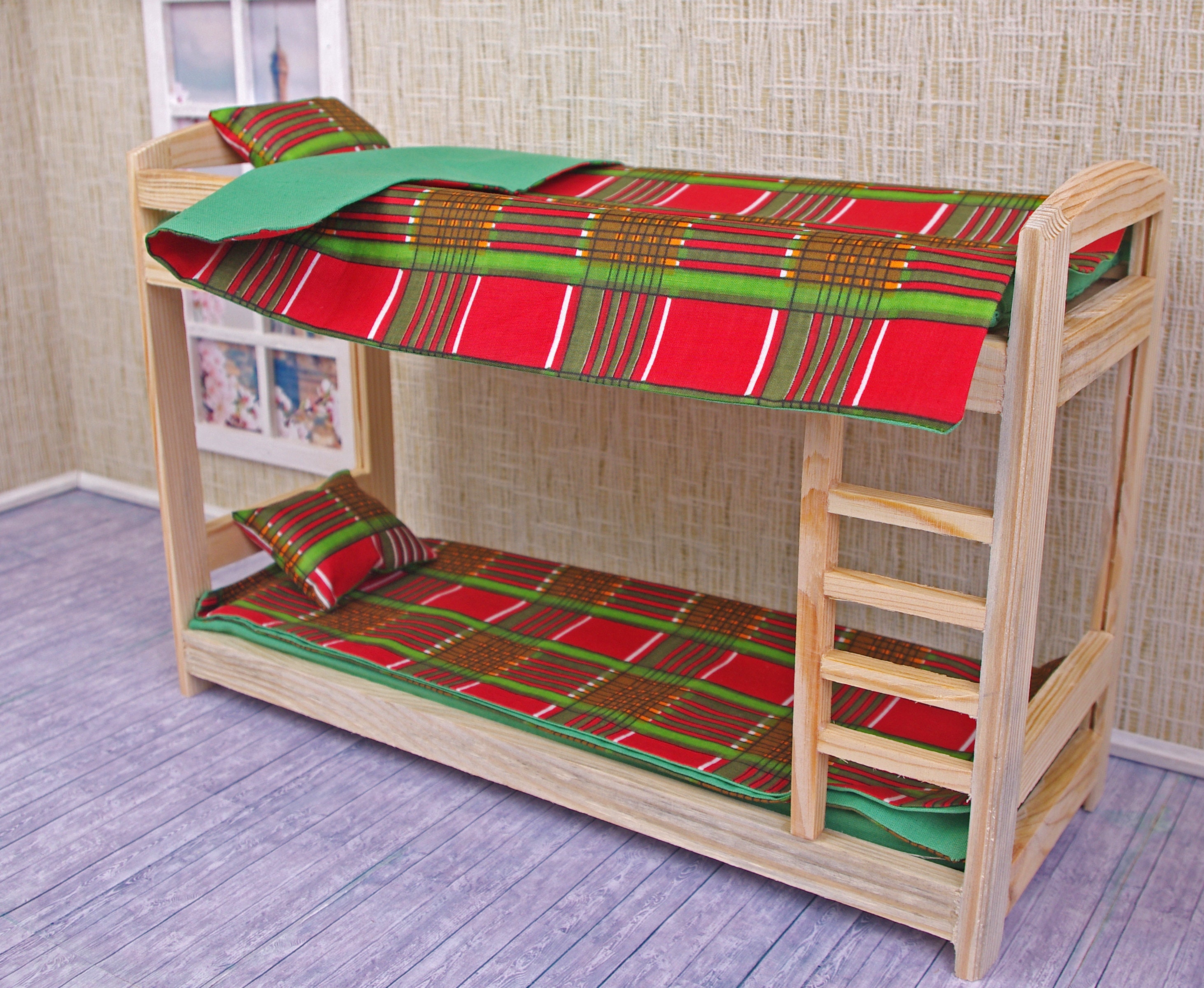
Credit: dmc-nordic.com
Materials And Tools
Building a mini bunk bed starts with gathering the right materials and tools. Choosing quality wood and the correct hardware ensures the bed will be strong and safe. Having the proper tools makes the building process easier and faster. This section covers the essential wood types, hardware, fasteners, and tools you will need for this project.
Essential Wood Types
Use solid wood for the frame to provide strength and durability. Pine is a popular choice because it is affordable and easy to work with. Oak and maple are harder woods that offer more durability but cost more. Avoid softwoods that may bend or break easily. Choose wood that is smooth or sand it before assembly for safety.
Hardware And Fasteners
Strong screws and bolts hold the bed together securely. Use wood screws designed for furniture projects. Metal brackets add extra support at joints and corners. Consider using wood glue along with screws for added strength. Sandpaper and wood filler help finish the surfaces nicely.
Tools You’ll Need
A power drill is essential for making holes and driving screws quickly. A saw, such as a circular saw or handsaw, cuts the wood to size. A measuring tape and square ensure accurate measurements and right angles. Sandpaper or an electric sander smooths the wood edges. A screwdriver and wrench complete the toolset for assembly.

Credit: planeteliege.com
Planning Your Mini Bunk Bed
Planning your mini bunk bed carefully makes the building process easier. It helps you avoid mistakes and saves time. Good planning ensures the bed fits well and stays safe for use.
Measuring The Space
Start by measuring the room where the bunk bed will go. Measure the length, width, and height of the available space. Check for any obstacles like doors, windows, or heaters. Make sure there is enough room to move around the bed comfortably.
Choosing The Design
Pick a design that fits the space and your needs. Decide if you want a traditional bunk or a loft-style bed. Think about storage options like shelves or drawers. Keep the style simple to match the room’s decor.
Safety Considerations
Safety is a top priority in bunk bed design. Use strong materials that can hold weight. Add guardrails on the top bunk to prevent falls. Ensure the ladder is sturdy and easy to climb. Check all joints and screws for tightness. Proper ventilation around the bed is important too.
Cutting And Preparing Wood
Cutting and preparing wood is the first big step in making a mini bunk bed. This step makes sure all pieces fit well. It also helps the bed stay strong and safe. Taking time to cut and prepare wood carefully saves problems later. Good wood preparation gives a clean, neat look to the bed.
Marking Measurements
Start by measuring the wood pieces clearly. Use a tape measure for exact numbers. Mark each piece with a pencil line. Double-check all measurements before cutting. Clear marks help keep cuts straight and exact. Measure twice and cut once.
Cutting Techniques
Use a saw to cut the wood along the marks. A handsaw or power saw works well. Cut slowly and follow the pencil lines. Keep your hands steady to avoid mistakes. Cut on a flat surface for safety. Clean cuts fit together better and look nicer.
Sanding And Finishing
After cutting, smooth all edges with sandpaper. Sanding removes rough spots and splinters. Use fine-grit sandpaper for a soft finish. Sand corners and surfaces evenly. This step makes the wood safe for kids. A smooth finish also helps paint or stain stick well.
Assembling The Frame
Assembling the frame is the first important step in making a mini bunk bed. This part gives your bed its shape and strength. A strong frame keeps the bed safe and steady. Follow each step carefully to build a solid structure. Take your time and check your work as you go.
Building The Base
Start by cutting four pieces of wood for the base frame. Use wood that is smooth and strong. Join the pieces into a rectangle using screws. Make sure the corners are square. This base will hold the mattress and support the entire bed.
Constructing The Bunk Structure
Next, build the vertical supports for the bunk bed. Cut four equal-length posts for the corners. Attach these posts to the base using brackets or screws. Then add horizontal beams to connect the posts. These beams will hold the top bunk and keep the frame steady.
Securing The Frame
Check all connections to make sure they are tight. Use wood glue at each joint for extra strength. Add corner braces inside each corner for added support. Tighten all screws and bolts again. A secure frame will keep the bed safe for use.
Adding The Ladder And Guardrails
Adding the ladder and guardrails is an important step in building a mini bunk bed. These parts help make the bed safe and easy to use. The ladder lets kids climb up and down comfortably. Guardrails stop anyone from falling out while sleeping. Careful planning and installation keep the bed strong and secure.
Ladder Design Options
Choose a ladder that fits your space and style. Straight ladders are simple and easy to build. They lean against the bed frame at an angle. You can also make a step ladder with wide steps for better grip. Some ladders have side rails for extra hand support. Pick materials that match the bed frame for a neat look.
Installing Guardrails
Guardrails must be high enough to prevent falls. Attach them firmly to the bed’s side panels. Use screws or bolts for strong connections. Make sure there are no sharp edges or gaps. The guardrails should cover most of the mattress length. This keeps sleepers safe and secure during the night.
Ensuring Stability
Check that the ladder does not wobble when used. Tighten all screws and bolts after installation. Test the guardrails by applying light pressure. Add extra support brackets if needed. Stability is key to avoid accidents and injuries. A well-built bunk bed feels solid and safe for kids.
Finishing Touches
Finishing touches make your mini bunk bed look complete and inviting. They improve both style and comfort. A few simple steps can transform the bed into a cozy space that kids will love. Focus on painting, bedding, and decoration to create the perfect look.
Painting And Staining
Choose paint or stain that matches your room’s theme. Use non-toxic paint for safety. Light colors make the bed look bigger. Dark stains show the wood grain and add warmth. Apply two coats for even coverage. Let each coat dry fully. Sand lightly between coats for smoothness.
Adding Mattresses And Bedding
Pick mattresses that fit the bed’s size exactly. Thin mattresses work best for mini bunk beds. Add soft sheets and cozy blankets. Choose washable fabrics for easy cleaning. Use pillows that are firm but safe. Layer bedding for comfort and style. Keep bedding simple and neat.
Decorative Ideas
Use fun stickers or decals to personalize the bed. Add small shelves for books and toys. Hang fairy lights for a magical touch. Use themed bedding to match your child’s interests. Place a small rug nearby to complete the look. Keep decorations safe and secure to avoid accidents.
Maintenance And Safety Tips
Keeping a mini bunk bed safe and in good shape is very important. Regular care helps avoid accidents and keeps the bed strong. This section shares simple steps to maintain your mini bunk bed well.
Regular Inspections
Check the bed often for any cracks or damage. Look at the frame, slats, and guardrails closely. Catching problems early stops bigger issues later. Inspect every part before your child uses the bed.
Tightening Screws
Screws can loosen with use. Tighten all screws and bolts every few weeks. Use the right tools to avoid stripping them. A tight bed feels solid and safe for kids to sleep on.
Keeping It Kid-friendly
Make sure the bed has no sharp edges or rough spots. Sand any splinters and cover sharp corners. Use a soft mattress that fits well. Keep the area around the bed clear of toys and clutter.

Credit: www.youtube.com
Frequently Asked Questions
What Materials Do I Need To Make A Mini Bunk Bed?
You will need wood planks, screws, nails, a drill, sandpaper, wood glue, paint, and safety gear. Choose sturdy wood like pine or oak for durability and safety.
How Long Does It Take To Build A Mini Bunk Bed?
Building a mini bunk bed typically takes 4 to 6 hours. This depends on your skill level and preparation. Allow extra time for drying paint or finishes.
What Safety Tips Should I Follow When Building Bunk Beds?
Always wear protective gear like gloves and goggles. Ensure all joints are secure and smooth edges. Use non-toxic paint and test bed stability before use.
Can I Customize The Size Of The Mini Bunk Bed?
Yes, you can adjust dimensions to fit your space. Measure the room and mattress size carefully before cutting materials. Custom sizes help maximize room efficiency.
Conclusion
Building a mini bunk bed can be a fun and rewarding project. You only need basic tools and simple steps. Take your time to measure and cut carefully. Safety matters, so check every joint and screw. Personalize the bed with paint or decorations.
This bed saves space and adds charm to any room. Enjoy the process and the final result. Your kids will love their new cozy space. Simple projects like this bring joy and creativity to your home.