
Are you wondering how much a bunk bed mattress weighs before making a purchase? Knowing the weight is more important than you might think.
It affects how easy it is to move, how sturdy your bunk bed needs to be, and even the comfort your kids will get every night. You’ll discover the typical weights of different bunk bed mattresses and why this simple detail can make a big difference for your home.
Keep reading to find out exactly what you need to know before buying your next mattress.

Credit: picketandrail.com
Factors Affecting Mattress Weight
The weight of a bunk bed mattress varies for several reasons. Understanding these factors helps you choose the right mattress. Weight affects shipping costs, ease of moving, and safety on the bunk bed frame.
Materials Used
The type of material plays a big role in mattress weight. Foam mattresses are usually lighter than innerspring ones. Memory foam feels dense but can still be lighter than coils. Latex mattresses are often heavier due to natural rubber density. Each material affects how heavy the mattress feels.
Size And Thickness
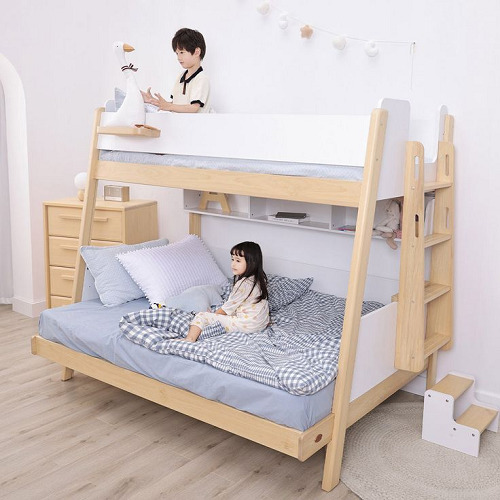
Larger mattresses weigh more than smaller ones. Twin size mattresses weigh less than full or queen sizes. Thickness also matters. A thicker mattress has more material inside, which adds weight. Bunk beds usually use twin mattresses, which are lighter than bigger sizes.
Type Of Mattress
Mattresses come in different types, and this changes their weight. Innerspring mattresses have metal coils that add weight. Foam mattresses rely on dense foam layers, making them lighter. Hybrid mattresses combine coils and foam, so they weigh more than pure foam types. The mattress type influences how easy it is to move and handle.
Credit: www.craft-child.com
Weight Range By Mattress Type
Bunk bed mattresses come in different types. Each type has a different weight range. Knowing these weights helps in moving and choosing the right mattress.
Innerspring Mattresses
Innerspring mattresses use coils for support. They usually weigh between 40 and 60 pounds. The number of coils and mattress thickness affect the weight. These mattresses are firm and offer good support.
Memory Foam Mattresses
Memory foam mattresses are softer and contour to the body. They weigh less than innerspring mattresses. The weight typically ranges from 30 to 50 pounds. Denser foam means a heavier mattress. These mattresses absorb pressure and reduce movement.
Hybrid Mattresses
Hybrid mattresses combine coils and foam layers. They weigh more than memory foam but less than pure innerspring. The weight usually falls between 50 and 70 pounds. Hybrids give both support and comfort.
Air Mattresses
Air mattresses are the lightest type. They use air chambers instead of coils or foam. Most air mattresses weigh 10 to 25 pounds. They are easy to carry and store. Air mattresses can be firm or soft depending on inflation.
Weight Differences By Mattress Size
Mattress weight varies by size. This affects moving, lifting, and setup. Knowing these differences helps pick the right mattress for your bunk bed. The size of the mattress usually decides how heavy it will be.
Twin Bunk Bed Mattresses
Twin mattresses are the most common bunk bed size. They typically weigh between 20 to 30 pounds. The weight depends on the materials used, like foam or spring. Foam mattresses tend to be lighter than spring ones. Twin mattresses are easier to handle and move.
Full Bunk Bed Mattresses
Full bunk bed mattresses are larger and heavier. Their weight ranges from 40 to 60 pounds. These mattresses provide more sleeping space but can be harder to lift. The type of mattress also affects the weight. Full-size mattresses need more strength to move safely.
Other Sizes
Other bunk bed sizes include twin XL and custom sizes. Twin XL mattresses weigh slightly more than regular twins, about 25 to 35 pounds. Custom sizes vary widely in weight depending on dimensions and material. Always check the weight before buying to avoid surprises.
Impact Of Mattress Weight On Bunk Bed Safety
The weight of a mattress plays a big role in bunk bed safety. Bunk beds have limits on how much weight they can hold. A mattress that is too heavy can cause the bed frame to weaken or break. This risk is higher for the top bunk, which needs to support both the mattress and the person sleeping on it.
Choosing the right mattress weight helps keep the bed stable and safe. It also prevents accidents caused by a damaged or overloaded frame. Understanding these weight limits is key for any bunk bed owner.
Weight Limits For Bunk Beds
Bunk beds come with specific weight limits set by the manufacturer. These limits include the combined weight of the mattress and the sleeper. The top bunk usually has a lower weight limit than the bottom bunk. Exceeding these limits can cause the bed to wobble or collapse. Always check the weight guidelines before buying a mattress for a bunk bed.
Choosing The Right Mattress Weight
Lightweight mattresses are best for bunk beds. Foam mattresses often weigh less than traditional spring mattresses. A lighter mattress reduces stress on the bed frame. It also makes moving and making the bed easier. Select a mattress that fits the bed size and stays under the weight limit. This choice ensures safety and comfort for the sleeper.
Tips For Moving And Handling Heavy Mattresses
Moving and handling heavy bunk bed mattresses can be tough. These mattresses often weigh between 40 to 70 pounds or more. This weight makes them hard to carry and move safely. Using the right techniques and tools helps prevent injuries and damage. Here are some practical tips to make the process easier.
Proper Lifting Techniques
Bend your knees and keep your back straight before lifting. Use your leg muscles to lift, not your back. Hold the mattress close to your body for better control. Avoid twisting your body while lifting or carrying. Take slow, steady steps to keep balance. If the mattress is too heavy, ask for help.
Using Moving Accessories
Use a mattress bag to protect the mattress during moves. Straps and handles make carrying easier and safer. A furniture dolly helps move mattresses on flat surfaces. Use sliders to move mattresses across floors without lifting. These tools reduce strain on your body and prevent damage.

Credit: www.amazon.com
Frequently Asked Questions
How Much Does A Standard Bunk Bed Mattress Weigh?
A standard bunk bed mattress typically weighs between 15 to 30 pounds. Weight depends on size, material, and thickness, with twin sizes being lighter than full or queen.
What Factors Affect Bunk Bed Mattress Weight?
Material type, mattress size, and thickness are key factors. Foam mattresses weigh less, while innerspring or hybrid types tend to be heavier.
Are Foam Bunk Bed Mattresses Lighter Than Innerspring?
Yes, foam mattresses generally weigh less than innerspring ones. Foam is lightweight and easier to handle, making it ideal for bunk beds.
How To Choose A Lightweight Bunk Bed Mattress?
Select mattresses made from high-density foam or memory foam. These materials offer comfort and lower weight, simplifying mattress handling and bed safety.
Conclusion
Bunk bed mattresses usually weigh between 20 and 50 pounds. The weight depends on size and material. Foam mattresses are lighter, while innerspring ones are heavier. Knowing the weight helps when moving or buying a mattress. Choose one that fits your bunk bed frame well.
Remember to check mattress weight before lifting or shipping. This keeps your bunk bed safe and comfortable. Easy to handle mattresses make life simpler for families. Keep these points in mind for a better mattress choice.