Have you ever thought about turning your love for books into a unique piece of furniture? Imagine creating a bookshelf made entirely out of books themselves—a stunning, one-of-a-kind display that shows off your personality and creativity.
In this guide, you’ll discover simple, step-by-step instructions to build your own bookshelf using the books you already own. Whether you want to save space, impress your guests, or add a cozy touch to your room, this idea will transform your space in a way you never expected.
Ready to start building something truly special? Let’s dive in!
Materials Needed
Building a bookshelf out of books is a creative and fun project. Gathering the right materials is key to success. This section explains what you need to start.
Choosing The Right Books
Select books that are sturdy and have hard covers. Old textbooks or large novels work well. Avoid thin or fragile books that might bend. Consistent book size helps make a stable shelf. Choose books with flat spines for better stacking.
Additional Supplies
Besides books, you need strong glue to hold the stack. Use a hot glue gun or strong craft glue. A ruler or tape measure helps with spacing and alignment. A pencil is useful for marking positions. You might want a small brush to spread glue evenly. A protective surface will keep your workspace clean.
Preparing The Books
Preparing the books is the first step to building a strong bookshelf out of books. You must handle the books carefully. Good preparation makes the structure stable and long-lasting.
Start by choosing books that are sturdy and not too old. This helps in making sure the shelf holds weight well. The next steps focus on cleaning and reinforcing the books.
Cleaning And Sorting
Clean each book gently using a soft cloth. Remove dust and dirt from covers and pages. Dirty books can make the shelf look bad and weaken glue or tape.
Sort the books by size and thickness. Large books work best for the bottom layers. Smaller books fit well on top. Sorting helps create a balanced and neat shelf.
Reinforcing The Spines
Check each book’s spine for damage. Weak spines can cause the shelf to collapse. Use strong tape to reinforce any cracks or tears.
Apply tape carefully along the spine’s length. This adds extra support and holds the pages tightly. Reinforced spines help the shelf keep its shape under weight.
Designing Your Bookshelf
Designing your bookshelf from books is an exciting first step. It helps you create a unique and functional piece for your space. Careful design makes sure your bookshelf is stable and looks great.
Think about how much space you have and the style you want. This will guide your choices in shape, size, and layout. Planning well saves time and effort later.
Selecting A Shape And Size
Choose a shape that fits your room and use. Rectangles and squares are easy and stable. Circles or triangles add style but need careful balance.
Measure your space to pick the right size. The bookshelf should fit without crowding the room. Make sure it can hold the number of books you want.
Planning The Layout
Decide how to arrange the books for strength and style. Stack larger, heavier books at the bottom for stability. Use smaller or lighter books on top.
Leave some gaps or spaces for decoration or easy access. Mix vertical and horizontal stacks for visual interest. Plan the order before building to avoid mistakes.
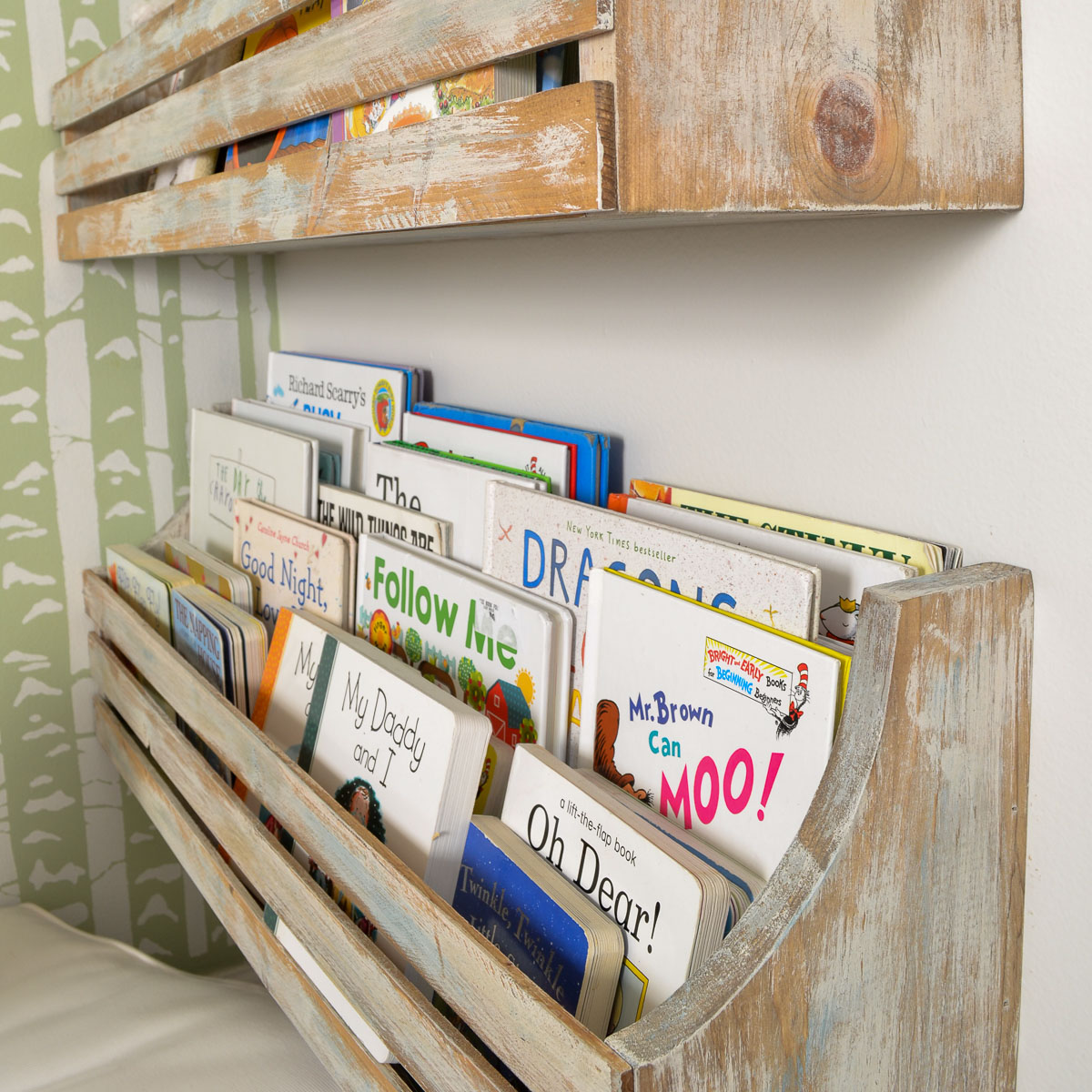
Credit: refreshliving.us
Building The Base
Building the base is the first step in creating a bookshelf out of books. This part holds the entire structure. It must be strong and stable. A well-built base prevents the shelf from tipping over or collapsing.
The base supports the weight of all stacked books above. Careful planning helps ensure safety. Follow clear steps for best results.
Stacking Techniques
Start by choosing large, heavy books for the bottom layer. Place them flat and side by side. Make sure the edges line up evenly. This creates a solid, level surface.
Stack books in rows. Each row should be perpendicular to the one below. This pattern adds strength and balance. Avoid gaps or uneven spaces between books.
Securing The Foundation
Use double-sided tape or glue dots between books. This stops slipping and keeps layers tight. Another option is to wrap the base with clear packing tape.
Place the base on a flat surface. Test stability by pressing gently on different sides. Add weight or adjust books until the base feels steady and secure.
Constructing The Shelves
Constructing the shelves is the key step to build a bookshelf out of books. The shelves must hold weight and stay steady. Careful layering and support make the structure strong and safe.
Start by planning the shelf height and width. Choose books with similar sizes for each layer. This helps keep the shelves even and stable. A well-built shelf shows off your books beautifully.
Layering Books For Stability
Place books flat to create each shelf layer. Arrange them tightly side by side. Avoid gaps to keep the shelf firm. Use hardcover books for better support.
Stack layers evenly. Each new layer should match the one below. This balance keeps the shelf from leaning or falling. Press down lightly to lock the books together.
Adding Support Elements
Use small wooden boards between book layers for extra strength. These boards spread weight evenly. Attach thin metal brackets on the sides for more support.
Secure the entire shelf to the wall. Use anchors or screws to prevent tipping. Supports protect your books and keep the shelf safe for daily use.
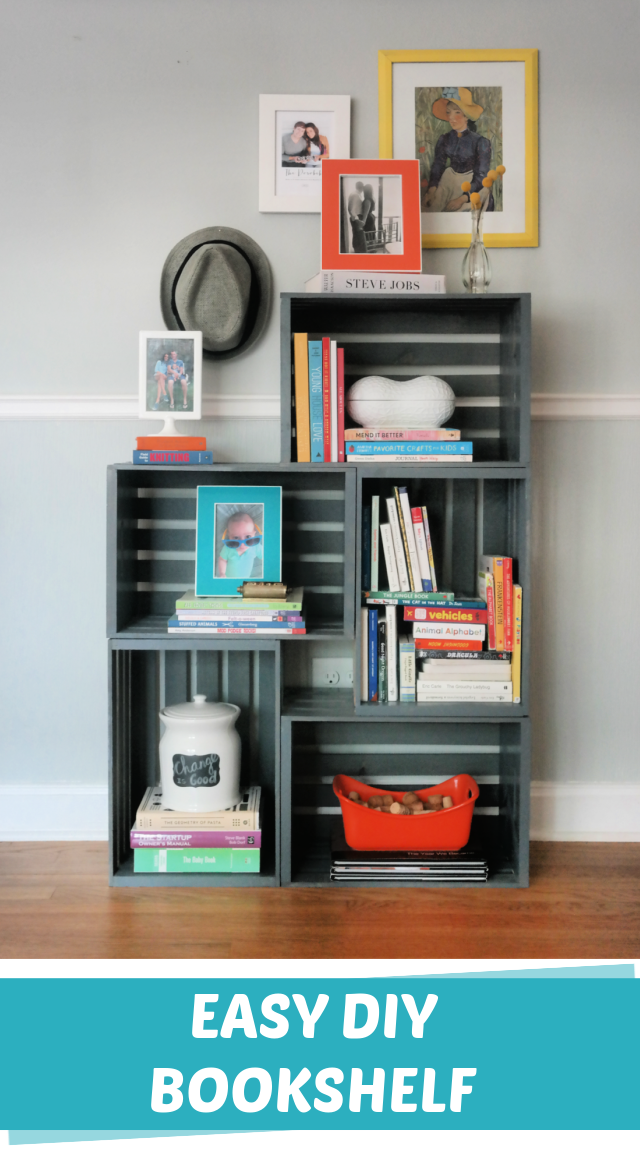
Credit: www.creatingreallyawesomefunthings.com
Finishing Touches
Finishing touches bring your bookshelf made of books to life. These small steps protect your creation and add charm. Taking time here ensures your shelf lasts long and looks great.
Sealing And Protecting
Seal the books with a clear, matte varnish. This stops dust and dirt from settling. Choose a non-yellowing finish to keep colors bright. Apply thin layers and let each dry fully. This prevents moisture damage and keeps pages intact. Avoid heavy coatings that can warp the books. A spray varnish works well for even coverage.
Decorative Options
Add small accents to enhance the shelf’s look. Use fairy lights for a cozy glow. Place small plants or figurines on top or between stacks. Paint the edges of pages for a colorful touch. Attach decorative knobs or handles on the side. Use washi tape for neat patterns on book spines. These details make your shelf unique and inviting.
Maintenance Tips
Maintaining a bookshelf made out of books keeps it looking great and lasting longer. Simple care helps protect your unique creation from damage. Small daily habits prevent big problems later.
Cleaning Your Bookshelf
Dust gathers quickly on bookshelves made of books. Use a soft, dry cloth to wipe the surface gently. Avoid wet cloths as moisture can damage pages and covers. A small brush helps remove dust from tight spaces. Clean regularly to keep the shelf fresh and neat.
Preventing Wear And Tear
Place the bookshelf away from direct sunlight to avoid fading. Keep it in a dry room to stop moisture from warping pages. Handle the shelf with care to avoid bending or tearing books. Avoid stacking heavy items on top to keep the shelf stable. Regular checks help spot damage early.

Credit: www.youtube.com
Frequently Asked Questions
How Do I Start Building A Bookshelf Out Of Books?
Begin by selecting sturdy, similarly sized books for the base. Stack them horizontally for stability. Use strong adhesive or brackets for extra support. Plan the height and width before assembling to ensure balance and safety.
What Materials Do I Need Besides Books?
You will need strong adhesive like wood glue or epoxy, small brackets or clamps, and a flat, sturdy surface. Optional materials include decorative paper for backing and non-slip pads to protect floors and enhance stability.
Can Any Type Of Book Be Used For The Bookshelf?
Choose hardcover books with firm covers for better support. Avoid fragile or oversized books as they may cause instability. Consistent book size helps maintain balance and creates a neat, uniform appearance.
How Much Weight Can A Bookshelf Made Of Books Hold?
Weight capacity depends on book size, stacking method, and adhesive strength. Generally, it can hold light to moderate items like small decor or lightweight books. Avoid placing heavy objects to prevent collapse or damage.
Conclusion
Building a bookshelf out of books is a fun and creative project. It saves space and adds a unique look to your room. You only need patience and simple tools to start. Each book can become part of your new shelf.
This idea fits well in small homes or cozy corners. Try different book sizes to make your shelf strong. Enjoy your new, homemade bookshelf that holds your favorite stories. It’s a great way to mix creativity and function in one piece.
Give it a try and see how it changes your space.
