Have you ever placed a stack of your favorite books on a shelf, only to notice it starting to bend or sag? It’s frustrating to see your bookshelf struggle under the weight, especially when you want it to last.
You might be wondering, how long can a bookshelf be without sagging? Understanding this can save you time, money, and the hassle of replacing or repairing damaged shelves. You’ll discover the key factors that affect shelf strength and learn simple ways to keep your bookshelf sturdy and reliable.
Keep reading to protect your books and make your shelf stand the test of time.
Factors Affecting Bookshelf Sagging
Bookshelf sagging depends on several key factors. These factors affect how long a shelf can hold books without bending. Understanding these elements helps in building strong, lasting shelves.
Each factor plays a role in the shelf’s ability to support weight and resist sagging over time.
Material Types And Strength
The material used greatly affects shelf strength. Solid wood is strong but can warp with moisture. Plywood offers good strength and resists bending better than particleboard. Metal shelves provide high strength and resist sagging well. The type of material sets the basic limit on how much weight a shelf can hold.
Shelf Thickness And Depth
Thicker shelves hold more weight without sagging. A shelf less than one inch thick may bend under heavy loads. Deeper shelves face more stress because books push farther from the wall. Keeping shelves thicker and shallower helps reduce sagging risks. Thickness and depth work together to support weight properly.
Load Distribution And Weight Limits
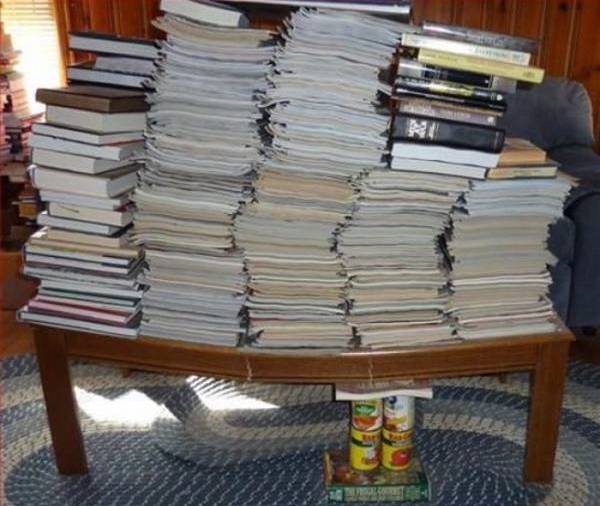
Even weight distribution lowers sagging chances. Books placed only in the middle cause more bending. Spreading books evenly along the shelf strengthens support. Every shelf has a weight limit based on material and size. Staying within this limit prevents sagging and damage over time.
Credit: www.branchingoutwood.com
Common Shelf Lengths And Sag Risks
Bookshelves come in many sizes and materials. Each factor affects how long a shelf can be before it starts to sag. Knowing common shelf lengths and the risks of sagging helps you choose the right shelf for your needs.
Length, material, and support all play roles in shelf strength. Some materials hold weight better. Others need extra support to avoid bending.
Typical Lengths For Standard Shelves
Most shelves range from 24 to 48 inches in length. Shorter shelves under 30 inches rarely sag. Shelves longer than 36 inches often need extra support. Standard home shelves usually sit near 36 inches. This length balances space and strength well.
Sagging Thresholds By Material
Wood shelves can sag at lengths over 36 inches. Solid wood is stronger than plywood. MDF shelves sag sooner, often past 24 inches. Metal shelves hold longer spans without bending. Glass shelves are fragile and must stay short. Material type directly affects sag risk.
Impact Of Unsupported Spans
Unsupported spans cause the most sagging problems. A long shelf with no center support will bend quickly. Adding brackets or dividers reduces sag risk. Shelf thickness also matters; thicker shelves resist bending better. Support placement is key for strong shelves.
Preventing Sag With Design Choices
Bookshelf sagging can spoil your room’s look and damage your books. Good design choices stop sag before it starts. Simple changes help keep shelves straight and strong. Here are ways to design shelves that last longer without bending.
Using Brackets And Supports
Brackets hold shelves firmly against the wall. They spread weight evenly, stopping shelves from drooping. Choose metal or strong plastic brackets for better support. Place brackets every 16 to 24 inches for most shelves. This keeps the shelf steady and reduces pressure points.
Adding Center Supports
Long shelves need support in the middle. A center support stops the shelf from bending downwards. Use a vertical post or a small bracket under the shelf’s middle. This divides the shelf into smaller sections. Each section holds weight better and stays straight longer.
Choosing Reinforced Materials
Strong materials resist sag more than soft ones. Use plywood or solid wood with a thick edge. Avoid thin particleboard, as it bends easily under weight. Look for shelves with metal or plastic reinforcement inside. These materials keep shelves firm, even with many books.

Credit: woodweb.com
Calculating Maximum Shelf Length
Calculating the maximum length of a bookshelf is key to avoiding sagging. It helps you know how long the shelf can be while holding weight safely. This section explains simple methods to find that length. You will learn basic formulas and practical rules. These tips work for many shelf types and materials.
Load Capacity Formulas
Load capacity formulas estimate the weight a shelf can hold without bending. They use the shelf’s thickness, length, and material strength. One common formula is: Capacity = (Material Strength × Thickness³) / (Length²). This means thicker shelves hold more weight. Shorter shelves also carry more load. Use these formulas to plan your shelf size and avoid damage.
Span-to-thickness Ratios
Span-to-thickness ratio is a simple rule to check shelf length. It compares the shelf’s length (span) to its thickness. A common ratio is 20:1, meaning the length can be 20 times the thickness. For example, a 1-inch thick shelf should be no longer than 20 inches. This ratio helps keep shelves sturdy and straight under weight.
Adjusting For Shelf Load Types
Different items place different stresses on shelves. Heavy books need stronger shelves than light decorations. Uniform loads spread weight evenly, while point loads press on small areas. Adjust shelf length by considering what you store. For heavy or uneven loads, reduce the shelf length or increase thickness. This prevents sagging and extends shelf life.
Testing And Monitoring Sag Over Time
Testing and monitoring sag over time helps keep your bookshelf strong and safe. Shelves can bend slowly under weight. Watching for sag early stops bigger problems. Measuring deflection shows how much the shelf bends. Regular checks help you fix issues before damage. Follow simple steps to keep shelves sturdy for years.
Signs Of Early Sagging
Look closely at your shelf edges. Do they curve downward slightly? Check for cracks or splits in the wood. Notice any gaps between the shelf and the wall. Feeling a soft or weak spot is a warning. Small changes now mean less repair later.
Methods To Measure Deflection
Use a ruler or tape measure to check sag. Measure the shelf from the supports to the lowest point. Note the distance that the shelf bends downward. Mark this number and watch if it grows over time. A level tool can also show if the shelf tilts. Record measurements monthly for best results.
Maintenance Tips To Extend Shelf Life
Keep shelves clear of heavy, uneven loads. Spread weight evenly across the entire shelf. Tighten screws and brackets regularly to reduce movement. Use shelf liners to protect wood from moisture. Replace weak or damaged supports quickly. These simple steps help your shelf last longer.
Diy Tips To Strengthen Existing Shelves
Strengthening existing shelves helps prevent sagging and extends shelf life. Simple DIY methods can add support and make shelves safer for heavy items. These easy fixes work well for wood, metal, or glass shelves. You do not need special tools or skills.
Reinforcing With Metal Brackets
Metal brackets add strong support under shelves. Attach them to the wall studs and the shelf bottom. Choose brackets that fit shelf length and weight needs. Space brackets evenly to spread weight and reduce sagging. Use screws that match wall type for firm hold.
Adding Wooden Cleats
Wooden cleats are strips attached under the shelf edges. They strengthen the shelf by supporting the load from below. Cut cleats to fit shelf length precisely. Fix them with wood screws and glue for extra grip. This method is budget-friendly and very effective.
Using Shelf Liners And Supports
Shelf liners protect the surface and add slight rigidity. Use firm liners made of plastic or rubber for best results. Shelf supports, like small risers or riser blocks, distribute weight evenly. Place supports under heavy items to reduce pressure on shelves. This method helps maintain shelf shape over time.
Credit: www.reddit.com
Frequently Asked Questions
How Long Can A Wooden Bookshelf Be Without Sagging?
A wooden bookshelf can typically span 30 to 36 inches without sagging. Beyond this, thicker wood or added supports are needed to prevent bending. Material quality and shelf thickness also impact sag resistance.
What Factors Affect Bookshelf Sagging Over Time?
Weight distribution, shelf material, thickness, and span length affect sagging. Heavy, uneven loads and long unsupported spans increase sag risk. Proper support and high-quality materials reduce sagging chances.
How Can I Prevent My Bookshelf From Sagging?
Use thicker shelves, add brackets or center supports, and evenly distribute weight. Opt for stronger materials like plywood or metal. Regularly check and adjust loads to maintain shelf integrity.
Does Shelf Material Influence Sagging Length?
Yes, materials like solid wood and plywood resist sagging better than particleboard. Metal shelves offer the highest strength. Material choice directly impacts maximum sag-free shelf length.
Conclusion
Bookshelves can sag if they are too long without support. Choosing strong materials helps keep shelves sturdy. Adding brackets or dividers reduces bending. Regularly check shelves for any signs of sagging. Proper care keeps your bookshelf looking good longer. Simple steps make a big difference in shelf strength.
Now you can build shelves that last and hold well.