
Looking to create a classroom bookshelf that truly sparks curiosity and learning? What you choose to put on those shelves can make a big difference in how your students engage with reading and learning.
You want books and materials that grab attention, inspire creativity, and support your teaching goals. You’ll discover simple yet powerful ideas to fill your classroom bookshelf with items that keep your students excited and coming back for more. Ready to transform your space into a learning hotspot?
Let’s dive in!

Credit: www.lakeshorelearning.com
Must-have Books
Creating a classroom bookshelf with the right books can inspire students to read more. The selection should include different types of books that meet various interests and reading levels. This makes reading fun and helps children grow their skills. Here are some must-have books that every classroom bookshelf needs.
Picture Books For Early Readers
Picture books are perfect for young children. They combine simple text with colorful images. These books help children understand stories and new words. Choose books with clear pictures and easy sentences. Stories about animals, friendship, and daily life work well. These books build confidence in early readers.
Chapter Books For Growing Minds
Chapter books are ideal for children ready for longer stories. These books have more words and fewer pictures. They help improve reading skills and imagination. Pick books with exciting plots and relatable characters. Adventure, mystery, and humor keep kids interested. These books encourage children to read on their own.
Nonfiction Titles For Curiosity
Nonfiction books teach facts about the world. They answer questions children might have about animals, space, or history. Choose books with clear explanations and bright photos. These books support learning and critical thinking. They make reading informative and fun at the same time.
Diverse Voices And Perspectives
Diverse books show different cultures and experiences. They help children understand and respect others. Include stories from various backgrounds and traditions. Books with characters of different races, abilities, and families enrich the classroom. These books promote empathy and open-mindedness.
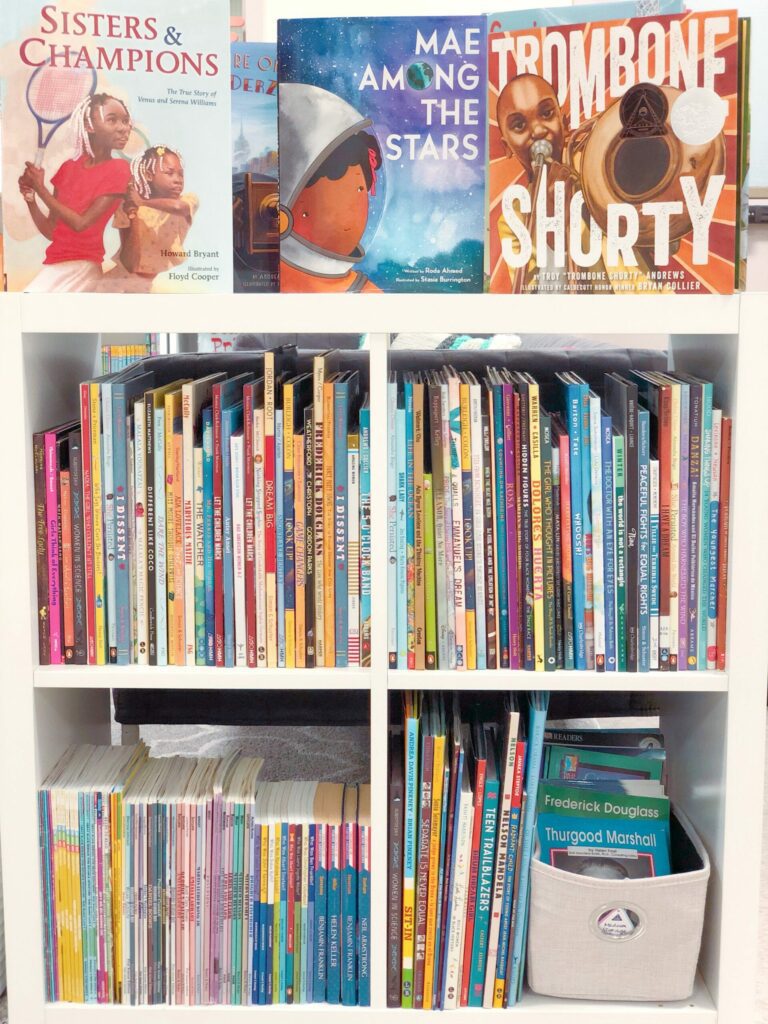
Credit: jillianstarrteaching.com
Organizing Supplies
Organizing supplies on a classroom bookshelf helps keep the space neat and inviting. It makes finding books and tools easier for both teachers and students. Good organization also encourages students to take care of their materials and use them responsibly.
Bookends And Labels
Bookends hold books upright and prevent them from falling over. Choose colorful or themed bookends to add fun to the shelf. Labels help identify book categories or subjects quickly. Use clear, simple labels that students can read easily. This makes choosing and returning books faster and more organized.
Storage Bins And Baskets
Bins and baskets keep smaller items tidy and easy to find. Use them for pencils, markers, or craft supplies. Transparent bins show contents without opening them. Baskets add a warm, natural touch to the shelf. Group similar items together to save time and reduce clutter.
Rotating Displays
Rotating displays highlight different books or themes regularly. Change the display to match seasons, holidays, or classroom topics. This keeps the bookshelf fresh and exciting for students. Use simple stands or holders to showcase featured books. Rotating displays help promote reading and spark curiosity.
Learning Resources
Learning resources are essential on a classroom bookshelf. They support students’ understanding and help teachers guide lessons. These materials offer facts, practice, and new ideas. They encourage students to explore subjects deeper and build skills step by step.
Reference Materials
Reference materials provide quick access to facts and definitions. Dictionaries, thesauruses, and encyclopedias fit well here. These books help students find meanings and understand concepts fast. They support writing, reading, and research tasks. Maps and atlases also belong in this group. They help with geography lessons and visual learning.
Workbooks And Activity Guides
Workbooks offer exercises to practice skills learned in class. Activity guides include puzzles, games, and hands-on projects. Both encourage active learning and problem solving. They make lessons more interactive and fun. These resources help students apply knowledge in practical ways.
Educational Magazines
Educational magazines bring current topics and stories to the classroom. They cover science, history, nature, and more. Magazines keep content fresh and interesting for students. They improve reading skills and spark curiosity. Short articles and pictures make learning easy and engaging.
Classroom Library Tips
Creating a classroom library is more than just placing books on shelves. It is about building a space where students love to read. Smart tips help make the library inviting and useful. These tips focus on choice, care, and comfort. They encourage students to pick books and enjoy reading every day.
Encouraging Student Choice
Let students select books that interest them. Offer a variety of genres and topics. Include fiction, non-fiction, and graphic novels. Display books at eye level for easy access. Change book displays often to keep interest high. Allow students to suggest new books to add. This freedom makes reading more exciting and personal.
Maintaining And Updating Books
Check books regularly for damage. Repair or replace torn pages and covers. Remove books that are outdated or no longer popular. Add new books to keep the collection fresh. Rotate books to highlight different themes or authors. Keeping the library neat shows students that reading is important.
Creating A Reading-friendly Space
Arrange comfortable seating near the bookshelf. Use cushions or small chairs to create cozy spots. Ensure good lighting for easy reading. Make the area quiet to help students focus. Add posters or decorations that promote reading. A welcoming space encourages students to spend more time with books.

Credit: totmate.com
Frequently Asked Questions
What Types Of Books Should Go On A Classroom Bookshelf?
Include diverse genres like fiction, nonfiction, poetry, and picture books. This variety supports different reading levels and interests, encouraging a love for reading among all students.
How Many Books Are Ideal For A Classroom Bookshelf?
Aim for 50 to 100 books to provide variety without overcrowding. This range allows students easy access and keeps the shelf organized and inviting.
Should Classroom Bookshelves Include Educational Materials?
Yes, add reference books, dictionaries, and subject-specific texts. These resources support learning and help students find information quickly during lessons.
How Can I Organize Books On A Classroom Bookshelf?
Organize by genre, reading level, or theme. Clear labeling helps students find books independently and keeps the shelf tidy and user-friendly.
Conclusion
A well-stocked classroom bookshelf invites curiosity and learning. Choose books that spark interest and suit all reading levels. Include stories, facts, and fun topics to keep students engaged. Change the books often to keep the shelf fresh and exciting. A good mix helps students find something they love.
This simple step supports reading growth every day. Keep the shelf neat and inviting for easy access. Creating a space like this encourages a lifelong love of books.
