
Have you ever wondered how tall the average bookshelf really is? Whether you’re planning to buy one, build your own, or just curious about what fits best in your space, knowing the typical height can save you time and hassle.
Imagine finding the perfect bookshelf that not only holds your favorite books but also fits seamlessly into your room. Keep reading, and you’ll discover the ideal bookshelf size for your needs—and maybe even some tips to choose or customize one that works perfectly for you.
Average Bookshelf Heights
The height of a bookshelf matters for many reasons. It affects room space, storage, and style. Knowing the average bookshelf height helps in choosing the right one. It also makes arranging books and items easier.
This section explains the typical heights and how they change by style. It helps find a shelf that fits your space and needs.
Standard Dimensions
Most bookshelves stand between 48 and 72 inches tall. This range works well for most rooms. Shelves around 60 inches tall are common. They balance storage and accessibility. Shelf heights often come in 6-foot or 5-foot sizes. These sizes fit standard wall spaces well. Shelf width and depth vary too, but height is key for fitting books.
Variations By Style
Bookshelf height changes with style and purpose. Shorter shelves, about 30 to 40 inches, fit small rooms or desks. Tall, narrow shelves can reach up to 84 inches. These maximize vertical space in small rooms. Corner shelves may be shorter to fit angles. Floating shelves vary widely but usually stay under 24 inches tall. Style influences height to match room design and use.
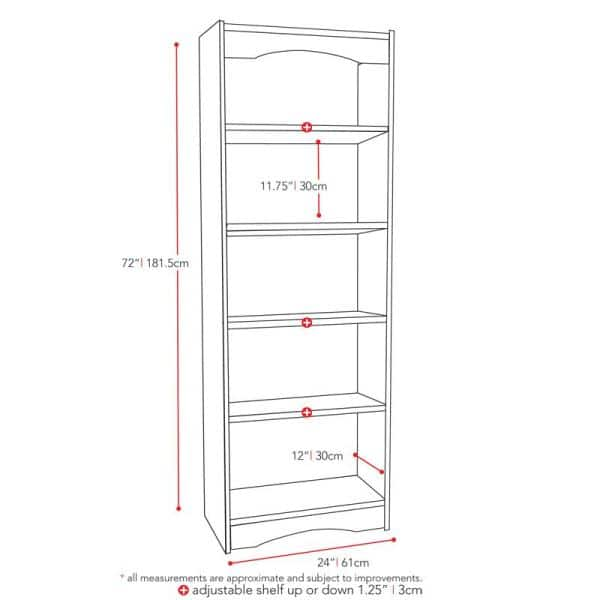
Credit: www.homedepot.com
Choosing Bookshelf Sizes For Living Rooms
Choosing the right bookshelf size for your living room affects both style and function. The bookshelf should fit the space well without crowding it. It also needs to hold your books and decor comfortably. Consider the room’s shape and how much storage you need. This helps pick a bookshelf that looks balanced and works well.
Space Considerations
Measure the area where the bookshelf will go. Leave some space around it so the room feels open. Tall bookshelves can make a room feel smaller if the ceiling is low. Wide shelves need more wall space but hold more items. Think about walking paths and furniture placement. A good fit keeps the room easy to move around in.
Matching Furniture Scale
Match the bookshelf size to other furniture in the room. Large sofas and tables need bigger shelves. Small furniture pairs well with shorter, narrower bookshelves. The height of the bookshelf should balance with couches and chairs. This creates a harmonious look that feels natural. Avoid bookshelves that overpower or disappear among other items.
Bookshelf Heights For Bedrooms
Bookshelves in bedrooms serve both practical and decorative roles. Choosing the right height is key to fit your space and needs. Typical bedroom bookshelves range from 3 to 6 feet tall. This size fits well under windows or beside beds.
Shorter shelves keep the room open and airy. Taller shelves offer more space without taking extra floor area. Think about your bedroom size and storage needs before picking a height.
Maximizing Storage
Use tall bookshelves to store many books and items. Adjustable shelves help fit different sizes of books and decor. Add baskets or boxes on lower shelves for small items. Use the top shelf for things you use less often.
Blending With Bedroom Decor
Match bookshelf height to other furniture for a balanced look. Low shelves create a relaxed vibe near beds or seating areas. Tall shelves can make the room feel cozy but avoid blocking windows. Choose colors and materials that fit your bedroom style.
Ideal Bookshelves For Home Offices
Choosing the right bookshelf for a home office can boost productivity. It helps keep your space tidy and your materials easy to reach. The size and design of a bookshelf affect how well it fits your work area.
Ideal bookshelves balance style and function. They make your office look neat and offer quick access to books and supplies. The right height plays a big role in this balance.
Ergonomic Heights
Bookshelves should match your eye and arm level. Shelves too high cause strain when reaching. Shelves too low mean bending often, which tires you out. A good shelf height ranges between 48 and 72 inches. This size fits most home office setups. Adjust shelves to keep frequently used items at arm’s reach. This setup reduces stress and improves comfort during work.
Optimizing Accessibility
Easy access saves time and effort. Arrange books and supplies by use. Keep daily items on middle shelves. Less used items go higher or lower. Wide shelves help store large books or binders. Open shelves give quick visibility. Closed cabinets protect delicate items. Clear labeling helps find what you need fast.
Kids’ Room Bookshelf Sizes
Choosing the right bookshelf size for a kids’ room matters a lot. The height and design should fit their needs and space. Bookshelves here are smaller than regular ones. This helps kids reach books easily and keeps them safe.
Parents want shelves that encourage reading and keep rooms neat. The size should match the child’s age and room layout. Let’s explore what makes a good kids’ bookshelf size.
Safety And Reachability
Bookshelves must be stable to avoid tipping over. Low height lets kids grab books without climbing. Rounded edges prevent injuries during play. Shelves around 3 to 4 feet tall work well for young children. This height keeps everything within easy reach.
Fun And Functional Designs
Bright colors and playful shapes attract kids to read. Open shelves help kids see and choose books quickly. Some designs include bins or baskets for toys and art supplies. A bookshelf that fits room size keeps space tidy and organized. Fun designs make reading a daily habit.

Credit: tribesigns.com
Custom Vs. Ready-made Bookshelves
Choosing between custom and ready-made bookshelves shapes the look and function of your space. Each option has unique features that suit different needs and tastes. Understanding these differences helps pick the best fit for your room and collection.
Benefits Of Custom Sizes
Custom bookshelves fit your exact space perfectly. They use every inch efficiently, avoiding gaps or awkward spaces. You decide height, width, and depth. This control helps match shelves to your books and decor. Custom shelves often use better materials and craftsmanship. They last longer and look more elegant. You can add special features like hidden compartments or adjustable shelves. Custom designs suit unusual spaces or specific styles. They create a unique and personal touch in your room.
Popular Ready-made Options
Ready-made bookshelves come in standard sizes and styles. They are quick to buy and easy to assemble. Common heights range from 3 to 7 feet tall. Widths and depths fit most rooms and book sizes. Materials include wood, metal, and MDF. Popular designs are simple, modern, or classic. These shelves work well in homes and offices. They fit most budgets and are easy to replace. Ready-made shelves suit basic needs and common spaces. They offer convenience without a long wait or high cost.
Materials Impacting Bookshelf Size
The material of a bookshelf plays a big role in its size. Different materials need different designs and supports. This affects how tall and wide a bookshelf can be. Choosing the right material helps balance strength and space. It also impacts the overall look and feel of the shelf.
Wood Variations
Wood is a popular choice for bookshelves. It is strong and looks natural. Different types of wood vary in weight and thickness. Hardwoods like oak and maple support taller shelves. Softwoods like pine are lighter but less strong. Wood shelves can be thick or thin, changing the shelf height. The grain and finish also affect the shelf’s style and size.
Metal And Composite Choices
Metal shelves are often slim but very strong. Steel or aluminum allows for taller, narrower designs. Metal frames need less material for support, saving space. Composite materials mix wood fibers with plastic. These can be lighter but less sturdy than solid wood. Composites often come in standard sizes, limiting height options. They resist warping better than wood, keeping the shelf steady.
Tips For Measuring Your Space
Measuring your space correctly is key to choosing the right bookshelf. It helps avoid buying a shelf that is too big or too small. Taking accurate measurements saves time and effort. It also ensures your bookshelf fits perfectly in your room.
Key Dimensions To Note
Start by measuring the height from floor to ceiling. Then, measure the width of the wall where the bookshelf will go. Note the depth you want for the shelf. Also, check for obstacles like baseboards or vents. These details affect the shelf’s size and placement.
Tools To Use
A tape measure is the best tool for this task. Use a level to check if the floor and wall are even. A pencil and paper help record your measurements. A step stool may be useful for reaching high spots. These simple tools make measuring easy and accurate.

Credit: www.reddit.com
Frequently Asked Questions
What Is The Standard Height Of An Average Bookshelf?
The average bookshelf height ranges between 60 to 72 inches. This size fits most rooms and holds multiple book rows comfortably. It balances storage capacity with room space.
How Tall Are Typical Home Bookshelves?
Typical home bookshelves stand around 60 to 72 inches tall. This height suits living rooms and offices, providing ample storage without overwhelming space.
Are There Shorter Bookshelf Options Available?
Yes, shorter bookshelves typically measure 30 to 48 inches. These are ideal for small rooms or under windows, offering flexible storage solutions.
How Does Bookshelf Height Affect Storage Capacity?
Taller bookshelves offer more vertical storage space. This means more books can be stored, but accessibility might decrease for top shelves.
Conclusion
Average bookshelves usually stand between 60 and 72 inches tall. This size fits well in most rooms and holds many books. You can find shorter or taller shelves depending on space and needs. Choosing the right height helps keep your room neat and organized.
Remember, measuring your space first saves time and effort. A good bookshelf makes reading and decorating easier. Keep these points in mind when picking your next shelf. Simple and practical choices work best for everyday use.