Are you ready to give your bookshelf a fresh, beautiful look but unsure how much stain you’ll need? Choosing the right amount of stain can save you time, money, and frustration.
Imagine starting your project only to run out halfway through or, worse, having too much leftover that goes to waste. In this guide, you’ll discover exactly how many quarts of stain you need for your bookshelf, so your project goes smoothly from start to finish.
Keep reading, and you’ll gain the confidence to tackle your stain job like a pro!
Calculate Bookshelf Surface Area
Calculating the surface area of your bookshelf is the first step to know how much stain you need. This helps you avoid buying too much or too little. Knowing the right amount saves money and effort.
To find the surface area, measure each part carefully. Include all sides, shelves, and the back panel. This ensures full coverage without surprises.
Measure Dimensions
Start by measuring the height, width, and depth of the bookshelf. Use a tape measure for accuracy. Write down each number. These measurements give you the base for calculations.
Include Shelves And Sides
Measure each shelf’s length and width. Count how many shelves you have. Don’t forget the sides of the bookshelf. Add these areas together to get a total surface area.
Account For Back Panel
Measure the back panel’s height and width. This part also needs staining. Add this to your total measurement. This step ensures no area is missed.
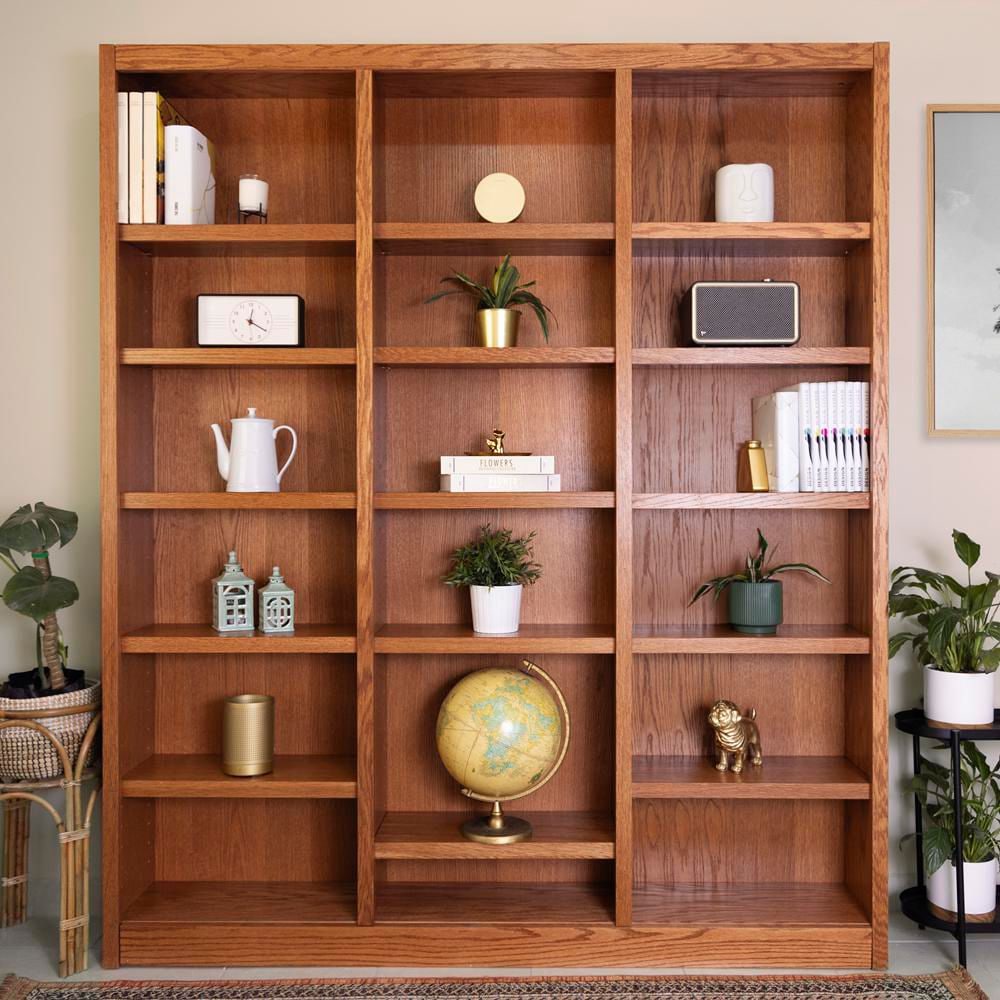
Credit: www.homedepot.com
Determine Stain Coverage
Determining how much stain you need starts with knowing the stain coverage. This tells you how many square feet one quart of stain can cover. Coverage varies by product and wood type. Estimating correctly avoids buying too much or too little stain.
Understanding coverage helps plan your project better. It saves money and time. It also prevents waste and ensures a smooth staining process for your bookshelf.
Check Product Label
Look at the stain can or product label first. It usually states coverage in square feet per quart. This number is a general guide. It assumes one coat on smooth wood. Rough or porous wood may need more stain.
Consider Wood Type
Different woods soak up stain differently. Softwoods like pine absorb more stain than hardwoods like oak. This means coverage decreases on softwood. You may need extra stain for porous or rough surfaces. Plan for this to avoid running short.
Adjust For Application Method
How you apply the stain affects coverage. Using a brush usually uses more stain than a cloth. Spray application can cover large areas quickly but may waste stain. Adjust your amount based on your chosen method. This helps achieve an even finish without excess waste.
Estimate Stain Quantity
To find out how many quarts of stain you need for a bookshelf, measure the wood’s surface area. Usually, one quart covers about 100 to 150 square feet. Calculate carefully to avoid buying too much or too little stain.
Knowing how much stain to buy helps avoid running out mid-project. It saves time and money. Estimating stain quantity depends on the bookshelf size and number of coats.
Wood type and stain brand also affect how much stain you will need. Some woods soak up more stain than others. This guide shows how to calculate the right amount.
Single Coat Requirements
For one coat, measure the total surface area of the bookshelf. Multiply the height by the width for each side. Add all sides together for total square feet.
Most stains cover about 100 to 150 square feet per quart. Divide total surface area by coverage rate. This gives an estimate of quarts needed for one coat.
Multiple Coat Considerations
Two or more coats need more stain. Multiply the single coat amount by the number of coats planned. This ensures enough stain for full coverage.
Some projects need three coats for a rich look. Plan extra stain for these cases. It helps avoid uneven color or patchy spots.
Allow For Extra Stain
Always buy a bit more stain than calculated. Extra stain covers mistakes and touch-ups. It also accounts for wood that soaks up more stain.
Buying about 10% more than the estimate is wise. This small buffer prevents delays and frustration. Keep leftover stain for future repairs or projects.
Tips To Save Stain
Saving stain while working on your bookshelf project helps reduce waste and cost. Small habits make a big difference in how much stain you use. Follow simple tips to stretch your stain supply without hurting the finish quality. These practices keep your project neat and efficient.
Use Quality Brushes
Good brushes hold stain better and spread it smoothly. They prevent dripping and waste. Cheap brushes shed bristles and absorb more stain. Investing in quality brushes means using less stain overall. Clean brushes carefully after each use to keep them lasting longer.
Apply Even Coats
Apply stain in thin, even layers. Thick coats soak up more stain and take longer to dry. Even coats create a smooth, consistent color. Use long, steady strokes to avoid patches. Let each coat dry before adding another. This method saves stain and improves the look.
Store Leftover Stain Properly
Keep leftover stain fresh by sealing it tightly. Use the original container or an airtight jar. Store in a cool, dark place to prevent drying. Label the container with the date and color. Proper storage means you can reuse stain later, reducing waste and saving money.
Common Mistakes To Avoid
Choosing the right amount of stain for your bookshelf can be tricky. Many make simple mistakes that waste stain or cause poor results. Avoiding these errors saves money and time. It also helps your bookshelf look its best. Below are common mistakes to avoid when deciding how many quarts of stain you need.
Overestimating Quantity
Buying too much stain leads to waste and extra cost. Many think a little extra is safer. But stain covers more surface than expected. Check the coverage on the can label. Measure your bookshelf carefully. Calculate the area to get a better estimate. Only buy a bit more than needed for touch-ups.
Ignoring Surface Preparation
Not preparing wood properly reduces stain absorption. Dirt, dust, and old finishes block stain from soaking in. Sand the surface lightly before staining. Clean the wood to remove debris. Proper preparation helps stain cover evenly. It also makes your stain last longer.
Skipping Test Patches
Applying stain without testing can cause surprises. Wood varies in color and texture. A small test patch shows how the stain looks. It helps decide if you want a darker or lighter shade. Test patches also reveal how much stain the wood absorbs. This guides how much stain you need overall.

Credit: myfavoritequiltstore.com

Credit: uniqueprints.shop
Frequently Asked Questions
How Many Quarts Of Stain Are Needed For A Bookshelf?
Typically, one quart of stain covers about 125-150 square feet. For an average bookshelf, one quart is usually enough for one coat. Multiple coats or larger bookshelves may require additional stain. Always measure your bookshelf’s surface area to estimate the exact amount needed.
Does Wood Type Affect Stain Quantity For Bookshelves?
Yes, wood type influences stain absorption. Softwoods like pine absorb more stain, requiring extra coats. Hardwoods absorb less, needing less stain. Always test stain on a small wood section to determine how much stain your bookshelf will consume for proper coverage.
How To Calculate Stain Needed Based On Bookshelf Size?
Measure your bookshelf’s total surface area in square feet. Divide this area by the coverage rate per quart (usually 125-150 sq. Ft. ). This calculation gives you the number of quarts needed. Add extra for multiple coats or touch-ups to ensure sufficient stain supply.
Can I Use Leftover Stain For Future Bookshelf Projects?
Yes, leftover stain can be stored in a sealed container. Store it in a cool, dry place away from direct sunlight. Properly stored stain can last several months, making it ideal for future touch-ups or small projects.
Conclusion
Staining a bookshelf takes careful planning. Usually, one quart covers about 125 to 150 square feet. Measure your bookshelf’s surface to know how much stain to buy. Applying thin coats helps the stain soak in better. Avoid using too much stain at once.
This saves product and gives a smooth finish. Remember, extra stain can be stored for future projects. Taking these steps makes your bookshelf look great and last longer. Simple preparation leads to a perfect stained bookshelf every time.
