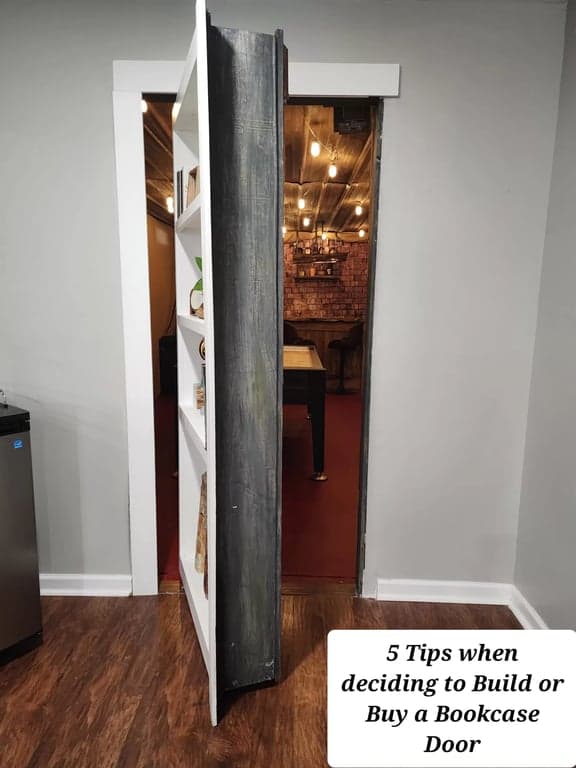
Imagine transforming your room with a secret that only you and a few close friends know about—a hidden bookshelf that blends seamlessly into your wall. You don’t need to be a professional carpenter or spend a fortune to create this clever piece.
In this guide, you’ll discover simple, step-by-step instructions to build your own hidden bookshelf. Whether you want to save space, add a touch of mystery, or protect your favorite books and treasures, this project is perfect for you. Ready to unlock the secret?
Let’s dive in and make your space truly unique.

Credit: www.reddit.com
Choosing The Right Location
Choosing the right location for a hidden bookshelf is very important. It affects how well the shelf fits and how secret it stays. A good spot makes the bookshelf blend with the room and hold many books safely.
Assessing Wall Space
First, check the wall space carefully. Measure the height and width to know how big the shelf can be. Look for empty areas without windows or doors. Avoid walls with many outlets or switches. A clear wall gives more room for the hidden shelf.
Considering Room Layout
Think about how the room is arranged. Choose a place that does not block walking paths. The shelf should not make the room feel crowded. Pick a wall that fits well with the furniture and decorations. The hidden bookshelf must look natural in the room.
Checking Structural Support
Make sure the wall can hold the shelf’s weight. Books can be heavy, so the wall must be strong. Find studs or solid wood behind the wall. Avoid weak or hollow walls. Use a stud finder to locate good support points for safe installation.
Credit: www.thecraftycatsman.com
Gathering Materials And Tools
Gathering the right materials and tools is the first step in building a hidden bookshelf. Choose items that fit your space and design. Proper preparation saves time and ensures a smooth build process.
Focus on quality wood, strong hardware, and reliable tools. This helps create a sturdy, lasting bookshelf that blends into your room.
Essential Wood Types
Select wood that is strong and easy to work with. Pine is affordable and lightweight. Oak offers durability and a classic look. Birch is smooth and paints well. Choose wood that matches your room style.
Necessary Hardware
Pick hardware that supports weight and allows smooth movement. Use heavy-duty hinges for the door. Magnetic catches keep it closed tightly. Screws and brackets add extra strength to the frame.
Recommended Tools
Use a drill for making holes and driving screws. A saw cuts wood to size accurately. A level ensures shelves and doors are straight. Sandpaper smooths rough edges for a clean finish. Measuring tape helps get exact dimensions.
Designing Your Bookshelf
Designing your hidden bookshelf is an important step. It shapes how the shelf will look and function. Careful planning helps the shelf fit perfectly and hold your books well.
Think about the space where you want to build. Take your time to measure and plan. This makes the building process smoother and the final result better.
Measuring Dimensions
Start by measuring the wall or area for your bookshelf. Use a tape measure for accuracy. Note the height, width, and depth available. Write down these numbers clearly. These dimensions guide your design and materials needed.
Planning Shelf Spacing
Decide how far apart each shelf will be. Standard spacing is about 10 to 12 inches. Adjust spacing for larger books or decorations. Keep shelves even to create a neat look. Proper spacing helps store all your items safely.
Sketching The Layout
Draw a simple sketch of your bookshelf design. Include all measurements and shelf placements. Use graph paper or a drawing app for precision. Sketching helps visualize the final product. It also shows where hidden parts will go.
Building The Frame
Building the frame is the first major step in creating a hidden bookshelf. This frame forms the backbone of your project. It must be strong and precise to hold the weight of books and the door mechanism. Taking time to build a solid frame will make the rest of the project easier and safer.
Focus on accuracy and stability in this stage. The frame needs to fit perfectly into your chosen space. Use quality wood for better durability. Let’s start with cutting the wood pieces.
Cutting Wood Pieces
Begin by measuring the space for your bookshelf. Mark the wood according to these measurements. Use a saw to cut each piece carefully. Ensure the cuts are straight and smooth. Label each piece to keep track during assembly. Proper cutting saves time and prevents errors later.
Assembling The Frame
Arrange the cut pieces on a flat surface. Join the pieces using wood screws or nails. Use a drill for screws to avoid splitting the wood. Attach the sides first, then add the top and bottom. Check that all corners meet at right angles. This step shapes your bookshelf’s structure.
Ensuring Stability
Use wood glue at joints for extra strength. Clamp the frame until the glue dries. Add corner braces inside the frame for support. Test the frame by pressing gently on all sides. It should not wobble or bend. Stability is key to a long-lasting hidden bookshelf.
Installing The Door Mechanism
Installing the door mechanism is a key step in building a hidden bookshelf. This part makes the shelf functional and secret. Proper installation ensures smooth opening and closing. It also keeps the door secure and stable. Follow simple steps to fit the door perfectly into the frame.
Choosing Hinges
Select strong hinges that support the door’s weight. Concealed hinges work best for a hidden look. Check the size and material of the hinges. Choose ones that fit the thickness of your door. Good hinges help the door move quietly and smoothly.
Mounting The Door
Align the door carefully with the bookshelf frame. Mark the spots for the hinges on both door and frame. Use a drill to make holes for screws. Attach the hinges tightly to avoid any wobble. Make sure the door fits flush against the frame.
Testing Movement
Open and close the door slowly to check its motion. The door should swing easily without sticking. Listen for any noises that show friction. Adjust the hinges if the door is uneven. A smooth movement keeps the hidden shelf functional.

Credit: www.brightgreendoor.com
Adding Shelves And Finishing Touches
Adding shelves and finishing touches brings your hidden bookshelf to life. This step creates the perfect space for books and decor. It also ensures the unit looks polished and blends with your room. Follow these tips to secure shelves and complete the project with style.
Securing Shelves
Use strong brackets to hold each shelf firmly in place. Attach them evenly along the inside walls of the bookshelf. Check that shelves sit level before tightening screws. Choose screws that fit your wood type for better grip. Secure shelves to prevent wobbling or sagging under weight. Double-check stability by applying gentle pressure on each shelf.
Sanding And Painting
Sand the entire bookshelf to smooth rough spots and edges. Use fine-grit sandpaper for a clean finish. Wipe away dust with a damp cloth before painting. Pick paint colors that match your room’s style. Apply at least two coats of paint for full coverage. Let each coat dry completely to avoid smudges. Sand lightly between coats for a flawless look.
Camouflaging The Bookshelf
Match the bookshelf’s exterior with your wall or furniture. Use wallpaper or paint that blends with the surroundings. Add decorative trim or molding to mimic nearby woodwork. Place books and objects strategically to hide shelf edges. Use magnets or hidden latches to keep the door closed tightly. The goal is to keep the bookshelf unnoticed at first glance.
Safety Tips And Maintenance
Building a hidden bookshelf is exciting. Safety and maintenance keep it strong and lasting. This section covers key tips for safe setup and easy care.
Ensuring Secure Installation
Use strong brackets and screws for mounting. Check the wall type before drilling. Find studs to anchor the shelf securely. Avoid overloading the shelf with heavy items. Test the movement of hidden doors gently. Tighten loose hardware regularly to prevent accidents.
Regular Upkeep
Dust the bookshelf often to keep it clean. Inspect hinges and locks for smooth action. Lubricate moving parts with light oil if needed. Fix any cracks or chips in wood quickly. Keep the area dry to avoid mold and warping. Check for signs of wear every few months.
Avoiding Common Mistakes
Do not skip measuring twice before cutting. Avoid using weak materials that bend or break. Never ignore uneven shelves or loose parts. Avoid placing the shelf in damp or unstable spots. Do not overload shelves beyond their weight limit. Do not rush the installation process.
Frequently Asked Questions
What Materials Are Needed To Build A Hidden Bookshelf?
You need plywood, hinges, a frame, screws, wood glue, and a latch mechanism. Optional tools include a saw, drill, and level. Quality materials ensure durability and a seamless look.
How Do You Install A Hidden Bookshelf Door?
Attach the bookshelf to a sturdy frame with hinges. Ensure it swings smoothly and aligns with the wall. Use a latch or magnetic lock to keep it closed securely.
Can A Hidden Bookshelf Support Heavy Books?
Yes, with proper construction using strong wood and reinforced shelving. Secure shelves with brackets and anchors for added support. Weight capacity depends on materials and installation quality.
How Long Does It Take To Build A Hidden Bookshelf?
A simple hidden bookshelf can take 4-8 hours to build. Complex designs may require a few days. Time varies based on experience, tools, and project complexity.
Conclusion
Building a hidden bookshelf adds charm and function to any room. It keeps your books safe and your space tidy. The steps are simple and clear to follow. You can choose the style that fits your home best. With some tools and patience, anyone can do it.
Enjoy the surprise and beauty it brings to your space. Start your project today and see the difference it makes. A hidden bookshelf is more than storage—it’s a secret treasure.