
Are you worried that your bookshelf might tip over and cause damage or injury? Securing your bookshelf to the wall is one of the smartest safety steps you can take for your home and family.
It’s easier than you think, and with the right tools and simple instructions, you can do it yourself in no time. You’ll discover clear, step-by-step tips to keep your bookshelf steady and your space safe. Ready to protect your books and your loved ones?
Let’s get started.
Tools And Materials Needed
Securing a bookshelf to the wall needs the right tools and materials. These help keep the shelf steady and safe. Using proper tools makes the job easier and faster. Below is a list of what you will need.
Basic Tools
Start with a drill to make holes in the wall. A screwdriver is needed to tighten screws. A tape measure helps check distances and placement. Use a level to keep the shelf straight. A pencil marks where to drill.
Anchors And Brackets
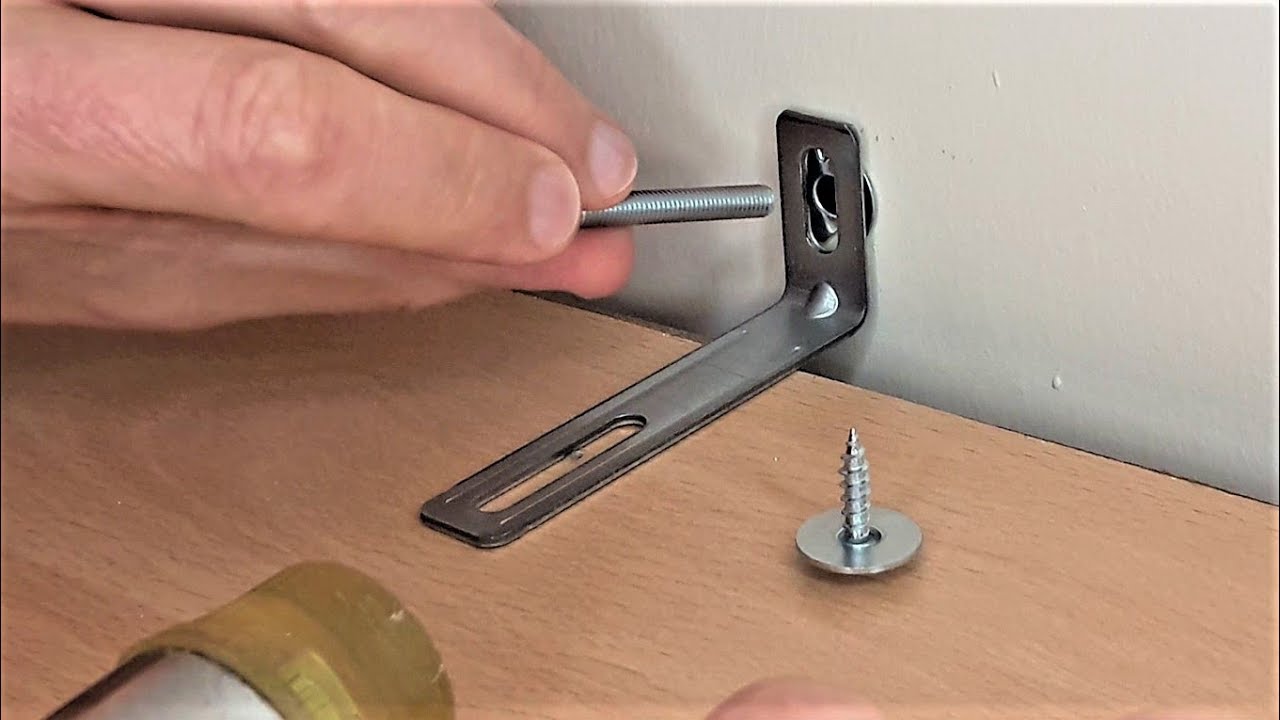
Wall anchors hold screws in drywall or plaster securely. Choose anchors suitable for your wall type. L-shaped brackets support the shelf and keep it from tipping. Pick brackets strong enough for your shelf size. Screws connect brackets to the wall and shelf.
Safety Gear
Wear safety glasses to protect your eyes from dust. Gloves keep your hands safe from sharp edges. Use a dust mask if drilling creates a lot of dust. Proper safety gear prevents injuries during installation.
Credit: www.youtube.com
Preparing The Wall And Bookshelf
Preparing the wall and bookshelf is the first step to safe and sturdy installation. Proper preparation ensures the bookshelf stays secure and prevents accidents. This process involves choosing the right spot, checking the wall type, and measuring carefully. Each step is important to create a strong hold for your bookshelf.
Choosing The Location
Pick a wall space that fits your bookshelf size. Avoid areas with electrical wires or plumbing behind the wall. Find a spot where the bookshelf will not block doors or windows. Make sure the location is easy to reach and looks good in the room.
Checking Wall Type
Identify the type of wall before drilling. Common walls include drywall, plaster, and concrete. Use a stud finder to locate wooden studs behind drywall. Studs provide a solid base to anchor the bookshelf. For concrete or brick walls, use appropriate masonry anchors.
Measuring And Marking
Measure the bookshelf width and height carefully. Mark the wall where the brackets or anchors will go. Use a level to keep marks straight and even. Double-check all measurements before drilling holes. Accurate marking helps the bookshelf hang balanced and secure.
Selecting The Right Anchors
Selecting the right anchors is key to securing a bookshelf safely to the wall. Anchors hold the weight and keep the shelf steady. Using the wrong anchor can cause damage or make the shelf fall. Choose anchors based on your wall type and the shelf’s weight. Below are common types of anchors for different walls.
Drywall Anchors
Drywall anchors are ideal for walls made of plaster or drywall. These anchors spread the load behind the wall surface. They come in plastic, metal, and toggle styles. Plastic anchors work for light to medium loads. Metal anchors hold more weight. Toggle anchors provide the strongest grip by expanding behind the wall. Use drywall anchors for lightweight shelves or small book collections.
Stud Anchors
Stud anchors attach directly into wooden wall studs. Studs are the solid wood frames behind drywall. Screwing into a stud offers the strongest support. You need a stud finder to locate them. Stud anchors are perfect for heavy bookshelves and large loads. They help prevent the shelf from pulling away from the wall. Always try to mount your bookshelf on studs if possible.
Masonry Anchors
Masonry anchors work on brick, stone, or concrete walls. These anchors drill into hard surfaces to provide a secure hold. Common types include sleeve anchors, wedge anchors, and masonry screws. Use a hammer drill for installation. Masonry anchors are best for bookshelves attached to exterior or basement walls. They ensure the shelf stays stable on rough surfaces.

Credit: www.reddit.com
Attaching Brackets To Bookshelf
Attaching brackets to your bookshelf is a key step to keep it stable and safe. Brackets hold the shelf firmly against the wall. This prevents tipping and damage.
Follow simple steps for strong support. Use proper tools and materials. Take your time to position and secure brackets well.
Positioning Brackets
Place brackets near the top and bottom edges of the bookshelf. This gives the best balance and support. Mark spots clearly with a pencil before drilling.
Ensure brackets align straight with the shelf sides. Measure twice to avoid mistakes. Keep equal distances on both sides for stability.
Securing With Screws
Use screws that fit bracket holes and shelf material. Pre-drill small pilot holes to prevent wood splitting. Screw brackets tightly but avoid over-tightening.
Check if brackets hold firmly after screwing. Tighten any loose screws. Proper securing keeps your bookshelf safe and steady.
Mounting Bookshelf To Wall
Mounting a bookshelf to the wall keeps it steady and safe. It stops the shelf from tipping over and protects your items. This process is simple if you follow clear steps. Safety and stability come first when attaching heavy furniture to walls.
Locating Studs Or Using Anchors
Find the wall studs to secure the bookshelf. Studs are wooden beams behind the wall that hold weight. Use a stud finder to locate them easily. Mark the stud spots with a pencil.
If studs are not in the right place, use wall anchors. Anchors hold screws in drywall and add strength. Choose anchors rated for the shelf weight. Insert anchors before screwing to avoid damage.
Drilling And Installing Screws
Drill pilot holes at the marked spots on the wall. Use a drill bit smaller than the screw size. This helps screws go in straight and keeps the wall intact.
Next, align the bookshelf with the holes. Drive screws through the bookshelf frame into the studs or anchors. Tighten screws firmly but do not over-tighten. Check the shelf for stability before loading it.

Credit: space-plug.com
Ensuring Stability And Safety
Securing a bookshelf to the wall is important for safety and stability. A well-fixed bookshelf prevents accidents and keeps your books safe. Taking simple steps helps ensure the shelf stays in place. This section guides you through testing firmness, adjusting the shelf, and extra safety tips.
Testing For Firmness
Push the bookshelf gently from different sides. It should not wobble or move easily. Try to shake it lightly to check stability. A firm shelf feels solid and steady. If it moves, it needs adjustment.
Adjusting If Necessary
Check the screws and brackets holding the shelf. Tighten any loose screws with a screwdriver. Use wall anchors for extra support on drywall. Make sure brackets are flush against the wall. Adjust until the shelf no longer shifts or wobbles.
Additional Safety Tips
Place heavier items on lower shelves for balance. Avoid overloading the shelf beyond its weight limit. Use anti-tip straps or brackets for extra protection. Keep the area around the bookshelf clear to prevent bumps. Regularly inspect the shelf for wear or looseness.
Frequently Asked Questions
How Do You Secure A Bookshelf To The Wall Safely?
Use wall anchors or studs to mount brackets securely. Measure and level the bookshelf, then attach brackets with screws. This prevents tipping and improves stability.
What Tools Are Needed To Secure A Bookshelf?
You need a drill, screwdriver, level, measuring tape, wall anchors, screws, and mounting brackets. These ensure a strong and precise installation.
Can I Secure A Bookshelf To Drywall Without Studs?
Yes, use heavy-duty wall anchors or toggle bolts designed for drywall. They provide strong support when studs are unavailable.
How High Should I Mount A Bookshelf On The Wall?
Mount the bookshelf at a comfortable height, typically with the bottom 6-12 inches above the floor. Ensure stability and easy access.
Conclusion
Securing your bookshelf to the wall keeps it steady and safe. It stops accidents and protects your books and family. Use the right tools and follow the steps carefully. Check the wall type and anchors before you start. A stable bookshelf lasts longer and looks better.
Take your time and work with care. This simple task improves your home’s safety and style. Try it today and enjoy a safer space.