
Are you thinking about getting a full size bunk bed but worried if it can hold enough weight for you and your family? Knowing how much weight a full size bunk bed can support is crucial for your safety and comfort.
You want to make sure it’s strong enough for everyday use, whether it’s for kids, teens, or adults. You’ll discover the key factors that affect a bunk bed’s weight limit and how to choose the best one that fits your needs.
Keep reading to find out everything you need to know before making your decision.
Weight Capacity Basics
Understanding the weight capacity of a full size bunk bed is important for safety and comfort. Weight capacity means how much weight the bed can hold without damage. It depends on many factors like materials, design, and build quality. Knowing these basics helps you choose the right bunk bed for your needs.
Materials And Construction
The strength of a bunk bed relies on the materials used. Wood beds made from solid hardwood tend to hold more weight than softwood or particleboard. Metal frames often offer strong support and durability. The construction method also matters. Beds with thicker slats and secure joints support weight better. Check how the bed parts are connected. Screws and bolts provide stronger joints than nails or glue.
Design Factors
Bunk bed design affects its weight capacity. Beds with more support beams and cross braces spread the weight evenly. A well-designed ladder and guardrails add safety but also need to be sturdy. The height of the top bunk and space between bunks influence stability. Designs that focus on balance and support usually hold more weight. Avoid beds that look flimsy or have thin frames.
Standard Weight Limits
Most full size bunk beds have a weight limit between 200 to 400 pounds per bunk. The lower bunk often supports a little more weight than the upper bunk. Manufacturers set these limits to keep users safe. Exceeding these limits can cause damage or accidents. Always check the specific weight capacity before buying. This helps ensure the bed fits your family’s needs and lasts longer.

Credit: www.justbunkbeds.com
Weight Limits By Bed Parts
Understanding the weight limits of each part of a full size bunk bed is important. It helps keep the bed safe and durable. Each part has its own weight capacity. This capacity depends on the materials and design used. Knowing these limits can prevent accidents and damage.
Top Bunk Capacity
The top bunk usually holds less weight than the bottom. This is because it is higher and needs strong support. Most top bunks support between 150 to 200 pounds. This is enough for one child or teenager. Some heavy-duty models may hold more, up to 250 pounds.
Bottom Bunk Capacity
The bottom bunk often supports more weight. It may hold two people or heavier individuals. Typical bottom bunk weight limits range from 200 to 400 pounds. Solid wood or metal frames usually have higher capacities. This makes the bottom bunk more versatile for sleeping or sitting.
Ladders And Guardrails
Ladders and guardrails have their own weight limits too. Ladders usually support around 200 pounds. Guardrails do not hold weight directly but must be strong. They prevent falls and keep sleepers safe. Both parts need to be sturdy and well fixed to the bed frame.
Factors Affecting Weight Capacity
The weight capacity of a full size bunk bed depends on several important factors. These factors affect how much weight the bed can safely hold. Understanding these can help you choose and maintain your bunk bed better.
Each element plays a role in the overall strength and durability of the bed. Knowing these can prevent accidents and extend the life of the bunk bed.
Type Of Mattress
The mattress type impacts the bed’s weight capacity. Some mattresses are heavy and dense, adding more weight to the frame. Others are light and flexible, putting less stress on the structure.
Choosing the right mattress ensures the bunk bed can hold weight comfortably. Thick or memory foam mattresses might reduce the total weight limit.
Age And Wear
Older bunk beds often lose strength over time. Wood can weaken, and metal parts may rust or bend. These changes lower the bed’s weight capacity.
Regular use causes wear and tear. Check the bed for cracks, loose screws, or broken parts to maintain safety. A well-kept bed holds more weight safely.
Proper Assembly
Correct assembly is crucial for weight capacity. Tight screws and bolts keep the bed strong and stable. Loose or missing parts weaken the frame.
Following the assembly instructions carefully ensures the bed holds the maximum weight. A sturdy build reduces the risk of accidents and damage.
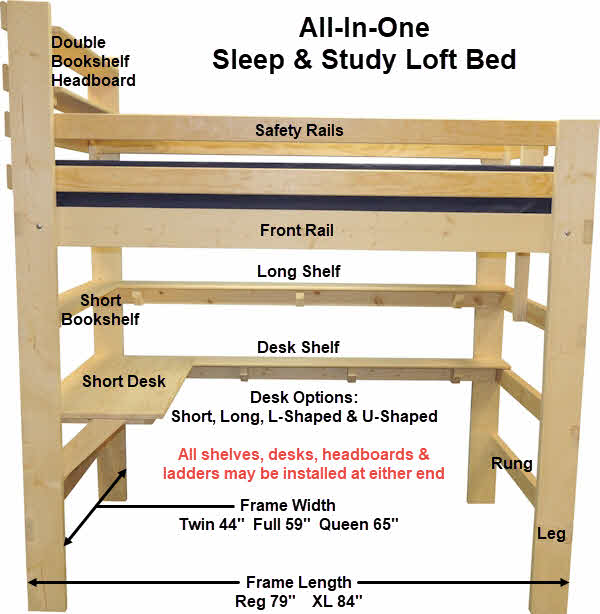
Credit: www.collegebedlofts.com
Safety Tips For Bunk Bed Use
Safety is important when using a full size bunk bed. Following simple tips keeps everyone safe and prevents accidents. Proper care helps the bed last longer and supports the weight it is made for.
Load Distribution
Spread weight evenly across the bunk bed. Avoid putting too much weight on one side. Balanced load keeps the bed stable and strong. This helps prevent damage and keeps sleepers safe.
Regular Inspections
Check the bunk bed often for loose screws or broken parts. Tighten any loose bolts and replace damaged pieces quickly. Regular checks stop small problems from becoming big safety risks.
Avoiding Overloading
Do not exceed the weight limit set by the bed’s manufacturer. Overloading can cause the bed to break or collapse. Know the maximum weight and follow it strictly to avoid injuries.
Choosing The Right Bunk Bed
Choosing the right bunk bed is important for safety and comfort. A strong bed supports the weight of sleepers without bending or breaking. It also lasts longer and feels stable. This section helps you pick a bunk bed that fits your needs and holds weight well.
Materials To Consider
Wood and metal are common materials for bunk beds. Solid wood is strong and looks nice. Metal frames are lighter but very sturdy. Some beds mix wood and metal for balance. Check for thick, quality materials. Thin wood or light metal may not hold much weight.
Weight Ratings To Look For
Every bunk bed has a weight limit. This shows how much weight it can safely hold. Look for beds with clear weight ratings. A full size bunk bed usually supports between 250 and 600 pounds per bed. Choose a bed with a higher weight limit for extra safety.
Brands Known For Durability
Some brands make bunk beds known for strength and quality. These brands test their beds for safety and weight support. Reading reviews helps find trusted brands. Pick brands with good feedback on durability and weight capacity.
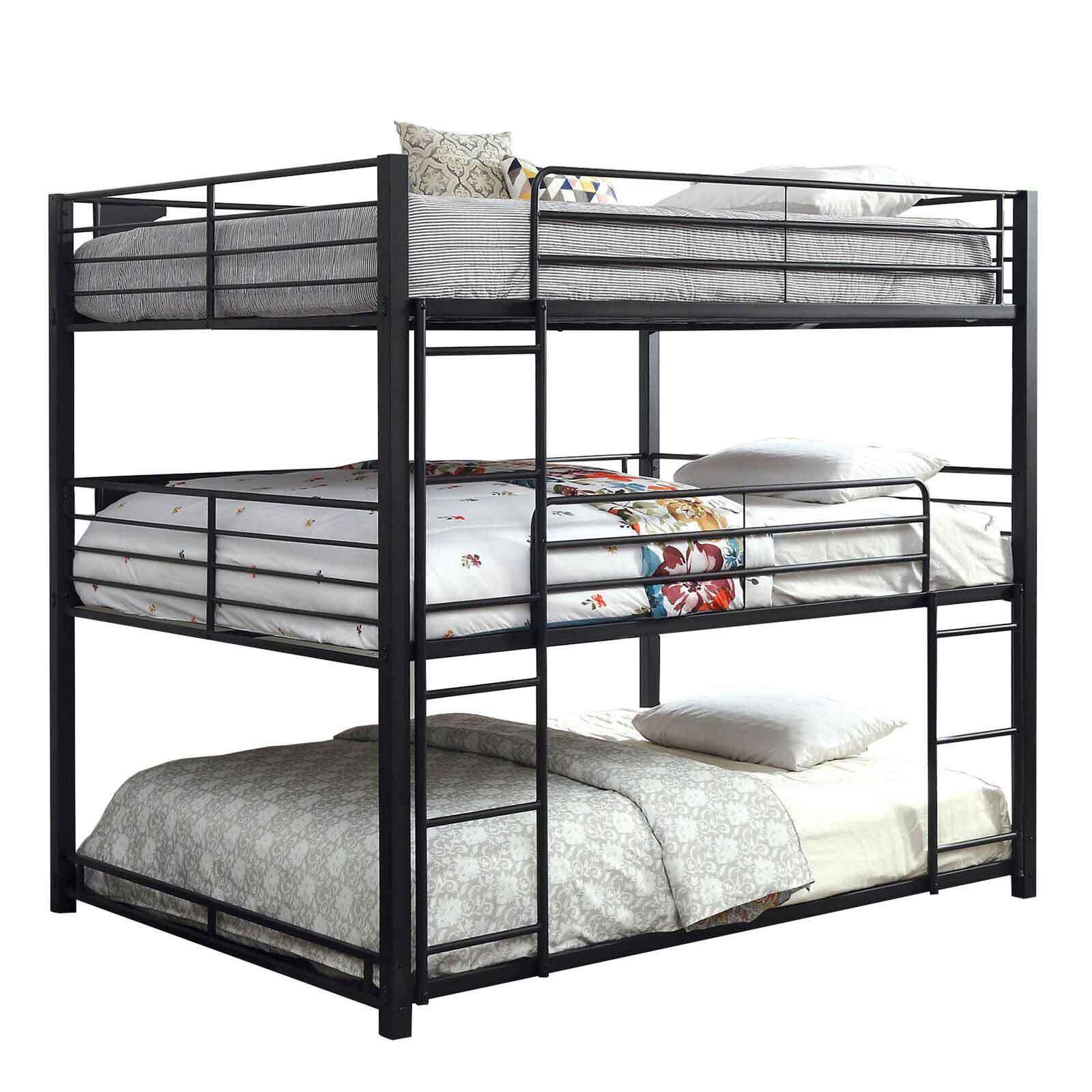
Credit: www.justbunkbeds.com
Custom And Heavy-duty Options
Custom and heavy-duty bunk beds offer extra strength and durability. They are ideal for those who need more weight support. These beds use special materials and designs. They handle more weight than standard models. Choosing the right option can ensure safety and comfort.
Reinforced Frames
Reinforced frames increase a bunk bed’s weight capacity. Builders add extra support beams and thicker slats. This helps the bed hold more weight without bending or breaking. Reinforced frames also reduce noise and movement. They keep the bed stable for heavier users.
Metal Vs Wood
Metal bunk beds often support more weight than wooden ones. Metal frames are strong and resist warping. Wood beds look warmer and fit many decors. Heavy-duty wood beds use hardwoods like oak or maple. Both materials can be custom-built for high weight limits.
Professional Modifications
Professionals can modify bunk beds for extra strength. They may add metal brackets or thicker supports. Custom welding or woodwork can boost the bed’s durability. These changes make the bed safer for heavy use. Always hire experts to ensure proper modifications.
Frequently Asked Questions
How Much Weight Can A Full Size Bunk Bed Support?
A full size bunk bed typically supports 400 to 600 pounds. This includes weight from both mattresses and occupants. Always check the manufacturer’s specifications for exact weight limits. Proper assembly and sturdy materials ensure safety and durability.
Does Mattress Weight Affect Bunk Bed Capacity?
Yes, mattress weight counts towards the total weight limit. Heavier mattresses reduce the maximum occupant weight allowed. Choose lightweight mattresses to maximize usable weight capacity and maintain bed stability.
Can Adults Safely Use Full Size Bunk Beds?
Many full size bunk beds are designed for adults, supporting up to 600 pounds. Ensure the bed frame is strong, with solid construction and quality materials. Verify the weight rating before use to guarantee safety.
What Materials Increase A Bunk Bed’s Weight Capacity?
Metal frames and solid hardwood increase bunk bed strength. These materials provide better support and durability. Avoid particleboard or low-quality wood for higher weight limits and longer bed lifespan.
Conclusion
A full size bunk bed can hold a good amount of weight. Most models support between 200 to 400 pounds per bed. Always check the manufacturer’s weight limit before buying. Strong materials like metal or solid wood increase safety. Proper assembly also helps keep the bed sturdy.
Knowing the weight capacity ensures safe use for kids and adults. Choose a bunk bed that fits your needs and space well. Safety matters most when picking furniture for your home.