Have you ever wondered how tall a bookshelf should be to fit perfectly in your space? Choosing the right height can make a big difference in how your room looks and feels.
Whether you want to showcase your favorite books, display decorative items, or maximize storage, knowing the ideal bookshelf height is key. You’ll discover practical tips and simple guidelines that help you pick the perfect bookshelf height for your needs. Keep reading to find out how to transform your room with just the right bookshelf size.
Standard Bookshelf Heights
Bookshelves come in many sizes. Knowing the standard heights helps you pick the right one. It also helps in planning space at home or office. Standard bookshelf heights suit most rooms and needs. They balance storage with room size well.
Common Height Measurements
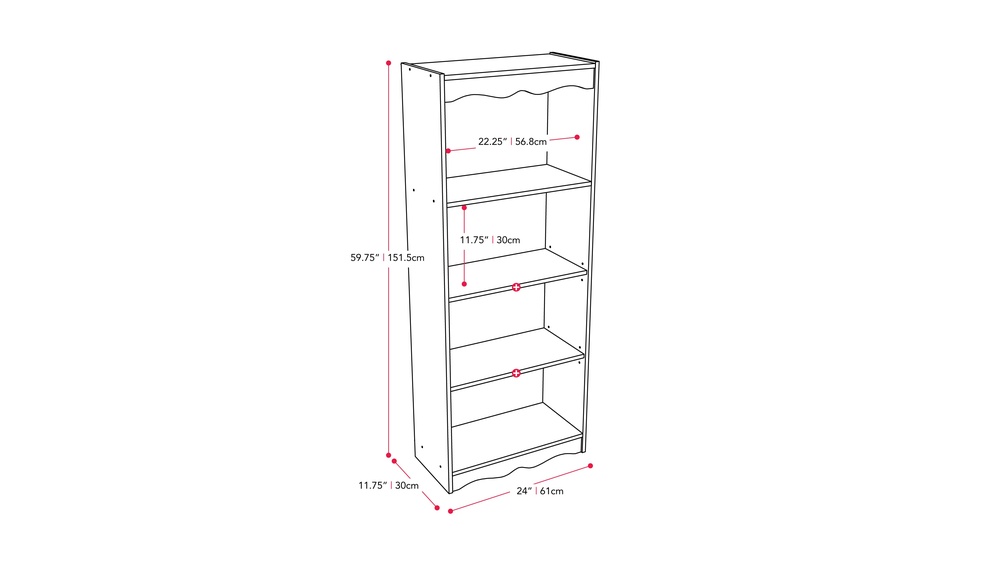
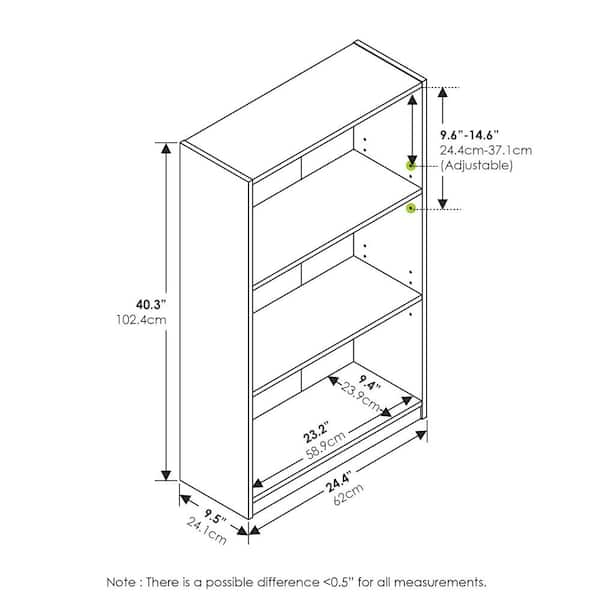
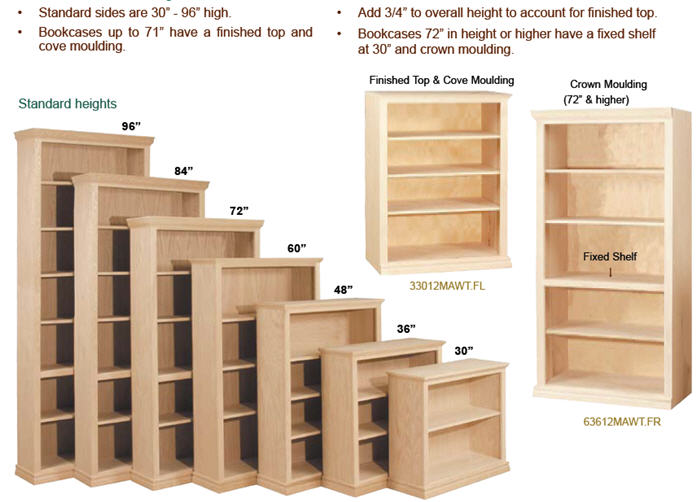
Most bookshelves stand between 3 and 7 feet tall. A 3-foot shelf is small and fits tight spaces. A 5-foot shelf is very popular for homes. It holds many books without being too tall. Taller shelves, around 6 to 7 feet, hold more books. They need wall support to stay safe. Choose height based on room size and book collection.
Variations By Bookshelf Type
Different bookshelf types have different heights. Standard bookcases are usually 5 to 6 feet tall. Ladder shelves tend to be shorter, about 4 feet. Corner shelves often range from 3 to 5 feet tall. Floating shelves are smaller, around 1 to 3 feet. Adjust height to fit style and space. Each type serves a unique purpose and room layout.
Choosing Height Based On Room Size
Choosing the right bookshelf height depends on the size of your room. The bookshelf should fit well without overwhelming the space. It must look balanced and provide enough storage. Small rooms need different solutions than large rooms. Understanding these needs helps select the perfect bookshelf height.
Small Spaces And Compact Shelves
Small rooms benefit from shorter bookshelves. These shelves keep the room open and airy. Tall shelves can make the space feel crowded and tight. Compact shelves fit neatly in corners or beside furniture. Choose shelves under six feet to avoid blocking windows or doors. Open or floating shelves also save floor space and add style.
Large Rooms And Tall Units
Large rooms allow for taller bookshelves. Tall units use vertical space efficiently. Shelves up to eight feet or higher can work well. Tall bookshelves create a grand and elegant look. They offer more storage for books and decor. Place tall shelves against large walls to balance the room size. Adding a ladder can help reach higher shelves safely.
Bookshelf Height For Different Uses
Bookshelves come in many shapes and sizes. Their height depends on their use. Choosing the right height makes the shelf both useful and attractive. Different uses need different heights to fit the space and contents well.
Some shelves hold decorative items. Others store books or everyday items. Each need calls for a different bookshelf height. Understanding these needs helps in picking the perfect shelf.
Display And Decorative Shelves
Display shelves are usually shorter. They range from 3 to 5 feet tall. This height keeps decorations at eye level. It makes the items easy to see and enjoy.
Shelves with open backs work well here. They let light pass through and brighten the room. Small shelves fit in tight spots like corners or above furniture.
Storage And Functional Shelves
Storage shelves tend to be taller. Heights between 6 and 7 feet are common. Taller shelves fit more books and storage bins. This saves floor space and keeps rooms neat.
Adjustable shelves add flexibility. You can change shelf height to fit different items. Strong materials are important to hold heavy books or tools safely.
Credit: www.homedepot.com
Adjustable And Customizable Options
Bookshelves come in many sizes and shapes. Adjustable and customizable options make them fit any space perfectly. These choices help you change shelf height or add new parts. This way, a bookshelf grows with your needs. You get more room for books, decor, or other items. Flexible designs suit small apartments and large homes alike.
Modular Bookshelf Systems
Modular bookshelf systems consist of separate pieces. You can stack or arrange them as you wish. Each module fits together easily and stays stable. This lets you build a tall or short shelf. Change the layout anytime without buying new furniture. Modules often come in different colors and styles. They match your room’s look and your storage needs.
Diy Height Adjustments
DIY height adjustments allow you to move shelves up or down. Many bookshelves have holes or tracks for this. You just lift a shelf and place it in a new spot. This simple change fits books of various sizes. Taller books get more room. Smaller items don’t get lost on wide shelves. DIY adjustments save money and add personal touch to your shelf.
Ergonomics And Accessibility
Choosing the right bookshelf height affects more than just room space. It impacts how easily you reach and view your books. Good ergonomics makes your bookshelf comfortable to use every day. Accessibility ensures everyone can enjoy your collection without trouble.
Reaching And Viewing Comfort
A bookshelf should allow easy reach to all shelves. Place frequently used books at eye level or lower. This reduces strain on your arms and back. Tall shelves may require a step stool, which can be unsafe. Make sure books are visible without bending or stretching too much. Proper height helps you find books quickly and keeps your posture right.
Safety Considerations
Bookshelves must be stable and secure. Tall shelves should be anchored to the wall to prevent tipping. Avoid placing heavy items on top shelves. Keep shelves away from places where children might climb them. Rounded edges reduce injury risks. Safety features help protect your family and keep your space safe.
Impact Of Ceiling Height On Bookshelf Size
Ceiling height plays a big role in choosing the right bookshelf size. It affects both the look and function of the shelf. The height of your ceiling can either limit or expand your options.
Bookshelves should fit well in the room. They must not feel too small or too tall. The right size balances the space and makes the room feel comfortable.
Low Ceilings And Space Optimization
Low ceilings need careful bookshelf choices. Tall bookshelves can make the room feel crowded. Shorter shelves work better here. They keep the room open and airy.
Use shelves that fit under windows or along short walls. This saves space. You can add storage without blocking light or views. Choose simple designs to avoid a heavy look.
High Ceilings And Statement Pieces
High ceilings allow for tall bookshelves. These shelves become a strong design feature. They draw the eye upward and use empty wall space well.
Tall, grand bookshelves can hold many books and décor items. They give a room character and style. Adding a ladder or different shelf shapes adds interest. This makes the bookshelf a focal point in the room.
Material And Design Influences On Height
The height of a bookshelf depends on its material and design. Different materials offer various strengths and limits. The design style also affects how tall a bookshelf can be. These factors shape the bookshelf’s size and stability.
Wood Vs Metal Frames
Wood frames often create taller bookshelves. Wood can support heavy weight well. Solid wood holds up over time. It allows for taller and wider shelves. Metal frames tend to be thinner and lighter. Metal shelves may have height limits. They focus on modern, sleek designs. Metal frames might need extra support for tall shelves. The choice between wood and metal affects the bookshelf’s height and look.
Open Vs Closed Shelving
Open shelves usually stand taller. They have fewer walls and support points. This design relies on strong frames for stability. Closed shelving adds walls on the sides and back. These walls give extra support to hold weight. Closed shelves often have a lower height limit. They look bulkier but feel sturdier. Open shelves create a lighter, airier appearance. Each style influences the maximum height a bookshelf can reach.
Credit: www.highlandsdesigns.com
Tips For Measuring And Planning
Measuring and planning are key steps before buying or building a bookshelf. Proper measurements help avoid mistakes and ensure the shelf fits your space well. Taking time to plan also helps you choose the right height and style.
Use simple tools and clear steps to get accurate results. This section shares easy tips for measuring and planning your bookshelf.
Using Tape Measures Effectively
Start with a good tape measure. Pull out the tape slowly to avoid bending or twisting. Measure the height from floor to ceiling first. Then measure the width and depth of your space. Write down each number clearly. Double-check your measurements to be sure. Measure twice to avoid mistakes.
Visualizing With Room Layouts
Draw a simple room layout on paper or use a free online tool. Mark the exact spot for your bookshelf. Add measurements to your drawing. This helps you see how the shelf fits with other furniture. Think about walking space and wall space. Visualizing helps you pick the best shelf size and shape.

Credit: tribesigns.com
Frequently Asked Questions
How Tall Is A Standard Bookshelf?
A standard bookshelf is typically 6 feet (72 inches) tall. This height suits most room settings and provides ample storage space for books.
What Is The Height Of A Short Bookshelf?
Short bookshelves usually measure around 3 to 4 feet tall. They fit well in small rooms and under windows or desks.
How Tall Are Tall Bookshelves?
Tall bookshelves can range from 7 to 8 feet in height. They maximize vertical storage, ideal for rooms with high ceilings.
Does Bookshelf Height Affect Book Storage Capacity?
Yes, taller bookshelves hold more books vertically. Height directly increases storage potential, allowing more shelves and space for books.
Conclusion
Bookshelves come in many heights to fit different needs. Choosing the right height depends on space and what you want to store. Standard shelves are usually between 60 and 72 inches tall. Shorter shelves work well for small rooms or desks.
Taller ones suit larger areas and more storage. Think about your room and books before picking a size. A good bookshelf keeps your space neat and your books easy to find. Simple and practical choices make any room feel better.
Your perfect bookshelf height makes a big difference.