
Are you planning to add a bunk bed to your room but unsure how much space to leave around it? Getting the right amount of space is key to making your room feel comfortable and safe.
Too little space can make the area cramped and hard to move in, while too much might waste valuable room you could use for other things. You’ll discover exactly how much space you need to leave for a bunk bed so it fits perfectly in your home.
Keep reading to make the best choice for your space and your family’s comfort.
Choosing The Right Room
Choosing the right room for a bunk bed is important for safety and comfort. The room must have enough space for the bed and for moving around. It should feel open, not crowded. Planning the space carefully helps avoid problems later. Two key factors to consider are the room size and ceiling height.
Room Size Considerations
Measure the room before buying a bunk bed. Leave extra space around the bed for walking. A narrow room can feel tight with a big bunk bed. Make sure there is space for other furniture too. Keep at least two feet of clear space on each side. This allows easy access and reduces the risk of bumping into walls.
Ceiling Height Requirements
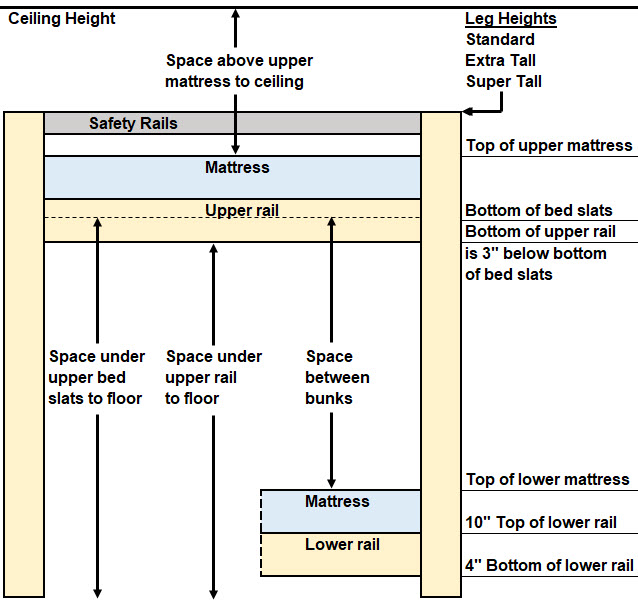
Ceiling height is very important for bunk beds. The top bunk needs enough space above to sit up safely. A ceiling height of at least 8 feet is ideal. Lower ceilings can cause discomfort or accidents. Check the bed height and add at least 30 inches above the top bunk. This extra space keeps the room comfortable and safe.

Credit: www.maxtrixkids.com
Bunk Bed Dimensions
Understanding bunk bed dimensions helps you plan your room better. Space matters for safety and comfort. Knowing sizes lets you choose the right bed and leave enough space around it.
Standard Bunk Bed Sizes
Most bunk beds follow common size standards. The twin-over-twin is the most popular size. It usually measures about 39 inches wide and 75 inches long. Height can vary but is often around 65 to 70 inches.
Twin-over-full bunk beds offer more sleeping space below. The full bed usually measures 54 inches wide and 75 inches long. These beds need more floor space but fit well in bigger rooms.
Consider clearance for the ceiling and stairs. Leave at least 30 inches above the top bunk for headroom. Also, allow space for easy climbing and movement around the bed.
Custom And Specialty Beds
Custom bunk beds come in many shapes and sizes. They fit odd spaces or meet special needs. For example, L-shaped bunk beds save room in corners. They usually have a longer height due to design.
Loft beds with desks or storage underneath take more vertical space. Measure carefully to keep enough clearance. Some custom beds have wider or longer mattresses too.
Always check exact dimensions before buying. Custom beds often need more space than standard ones. Plan your room layout carefully for safety and ease of use.
Clearance Around The Bed
Clearance around a bunk bed is key for safety and comfort. It prevents accidents and makes the space easy to use. Leaving enough room helps with getting in and out of bed without trouble. It also allows for better air flow and cleaning. Proper clearance keeps the room feeling open and less cramped.
Side And Foot Space
Leave at least 2 feet of space on the side of the bunk bed. This space helps people move around freely. It also gives room for a ladder or steps. At the foot of the bed, keep about 2 to 3 feet clear. This space lets users sit on the edge or stand comfortably. Avoid placing furniture too close to these areas. It reduces the risk of bumping into objects.
Space Above The Top Bunk
Clearance above the top bunk is very important. Allow at least 30 inches of space from the mattress to the ceiling. This gap prevents hitting your head while sitting up. A higher ceiling makes the bed feel less tight and more open. Check the room height before buying or building a bunk bed. This simple step improves safety and comfort greatly.
Safety Space Guidelines
Safety is the most important factor when placing a bunk bed. Proper space around the bed prevents accidents. Follow these safety space guidelines to protect children and adults alike.
Guardrails And Headroom
Guardrails stop falls from the top bunk. Leave at least 5 inches between the mattress and guardrail. This space keeps sleepers from slipping out.
Headroom means enough space between the top mattress and ceiling. Leave at least 33 to 36 inches for headroom. This space lets the person sit up safely without bumping their head.
Ladder And Access Space
Allow space for the ladder to fit comfortably outside the bed frame. Leave about 24 inches of clear space for easy climbing.
Keep the area around the ladder free from furniture and obstacles. This space ensures safe entry and exit from the bunk bed every time.
Room Layout Tips
Planning the room layout is important for bunk bed placement. Space affects comfort and safety. Proper spacing makes the room feel open and easy to move in. Keep enough room for daily activities and furniture.
Optimizing Walkways
Leave at least 24 inches for walkways around the bunk bed. This space helps avoid bumps and falls. Clear paths make moving around easier. Avoid placing objects in these walkways. Keep walkways wide near the ladder for safe climbing.
Furniture Placement
Place other furniture at least 12 inches from the bunk bed. This prevents crowding and allows easy access to the bed. Use corners for desks or dressers to save space. Avoid blocking windows or doors with furniture. Keep nightstands close but not too tight.
Credit: www.collegebedlofts.com
Maximizing Small Spaces
Maximizing small spaces means making every inch count. Bunk beds are a smart choice for tight rooms. They free up floor space for other uses. Planning the right space around a bunk bed helps keep the room safe and comfy. It also makes the area feel less crowded.
Choosing the right size and style of bunk bed can change how much room you need. Clever ideas can add extra storage without taking up more space. Small rooms become easier to organize and look bigger.
Compact Bunk Bed Options
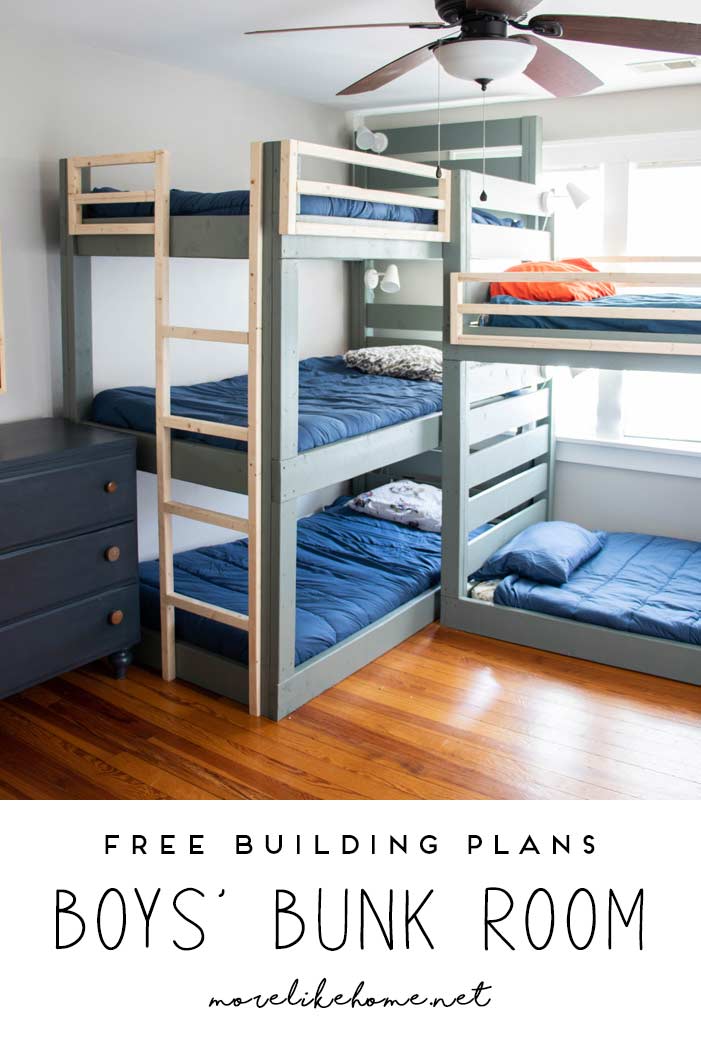
Compact bunk beds fit into smaller rooms easily. These beds are narrower or shorter than standard ones. Some have built-in desks or shelves. This design saves space and adds function. They allow enough room for movement around the bed. Kids can enjoy their space without feeling cramped.
Loft beds are also a good option. They lift the sleeping area up, leaving space underneath. This area can be used for a desk, play zone, or storage. Choosing the right bunk bed size is key for small rooms.
Creative Storage Solutions
Storage is often a challenge in small rooms. Using the space under the bunk bed for drawers or bins works well. You can keep clothes, toys, or books there. Some bunk beds come with built-in storage to save floor space.
Wall shelves near the bunk bed hold essentials without cluttering the floor. Hooks and organizers on the bed frame add space for bags or hats. These ideas keep the room tidy and open. Small bedrooms feel larger with smart storage choices.
Credit: www.morelikehome.net
Frequently Asked Questions
How Much Clearance Is Needed Above A Bunk Bed?
Allow at least 33 to 36 inches of space from the top mattress to the ceiling. This clearance ensures safety and comfortable sitting space on the top bunk.
What Is The Ideal Floor Space For A Bunk Bed?
A standard twin bunk bed requires about 39 inches wide and 75 inches long. Add extra room for ladders and safe movement around the bed.
How Much Space Should Be Left Between Bunk Beds?
Leave at least 18 to 24 inches between bunk beds if placing them side-by-side. This space allows easy access and prevents bumping.
How Much Space Is Needed For Bunk Bed Ladders?
Allocate 12 to 18 inches of space for the ladder area. This space ensures safe and easy climbing without crowding the room.
Conclusion
Choosing the right space for a bunk bed keeps the room safe and cozy. Leave enough room for climbing and moving around freely. Remember to check ceiling height and bed size before placing it. Proper spacing helps avoid accidents and makes the room feel larger.
A well-planned bunk bed setup fits both comfort and style. Take your time measuring and arranging for the best results. Your space will feel balanced and inviting with the right distance around the bed.