Are you looking to add more storage and style to your room? Building a tall bookshelf might be the perfect solution.
Imagine having a sturdy, eye-catching piece that holds all your favorite books, decorations, and keeps your space organized. You don’t need to be an expert carpenter to create one. In this guide, you’ll discover simple steps and useful tips that make building your own tall bookshelf easier than you think.
Ready to transform your space and showcase your collection? Keep reading, and let’s get started!

Credit: www.youtube.com
Planning Your Bookshelf
Building a tall bookshelf starts with good planning. Careful planning makes sure the bookshelf fits your space and holds your books well. It also helps avoid mistakes that cost time and money. Plan the size, materials, and shelf design before you start building. This way, your project will go smoothly and the final product will be strong and useful.
Choosing The Right Height And Width
Measure the space where the bookshelf will stand. Think about the ceiling height and room size. Choose a height that fits without crowding the room. Pick a width that balances storage and stability. A very wide bookshelf may need extra support. Keep in mind how many books you want to store. Make sure the size matches your needs and space.
Selecting Materials And Tools
Choose wood that is strong and easy to work with. Pine, plywood, or MDF are common options. Think about the finish you want. Solid wood looks nice but costs more. Plywood is stable and affordable. Get the right tools: saw, drill, screws, and sandpaper. Quality tools make building easier and faster. Use safety gear like goggles and gloves during work.
Designing Shelves For Stability
Plan shelf spacing to hold books safely. Shelves should not be too far apart or too close. Use thick wood for strong shelves. Add support brackets or a back panel for extra strength. Fix shelves securely to the sides. A stable bookshelf will last longer and hold heavy books without bending.
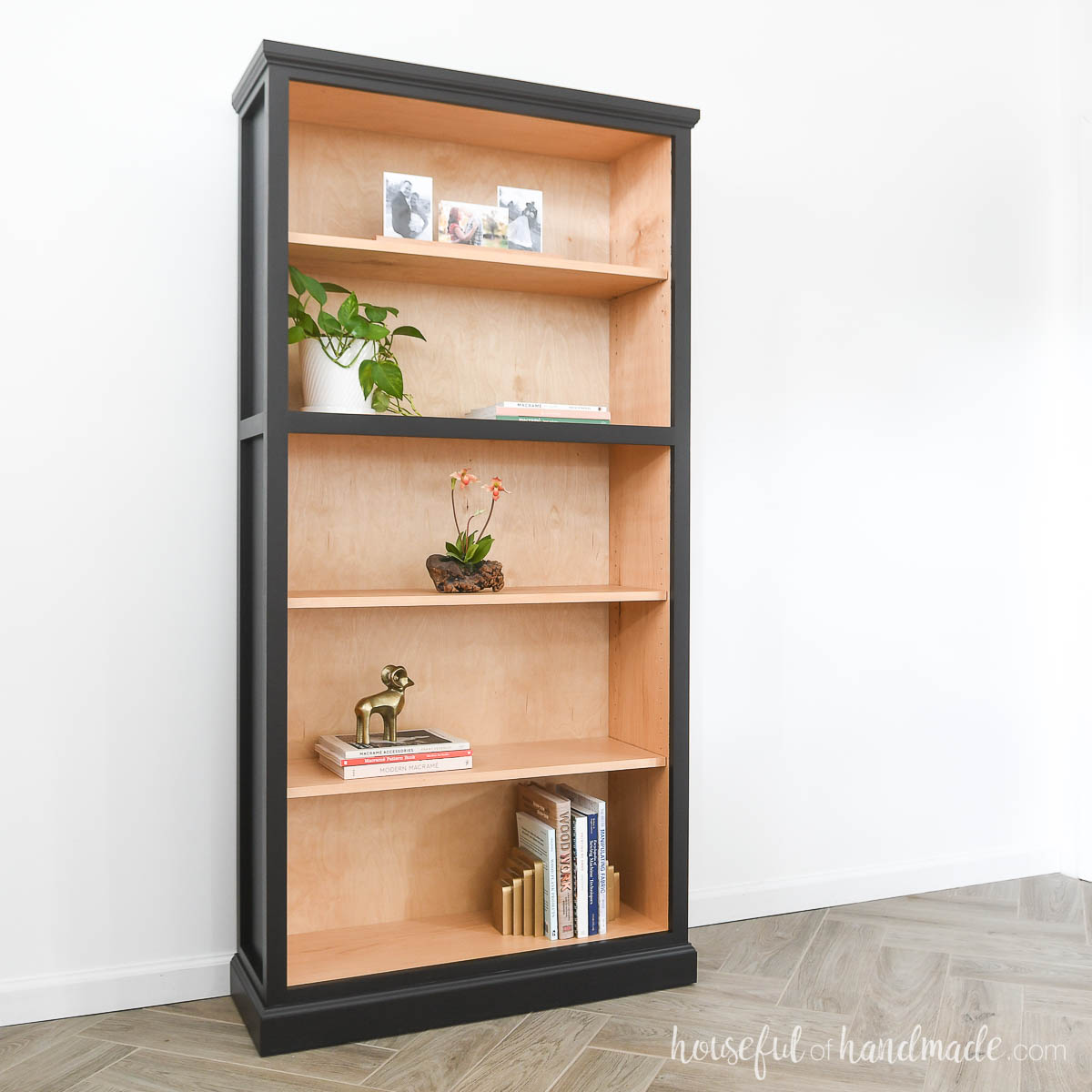
Credit: housefulofhandmade.com
Gathering Supplies
Gathering the right supplies is the first step to build a tall bookshelf. Having quality materials and tools makes the project easier and the final product stronger. Prepare everything before starting to avoid delays and mistakes. This section covers the wood types, tools, and hardware you need for the task.
Wood Types And Finishes
Choose wood that fits your budget and style. Pine is affordable and easy to work with. Oak is strong and lasts long. Maple offers a smooth finish and good durability. Consider the finish to protect the wood. Use varnish for a shiny look. Stain enhances the wood grain and color. Paint adds color and covers flaws. Select a finish that suits your room’s style.
Essential Tools Checklist
Gather tools to cut, assemble, and finish the bookshelf. A saw is needed to cut wood pieces. Use a drill for holes and screws. Sandpaper smooths rough edges. A level ensures shelves stay straight. A tape measure helps with exact cuts. Clamps hold pieces together while gluing. Screwdrivers tighten screws quickly. Have safety gear like goggles and gloves ready.
Hardware And Fasteners
Use strong hardware to keep the bookshelf stable. Wood screws hold the shelves firmly. Brackets support heavy loads. Nails help fix small parts. Wall anchors secure the bookshelf to the wall. Choose screws and nails that match the wood thickness. Keep spare fasteners to avoid running out. Proper hardware prevents wobbling and improves safety.
Cutting And Preparing Wood
Cutting and preparing wood is a key step in building a tall bookshelf. It shapes the wood pieces that will hold your books. Proper preparation makes the assembly easier and the final product stronger.
Take your time with this phase. Accurate cuts and smooth surfaces ensure the bookshelf looks good and lasts long. Safety is important too. Use the right tools and methods to avoid accidents.
Measuring And Marking Pieces
Start by measuring each wood piece carefully. Use a tape measure for exact lengths. Mark the wood with a pencil on the cut line. Double-check all measurements before cutting. Marking clearly helps guide your saw. It keeps your cuts straight and precise.
Safe Cutting Techniques
Wear safety goggles and gloves before cutting. Use a stable surface to place the wood. Hold the wood firmly but avoid tight grips. Use a saw suited for the wood type and thickness. Cut slowly, following the marked line closely. Keep fingers away from the blade at all times. Take breaks if you feel tired to maintain control.
Sanding For Smooth Surfaces
After cutting, sand each edge and surface. Use medium-grit sandpaper to remove rough spots. Follow with fine-grit sandpaper for a smooth finish. Sand along the wood grain to avoid scratches. Smooth surfaces prevent splinters and help paint stick better. Wipe away dust with a clean cloth before assembling.
Assembling The Frame
Building a tall bookshelf starts with assembling a strong frame. The frame holds everything together. It must be sturdy and straight to support all the shelves and books. Follow these steps carefully for a solid base.
Joining The Side Panels
Begin by placing the two side panels upright on a flat surface. Align their edges so they match perfectly. Use wood glue on the edges for better strength. Secure the panels with screws or nails. Drill pilot holes to prevent wood from splitting. Check that the panels stand straight and do not wobble.
Attaching The Top And Bottom
Next, attach the top and bottom panels to the side panels. These pieces connect the frame and give it shape. Apply glue to the edges before placing them. Use clamps to hold the parts together firmly. Screw or nail the pieces in place. Make sure the top and bottom sit flush with the sides.
Ensuring Square And Level Frame
Check if the frame is square using a carpenter’s square. Measure the diagonals; both should be equal. Adjust the panels if the frame is not square. Use a level to confirm the frame is flat and even. Fix any uneven spots before the glue dries. A square, level frame will make shelf installation easier and safer.
Installing Shelves
Installing shelves is a key step in building a tall bookshelf. It shapes how your books will fit and how strong the shelf will be. Proper shelf installation helps keep the bookshelf steady and attractive.
Spacing Shelves For Books
Measure your tallest books before placing shelves. Leave enough room for book height plus extra space. This prevents books from being squeezed or tilted.
Space shelves evenly for a neat look. You can also vary space to fit different book sizes. Plan shelf height to suit your collection’s needs.
Securing Shelves To Frame
Use strong brackets or supports to hold shelves in place. Attach shelves firmly to the bookshelf frame. This stops shelves from wobbling or falling under weight.
Check shelf level with a tool before fixing it fully. Tighten screws well for stability. Use wood glue for extra strength if desired.
Adjustable Vs Fixed Shelves
Fixed shelves are nailed or glued and do not move. They add more strength and stability. Best for heavy books or permanent setups.
Adjustable shelves use pegs or holes to change height. They offer flexibility for different book sizes. Good choice if your collection grows or changes.
Choose the type that suits your needs and bookshelf use. Both have advantages for organizing your books.
Finishing Touches
Finishing touches are key to making your tall bookshelf look great and last long. This stage focuses on protecting the wood and ensuring safety. Simple steps can improve your shelf’s appearance and durability. Follow these tips to complete your project with care.
Applying Paint Or Stain
Choose paint or stain based on your room’s style. Paint offers color variety and covers imperfections well. Stain shows the wood’s natural grain and adds warmth. Use a brush or cloth for even application. Let each coat dry fully before adding another. Light sanding between coats helps smooth the surface. This step brings life to your bookshelf.
Adding Protective Coating
Protective coating guards against scratches and spills. Clear varnish or polyurethane works well for this purpose. Apply thin, even layers with a clean brush. Allow the coating to dry completely after each layer. This layer keeps your bookshelf looking new longer. It also makes cleaning easier.
Attaching Wall Anchors For Safety
Tall bookshelves can tip over without support. Wall anchors secure the shelf firmly to the wall. Use anchors suitable for your wall type, like drywall or masonry. Attach brackets near the top of the shelf for stability. Check that the shelf stands straight and steady. Safety is important, especially in homes with children.
Maintenance Tips
Maintaining your tall bookshelf helps keep it strong and looking good. Regular care extends its life and keeps your books safe. Small efforts prevent big problems later. Here are simple tips for maintenance.
Cleaning And Dusting
Dust your bookshelf often to stop dirt buildup. Use a soft cloth or a feather duster. Clean shelves gently to avoid scratches. Wipe spills quickly to prevent stains. Keep the area around your bookshelf clean too.
Checking For Loose Joints
Look at all joints regularly. Tighten screws and bolts if they feel loose. Check for any cracks or breaks in wood. Fix small problems right away to avoid bigger damage. A steady bookshelf holds your books safely.
Refreshing Finish Over Time
Wood finish fades after some years. Lightly sand the surface before applying new finish. Use a wood stain or clear coat to renew shine. This protects wood from moisture and scratches. Refresh finish every few years for best results.

Credit: www.infarrantlycreative.net
Frequently Asked Questions
How Tall Should A Bookshelf Be For Most Rooms?
A bookshelf height of 6 to 7 feet fits most rooms well. It maximizes storage without overwhelming space. Adjust height based on ceiling and room size for balance and accessibility.
What Materials Are Best For Building A Tall Bookshelf?
Solid wood like pine or oak is best for durability. Plywood offers strength and affordability. Use quality screws and brackets for stability. Avoid lightweight materials to prevent wobbling or collapse.
How Can I Ensure My Tall Bookshelf Is Stable?
Anchor the bookshelf to the wall using brackets or straps. Use a level to keep shelves even. Place heavier items on lower shelves. These steps prevent tipping and improve safety.
What Tools Do I Need To Build A Tall Bookshelf?
Basic tools include a saw, drill, screwdriver, measuring tape, and level. Sandpaper smooths rough edges. Clamps help hold pieces while assembling. Quality tools ensure precise cuts and a sturdy build.
Conclusion
Building a tall bookshelf can be simple and rewarding. Start with a clear plan and the right tools. Measure carefully and choose strong materials for safety. Take your time to assemble each part steadily. A tall bookshelf saves space and shows your style.
Enjoy filling it with your favorite books and items. Keep it sturdy and check it often. Your new bookshelf will last for years. This project adds both function and charm to your room. Ready to build? Grab your tools and begin today!