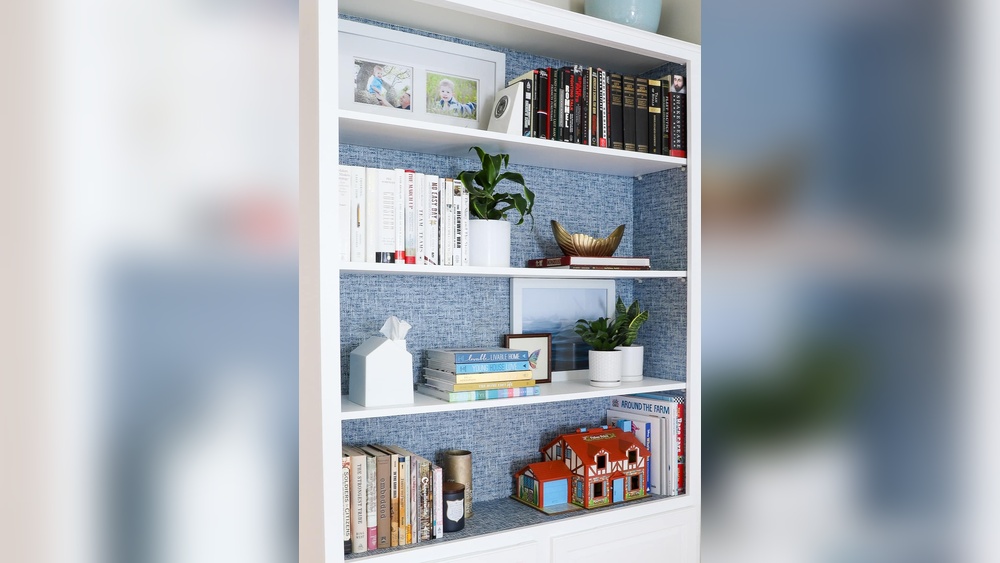
Are you looking to give your bookshelf a fresh, eye-catching look without spending a fortune? Wallpapering your bookshelf is a simple and creative way to add personality and style to your space.
Imagine opening your bookshelf to reveal a pop of color or a fun pattern that makes your favorite books stand out even more. In this guide, you’ll discover easy steps to transform your bookshelf into a unique piece that reflects your taste.
Keep reading, and you’ll learn how to do it like a pro—no experience needed!

Credit: www.youtube.com
Choosing The Right Wallpaper
Choosing the right wallpaper for your bookshelf is key to a great look. The right choice can make your shelf stand out or blend well with your room. Think about durability and style before picking your wallpaper. Not all wallpapers work well on shelves. Some handle wear better, others are easier to apply.
Types Of Wallpaper Suitable For Bookshelves
Vinyl wallpaper is strong and easy to clean. It resists scratches and moisture well. Peel-and-stick wallpaper is simple to use and remove. It suits renters or temporary changes. Fabric-backed wallpaper offers texture and durability. It hides imperfections on shelf surfaces. Avoid very thin or delicate papers; they tear easily on shelves.
Selecting Patterns And Colors
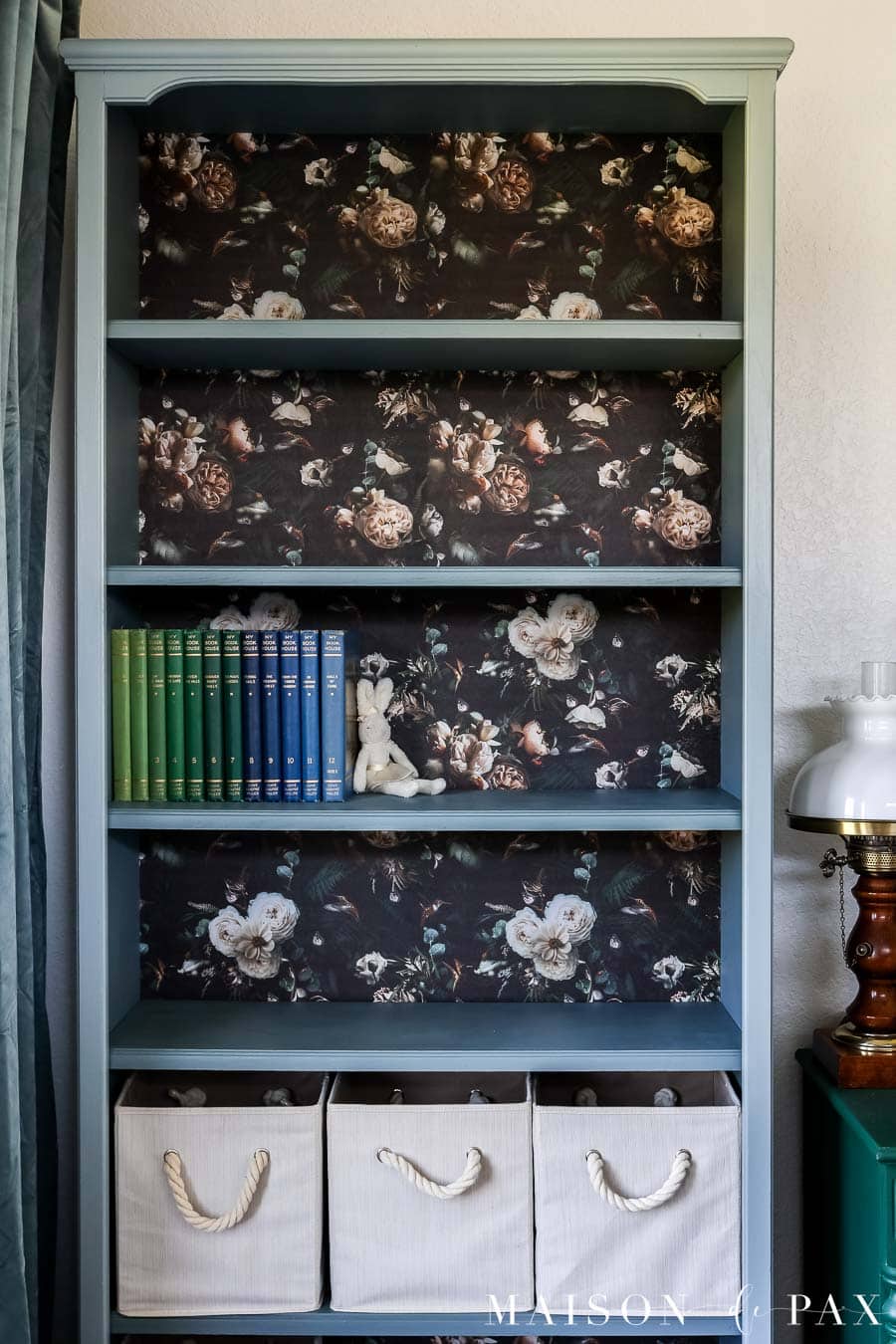
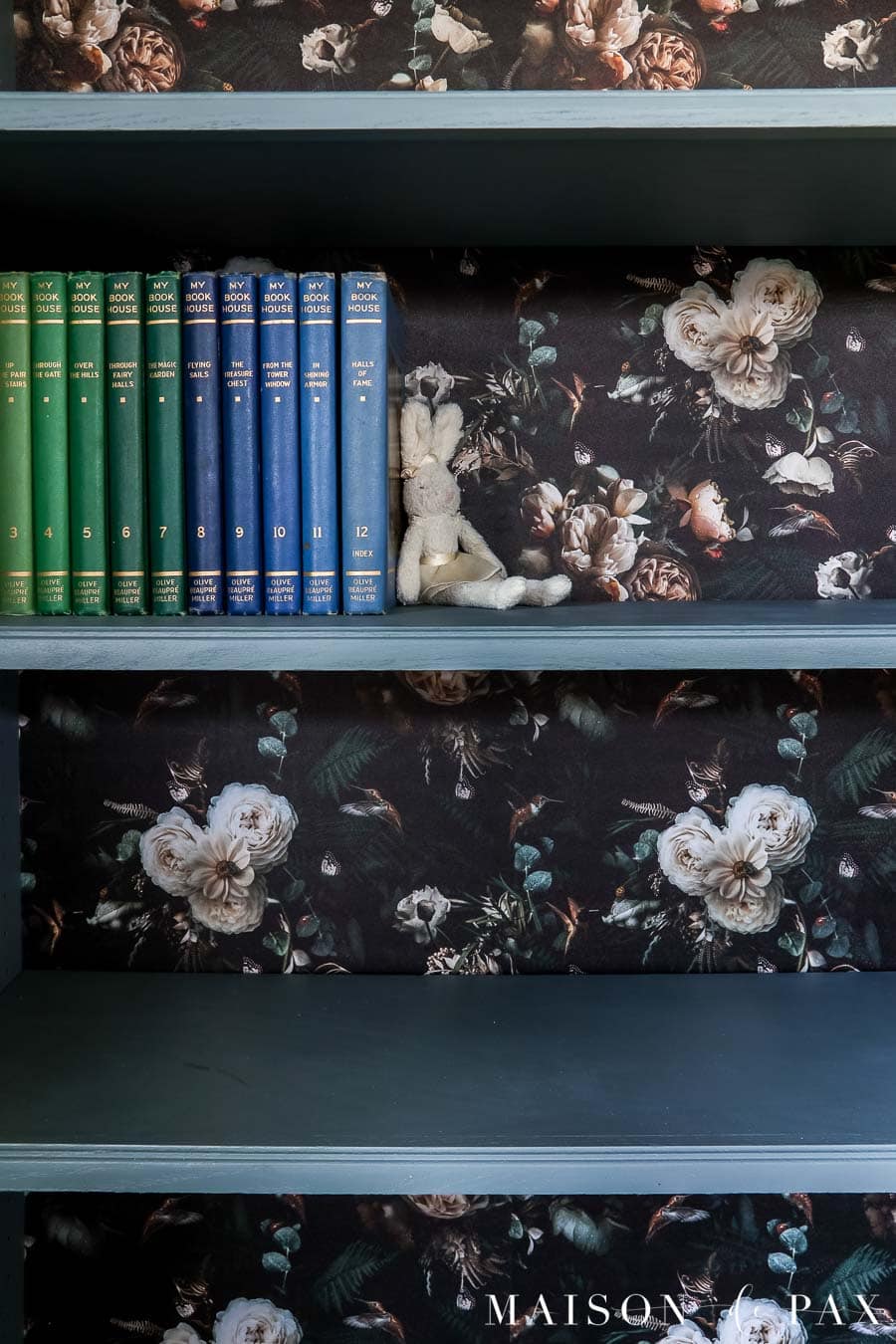
Small patterns fit best on narrow shelves. Large patterns may overwhelm the space. Choose light colors to brighten dark shelves. Dark colors add depth and drama. Consider the room’s style and color scheme. Wallpapers with subtle designs add charm without clutter. Bold patterns work well if the shelf is a focal point.
Measuring For Accurate Coverage
Measure the shelf’s width and height carefully. Note any shelves or dividers inside. Add a little extra length to cover edges. Use a level to mark straight lines. Cut wallpaper pieces slightly larger than needed. This helps with precise trimming after application. Accurate measuring prevents waste and ensures neat results.
Preparing The Bookshelf Surface
Preparing the bookshelf surface is the first step to a successful wallpaper project. It makes sure the wallpaper sticks well and looks smooth. A clean and even surface stops bubbles and wrinkles from forming. This step saves time and effort later.
Cleaning And Sanding
Start by removing all dust and dirt from the bookshelf. Use a soft cloth or sponge with mild soap and water. Let the surface dry completely before moving on.
Next, sand the surface lightly with fine-grit sandpaper. This creates a rough texture for better wallpaper grip. Sand any glossy or shiny areas to dull them.
Wipe away sanding dust with a clean, dry cloth. A smooth and clean surface is ready for priming.
Priming For Better Adhesion
Apply a primer designed for wallpaper or wood surfaces. Primer seals the surface and improves wallpaper stickiness. Use a brush or roller to spread an even coat.
Allow the primer to dry fully as per instructions. A well-primed surface prevents peeling and bubbling later.
With a clean, primed bookshelf, the wallpaper will adhere firmly and last longer.
Cutting And Fitting Wallpaper
Cutting and fitting wallpaper is a key step in wallpapering a bookshelf. This step ensures the paper fits perfectly on each shelf surface without wrinkles or bubbles. Proper cutting helps the wallpaper look neat and professional. Take your time to measure and cut carefully for the best results.
Measuring Panels To Fit Shelves
Start by measuring the width and height of each shelf. Write down the exact numbers. Add a little extra length to each measurement for trimming later. This extra space makes it easier to adjust the wallpaper on the shelf. Measure each shelf separately because sizes may vary.
Trimming Edges For A Clean Look
After cutting the wallpaper panels, place them on the shelves to check the fit. Use a sharp utility knife or scissors to trim any excess paper. Cut slowly and carefully along the edges. Clean edges give the bookshelf a smooth, finished look. Avoid jagged cuts by using a straight edge as a guide.
Credit: www.maisondepax.com
Applying Wallpaper
Applying wallpaper to a bookshelf brings a fresh look and personality. This step requires care and patience. The right technique ensures a smooth, lasting finish. Follow simple tips to apply wallpaper perfectly.
Using The Right Adhesive
Choose adhesive based on wallpaper type. Some papers need paste, others peel-and-stick. Use a brush or roller to spread glue evenly. Avoid too much glue to prevent mess. Let adhesive get tacky before placing wallpaper. This helps it stick firmly without sliding.
Smoothing Out Bubbles And Wrinkles
Start from the center and move outwards. Use a flat tool like a squeegee or credit card. Press gently but firmly to push air out. Work slowly to avoid tearing the paper. Small bubbles can be pierced with a pin. Press the air out carefully for a smooth surface.
Finishing Touches
Finishing touches give your wallpapered bookshelf a neat and lasting look. They protect the wallpaper and add charm. Small details can change the entire feel of your shelf.
Sealing Edges For Durability
Seal all edges with clear craft glue or wallpaper sealant. This step stops peeling and keeps the paper stuck tight. Use a small brush for even application. Press edges firmly to smooth out bubbles. Let the sealant dry completely before use.
Adding Decorative Accents
Decorate with trim, washi tape, or thin wooden strips. These accents hide seams and add style. Choose colors that match or contrast for a fresh look. Attach accents with glue or double-sided tape. Simple details make your bookshelf unique and inviting.
Maintenance And Care
Wallpapering a bookshelf adds charm and personality to any room. Keeping it neat and fresh requires some care. Proper maintenance helps your wallpaper last longer and look great.
Regular care prevents dirt and damage. It also saves you time and effort in the future. Simple cleaning and quick repairs keep the wallpaper smooth and attractive.
Cleaning Wallpapered Surfaces
Dust the wallpaper gently with a soft cloth or duster. Avoid harsh scrubbing that can damage the paper. Use a damp cloth with water for light stains. Blot the stain carefully without rubbing it hard.
For stubborn marks, mix mild soap with water. Test the solution on a small hidden area first. Clean the spot gently and dry it with a soft towel. Avoid using strong cleaners that can cause color fading.
Repairing Minor Damages
Small tears or bubbles can happen over time. Use wallpaper glue to fix loose edges. Apply a small amount under the lifted area and press it down. Wipe away extra glue with a damp cloth.
For tiny holes or scratches, use wallpaper repair paste or clear glue. Fill the damaged spot carefully and let it dry. Smooth the surface with a clean cloth. Quick repairs keep the wallpaper looking neat and fresh.
Credit: www.maisondepax.com
Frequently Asked Questions
How Do I Prepare A Bookshelf For Wallpapering?
Clean the bookshelf thoroughly and remove any dust or debris. Sand the surface lightly for better adhesion. Remove hardware or shelves if possible. Ensure the surface is smooth, dry, and free from grease before applying wallpaper.
What Type Of Wallpaper Works Best On Bookshelves?
Peel-and-stick vinyl wallpaper is ideal for bookshelves. It’s easy to apply and remove without damage. Choose durable, moisture-resistant wallpaper to withstand wear. Patterns with small prints or textures enhance the shelf’s appearance without overwhelming it.
Can I Wallpaper Bookshelf Edges And Corners?
Yes, but take care with edges and corners. Use precise cutting tools for clean lines. Apply wallpaper in small strips around corners. Smooth edges carefully to avoid bubbles or wrinkles for a professional finish.
How Do I Prevent Wallpaper From Peeling On Shelves?
Use a strong adhesive suitable for wood surfaces. Apply wallpaper slowly, pressing firmly to remove air bubbles. Seal edges with clear adhesive or mod podge. Avoid placing heavy or wet items directly on the wallpaper.
Conclusion
Wallpapering a bookshelf adds color and style to any room. It gives old shelves a fresh, new look. You only need a few tools and some patience. Take your time to measure and cut the paper carefully. Press the wallpaper firmly to avoid bubbles and wrinkles.
The effort makes your bookshelf stand out beautifully. Try different patterns to match your taste. Enjoy your personalized space that feels warm and inviting. Simple steps can create a big change in your home décor. Start your project today and see the difference yourself.
