When you’re thinking about building or buying a bookshelf, one question might be on your mind: what kind of wood should you use? The right wood can make your bookshelf strong, beautiful, and long-lasting.
But with so many options out there, it’s easy to feel overwhelmed. You want something that fits your style, holds up to weight, and stays looking great over time. Keep reading, and you’ll discover the best woods for your bookshelf, what makes each one special, and how to choose the perfect match for your space and needs.
By the end, you’ll feel confident picking the wood that’s just right for you.
Choosing Wood For Bookshelves
Choosing the right wood for your bookshelf affects its look and how long it lasts. Wood types vary in strength, color, and texture. Picking the right one helps your bookshelf hold heavy books and match your room’s style. This guide covers key points to help you select the best wood for your needs.
Factors To Consider
Think about the weight the bookshelf will carry. Some woods hold more weight without bending. Consider the size of the bookshelf and how it fits your space. Wood cost matters too. Some types are cheaper but less durable. Your skill with tools also plays a role. Some woods are easier to cut and shape.
Durability And Strength
Hardwood is strong and lasts longer. Oak, maple, and cherry resist dents and scratches. Softwoods like pine are lighter but less strong. They may bend under heavy books. For tall or large shelves, strong wood is best. This keeps your shelf safe and stable over time.
Aesthetics And Finish
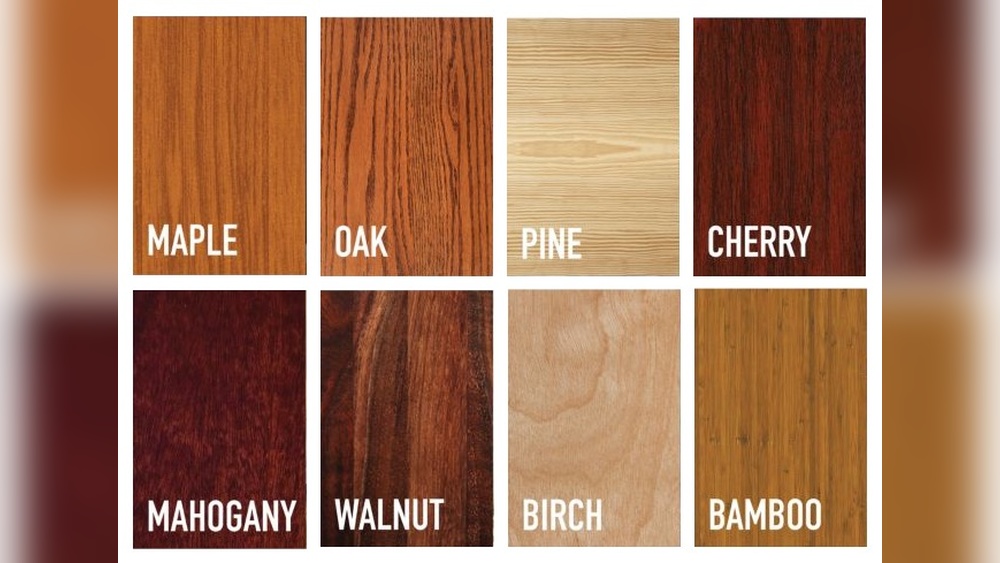
Wood color and grain change the look of your bookshelf. Oak has a classic, warm tone. Cherry offers a rich red-brown finish. Pine is pale with knots for a rustic feel. Finishing wood with stain or paint changes its style. Choose a finish that matches your room’s decor and protects the wood.

Credit: thediyplaybook.com
Popular Wood Types
Choosing the right wood is key for a sturdy, beautiful bookshelf. Different woods offer unique looks and strengths. Some woods are strong and last long. Others are easy to shape and light in color. Here are some popular wood types used for bookshelves.
Oak
Oak is very strong and durable. It has a nice grain pattern that looks classic. Oak shelves hold heavy books well. The wood can be light or dark brown. It resists dents and scratches. Oak fits well in many home styles.
Pine
Pine is soft and easy to work with. It is light in color with knots. Pine is affordable and good for painted shelves. It is lighter than hardwoods but less strong. Pine shelves suit rustic or casual rooms well. They may show wear over time.
Maple
Maple is hard and smooth. It has a fine, even grain. Maple wood is light cream or pale yellow. It resists scratches and dents. Maple shelves look clean and modern. This wood works well for painted or natural finishes.
Cherry
Cherry wood has a warm reddish tone. It darkens with age and sunlight. Cherry is strong and smooth. It has a fine grain and rich color. Cherry shelves add elegance to any space. They need some care to keep their color.
Walnut
Walnut is a dark, rich wood. It has deep brown and purple tones. Walnut is strong and heavy. It shows a beautiful grain with swirls. Walnut shelves give a luxurious, classic feel. They are perfect for high-end furniture.
Softwood Vs Hardwood
Choosing wood for a bookshelf means deciding between softwood and hardwood. Both types have unique features that affect your bookshelf’s look and strength. Understanding their differences helps you pick the best wood for your space and budget.
Characteristics Of Softwood
Softwood comes from trees like pine, cedar, and fir. It grows faster and is lighter than hardwood. Softwood is easier to cut and shape. It often has knots and a lighter color. This wood is less dense, so it may dent or scratch more. Softwood suits simple, budget-friendly bookshelves.
Advantages Of Hardwood
Hardwood comes from trees like oak, maple, and walnut. It grows slower and is denser than softwood. Hardwood is stronger and lasts longer. It resists dents, scratches, and wear better. This wood has rich colors and beautiful grain patterns. Hardwood makes bookshelves that look elegant and sturdy.
Cost Differences
Softwood is usually cheaper than hardwood. It costs less because it grows quickly and is easier to work with. Hardwood is more expensive due to its strength and beauty. The price depends on the wood type and quality. Choose softwood for a low-cost shelf. Pick hardwood for a lasting, stylish bookshelf.

Credit: www.thisoldhouse.com
Wood Treatments And Finishes
Wood treatments and finishes play a key role in creating a durable bookshelf. They protect the wood and make it look better. Choosing the right treatment helps the bookshelf last longer and fit your style.
Sealing And Staining
Sealing wood stops moisture and dirt from entering. This keeps the wood strong and prevents warping. Staining adds color and hides imperfections. It also brings a warm tone to the wood, matching your room’s decor.
Protecting Against Wear
Bookshelves face scratches and spills every day. Applying a finish like varnish or polyurethane creates a tough layer. This layer guards against damage and makes cleaning easier. A well-protected shelf stays beautiful for years.
Enhancing Wood Grain
Wood grain shows the natural beauty of wood. Clear finishes highlight these patterns without hiding them. Oils and waxes deepen the grain and add a soft shine. Enhancing grain gives your bookshelf a rich, natural look.
Sustainability And Sourcing
Choosing wood for a bookshelf involves thinking about the environment. Sustainability and sourcing matter a lot. Wood that is harvested responsibly helps protect forests and wildlife. It also supports communities that depend on forests for their income. Careful selection of wood makes your bookshelf eco-friendly and durable.
Eco-friendly Wood Options
Some woods grow fast and need less water. Bamboo is one example. It regenerates quickly and is strong. Pine is another good choice. It grows in many areas and can be harvested often. These woods reduce pressure on old forests. They offer a greener choice for making bookshelves.
Certified Wood Sources
Wood with certification shows it is responsibly sourced. Look for labels like FSC or PEFC. These certificates mean the wood comes from well-managed forests. They ensure no illegal logging or harm to nature. Using certified wood helps protect forests worldwide. It also encourages better forestry practices.
Reclaimed Wood Benefits
Reclaimed wood comes from old buildings or furniture. It gives new life to wood that might be wasted. This wood has unique colors and textures. Using reclaimed wood reduces the need to cut down trees. It lowers waste and saves energy. Bookshelves made from reclaimed wood tell a story and are eco-friendly.

Credit: tribesigns.com
Building Tips For Longevity
Building a bookshelf that lasts many years takes careful planning and strong construction. Choosing the right wood is just the first step. How you join the parts, support the weight, and care for the shelf also matters. These tips help your bookshelf stay sturdy and beautiful over time.
Proper Joinery Techniques
Strong joints hold the bookshelf together firmly. Use techniques like dovetail or mortise and tenon joints. These connect wood pieces tightly and resist pulling apart. Avoid simple nails or glue alone. They may weaken with time and weight. Good joinery keeps shelves stable and safe.
Supporting Heavy Loads
Books can be heavy, especially if you store many. Add extra supports under shelves to hold the weight. Use thicker wood or metal brackets for strength. Space supports evenly to avoid sagging. Reinforce corners with braces for better balance. Proper support prevents damage and extends shelf life.
Maintenance Advice
Keep your bookshelf clean and dry. Dust it regularly with a soft cloth. Avoid placing it near heaters or damp areas. Check joints and screws every few months. Tighten or fix any loose parts quickly. Use wood polish to protect the surface. Simple care helps wood stay strong and attractive.
Frequently Asked Questions
What Wood Is Best For Durable Bookshelves?
Hardwoods like oak, maple, and cherry are best for durable bookshelves. They resist wear and support heavy loads effectively.
Can Softwood Be Used For Bookshelf Construction?
Yes, softwoods like pine can be used for bookshelves. They are affordable but less durable than hardwoods and may dent easily.
Which Wood Has The Best Appearance For Bookshelves?
Cherry and walnut wood offer rich colors and attractive grain patterns. They enhance bookshelf aesthetics with a premium look.
Is Plywood A Good Material For Bookshelves?
Plywood is a strong, cost-effective option for bookshelves. It resists warping and offers a smooth surface for finishing.
Conclusion
Choosing the right wood affects your bookshelf’s strength and look. Hardwoods like oak and maple last long and hold heavy books well. Softwoods like pine are lighter and easy to work with. Think about your style, budget, and how much weight you need to support.
A good wood choice makes your bookshelf both useful and beautiful. Now, you can pick the perfect wood that fits your needs and space.