Have you ever stood in front of a bathroom vanity and wondered, “How tall is this cabinet supposed to be?” Choosing the right vanity cabinet height can make a big difference in your daily comfort and the overall look of your space.
If your vanity is too tall or too short, it might leave you feeling awkward or uncomfortable while brushing your teeth or washing your face. You’ll discover the ideal vanity cabinet height to fit your needs and style. Keep reading to find out how to make your bathroom both functional and beautiful with the perfect vanity cabinet height.
Credit: castacabinetry.com
Standard Vanity Cabinet Heights
Vanity cabinet height plays a big role in bathroom comfort and style. Standard heights help to keep things practical and easy to use. Choosing the right height can make daily tasks easier and your space look balanced.
Common Measurements
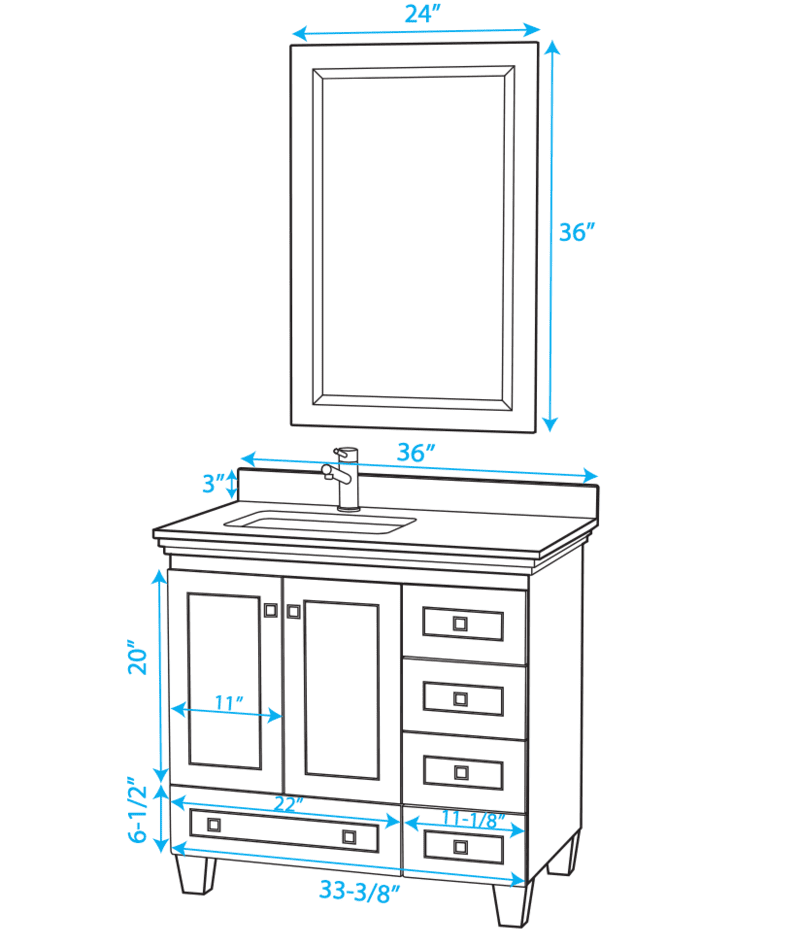
The most common vanity cabinet height is 32 inches from the floor to the top. This height suits many adults and fits standard sink sizes. Some cabinets measure 30 inches, which is a bit lower and often found in older homes. Taller options, around 36 inches, are also popular for a modern look. These heights work well for people who prefer standing while using the sink.
Variations By Style
Vanity cabinet height can change based on style and design. Traditional vanities often keep the 32-inch height for comfort. Modern or custom cabinets may rise to 36 inches to match sleek counters. Floating vanities, which hang on the wall, can have adjustable heights. Kids’ bathrooms usually have shorter vanities, around 28 inches, to fit their size. Styles influence the height, but comfort stays the main goal.
Factors Affecting Vanity Height
The height of a vanity cabinet varies due to several important factors. Choosing the right height improves comfort and usability. It also fits better with your bathroom’s space and style. Understanding these factors helps you pick the best vanity height for your needs.
User Height And Comfort
Your height plays a big role in selecting vanity height. A taller person may prefer a higher vanity to avoid bending. Shorter users might need a lower vanity for easy access. Comfort during daily tasks, like washing hands, depends on this choice. Measure the height that feels natural for standing and using the sink.
Bathroom Size And Layout
Bathroom space affects vanity cabinet height choices. Small bathrooms may require shorter or compact vanities. Large bathrooms offer more flexibility in height and design. The layout also matters. Consider the placement of doors, windows, and other fixtures. A vanity should fit well without blocking movement or light.
Sink And Faucet Types
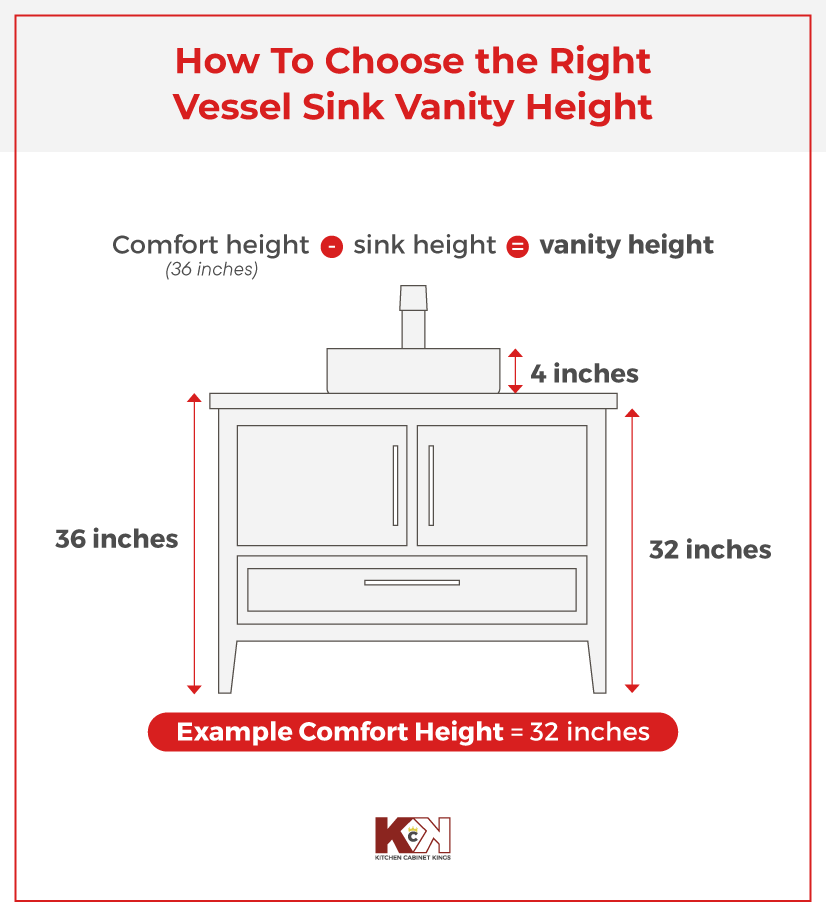
The type of sink changes the vanity height needed. Vessel sinks sit on top and need taller cabinets. Undermount sinks fit below the countertop and work with standard heights. Faucet style also affects vanity height. Some faucets require extra space under the sink or behind the counter. Match vanity height to these sink and faucet types for best results.
Custom Vanity Heights
Vanity cabinets come in many heights to fit different needs. Standard sizes may not suit every home or person. Custom vanity heights offer flexibility. You can adjust the height to make your bathroom more comfortable and practical.
Tailoring For Accessibility
Custom vanity heights help people with mobility challenges. Lower vanities allow easy wheelchair access. Higher vanities can reduce bending for those with back pain. Making vanities accessible improves bathroom safety and ease of use.
Designing For Children
Children need vanity heights they can reach comfortably. Custom vanities can be shorter for kids. This encourages independence in washing hands and brushing teeth. Adjusting the height makes daily routines easier for families.
Accommodating Special Needs
People with special needs benefit from tailored vanity heights. Custom designs can support unique physical requirements. This helps users maintain personal care with less strain. Custom vanities create a more inclusive and functional space.
Credit: kitchencabinetkings.com
Choosing The Right Vanity Height
Choosing the right vanity height affects comfort and style in your bathroom. The perfect height helps you use the sink without strain. It also shapes the room’s look and feel. Think about who will use the vanity most. Kids and adults need different heights. Consider your bathroom size and mirror placement too.
Ergonomics And Functionality
Vanity height should match your body size. A standard height is 32 to 36 inches. Taller people may prefer a higher vanity to avoid bending. Make sure the sink and faucet are easy to reach. Check if there is enough space to stand and move. Functionality matters for daily tasks like brushing teeth or shaving.
Aesthetic Considerations
The vanity height changes the bathroom’s style. A lower vanity can look sleek and modern. A taller vanity often feels more traditional. Think about the height of other fixtures like toilets and shelves. Balance the vanity height with the room’s size. Choose a height that fits the overall design theme.
Budget And Material Options
Vanity height can affect the price and materials. Custom heights might cost more than standard sizes. Materials like wood, MDF, or metal vary in price. Some materials work better at certain heights for durability. Choose a height that fits your budget and lasts long. Consider maintenance needs for each material too.
Installation Tips For Vanity Cabinets
Installing a vanity cabinet properly helps ensure it lasts long and looks great. This process needs careful attention to detail. Small mistakes can cause problems later. Follow these simple tips to install your vanity cabinet with ease and accuracy.
Measuring And Leveling
Start by measuring the space where the vanity will go. Check the floor and walls for any uneven spots. Use a level to mark a straight line on the wall. This line shows the correct height for the vanity. Make sure the cabinet will fit well without gaps.
Plumbing Adjustments
Check the plumbing before installing the vanity. Pipes must align with the cabinet openings. Move or adjust pipes if they do not fit. Cut holes in the cabinet back if needed. Keep water connections secure to avoid leaks later.
Securing And Finishing
Attach the vanity cabinet firmly to wall studs. Use proper screws and anchors for support. Double-check the level before tightening screws. After securing, add finishing touches like trim or caulk. This step hides gaps and protects against water damage.
Trends In Vanity Cabinet Heights
The height of vanity cabinets is changing with new design trends. These trends focus on comfort, style, and smart use of space. Homeowners want vanities that fit their daily needs and look good in their bathrooms. Let’s explore some popular trends in vanity cabinet heights.
Floating Vanities
Floating vanities are mounted on the wall. They do not touch the floor, creating a clean look. These vanities often sit higher than traditional ones. This height makes cleaning under the cabinet easy. Floating vanities also add a modern style to bathrooms.
Double Vanities
Double vanities provide two sinks side by side. They usually have a taller height for comfort. This trend suits couples or families sharing a bathroom. The extra space helps with personal items and daily routines. Double vanities balance functionality and style well.
Integrated Storage Solutions
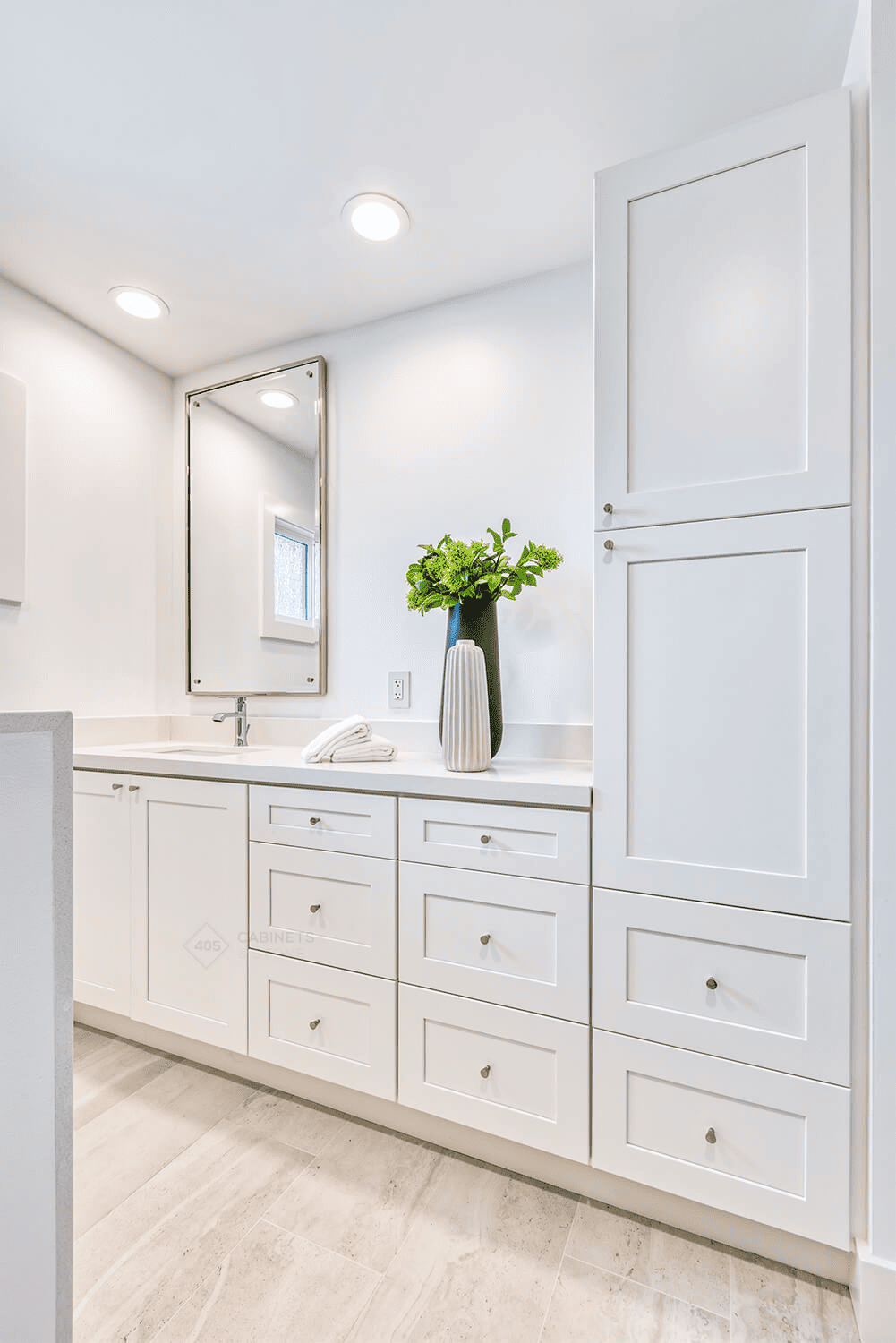
Storage is key in modern bathrooms. Vanities now include built-in shelves and drawers. These designs often adjust height to fit storage needs. Tall vanity cabinets keep essentials within reach. Integrated storage helps keep the bathroom neat and organized.
Credit: 405cs.com
Frequently Asked Questions
What Is The Standard Height Of A Vanity Cabinet?
The standard vanity cabinet height is usually 32 to 36 inches. This height suits most adults comfortably for daily use.
How To Choose The Right Vanity Cabinet Height?
Consider your height and bathroom style. Taller people might prefer 36 inches, while shorter users may prefer 32 inches.
Can Vanity Cabinet Height Affect Bathroom Ergonomics?
Yes, the right height improves comfort and reduces strain. It enhances your bathroom experience and usability.
Are Custom Vanity Cabinet Heights Available?
Yes, many manufacturers offer custom heights. This option fits unique bathroom designs and personal needs perfectly.
Conclusion
A vanity cabinet usually stands between 30 and 36 inches tall. This height suits most people for daily tasks like washing and grooming. Choosing the right height helps avoid back pain and discomfort. Always measure your space before buying a cabinet.
Think about who will use it most often. A well-chosen vanity cabinet makes your bathroom both useful and stylish. Small details, like cabinet height, can make a big difference. Keep these tips in mind for a better bathroom setup.