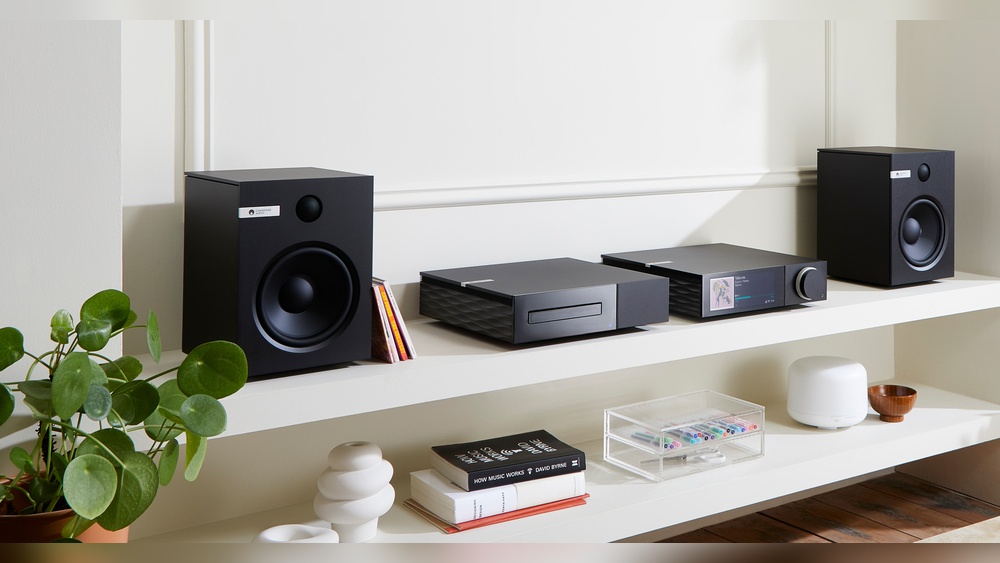
Are you ready to enjoy rich, clear sound from your bookshelf speakers but unsure what gear you actually need? It’s easy to get overwhelmed by all the tech options out there.
But the truth is, you don’t need a complicated setup to get great audio. You’ll discover the minimum equipment required to bring your bookshelf speakers to life. By the end, you’ll know exactly what to buy—and what you can skip—so you can start enjoying your favorite music or movies right away.
Keep reading, because setting up your perfect sound system is simpler than you think.

Credit: www.ebay.com
Choosing Bookshelf Speakers
Bookshelf speakers are a great choice for clear and rich sound in small spaces. They fit well on shelves, desks, or stands. Choosing the right ones is key to enjoying your music or movies. Consider factors like size, sound quality, and brand before buying. These details help match speakers to your needs and room size.
Size And Design
Bookshelf speakers come in different sizes. Smaller speakers fit tight spaces but may have less bass. Larger ones offer deeper sound but need more room. The design also matters. Some look modern and sleek, while others are classic. Pick a size and style that suit your space and taste.
Sound Quality Factors
Sound quality depends on several parts. Look for speakers with clear highs and balanced mids. Good bass adds fullness to sound. Check speaker sensitivity and power handling. These affect how loud and clear the sound will be. Listen to samples if possible, to find what sounds best to you.
Brand Considerations
Brands vary in quality and price. Some brands are known for durable, high-quality speakers. Others focus on budget-friendly options. Research customer reviews and expert opinions. Choose a brand with a good reputation and reliable support. This helps ensure you get value and lasting performance.

Credit: www.audio-technica.com
Speaker Stands And Placement
Speaker stands and placement are key to getting the best sound from bookshelf speakers. Proper stands keep speakers at the right height and reduce unwanted vibrations. Placement affects how sound travels and fills the room. Small changes can make a big difference.
Benefits Of Stands
Speaker stands lift speakers off surfaces like desks or shelves. This stops sound from getting muffled or distorted. Stands reduce vibrations that can blur audio quality. They also help position speakers at ear level. This improves clarity and detail in music and dialogue.
Ideal Placement Tips
Place speakers about ear height when seated. Keep them a few feet from walls to avoid bass booms. Angle them slightly toward the listening spot for better focus. Leave space between speakers for stereo separation. Avoid corners or tight spaces that trap sound.
Room Acoustics Impact
Room shape and furniture affect speaker sound. Hard surfaces cause echoes and reflections. Soft materials like rugs and curtains absorb sound and reduce echoes. Try moving speakers or adding soft items to improve sound. Small adjustments can change how clear and natural music sounds.
Amplification Needs
Bookshelf speakers need extra power to deliver clear sound. They cannot work alone. They require an amplifier to boost the audio signal. The right amplification ensures your speakers perform well. It also protects them from damage.
Integrated Amplifiers
Integrated amplifiers combine two devices in one. They have a built-in preamp and power amp. This makes setup simple and saves space. You connect your audio source directly to them. Then, connect your bookshelf speakers to the amplifier. Integrated amplifiers often include volume and tone controls. They suit small to medium listening rooms well.
Receivers Vs. Amplifiers
Receivers add a radio tuner and sometimes more inputs. Amplifiers focus only on boosting the audio signal. Receivers are good if you want to listen to radio. Amplifiers offer a cleaner, simpler signal path. This can improve sound quality. Choose based on your needs and sources.
Power Requirements
Match amplifier power to speaker power handling. Too little power causes weak sound and distortion. Too much power risks damaging speakers. Check the speaker’s RMS watt rating first. Then select an amplifier with similar or slightly higher wattage. This balance keeps sound clear and safe. Proper power helps your bookshelf speakers sound their best.
Wiring And Connectivity
Wiring and connectivity play a key role in setting up bookshelf speakers. Good wiring ensures clear sound and reliable connection. It affects how well your speakers perform in any room. Choosing the right wires and connectors is important for a clean setup.
Speaker Wire Types
Speaker wires come in different types. The most common are copper and copper-clad aluminum. Copper wires carry sound signals better. They offer less resistance and better sound quality. Copper-clad aluminum wires cost less but may reduce sound clarity. For bookshelf speakers, use copper wires for best results.
Cable Length And Quality
Use the shortest cable length possible. Long cables can cause signal loss and weaker sound. Check the wire gauge too. Lower gauge numbers mean thicker wires. Thicker wires carry sound signals better over longer distances. For most bookshelf speakers, 16-gauge wire works well.
Connector Options
Connectors join wires to speakers and amps. Common types include banana plugs, spade connectors, and bare wire. Banana plugs are easy to use and secure. Spade connectors provide strong contact but need more effort to attach. Bare wire is simple but can loosen over time. Choose connectors that match your equipment and ease of use.
Source Components
Choosing the right source components is key for great sound from bookshelf speakers. These components send the audio signal to your speakers. They affect the quality of sound you hear. You can pick from many options depending on your music style and setup.
Source components connect your music collection to the speakers. They convert music files or records into sound waves. Good sources make the speakers perform better. You don’t need the most expensive gear. Just the right source for your listening habits.
Digital Vs. Analog Sources
Digital sources play music stored as files or streams. Examples include smartphones, computers, and media players. They offer clear sound and easy control. Analog sources use physical media like records or tapes. They provide warm, natural sound but need more care. Each type has its own charm and sound style.
Streaming Devices
Streaming devices connect to the internet to play music. They access services like Spotify or Apple Music. These devices are simple to use and offer many songs. Good Wi-Fi is important for smooth playback. Streaming devices often support high-quality audio formats. They suit listeners who enjoy online music libraries.
Turntables And Cd Players
Turntables play vinyl records and need a phono preamp. They offer rich sound and a classic feel. CD players read discs and deliver clear, digital sound. Both are popular for physical music collections. They connect easily to amplifiers and receivers. Perfect for those who prefer tangible music formats.
Additional Accessories
Bookshelf speakers need more than just the basic setup to sound their best. Additional accessories help improve sound quality and user experience. They also protect your speakers and enhance your listening space. Here are some key accessories to consider.
Isolation Pads
Isolation pads sit under your speakers. They stop vibrations from reaching surfaces like desks or shelves. This reduces sound distortion and improves clarity. Pads also protect furniture from damage. They are small and easy to place.
Room Treatment Basics
Sound bounces off walls and objects in the room. This can cause echoes and muddy sound. Basic room treatment helps control these effects. Soft materials like curtains or rugs absorb sound waves. Foam panels on walls reduce reflections. These treatments create clearer and balanced audio.
Remote Controls
Remote controls give you easy access to volume and settings. They save time by avoiding constant trips to your speakers. Some remotes connect via Bluetooth or infrared. This lets you control speakers from anywhere in the room. A remote adds convenience and improves your listening experience.

Credit: www.arylic.com
Frequently Asked Questions
What Basic Equipment Do Bookshelf Speakers Require?
Bookshelf speakers need an amplifier or receiver to power them. You also need quality speaker wires and a suitable audio source like a smartphone, PC, or turntable.
Do Bookshelf Speakers Need A Subwoofer For Bass?
A subwoofer is optional but improves bass depth. Bookshelf speakers handle mid to high frequencies well but lack deep bass without a subwoofer.
Can I Use Bookshelf Speakers Without An Amplifier?
No, bookshelf speakers are passive and require an external amplifier or receiver to work. Powered speakers have built-in amps and don’t need extra equipment.
What Type Of Amplifier Suits Bookshelf Speakers Best?
Choose an amplifier matching your speakers’ power rating and impedance. A clean, distortion-free amp with enough wattage ensures optimal sound quality.
Conclusion
Choosing the right equipment for bookshelf speakers is simple. Start with quality speakers and a good amplifier or receiver. Add speaker cables that fit your setup. A power source is a must for any system. These basic items create a solid sound experience.
No need for extra gear unless you want it. Keep your setup clean and easy to use. Enjoy clear sound without complexity or extra costs. This minimal gear list helps you get started fast. Your bookshelf speakers will sound great with just these essentials.