Imagine having a cozy corner in your home where you can escape with your favorite books. A bookshelf nook is more than just storage—it’s your personal retreat, a place that invites you to relax and enjoy every page.
If you’ve ever dreamed of creating this special space but didn’t know where to start, you’re in the right place. This guide will show you exactly how to build a bookshelf nook that fits your style and needs, step by step.
By the end, you’ll have the tools and confidence to transform any corner into your perfect reading haven. Ready to make your bookshelf nook a reality? Let’s dive in.
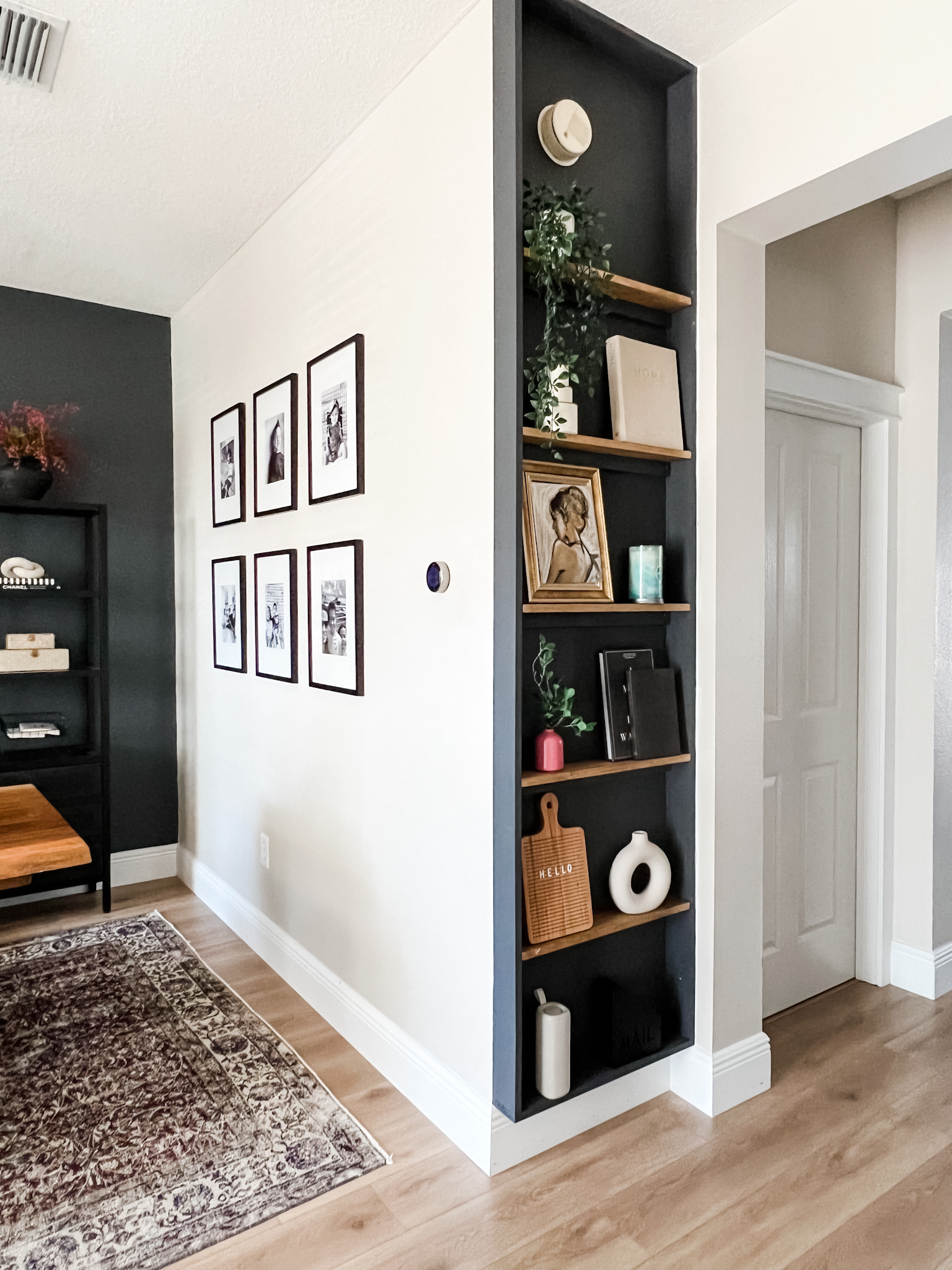
Credit: xomyhome.com
Choosing The Right Location
Choosing the right location is the first step in building a cozy bookshelf nook. The perfect spot makes reading more enjoyable and relaxing. It should feel peaceful and inviting. Picking a quiet, well-lit area with enough space helps your nook stand out. Let’s explore how to find that ideal place in your home.
Finding Quiet Corners
Look for corners away from noise and heavy foot traffic. These spots offer calm and privacy. A quiet corner lets you focus on books without distractions. Spaces near bedrooms or less-used rooms often work well. Avoid areas close to televisions or busy kitchens.
Considering Natural Light
Natural light makes any reading nook feel warm and bright. Choose a location near windows or glass doors. Sunlight reduces eye strain and lifts your mood. Avoid spots with harsh direct sun that might fade books or cause glare. Soft, indirect light is best for comfort.
Measuring Your Space
Measure the space to ensure your bookshelf nook fits perfectly. Note the height, width, and depth of the chosen spot. This helps you select the right bookshelf size and seating. Allow room for cozy cushions or a small chair. Accurate measurements prevent tight or cluttered setups.
Selecting Bookshelf Styles
Selecting the right bookshelf style shapes the look and feel of your nook. It defines how your space functions and blends with your room. Choosing the style depends on space, use, and design preference. Consider different bookshelf types to find the best fit.
Built-in Vs Freestanding
Built-in bookshelves fit tightly against walls. They offer a clean, custom look and save floor space. These shelves become part of your room’s structure. Freestanding shelves stand alone and are easy to move. They come in many shapes and sizes. Freestanding options give flexibility for rearranging or moving.
Open Shelves Vs Closed Cabinets
Open shelves show off your books and decor. They make the room feel open and airy. Closed cabinets hide clutter and protect books from dust. They work well in busy or small spaces. Choose based on whether you want display or storage focus.
Materials And Finishes
Wood is popular for its warmth and durability. It suits many styles from rustic to modern. Metal shelves add an industrial or sleek touch. They are strong and easy to clean. Finishes like paint, stain, or varnish change the look and protect surfaces. Pick materials and colors that match your room’s style and mood.
Designing For Comfort
Designing for comfort is the heart of creating a perfect bookshelf nook. This space should invite you to relax and enjoy your favorite books. Comfort makes your nook a peaceful retreat from daily life. Think about how you want to feel while reading. Soft, warm, and cozy are great goals for this space.
Cozy Seating Options
Choose seating that fits your space and style. A small armchair or a built-in bench works well. Bean bags offer a casual, comfy spot. A window seat with cushions adds charm and comfort. Make sure the seat supports your back well.
Adding Cushions And Throws
Soft cushions make any seat more inviting. Pick cushions in colors that match your room. Mix textures like velvet, cotton, or wool for a warm feel. Throws add warmth and are easy to move. Wrap yourself in a throw during chilly days.
Incorporating Soft Lighting
Lighting sets the mood in your nook. Use warm, soft lights to avoid harsh glare. A small reading lamp or string lights work well. Place lights where they won’t hurt your eyes. Dimmable lights let you adjust brightness for comfort.
Maximizing Storage And Organization
Maximizing storage and organization makes your bookshelf nook both useful and neat. A well-organized nook helps you find books fast. It also keeps the space clean and inviting. Small tricks can make a big difference in storage and order. Use simple ideas to fit more books and items without clutter.
Using Adjustable Shelves
Adjustable shelves let you change the space between shelves. This means you can fit books of all sizes easily. Tall books get tall shelves. Small books get short shelves. This saves space and keeps books upright. You can also add more shelves as your collection grows. Adjustable shelves give flexibility for future needs.
Incorporating Hidden Storage
Hidden storage keeps your nook tidy and safe. Use drawers or cabinets under the shelves. Store things like bookmarks, notebooks, or chargers there. Hidden spaces keep clutter out of sight. It helps the nook look clean and simple. You can also use baskets or boxes inside shelves for small items.
Organizing Books Creatively
Arrange books by color, size, or theme for a fresh look. Mix horizontal and vertical stacks to add style. Place small decorations between books to break the rows. Use bookends to keep books from falling. Creative organization makes your nook fun and easy to use. It also shows your personality.
Decorating Your Nook
Decorating your bookshelf nook makes it a cozy and inviting space. It transforms a simple corner into a special place for reading and relaxing. Thoughtful decoration adds character and comfort. Small details can make a big difference in how the nook feels.
Choosing Color Schemes
Pick colors that create a calm and warm atmosphere. Soft neutrals like beige, light gray, or pastel tones work well. Bright colors can add energy but use them in small amounts. Match the colors with your room’s style and lighting. This helps the nook blend smoothly with the rest of your home.
Adding Personal Touches
Include items that show your personality. Favorite books, framed photos, or small souvenirs add meaning. Use cushions and throws in your favorite patterns and textures. These make the nook comfortable and unique. Personal touches make the space feel truly yours.
Including Plants And Decor
Green plants bring life and freshness to the nook. Small potted plants or hanging planters work well in tight spaces. Choose low-maintenance plants if you have little time. Add simple decor like candles, lamps, or artwork. These elements create a relaxing and charming environment.

Credit: www.anikasdiylife.com

Credit: www.apartmenttherapy.com
Frequently Asked Questions
What Materials Are Needed To Build A Bookshelf Nook?
To build a bookshelf nook, you need wood panels, screws, brackets, paint, and sandpaper. Optional materials include cushions and lighting for comfort and ambiance.
How Do I Choose The Perfect Location For My Bookshelf Nook?
Choose a quiet corner with natural light. Ensure enough wall space for shelves and a comfortable sitting area.
What Tools Are Essential For Constructing A Bookshelf Nook?
Basic tools include a drill, saw, measuring tape, level, screwdriver, and sanding block. These help ensure precise and safe assembly.
How Can I Maximize Storage In A Small Bookshelf Nook?
Use vertical shelving and adjustable shelves to fit various book sizes. Add baskets or bins for extra organization.
Conclusion
Building a bookshelf nook adds charm and function to any room. It creates a cozy spot for reading and storing books. You can customize it to fit your style and space. Simple tools and materials make the project easy to start.
Enjoy your new nook for quiet moments and creativity. Small steps lead to a big change in your home’s feel. Now, grab some books and relax in your own nook.