Are you tired of your bookshelf taking up too much floor space or wobbling every time you grab a book? Mounting a bookshelf to the wall can transform your room instantly, giving you more space and a sleek, organized look.
But if you’ve never done it before, the idea might feel overwhelming. Don’t worry—this guide will walk you through every step, making the process simple and stress-free. By the end, you’ll have a sturdy, beautiful wall-mounted bookshelf that holds your favorite reads safely and stylishly.
Ready to get started? Let’s dive in!

Credit: www.reddit.com
Choosing The Right Bookshelf
Choosing the right bookshelf is key to a safe and stylish wall mount. The perfect shelf fits your space and holds your items securely. Think about where you want to place it and what you want to store. This helps narrow down the options and ensures the shelf suits your needs. Focus on material, size, weight capacity, and design for the best choice.
Material And Size Considerations
Bookshelves come in many materials like wood, metal, and plastic. Wood offers a classic look and strong support. Metal shelves are sleek and often lighter. Plastic shelves suit small, light items only. Size matters. Measure your wall space before buying. The shelf should fit well without crowding the room. Choose a size that balances your space and storage needs.
Weight Capacity And Design
Check the weight capacity of the bookshelf before mounting. A strong shelf holds all your books and decorations safely. Shelves with thicker boards and sturdy brackets usually support more weight. Design matters too. Simple styles work well in most rooms. Open shelves give a light, airy feel. Closed shelves keep dust away. Pick a design that matches your room’s style and purpose.
Tools And Materials Needed
Mounting a bookshelf to the wall needs the right tools and materials. Having these ready makes the job faster and safer.
Using proper tools helps you avoid mistakes. It also keeps the bookshelf steady and secure on the wall.
Essential Tools List
You will need a drill to make holes in the wall. A screwdriver is important for tightening screws.
A stud finder helps locate strong spots in the wall. A level keeps the shelf straight and even.
Measuring tape ensures accurate distance and height. Pencil marks where you will drill.
Safety goggles protect your eyes during drilling. A hammer might be needed for some anchors.
Recommended Hardware
Use wall anchors for drywall support. These hold screws firmly and prevent falling.
Heavy-duty screws match the size of the anchors. Choose screws that fit the shelf brackets well.
Brackets should be strong and match your shelf size. Metal brackets offer good support and durability.
Consider using toggle bolts for very heavy shelves. They expand behind the wall for extra strength.
Preparing The Wall
Preparing the wall is a key step before mounting a bookshelf. It ensures the shelf will hold weight safely. Proper preparation prevents damage to your wall and shelf. Follow these simple steps to get ready.
Locating Wall Studs
Wall studs are vertical wooden beams behind the drywall. They support heavy objects like bookshelves. Use a stud finder to locate these studs accurately. Move the finder slowly across the wall surface. Mark the edges of each stud with a pencil. Studs usually sit 16 or 24 inches apart. Mounting the shelf on studs makes it strong and stable.
Marking Mounting Points
After finding the studs, decide where to place the shelf. Hold the shelf against the wall at the desired height. Use a level to keep it straight. Mark the wall where the shelf brackets will go. Align these marks with the stud locations. Double-check measurements to avoid mistakes. Clear, precise marks make the mounting process easier and safer.
Mounting Brackets And Anchors
Mounting brackets and anchors hold your bookshelf securely to the wall. They support the weight and keep the shelf stable. Choosing the right ones is key to safety and durability. Understanding types of brackets and anchors helps you pick the best option for your wall and shelf.
Types Of Brackets
Brackets come in many shapes and sizes. L-shaped brackets are common and easy to install. They fit under the shelf and attach to the wall. Floating brackets hide the support, giving a clean look. Heavy-duty brackets carry more weight and are good for large shelves. Choose brackets that match your shelf size and weight needs.
Choosing The Right Anchors
Anchors secure the brackets to the wall. Drywall anchors work for light to medium loads. They spread the weight inside the wall. Toggle bolts are stronger and good for heavy shelves. Use anchors made for your wall type, like drywall, plaster, or concrete. Proper anchors prevent the shelf from falling.
Attaching The Brackets To The Wall
Attaching the brackets to the wall is an important step. It holds the bookshelf firmly in place. Proper attachment prevents wobbling and ensures safety. Follow these clear steps for secure bracket installation.
Drilling Pilot Holes
Mark the spots on the wall where brackets will go. Use a pencil and a level for accuracy. Choose a drill bit slightly smaller than the screws. Drill pilot holes at the marked spots. This prevents the wall from cracking. It also makes screwing easier and stronger.
Securing Brackets Firmly
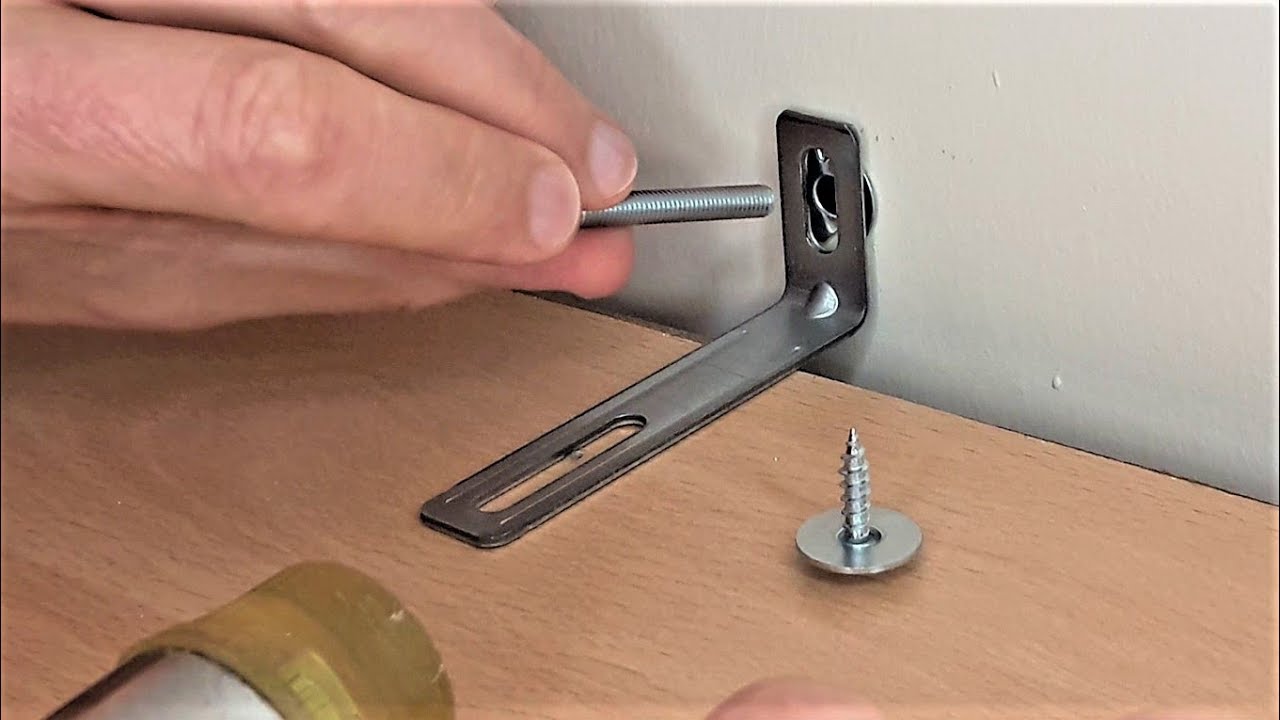
Place the bracket over the pilot holes. Use screws that fit the bracket holes well. Tighten screws with a drill or screwdriver. Ensure the bracket feels tight and does not move. Check the bracket level again before fully tightening. Repeat for all brackets to keep the shelf steady.
Credit: www.youtube.com
Mounting The Bookshelf
Mounting the bookshelf to the wall is the key step to keep it stable. Proper mounting prevents accidents and protects your books. This process involves careful alignment and secure fastening to the brackets you installed. Follow these steps carefully for a safe and sturdy setup.
Aligning The Shelf
Start by placing the bookshelf close to the wall. Check the brackets on the wall. Hold the shelf in place, aligning its holes with the brackets. Use a level tool to make sure the shelf is straight. Adjust the position until the shelf sits perfectly flat and even.
Securing The Shelf To Brackets
Once the shelf is aligned, secure it to the brackets. Use the screws provided with the brackets. Insert screws through the shelf into the bracket holes. Tighten each screw with a screwdriver until firm. Avoid over-tightening to prevent damage to the shelf or brackets. Double-check that the shelf is stable and does not wobble.
Safety Checks
Safety checks are important after mounting a bookshelf to the wall. They ensure the shelf stays secure and prevents accidents. Taking time for these checks helps protect your books and your home.
Testing Stability
Start by gently shaking the bookshelf. It should not wobble or move easily. Place some weight on the shelves to test firmness. If it feels loose, tighten the screws or anchors. Stability keeps the shelf safe for daily use.
Adjusting For Level
Use a level tool to check the shelf’s alignment. The shelf must be perfectly horizontal to avoid items sliding off. Adjust screws or brackets to fix any tilt. A level bookshelf looks neat and stays secure longer.

Credit: www.youtube.com
Styling Your Mounted Bookshelf
Styling your mounted bookshelf transforms it from a simple storage space to a charming part of your room. It helps show off your personality and adds warmth to your walls. Thoughtful styling makes your shelf both functional and beautiful. Use a mix of books and decor items to create interest and balance.
Arranging Books And Decor
Place books both vertically and horizontally for a dynamic look. Group books by color or size to create harmony. Mix in decor pieces like small plants, photo frames, or candles. Leave some empty space to avoid a crowded appearance. Change items regularly to keep the shelf fresh and inviting.
Maintaining Wall And Shelf
Dust the shelf and wall often to keep them clean. Check for any loose screws or brackets to ensure safety. Avoid placing heavy items that could damage the shelf or wall. Use gentle cleaners to protect paint and shelf finish. Regular care keeps your bookshelf looking neat and sturdy.
Frequently Asked Questions
How Do I Securely Mount A Bookshelf To Drywall?
Use wall anchors or toggle bolts for drywall mounting. Locate studs with a stud finder for extra support. Attach brackets directly into studs when possible to ensure stability and safety.
What Tools Are Needed To Mount A Bookshelf?
You need a drill, screwdriver, stud finder, level, tape measure, and wall anchors. These tools help ensure precise and secure installation of your bookshelf.
How High Should I Mount A Bookshelf On The Wall?
Mount the bookshelf at eye level, typically 48 to 60 inches from the floor. Adjust height based on room layout and user convenience for easy access.
Can I Mount A Heavy Bookshelf Without Studs?
Yes, but use heavy-duty wall anchors designed for your wall type. Studs provide better support, so anchors must be rated for the shelf’s weight for safety.
Conclusion
Mounting a bookshelf to the wall keeps it safe and steady. It also frees up floor space. Use the right tools and anchors for strong support. Always find the wall studs before drilling. Take your time and follow the steps carefully.
Soon, your books and decor will stay secure. Enjoy a neat and organized room with your new wall-mounted shelf. Simple, safe, and smart.