Imagine turning something as simple as a piano key into a stylish and practical coat rack for your home. If you love unique decor that catches the eye and sparks conversation, this project is perfect for you.
You don’t need to be a woodworking expert or spend a fortune. With just a few materials and easy steps, you can create a coat rack that’s both functional and full of personality. Ready to give your entryway a creative makeover?
Let’s dive into how to make a piano key coat rack that will impress your guests and keep your space organized.
Materials Needed
Gathering the right materials is the first step to create a piano key coat rack. The materials shape the rack’s look and strength. Prepare all items before starting to make the process smooth and fun.
Selecting Piano Keys
Choose piano keys that fit your design. Old keys from a broken piano work well. Pick keys that are clean and not too worn. Both white and black keys add style. Aim for a mix if possible. Make sure the keys are sturdy and not fragile.
Choosing Hooks And Hardware
Select hooks that hold coats firmly. Metal hooks are strong and last long. Pick hooks that match your room’s style. Screw-in hooks are easy to install. Small screws and wall anchors keep the rack secure. Check the size to fit your keys well.
Additional Supplies
Other supplies make assembly easier. Sandpaper smooths the keys’ edges. Wood glue helps hold keys together. A drill speeds up hook installation. A ruler or tape measure ensures even spacing. Paint or varnish can protect and finish the rack.

Credit: www.reddit.com
Preparing The Keys
Preparing the piano keys is a key step in making your coat rack. It helps the keys look neat and last longer. Taking time with this process makes the final product strong and beautiful.
Cleaning And Sanding
Start by cleaning each piano key with a damp cloth. Remove dust, dirt, and any sticky residue. Let the keys dry completely before moving on.
Next, use fine sandpaper to smooth the surface. Sand gently to avoid damaging the keys. This step removes scratches and rough spots.
Wipe the keys again after sanding to clear away dust. Clean keys are easier to paint or finish later.
Arranging The Keys
Lay the keys out on a flat surface. Arrange them in the order you want on the coat rack. You can use all white keys or mix in black keys for style.
Check the size and shape of each key. Group keys that fit well together. This helps the rack look balanced and neat.
Decide the space between keys to hang coats easily. Keep the layout simple and functional. A good arrangement improves both look and use.
Assembling The Rack
Assembling the piano key coat rack is the most exciting part of this project. It brings all the pieces together into a functional and stylish rack. This step needs care and patience to ensure the rack is sturdy and looks great.
Follow the steps carefully to attach the hooks and secure the keys. This will create a strong base for hanging coats and bags.
Attaching Hooks To Keys
Start by choosing hooks that fit the piano keys well. Small metal hooks work best for this project. Use a ruler to mark where each hook will go on the keys.
Space the hooks evenly along the length of the keys. This ensures balance and makes the rack look neat. Drill small pilot holes before screwing in the hooks. This prevents the wood from splitting.
Attach each hook firmly with screws. Check that they are straight and secure. These hooks will hold coats, bags, and hats, so they must be strong.
Securing Keys Together
Lay the piano keys side by side on a flat surface. Make sure all keys align evenly for a clean look. Use wood glue along the edges where the keys meet. Press the keys tightly together.
Clamp the keys to hold them in place while the glue dries. This step is important for a solid bond. For extra strength, attach a wooden strip to the back of the keys. Screw the strip in place carefully.
Check that the keys are firmly joined and the rack is stable. Let the glue dry completely before using the coat rack.
Finishing Touches
The finishing touches bring your piano key coat rack to life. These final steps protect your work and prepare it for use. A smooth, attractive finish makes the rack stand out. Proper mounting ensures the rack is safe and sturdy. Let’s focus on painting, sealing, and mounting.
Painting And Sealing
Start by sanding the wood surface lightly. This step removes rough spots and helps paint stick better. Choose a paint color that matches your room style. Use a small brush for neat edges and details. Apply thin, even coats of paint to avoid drips. Let each coat dry fully before adding the next.
After painting, apply a clear sealant to protect the surface. Sealants prevent scratches and water damage. Use a brush or spray for even coverage. Allow the sealant to dry completely before handling the rack. This step keeps your coat rack looking new for years.
Mounting The Rack
Find a strong wall to hold your rack. Use a level to keep the rack straight. Mark the wall where you want to place the screws. Drill holes carefully, matching your rack’s mounting points. Use wall anchors if mounting on drywall for extra support. Screw the rack firmly into the wall anchors.
Check the rack’s stability by gently pulling on it. Make sure it holds well and does not wobble. Adjust screws if needed for a secure fit. Now, your piano key coat rack is ready for daily use.
Creative Variations
Creative variations make your piano key coat rack unique and fun. They let you express your style and add charm to any room. Small changes can make a big difference. Try different ideas to make your coat rack stand out.
Adding Personalization
Personal touches make the coat rack truly yours. Paint the keys in your favorite colors. Add names or initials on each key for family members. Use stickers or small decorations to show your hobbies. These details make the rack special and meaningful. It also helps guests find their coats easily.
Using Different Key Styles
Experiment with various key styles for a fresh look. Mix old and new piano keys for contrast. Use keys from different instruments for creativity. Try wooden or metal keys for texture changes. Different shapes and sizes create visual interest. This variety turns a simple rack into art.
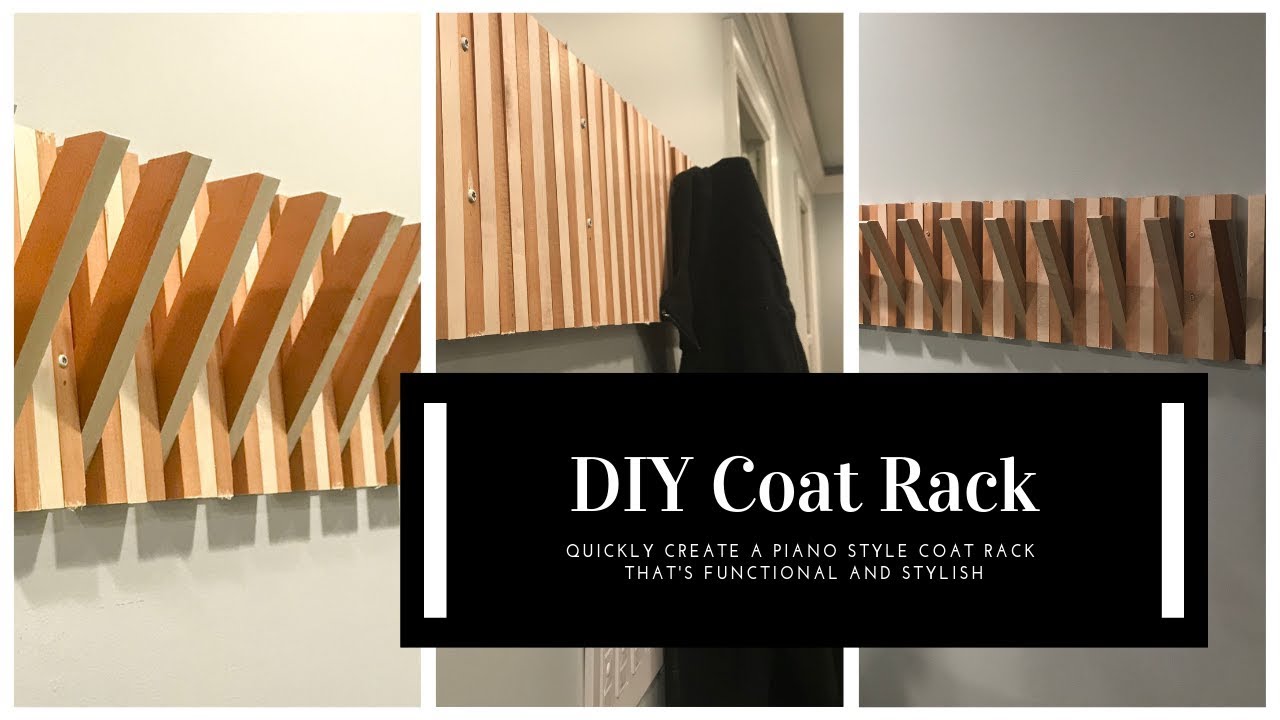
Credit: www.youtube.com
Care And Maintenance Tips
Taking care of your piano key coat rack keeps it looking great for years. Regular cleaning and simple maintenance protect the wood and paint. Small efforts help avoid damage and wear.
Follow these tips to keep your coat rack strong and beautiful. They are easy to do and save you time and money later.
Cleaning The Surface
Use a soft, dry cloth to remove dust. Avoid wet cloths that can damage wood or paint. For sticky spots, slightly dampen the cloth with water only. Wipe gently and dry immediately.
Protecting The Paint
Do not use harsh chemicals or strong cleaners. These can fade or peel the paint. Use mild soap with water if needed. Test on a small area first to ensure safety.
Checking The Hooks
Look at the hooks regularly to ensure they are tight. Loose hooks can fall or damage the coat rack. Tighten screws carefully with a screwdriver as needed.
Avoiding Heavy Loads
Do not hang very heavy items on the coat rack. It may cause the wood to crack or hooks to bend. Hang light to medium weight coats or bags only.
Keeping Away From Moisture
Place the coat rack in a dry area. Moisture can warp the wood or cause paint to bubble. Avoid placing it near bathrooms or damp corners.

Credit: www.reddit.com
Frequently Asked Questions
What Materials Do I Need For A Piano Key Coat Rack?
You need wooden piano keys or similar wood pieces, hooks, screws, a drill, sandpaper, paint, and mounting hardware. Optional: sealant for durability.
How Do I Attach Hooks To Piano Keys?
Drill small holes on the keys, then screw in sturdy hooks. Ensure hooks are evenly spaced and securely fixed.
Can I Customize The Coat Rack Design?
Yes, paint or stain the keys in various colors. Add decorative elements or adjust the hook arrangement to suit your style.
How Do I Mount The Piano Key Coat Rack On A Wall?
Use strong wall anchors and screws suitable for your wall type. Measure and level carefully before drilling holes to ensure secure mounting.
Conclusion
Creating a piano key coat rack adds charm to any space. It uses simple materials and steps anyone can follow. This project brings style and function together in one piece. You save money by making it yourself. Plus, it offers a great way to reuse old piano keys.
Try this craft to brighten your home and keep coats tidy. Enjoy the satisfaction of a handmade, unique rack. Give it a go and see how fun DIY can be!