If you have a bunk bed or are thinking about getting one, you probably wonder: how high should the railing be to keep you or your child safe? Choosing the right height isn’t just about comfort—it’s about preventing falls and ensuring peaceful nights.
You’ll discover the ideal railing height that protects without making the bed feel cramped. Keep reading, because a small detail like this can make a big difference in safety and peace of mind.
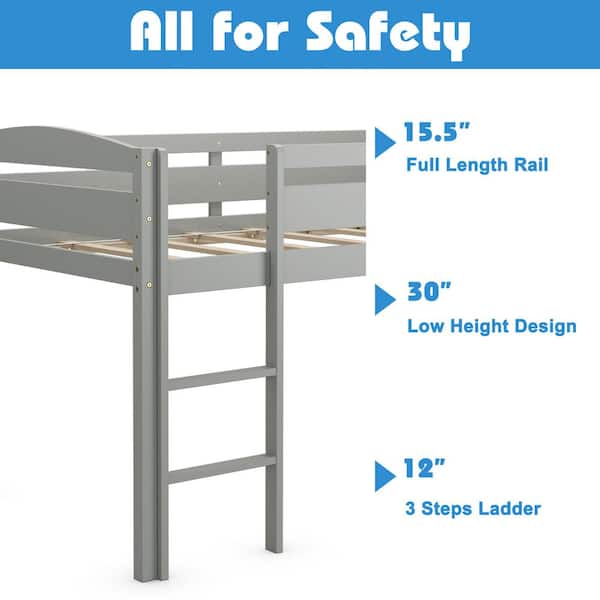
Credit: www.homedepot.com
Ideal Railing Height
Choosing the right height for a bunk bed railing is very important. It keeps the sleeper safe and prevents falls. The ideal railing height depends on several factors. These include the user’s age and safety standards in different countries.
Good railing height provides peace of mind for parents and comfort for children. It also meets safety rules to avoid accidents. Here is a clear guide to help you understand the best railing height.
Standard Height Recommendations
The usual railing height is about 5 to 7 inches above the mattress top. This height stops sleepers from rolling off the bed. Most bunk beds follow this rule for safety.
Experts suggest the railing should be at least 16 inches high from the bed frame. This gives enough space for protection without feeling too closed in.
Variations By Age Group
Young children need taller railings for extra safety. For kids under 6, railings should be at least 16 inches above the mattress. This prevents falls during sleep or play.
Older children and teenagers can have slightly lower railings. Around 12 to 14 inches is usually safe for them. Their better balance reduces the risk of falling.
International Guidelines
Different countries have safety rules for bunk bed railings. The US Consumer Product Safety Commission (CPSC) requires railings to be at least 5 inches above the mattress. They also limit gaps to prevent entrapment.
European standards often call for railings around 16 cm (6.3 inches) tall. Australia’s safety rules are similar, focusing on strong, secure railings.
Following these guidelines ensures your bunk bed meets safety laws and protects users well.
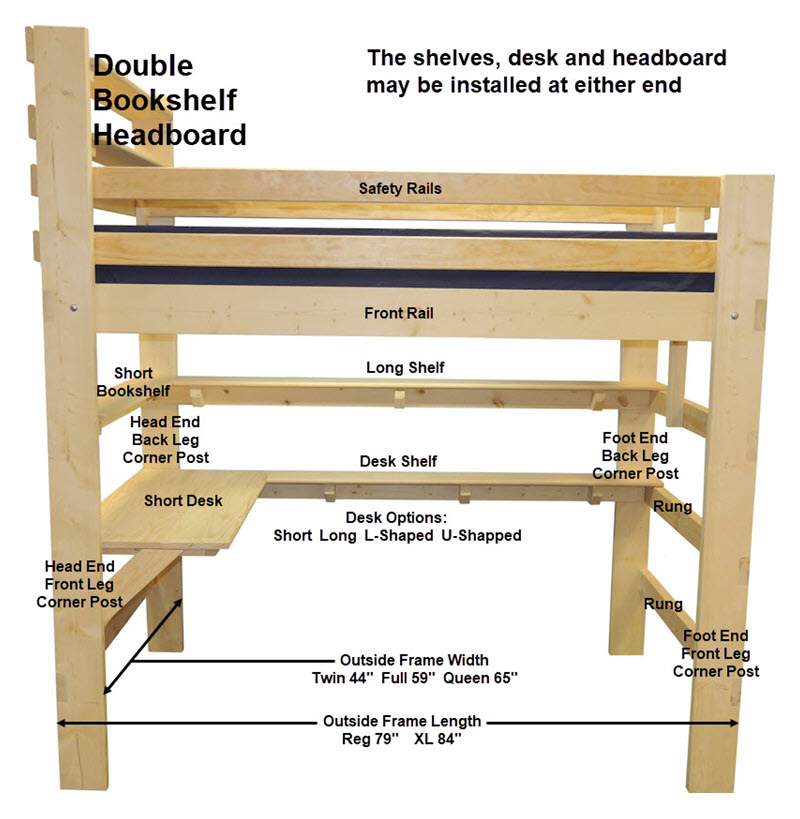
Credit: www.collegebedlofts.com
Materials And Design
Bunk bed railings play a key role in keeping children safe during sleep. The choice of materials and design impacts both safety and comfort. Proper materials ensure strength and durability. Thoughtful design reduces risks of injury and makes the railing secure.
Choosing the right materials and design balances protection and usability. It also makes the bunk bed more attractive and child-friendly. Let’s explore common materials and smart design choices for bunk bed railings.
Common Materials Used
Wood is a popular choice for bunk bed railings. It feels warm and is strong. Pine, oak, and maple are often used types. Metal railings offer durability and a modern look. Steel and aluminum resist wear and bending. Plastic railings are lightweight and easy to clean. They suit younger children but may be less sturdy.
Designs That Enhance Safety
Railings should be tall enough to prevent falls. A height of at least 5 inches above the mattress helps. Vertical slats keep children from slipping through gaps. Spacing between slats should be narrow, under 3.5 inches. Rounded corners and smooth surfaces reduce injury risks. Some railings have built-in handles for easy grip. Designs that fit tightly to the bed frame add stability.
Avoiding Sharp Edges
Sharp edges can cause cuts or bruises. All corners and edges need to be rounded or smoothed. Sanding wooden railings removes splinters and rough spots. Metal railings should have coated or polished surfaces. Avoid exposed screws or bolts that stick out. Cover hardware with plastic caps or safety plugs. Smooth railings protect children during active play or sleep.
Installation Best Practices
Installing bunk bed railings safely is key to preventing falls. Follow best practices to ensure strong and secure railings. Proper installation also helps the railing last longer and keeps children safe during sleep or play.
Securing The Railing Firmly
Attach the railing tightly to the bed frame. Use strong screws and bolts, not nails. Check that the railing does not wiggle or move. Tighten all fasteners after installation. A firm railing stops accidents and gives peace of mind.
Proper Spacing Between Rails
Keep the gaps between rails small. The space should be less than 3.5 inches. This spacing stops children from slipping through. Avoid wide gaps that can cause injury. Proper spacing also adds strength to the railing.
Tools And Techniques
Use a drill, screwdriver, and measuring tape for best results. Measure twice before drilling or screwing. Use a level to keep the railing straight. Sand rough edges to avoid splinters. These simple tools and steps improve safety and appearance.
Additional Safety Measures
Adding extra safety measures to a bunk bed helps prevent accidents. These steps support the railing height and keep children safe. Small changes can make a big difference in avoiding falls and injuries.
Using Guard Nets Or Pads
Guard nets or pads create a soft barrier around the bed. They stop children from slipping through gaps. These guards add extra protection beyond the railing height. Easy to install and remove, they fit most bunk beds.
Ensuring Mattress Fit
The mattress must fit snugly inside the bed frame. A mattress that is too small creates dangerous gaps. These gaps can cause children to get stuck or fall. Always check mattress size before placing it on the bunk bed.
Supervising Children
Adults should watch children during bunk bed use. Supervision helps prevent risky behavior like climbing on rails. It also ensures kids use the bed safely. Regular checks reduce the chance of accidents at night or playtime.
Common Mistakes To Avoid
Choosing the right height for a bunk bed railing is important for safety. Many people make mistakes that could cause accidents. Knowing what to avoid helps keep kids safe while they sleep or play.
Too Low Or Too High Railings
Railings that are too low do not stop children from falling out. Railings that are too high can be hard to climb over in emergencies. The railing height should be just right to keep kids safe and comfortable.
Weak Attachments
Railings must be firmly attached to the bed frame. Loose or weak attachments can cause the railing to fall off. Check all screws and bolts often to ensure the railing stays strong and secure.
Ignoring Manufacturer Guidelines
Each bunk bed comes with safety instructions. Ignoring these rules can lead to unsafe railing heights. Follow the manufacturer’s guidelines carefully to avoid risks and ensure proper railing installation.
Credit: maxandlily.com
Frequently Asked Questions
How Tall Should A Bunk Bed Railing Be?
A bunk bed railing should be at least 5 inches above the mattress. This height prevents falls and ensures safety during sleep.
Why Is Bunk Bed Railing Height Important?
Proper railing height prevents accidental falls. It provides security for children, especially during sleep or movement on the top bunk.
Are There Safety Standards For Bunk Bed Railings?
Yes, safety standards recommend railings at least 5 inches above the mattress. These guidelines reduce fall risks and enhance user safety.
Can Railing Height Vary By Mattress Thickness?
Yes, railing height should adjust with mattress thickness. Ensure the railing extends at least 5 inches above the mattress surface.
Conclusion
Choosing the right bunk bed railing height keeps your child safe while they sleep. Experts suggest at least 5 inches above the mattress top. This height helps prevent falls during sleep or play. Always check the railing for sturdiness and comfort.
Safety matters most, so don’t skip this step. A proper railing gives parents peace of mind at night. Keep your child’s safety simple and strong with the right railing height. Small details make a big difference in bunk bed safety.