Are you ready to unlock the full potential of your Sonos bookshelf speaker? Connecting your speaker the right way can transform your listening experience, filling your room with rich, clear sound.
But if you’re unsure where to start or worried about complicated setups, don’t worry—you’re in the right place. This guide will walk you through every step, making it simple and stress-free. Keep reading to discover how easy it is to connect your Sonos bookshelf speaker and enjoy music like never before.
Credit: thorfamilylaw.com
Choosing The Right Sonos Bookshelf Speaker
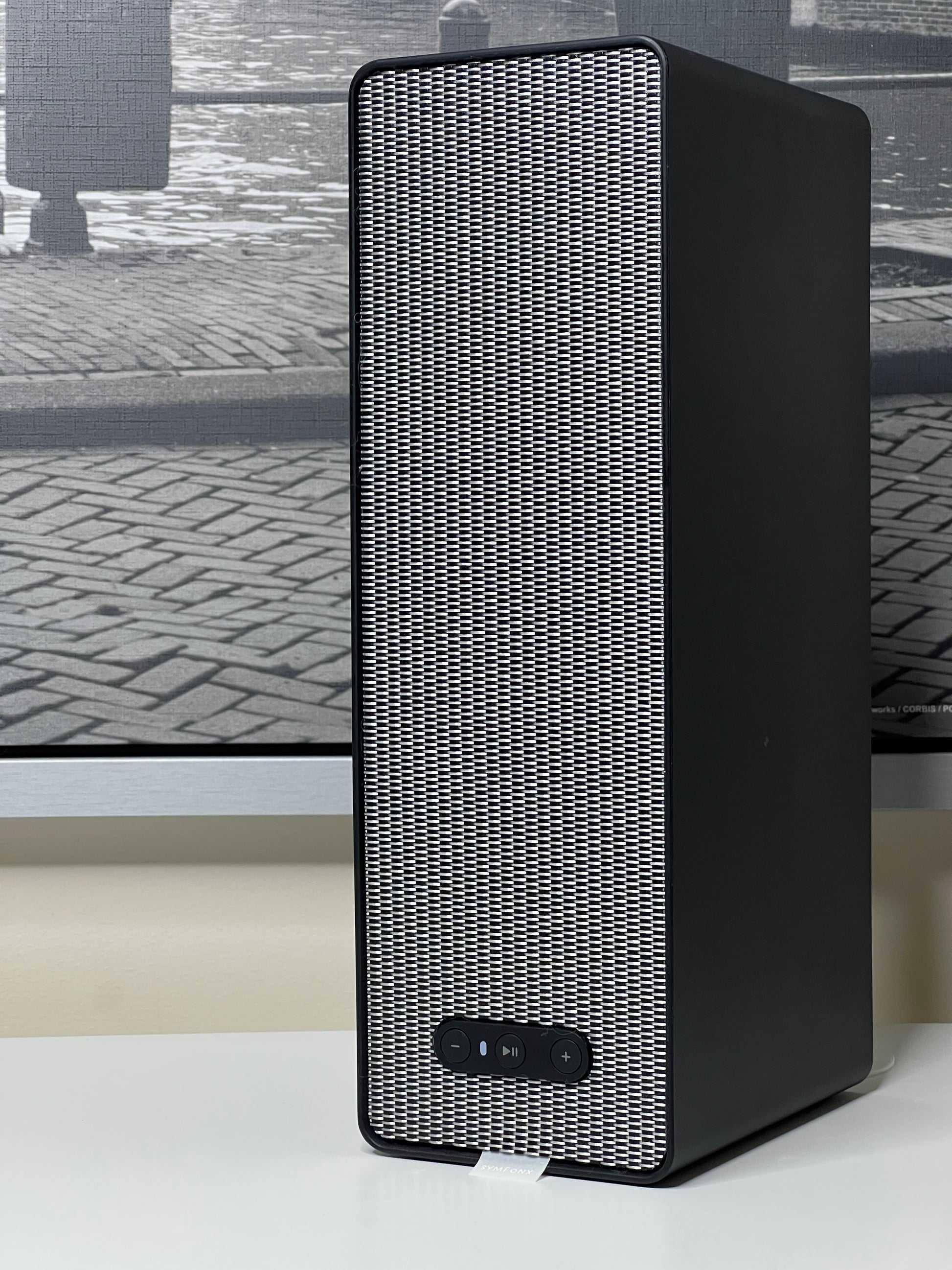
Choosing the right Sonos bookshelf speaker can change your listening experience. Sonos offers many models with different features. Picking the right one depends on your space and sound needs.
Understanding popular models and key features helps you make a smart choice. This guide simplifies the selection process for you.
Popular Sonos Models
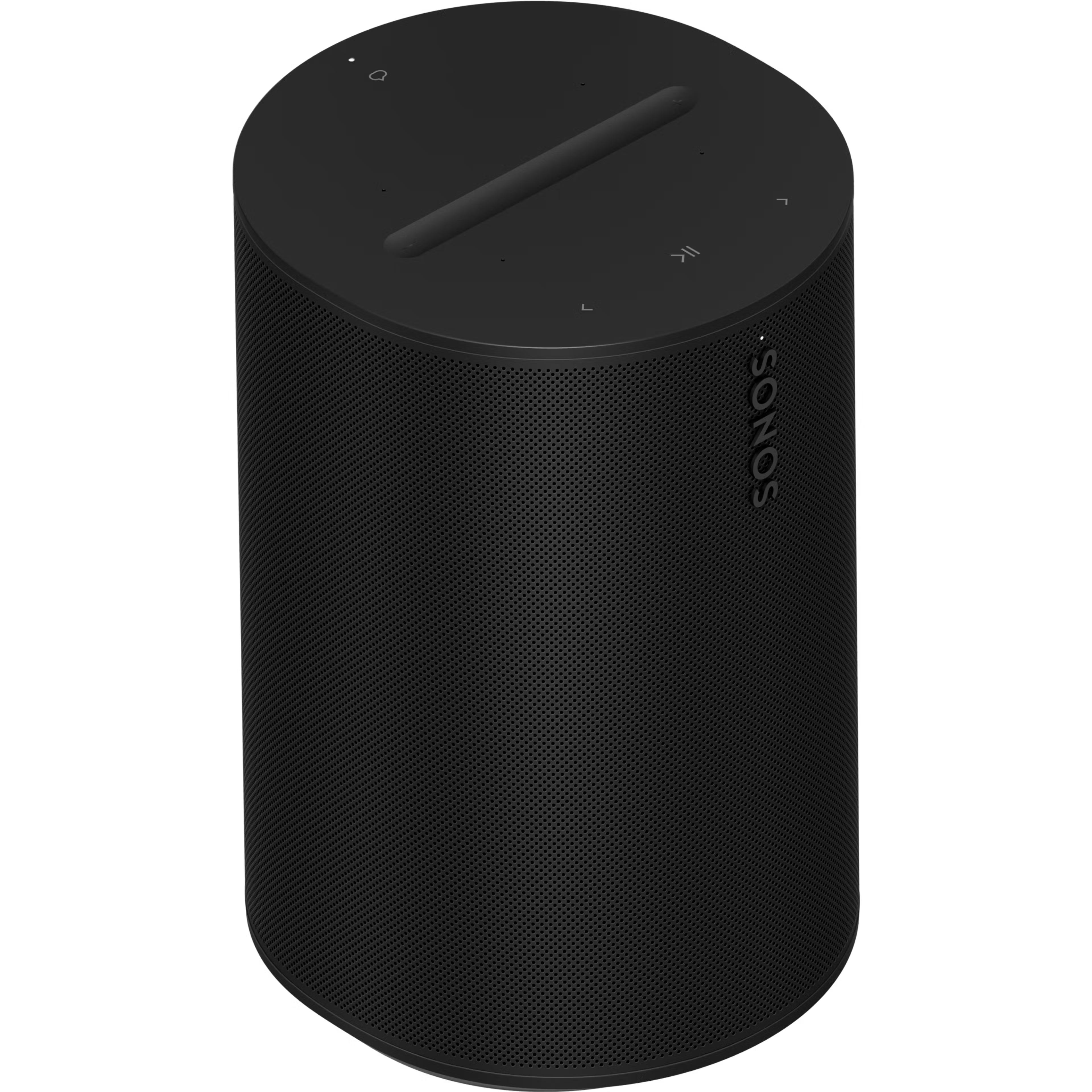
Sonos One is compact and has voice control. It fits well in small rooms and offices. Sonos Five delivers powerful sound for larger spaces. It has deep bass and clear highs. Sonos Play:5 is another strong option for rich audio. It supports stereo sound and easy setup. Sonos Five and Play:5 are great for music lovers who want full sound. Sonos One is perfect for casual listeners and smart home users.
Speaker Features To Consider
Sound quality matters most. Look for clear highs and strong bass. Check if the speaker supports stereo or surround sound. Wireless connectivity is key. Sonos speakers connect via Wi-Fi for smooth streaming. Voice control can add convenience if you use assistants like Alexa or Google. Size and design also matter. Choose a speaker that fits your room and style.
Preparing Your Setup
Preparing your setup is the first step to connect your Sonos bookshelf speaker. A good setup helps you get clear sound and smooth operation. Take time to gather tools and find the best place for your speaker. This makes your listening experience much better.
Read the following tips to prepare well before you start connecting your speaker.
Required Tools And Accessories
Keep these items ready before you start. A power cord is needed to plug in the speaker. A strong Wi-Fi connection helps with wireless setup. Use the Sonos app on your phone or tablet to control the speaker. You may also need an Ethernet cable if you prefer a wired connection. Have a smartphone or tablet fully charged to avoid interruptions.
Optimal Speaker Placement
Choose a flat, stable surface for your speaker. Avoid placing it near walls or corners to reduce sound distortion. Keep the speaker at ear level when sitting. Leave some space around the speaker for better airflow. Avoid placing it near devices that cause interference, like microwaves or routers. Positioning the speaker well improves sound quality and makes your room look neat.
Connecting Via Sonos App
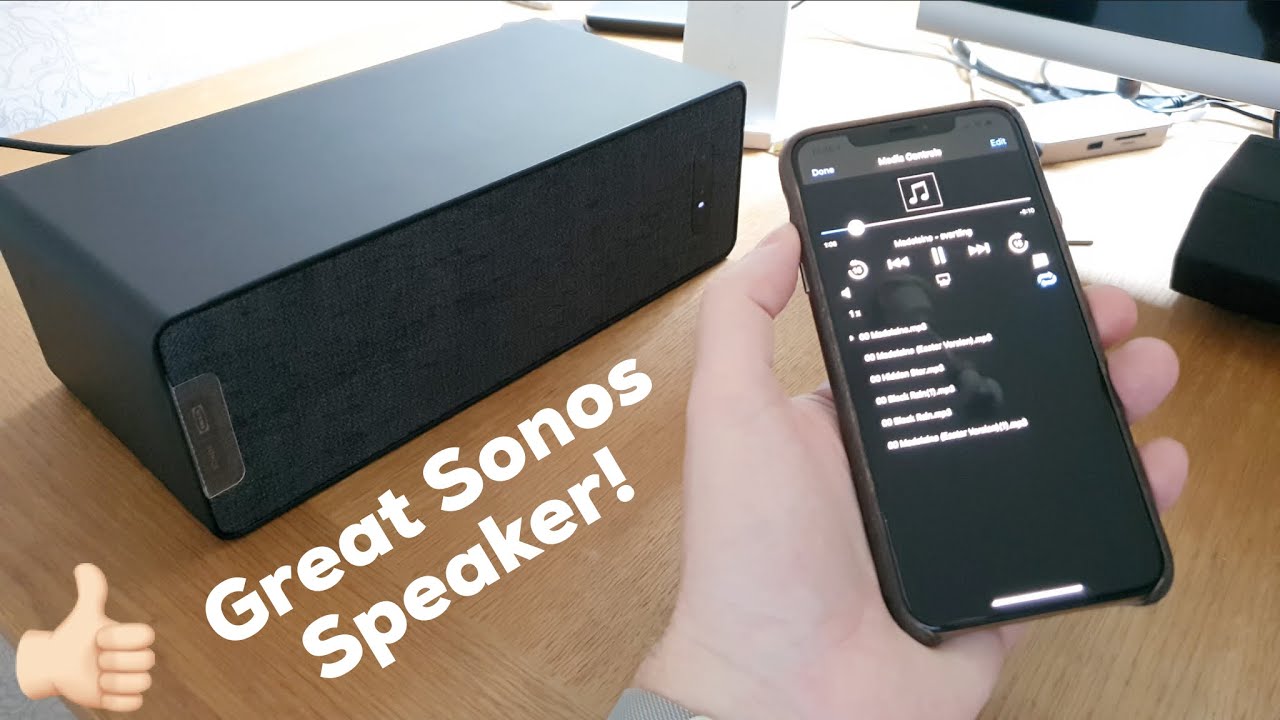
Connecting your Sonos Bookshelf Speaker through the Sonos app is simple and fast. The app guides you step-by-step. It helps set up your speaker and manage music easily. This method makes sure your speaker works perfectly with your Wi-Fi network.
Downloading And Installing The App
Start by downloading the Sonos app. It is available for free on both Android and iOS devices. Open your device’s app store and search for “Sonos.” Tap the install button and wait a few moments. After installation, open the app to begin setup.
Adding A New Speaker
Open the Sonos app and tap “Set up a new system.” The app asks you to create or log in to your Sonos account. Follow the on-screen instructions to add your Bookshelf Speaker. The app searches for your speaker automatically. Once found, tap to connect it.
Configuring Wi-fi Settings
The app prompts you to connect the speaker to your Wi-Fi. Choose your home network from the list shown. Enter the Wi-Fi password carefully. The speaker will connect and test the network. A successful connection lets you stream music right away.
Credit: kdfoundation.org
Wired Connection Options
Wired connections offer a reliable way to connect your Sonos bookshelf speaker. They reduce interruptions and improve sound quality. This section explains simple wired options for stable and clear audio.
Using Ethernet For Stable Connection
Ethernet cables provide a strong link between your speaker and network. Connect one end to your router and the other to the Sonos speaker. This setup avoids Wi-Fi drops and keeps music playing smoothly. Ethernet is great for rooms with weak Wi-Fi signals.
Use a quality Ethernet cable to ensure fast data transfer. The connection is plug-and-play, so no extra settings are needed. Your Sonos speaker will work faster and more reliably with wired Ethernet.
Connecting To Amplifiers Or Receivers
Sonos bookshelf speakers can connect to amplifiers or receivers for better sound. Use speaker wire cables to link the Sonos speaker terminals to your amplifier outputs. This setup gives you full control over volume and audio settings.
Check the amplifier’s manual for correct wiring instructions. Make sure the speaker wires match the positive and negative terminals. A solid wired connection improves sound clarity and reduces signal loss.
Pairing With Other Sonos Devices
Pairing your Sonos bookshelf speaker with other Sonos devices enhances your listening experience. It lets you enjoy richer sound or play music across different rooms. Sonos makes it simple to connect devices for stereo sound or multi-room audio.
Creating Stereo Pairs
Pair two Sonos bookshelf speakers to create a stereo pair. This gives you clear left and right audio channels. Open the Sonos app and select one bookshelf speaker. Choose “Create Stereo Pair” and follow the instructions. The app will link the two speakers for balanced sound. Place the speakers apart for the best stereo effect.
Setting Up Multi-room Audio
Multi-room audio lets you play music in multiple rooms at once. Add your Sonos bookshelf speaker to other Sonos devices in your home. Use the Sonos app to group speakers together. You can play the same song everywhere or different songs in each room. Control volume and playback easily from your phone or tablet.
Troubleshooting Connection Issues
Connecting your Sonos bookshelf speaker should be easy. Sometimes, small issues block the connection. Troubleshooting helps fix these problems quickly. This section guides you through common issues and how to reset your speaker. Follow these steps to enjoy clear, smooth sound again.
Common Problems And Fixes
One common problem is no sound from the speaker. Check if the speaker is plugged in and powered on. Another issue is the speaker not showing in the Sonos app. Make sure your phone and speaker are on the same Wi-Fi network.
Slow or unstable connection can cause pauses in music. Move your speaker closer to the router. Also, restart your router to refresh the network. If the speaker still won’t connect, update the Sonos app and speaker firmware. Updates fix bugs and improve performance.
Resetting Your Sonos Speaker
Resetting your Sonos speaker can fix deeper issues. To reset, unplug the power cable from the speaker. Hold down the play/pause button while plugging the power back in. Keep holding until the light flashes orange and white. Release the button when the light turns green.
After resetting, open the Sonos app to set up the speaker again. This process clears old settings and helps the speaker connect fresh to your network. Use this step if other fixes do not work.
Optimizing Sound Quality
Optimizing sound quality is important for the best experience with your Sonos bookshelf speaker. Clear, balanced sound makes music and movies more enjoyable. Small changes can greatly improve how your speaker sounds in your room. Focus on two key areas for better sound: adjusting EQ settings and room calibration.
Adjusting Eq Settings
The EQ settings let you change bass, midrange, and treble levels. Open the Sonos app and go to the speaker settings. Use the equalizer to raise or lower bass, treble, or mid frequencies. Start with small changes to avoid distortion. Boost bass for deeper sounds or reduce treble to soften sharp noises. Adjustments help match sound to your personal taste and room acoustics.
Room Calibration Tips
Room shape and furniture affect sound quality. Hard surfaces cause echoes, while soft ones absorb sound. Place your bookshelf speaker at least a few inches from walls. Avoid corners, which can amplify bass too much. Use the Sonos Trueplay feature for automatic tuning. Trueplay uses your phone’s microphone to measure sound and adjust settings. This makes the speaker sound clearer and balanced in your space.
Credit: www.youtube.com
Frequently Asked Questions
How Do I Connect Sonos Bookshelf Speakers To Wi-fi?
To connect Sonos bookshelf speakers to Wi-Fi, use the Sonos app. Open the app, select “Set up a new system,” and follow the prompts to join your Wi-Fi network. Ensure your phone is on the same network for smooth setup.
Can I Wire Sonos Bookshelf Speakers To My Amplifier?
Yes, Sonos bookshelf speakers can connect to an amplifier using Sonos Amp. Connect speaker wires from Sonos Amp to the bookshelf speakers for high-quality sound and easy control via the Sonos app.
What App Controls Sonos Bookshelf Speaker Settings?
The Sonos app controls all Sonos bookshelf speaker settings. It lets you manage volume, group speakers, update firmware, and customize sound. The app is available for iOS, Android, and desktop devices.
How To Pair Sonos Bookshelf Speakers With Other Sonos Devices?
To pair Sonos bookshelf speakers with other Sonos devices, use the Sonos app. Select “Group” or “Create Stereo Pair” for two speakers. This allows synchronized playback and enhanced sound experience.
Conclusion
Connecting your Sonos bookshelf speaker can be simple and quick. Follow the steps carefully to avoid issues. Test the sound to make sure everything works well. Enjoy clear, rich audio in your favorite rooms. Stay patient and take your time during setup.
This guide helps you get the best experience. Now, your speaker is ready to fill your space with great sound.