Sleeping on a bunk bed can be fun and space-saving, but falling off it is a real concern you shouldn’t ignore. Imagine waking up with a painful bump or worse, an injury that could have been avoided.
You want to feel safe and secure every night, right? You’ll discover simple and effective ways to stop falls before they happen. Keep reading to protect yourself or your loved ones and turn your bunk bed into a safe place for peaceful sleep.
Choosing The Right Bunk Bed
Choosing the right bunk bed helps keep children safe and secure. A well-made bunk bed reduces the risk of falls. Selecting a sturdy model with the right size matters. Safety features and quality materials play a big role. Consider all these points before buying a bunk bed.
Material And Build Quality
Strong materials make bunk beds safer. Solid wood and metal frames last longer. Check for smooth edges and tight joints. Weak materials can break or wobble. A firm structure keeps the bed steady. Avoid beds with loose screws or parts.
Safety Standards To Look For
Look for bunk beds that meet safety rules. Check for certifications from trusted organizations. Guardrails on both sides prevent falls. The distance between rails should be safe. Slats should support weight evenly. Follow guidelines to ensure bed safety.
Size And Height Considerations
Choose a bunk bed size that fits the room well. Taller beds might be risky for young kids. The top bunk should have enough headspace. Measure ceiling height before buying. Lower beds reduce fall risks. Size affects comfort and safety at the same time.

Credit: www.mobility-aids.com
Proper Bed Placement
Proper bed placement is key to stopping falls from bunk beds. Choosing the right spot helps keep the bed stable and safe. It also lowers the chance of injury if someone rolls off during sleep.
Placing the bunk bed carefully protects children. It gives parents peace of mind. Follow these tips to place the bed in the safest way.
Avoiding Hazardous Locations
Do not place the bunk bed near windows. A fall could lead to serious harm. Keep the bed away from heaters and sharp furniture. These spots increase risk if someone falls.
Choose a flat and even floor area. Avoid spaces with clutter around the bed. Clear surroundings allow safe climbing up and down. The bed should not block doors or pathways.
Securing The Bed To The Wall
Attach the bunk bed firmly to the wall. Use strong brackets or straps designed for beds. This prevents the bed from tipping over or moving.
Check the attachments often to ensure tightness. A well-secured bed stays stable during use. This simple step greatly reduces fall risks.
Installing Safety Features
Installing safety features on a bunk bed helps protect children from falls. These features create a safer sleeping space. They reduce the risk of injury during sleep or play. Simple additions make a big difference in safety.
Guardrails And Their Importance
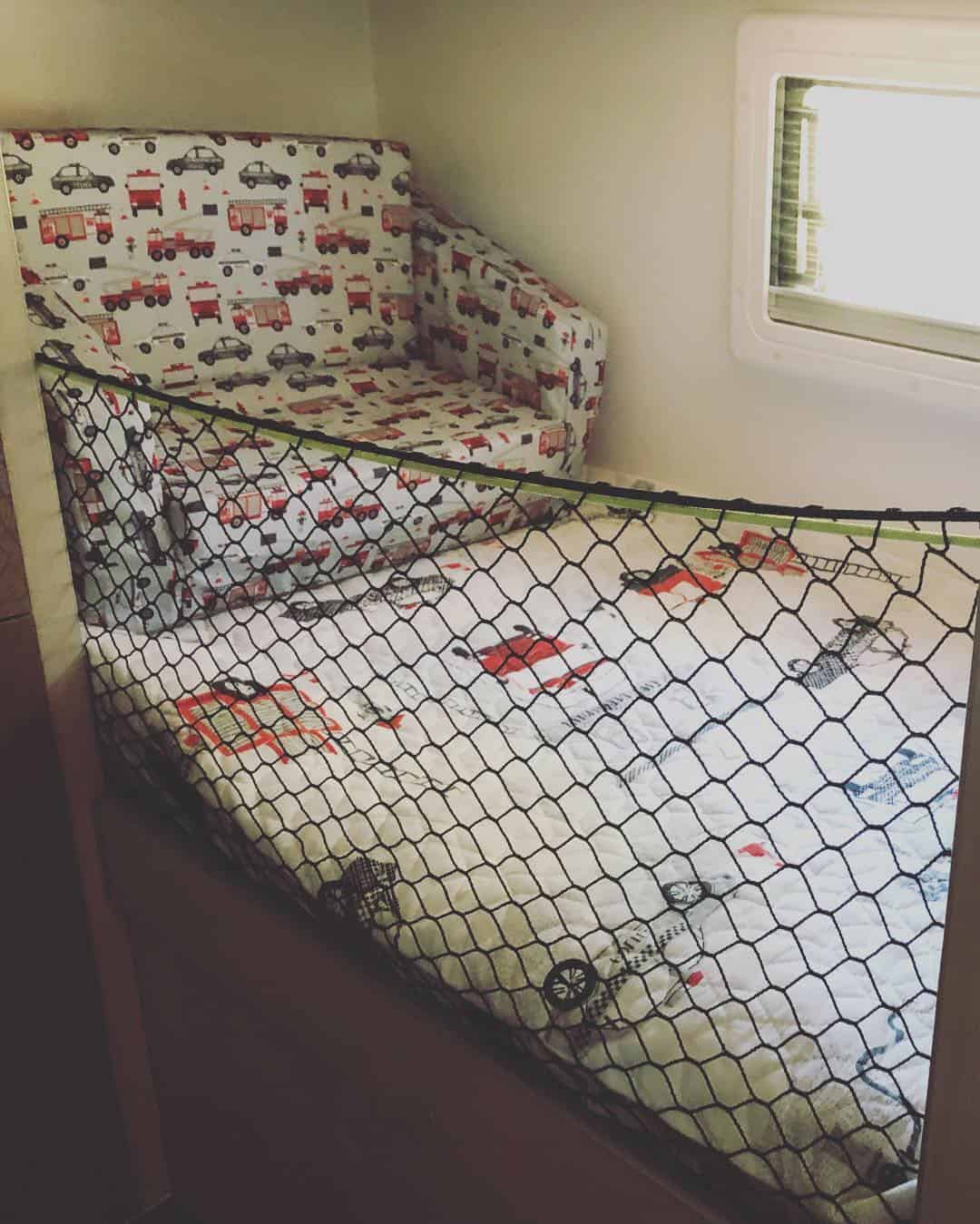
Guardrails prevent children from rolling off the bed. They act as a barrier along the edges. Proper guardrails cover the full length of the bed. Choose strong, sturdy materials for lasting safety. The height of the guardrail matters too. It should be tall enough to stop a child from falling over.
Using Non-slip Ladder Steps
Ladders help children climb up and down safely. Non-slip ladder steps reduce the chance of slipping. These steps have textured surfaces for better grip. Avoid smooth or shiny materials that can be slippery. Check ladder steps regularly for wear and tear. Replace worn parts to keep the ladder safe.
Adding Bedside Cushions
Bedside cushions soften any impact from a fall. Place cushions on the floor next to the bunk bed. Use thick, firm cushions to absorb shocks. Cushions provide extra comfort and safety at night. They can also protect children during play around the bed.
Credit: caravanning101.com
Safe Sleeping Habits
Safe sleeping habits help keep children secure on bunk beds. They reduce the risk of falling and injury. Teaching good habits is key to a safe bedtime routine.
Simple rules make a big difference. Kids learn how to stay safe without fear or stress. Caregivers feel confident knowing the child is protected.
Encouraging Staying In Bed
Explain why staying in bed is important. Rest and sleep are safer when children remain still. Use calm words to remind them gently at night.
Set clear bedtime expectations. Praise children when they follow the rules. This builds good habits and a sense of safety.
Avoiding Rough Play On The Bed
Bunk beds are not for jumping or wrestling. Rough play increases the chance of falling. Teach children to save playtime for the floor or playground.
Show how to use the bed carefully. Explain that the bed is for sleep, not play. Reinforce this rule often to create lasting habits.
Regular Maintenance Checks
Regular maintenance checks keep bunk beds safe and secure. These checks help find problems early. Fixing issues fast stops accidents before they happen. A simple routine can protect children from falling off bunk beds.
Inspecting For Loose Screws And Parts
Check all screws and bolts on the bunk bed. Tighten any that are loose. Loose screws make the bed unstable and risky. Look closely at joints and connections. Replace missing screws or parts quickly. A firm bed frame supports weight safely.
Checking Guardrail Stability
Guardrails stop children from falling off the bed. Push gently on guardrails to test firmness. Secure any loose guardrails with screws or brackets. Make sure guardrails cover the whole bed side. No gaps or weak spots should exist. Strong guardrails give peace of mind.

Credit: www.ebay.com
Educating Children On Bed Safety
Teaching children about bunk bed safety is very important. Kids need clear rules and guidance to avoid falls. Learning how to use the bed safely helps them build good habits. Parents and caregivers play a key role in this education.
Teaching Safe Climbing And Descending
Show children the right way to climb up and down the bunk bed. Teach them to use the ladder carefully. Climbing slowly and holding the rails prevents slips. Remind kids to never jump from the bed. Practicing these steps makes safety a habit.
Establishing Rules For Bed Use
Set simple rules for using the bunk bed. No rough play or running on the bed keeps kids safe. Explain why these rules matter in easy words. Use reminders like signs or talks to keep rules clear. Consistency helps children remember and follow rules well.
Frequently Asked Questions
How Can Guardrails Prevent Bunk Bed Falls?
Guardrails act as barriers on bunk bed edges. They help keep sleepers from rolling off during sleep. Installing sturdy guardrails is essential for safety, especially for children. Always ensure guardrails are properly secured and cover enough bed length.
What Mattress Size Is Safest For Bunk Beds?
Use mattresses that fit snugly within the bed frame. Avoid overly thick mattresses to maintain guardrail height effectiveness. Proper mattress size prevents gaps where children can get trapped or fall. Check manufacturer guidelines for recommended mattress dimensions.
How To Teach Kids Bunk Bed Safety?
Explain the importance of staying seated while climbing or descending. Encourage slow, careful movements on ladders. Set clear rules about no jumping or horseplay on the bed. Consistent reminders help children develop safe bunk bed habits.
Are Bunk Bed Ladders Safe For Children?
Choose ladders with wide, non-slip steps and secure attachment. Ensure ladders are sturdy and regularly inspected for damage. Teach children to always face the ladder when climbing. Safe ladders reduce the risk of slips and falls.
Conclusion
Preventing falls from a bunk bed keeps children safe and parents calm. Use guardrails on all sides to block slips. Choose a sturdy ladder for easy climbing. Keep the area around the bed clear of toys and clutter. Teach kids to move slowly and carefully on the bed.
Check the bed often for loose parts or damage. Small steps like these create a safer sleep space. Safety does not have to be complicated. It just takes attention and care every day.