Are you tired of your books constantly falling over on your shelf? Keeping your books upright not only makes your space look neat but also protects your precious collection from damage.
If you’ve ever struggled with wobbly stacks or cluttered shelves, this article is for you. You’ll discover simple, practical tips that anyone can use to keep books standing tall and organized. Stick with me, and you’ll transform your bookshelf into a tidy, eye-pleasing display that makes finding your favorite read easier than ever.
Ready to get started? Let’s dive in!
Credit: www.etsy.com
Choose The Right Bookends
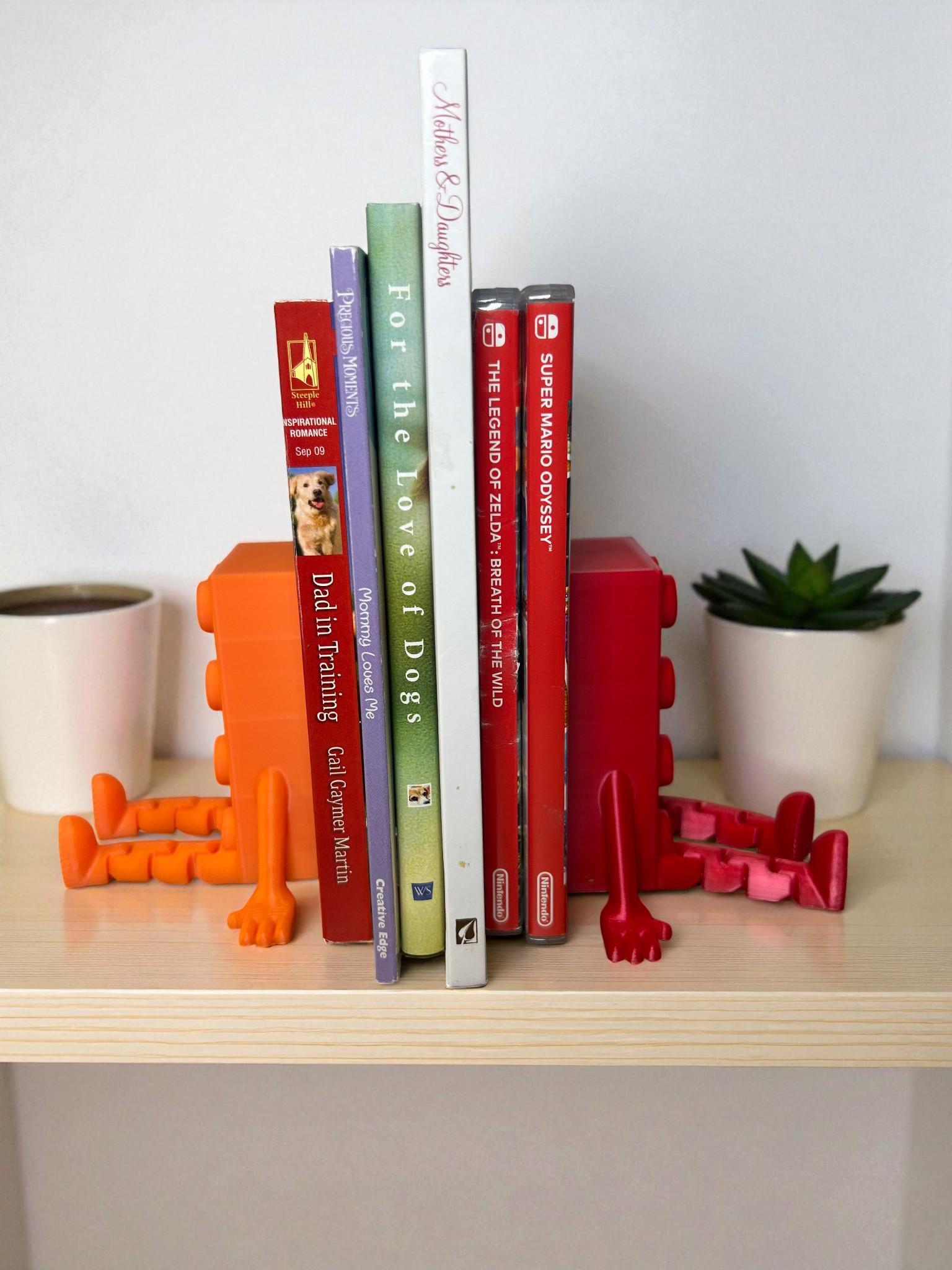
Choosing the right bookends helps keep your books neat and upright. Bookends stop books from falling over and make your shelf look tidy. Picking the right type and style also adds charm to your space. The right bookends hold books firmly without damaging them.
Types Of Bookends
Bookends come in many shapes and sizes. Some are heavy blocks that sit at each end of the row. Others have L-shaped brackets that attach to the shelf. There are also decorative bookends shaped like animals, letters, or simple geometric forms. Choose bookends that fit your shelf size and book weight.
Materials And Durability
Bookends are made from metal, wood, plastic, or stone. Metal bookends are strong and last long. Wooden bookends add warmth and a natural look. Plastic ones are light and affordable but may not hold heavy books well. Stone bookends are heavy and stable but can be fragile. Pick materials that fit your style and hold your books firmly.
Styling Tips
Match bookends with your room’s decor and shelf color. Use bookends that contrast with your books to make them stand out. For a minimalist look, pick simple shapes and neutral colors. Colorful or fun shapes add personality to kids’ rooms. Place bookends at both ends or just one side of your books for balance.

Credit: www.reddit.com
Organize By Size And Weight
Organizing books by size and weight helps keep them steady on the shelf. This method stops books from leaning or falling over. It also gives your bookshelf a neat, balanced look. Sorting books this way makes it easier to find what you need fast.
Follow these tips to arrange your books by size and weight with care.
Group Similar Sized Books
Put books of the same height together. This creates a smooth, even row. It stops smaller books from tipping over next to tall ones. Grouping by size keeps your shelf tidy and easy to manage. It also makes your collection look well planned.
Place Heavier Books At Ends
Heavier books work best at the ends of the shelf. They act like bookends and hold lighter books in place. This stops the whole row from sliding or toppling. Putting heavy books on ends also protects smaller books from damage.
Balance Your Arrangement
Distribute books evenly across the shelf. Don’t put all heavy books on one side. A balanced layout helps keep the shelf stable. It also makes your collection look more attractive. Check your shelf after arranging to ensure it stands firm.
Use Non-slip Solutions
Books can slide or fall on smooth shelves. Non-slip solutions help keep books standing straight. They create friction between books and shelves. This stops books from tipping or shifting.
Non-slip tools are easy to use. They protect your books and keep your shelf neat. Try these simple options to improve your bookshelf.
Rubber Pads And Strips
Rubber pads and strips stick to the shelf or bookends. They provide a grippy surface that stops slipping. These pads are soft and won’t damage your books. Place them under bookends or between books for extra support.
Shelf Liners
Shelf liners cover the entire shelf surface. They are made from materials like rubber or foam. Liners add grip to smooth shelves. Cut liners to fit your shelf size perfectly. Liners also protect shelves from scratches and dust.
Anti-skid Mats
Anti-skid mats work well for larger shelves. They are thin mats with a rough surface. Place them under rows of books to hold them steady. These mats can be cut to size. They prevent books from sliding during cleaning or small bumps.
Credit: www.amazon.com
Create Custom Supports
Creating custom supports for your bookshelf helps keep books upright and organized. These supports stop books from falling over and make your shelf look neat. You can make your own bookends or use items found around the house. Adjustable dividers also help hold books in place. Custom supports fit your shelf size and style perfectly. They save money and add a personal touch to your space.
Diy Bookends
Making your own bookends is simple and fun. Use wood blocks, bricks, or heavy objects as bases. Paint or decorate them to match your room. Glue felt or rubber pads underneath to prevent scratches. DIY bookends can be as plain or colorful as you like. They hold books tightly and add charm to your shelf.
Repurposing Household Items
Many household items work well as book supports. Use sturdy jars, vases, or small baskets. Fill containers with sand or stones for extra weight. Old toys or figurines can also hold books in place. Look for items with flat sides for stability. Repurposing saves money and gives your shelf a unique look.
Adjustable Shelf Dividers
Adjustable dividers fit inside shelves to create sections. They stop books from leaning or sliding. Choose dividers made of wood, metal, or plastic. You can move them to fit different book sizes. Dividers keep shelves tidy and books easy to find. They are a practical solution for any bookshelf.
Maintain Proper Shelf Space
Maintaining proper shelf space is key to keeping books upright and neat. Shelves packed too tightly cause books to lean and fall. Giving books enough room helps them stay stable and easy to remove. A balanced arrangement also protects book spines from damage. Follow simple steps to create the right space for each book.
Avoid Overcrowding
Do not cram too many books on one shelf. Overcrowding makes books press against each other. This pressure bends spines and causes leaning. Leave enough space so books stand straight without support. Use multiple shelves if needed to spread your collection.
Leave Breathing Room
Allow small gaps between books to give them space to breathe. This reduces pressure on the covers and keeps pages safe. Breathing room also makes it easier to pick books without pulling others out. A little space helps maintain the shelf’s order and neatness.
Regularly Adjust Books
Check your shelf often and adjust books as needed. Shift books back upright if they start to lean. Straightening books keeps the shelf tidy and prevents damage. Regular adjustments help keep your bookshelf looking organized and fresh.
Consider Vertical And Horizontal Stacking
Bookshelves look neat when books stay upright. Using both vertical and horizontal stacking helps keep books steady. This method also saves space and adds style to your shelf.
Mixing Orientations For Stability
Stack some books vertically. Stand others flat, in horizontal piles. This mix creates balance on the shelf. Vertical books lean gently against horizontal stacks. This stops books from falling over easily.
Use different sizes and shapes. Big books can lie flat. Small books stand up straight. This combination fills gaps and keeps the shelf firm. The variety also makes your shelf look interesting.
Using Horizontal Stacks As Supports
Horizontal stacks act like bookends. Place them at the ends of rows of vertical books. This holds the books in place and prevents sliding. You can also use a horizontal stack in the middle to support tall books.
Horizontal stacks work well with heavy books. They stop pressure from building on one side. This helps protect both the shelf and the books. Plus, it makes your shelf stronger and more organized.
Secure Shelves And Furniture
Keeping your books upright starts with making sure your shelves and furniture are secure. Loose or unstable shelves cause books to lean or fall. Solid shelves give strong support, holding books steady.
Secure shelves and furniture also protect your books from damage. When shelves wobble or shift, books can slide off. A stable bookshelf keeps your collection neat and safe.
Fix Wobbly Shelves
Wobbly shelves make books unstable. Check for loose screws or brackets. Tighten all screws with a screwdriver. Use shelf brackets for extra support under each shelf.
Wooden shims help level uneven shelves. Place shims between the shelf and the wall or furniture frame. This stops shaking and keeps the shelf flat.
Anchor Bookshelf To Wall
Anchoring your bookshelf to the wall prevents tipping. Use wall anchors and straps for safety. Find wall studs using a stud finder, then screw brackets into the studs.
Attach safety straps from the bookshelf to the brackets. This holds the furniture tight against the wall. Anchoring is especially important in homes with kids or pets.
Frequently Asked Questions
How Can I Prevent Books From Falling On My Shelf?
Use sturdy bookends or heavy objects to keep books upright. Arrange books by size, placing larger ones at the ends for stability. Avoid overcrowding shelves to reduce pressure that causes books to topple.
What Are The Best Bookends To Keep Books Upright?
Metal or wooden bookends with non-slip bases work best. They provide strong support and prevent sliding. Adjustable or weighted bookends adapt to different book sizes and keep shelves tidy and organized.
How Do Shelf Dividers Help Keep Books Upright?
Shelf dividers create compartments, preventing books from leaning or falling. They maintain order and make books easier to access. Dividers are ideal for shelves with mixed book sizes or when bookends alone aren’t enough.
Can I Use Household Items As Book Supports?
Yes, items like decorative objects, small plants, or bricks wrapped in fabric can act as bookends. Ensure they are stable and heavy enough to hold books upright without damaging them or the shelf.
Conclusion
Keeping books upright on a bookshelf is simple with the right tips. Use bookends or heavy objects to hold them steady. Arrange books by size for better balance. Avoid overcrowding shelves to prevent books from falling. Regularly adjust and tidy your books to keep them neat.
A well-organized shelf looks nice and makes finding books easy. Small changes make a big difference in your space. Try these easy steps today and enjoy a tidy bookshelf.