Are you looking to save space without sacrificing comfort? Building a folding bunk bed might be the perfect solution for your home.
Imagine having a bed that folds away neatly, giving you more room during the day and a cozy sleeping spot at night. In this guide, you’ll discover simple, step-by-step instructions to create your own folding bunk bed. Whether you’re a beginner or have some DIY experience, you’ll find tips that make the process easy and enjoyable.
Ready to transform your space and impress your friends? Keep reading to learn how to build a folding bunk bed that fits your needs perfectly.
Benefits Of Folding Bunk Beds
Folding bunk beds offer many advantages for homes with limited space. They combine comfort and practicality. This makes them a smart choice for families and small apartments. Folding bunk beds save room without sacrificing sleep quality. The design allows easy use and storage, fitting well in various living areas.
Maximizing Small Spaces
Folding bunk beds free up valuable floor space. They fold neatly against walls when not in use. This creates more room for other activities. Ideal for small bedrooms, studios, or guest rooms. They help keep spaces open and less crowded. Perfect for homes where every inch counts.
Versatility And Convenience
These beds adapt to different needs quickly. Use them for guests, kids, or shared bedrooms. Folding bunk beds are easy to set up and store. They provide extra sleeping space in minutes. Great for homes with changing requirements or visitors. Their convenience makes daily life easier and more flexible.
Cost-effectiveness
Folding bunk beds save money on extra furniture. No need to buy separate beds for guests or children. They reduce the cost of larger rooms or extra beds. Their dual function means fewer purchases and less clutter. A budget-friendly solution for comfortable sleeping arrangements.
Materials And Tools Needed
Building a folding bunk bed starts with gathering the right materials and tools. Choosing strong and durable items ensures safety and longevity. Using proper tools makes the process faster and easier. Prepare everything before starting to avoid interruptions.
Wood Types And Dimensions
Use hardwood like oak, maple, or birch for strength. Softwoods such as pine work but may wear faster. Select boards that are smooth and free of cracks. Common dimensions include 2x4s for the frame and 1x4s for slats. Measure twice, cut once for perfect fit.
Hardware And Fasteners
Choose strong hinges that support folding weight well. Use wood screws, at least 2.5 inches long, for secure joints. Include bolts and washers for extra hold on moving parts. Pick screws with rust-resistant coating for durability. Add locking pins or catches to keep beds stable.
Essential Tools List
Gather a cordless drill with drill bits and screwdriver bits. Have a circular saw or handsaw for cutting wood. Use a measuring tape and a carpenter’s square for accuracy. Sandpaper or an electric sander smooths rough edges. Clamps hold pieces steady during assembly. A pencil marks cutting lines clearly.
Design And Measurements
Cutting and preparing wood is a key step in building a folding bunk bed. It sets the stage for a sturdy and safe structure. Precise cuts ensure all pieces fit well together. Proper preparation makes the wood smooth and ready for assembly.
Taking time in this phase saves effort later. It helps avoid mistakes and keeps your project on track.
Marking And Measuring Cuts
Use a tape measure for accurate dimensions. Mark the wood with a pencil clearly. Double-check all measurements before cutting. Measure twice, cut once—this rule prevents errors. Use a square tool to keep lines straight. Clear markings guide your saw for clean cuts.
Sanding And Finishing Edges
Sand all cut edges to remove splinters. Use medium-grit sandpaper first, then fine-grit for smoothness. Sand along the wood grain for best results. Smooth edges protect hands and improve the bed’s look. Finish with a sealant or paint to protect the wood.
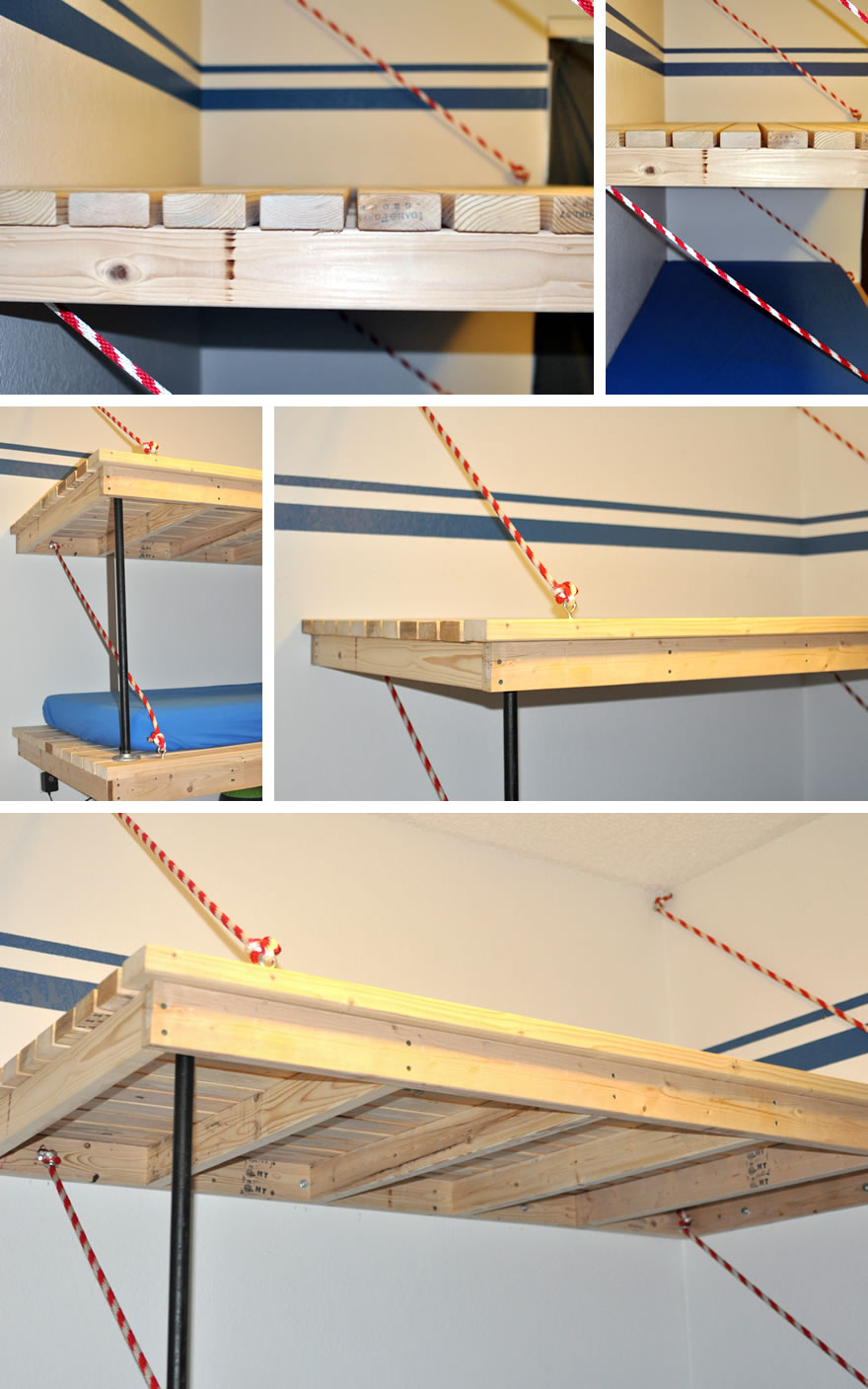
Credit: christianross.net
Cutting And Preparing Wood
Assembling the frame is the key step in building a folding bunk bed. The frame holds everything together. You must build it strong and stable. Follow each step carefully for a safe and durable bed.
Building The Base
Start by cutting the wood pieces for the base. Use sturdy wood like pine or oak. Arrange the pieces in a rectangle shape. Join the pieces with screws or bolts. Make sure the corners are square. The base must be level and firm. This part supports the whole bed.
Constructing The Bunk Supports
Next, build the supports that hold the top bunk. Cut vertical posts to the right height. Attach the posts firmly to the base. Use metal brackets for extra strength. Add horizontal slats between the posts. These will hold the mattress securely. Check the supports for stability before moving on.
Attaching Folding Mechanisms
Finally, add the folding parts. Use strong hinges designed for beds. Attach hinges at the right points on the frame. Test the folding action several times. It should move smoothly without wobbling. Locking mechanisms keep the bed steady when open. Secure all screws tightly to avoid accidents.
Assembling The Frame
Installing the bed slats and mattress support is a key step in building a folding bunk bed. Proper slat placement ensures the bed is strong and comfortable. The mattress support affects how well the mattress fits and lasts. Both parts work together for a safe and sturdy bed.
Spacing And Securing Slats
Place the slats evenly across the bed frame. Keep the gaps between slats about 2 to 3 inches. This spacing supports the mattress well and prevents sagging. Use screws or nails to fix each slat firmly. Make sure the slats do not move or shift. Tight slats increase bed strength and safety. Check that the slats lie flat and are not warped. A flat surface keeps the mattress stable and comfortable.
Choosing The Right Mattress
Pick a mattress that fits the bunk bed frame exactly. Measure the bed frame before buying. Choose a mattress with medium firmness for comfort and support. Thin mattresses work best for folding bunk beds. Thick mattresses might make the bed unstable. Foam or hybrid mattresses are lighter and easier to handle. Avoid heavy mattresses that strain the folding mechanism. A good mattress improves sleep quality and bed durability.

Credit: www.youtube.com
Installing The Bed Slats And Mattress Support
Adding safety features is key to building a folding bunk bed. Safety keeps users secure and prevents accidents. Every part of the bed needs careful attention. Small details make a big difference. This section covers two main safety features: guardrails with ladders, and locking mechanisms for stability.
Guardrails And Ladders
Guardrails protect sleepers from falling out of bed. Install strong rails on all sides of the top bunk. Use smooth wood or metal to avoid splinters or cuts. The rails should be high enough to stop rolling off during sleep.
The ladder must be sturdy and easy to climb. Attach the ladder firmly to the frame. Steps should be wide with non-slip surfaces. Position the ladder at a comfortable angle for safety. Check the ladder for sharp edges or loose parts.
Locking Mechanisms For Stability
Locking mechanisms keep the bunk bed stable when folded or unfolded. Use metal locks or latches that hold the bed firmly in place. Test locks several times to ensure they do not slip.
Secure locks prevent sudden folding or movement. This helps avoid injuries. Place locks where they are easy to reach but cannot open by accident. Safety locks are crucial for peace of mind.
Adding Safety Features
Keeping your folding bunk bed in good shape is important. Regular care helps it last longer and stay safe. Small actions can prevent big problems later. Let’s explore easy ways to maintain your bunk bed and fix common issues.
Regular Inspections
Check the bed parts often for any damage or wear. Look at the hinges, screws, and frame closely. Tighten loose screws and bolts right away. Make sure the folding mechanism works smoothly. Watch for cracks or bends in the wood or metal. Early spotting of problems keeps the bed safe and strong.
Troubleshooting Common Issues
If the bed does not fold or unfold properly, clean the hinges. Dust and dirt can block the movement. Use a light oil to lubricate the joints. Avoid using too much oil to prevent mess. If a screw or bolt is missing, replace it quickly. Check the mattress support for stability. Fix any bent or broken parts to avoid accidents. Regular fixes stop small problems from growing big.
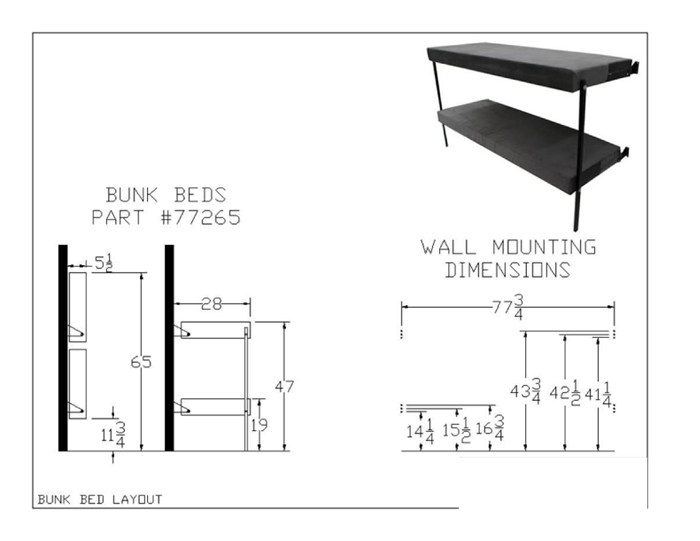
Credit: www.laborkreis.de
Frequently Asked Questions
What Materials Are Needed To Build A Folding Bunk Bed?
You need plywood, wood screws, hinges, brackets, a drill, and sandpaper. Quality materials ensure safety and durability. Choose hardwood for strength and plywood for the frame. Proper tools and hardware make assembly easier and the bed sturdy.
How Much Time Does Building A Folding Bunk Bed Take?
Building a folding bunk bed typically takes 1 to 2 days. Time varies based on skill level and tools available. Proper planning and preparation speed up the process. Allow extra time for sanding, painting, or finishing touches.
Is A Folding Bunk Bed Safe For Children?
Yes, if built correctly with secure hinges and sturdy materials. Safety rails and locking mechanisms prevent accidents. Always follow weight limits and check all joints regularly. Proper design and maintenance ensure child safety.
Can I Customize The Size Of A Folding Bunk Bed?
Yes, you can customize dimensions to fit your space. Measure the room carefully and adjust plans accordingly. Custom sizes help maximize space and comfort. Ensure structural integrity is maintained when resizing.
Conclusion
Building a folding bunk bed saves space and adds comfort. Follow each step carefully for safety and strength. Use the right tools and materials for best results. Take your time to measure and fit parts well. This project suits small rooms or guest spaces perfectly.
You can enjoy extra beds without crowding your room. A folding bunk bed is practical and stylish. Try this project to improve your home’s function today.