Have you ever wondered what the right age is to put your toddler to bed on their own? It’s a question every parent faces, and finding the perfect time can feel tricky.
You want your little one to feel safe and comfortable, but also to encourage healthy sleep habits that last. You’ll discover practical tips and expert advice that can help you make this important decision with confidence. Keep reading to learn how to create bedtime routines that work for both you and your toddler.
Ideal Toddler Bedtime Ages
Choosing the right bedtime for your toddler helps their growth and mood. Toddlers need enough sleep to stay healthy and happy. Their ideal bedtime changes as they grow older. Parents often ask, “What age should my toddler go to bed?” This depends on the child’s sleep needs and readiness. Understanding these factors can make bedtime easier and smoother.
Setting a good bedtime routine early helps your toddler sleep well. It also supports their brain and body development. Knowing the ideal bedtime age helps you plan better and avoid bedtime battles.
Typical Sleep Needs By Age
Toddlers aged 1 to 2 need about 11 to 14 hours of sleep daily. This total includes naps and nighttime sleep. By age 3, they usually need 10 to 13 hours of sleep. Most toddlers drop their naps by age 4 and sleep mostly at night. The earlier the bedtime, the better their rest and mood the next day. Sleep needs vary but staying within these ranges keeps toddlers healthy.
Signs Your Toddler Is Ready
Watch for signs your toddler is ready for a set bedtime. They may resist naps or bedtime more than before. They might wake up too early or seem tired during the day. Your toddler may show more mood swings or fussiness. These signs mean they need more nighttime sleep. Also, when toddlers can stay in bed without getting up, they are ready. A steady bedtime routine helps them adjust well and feel safe.
Transitioning From Crib To Bed
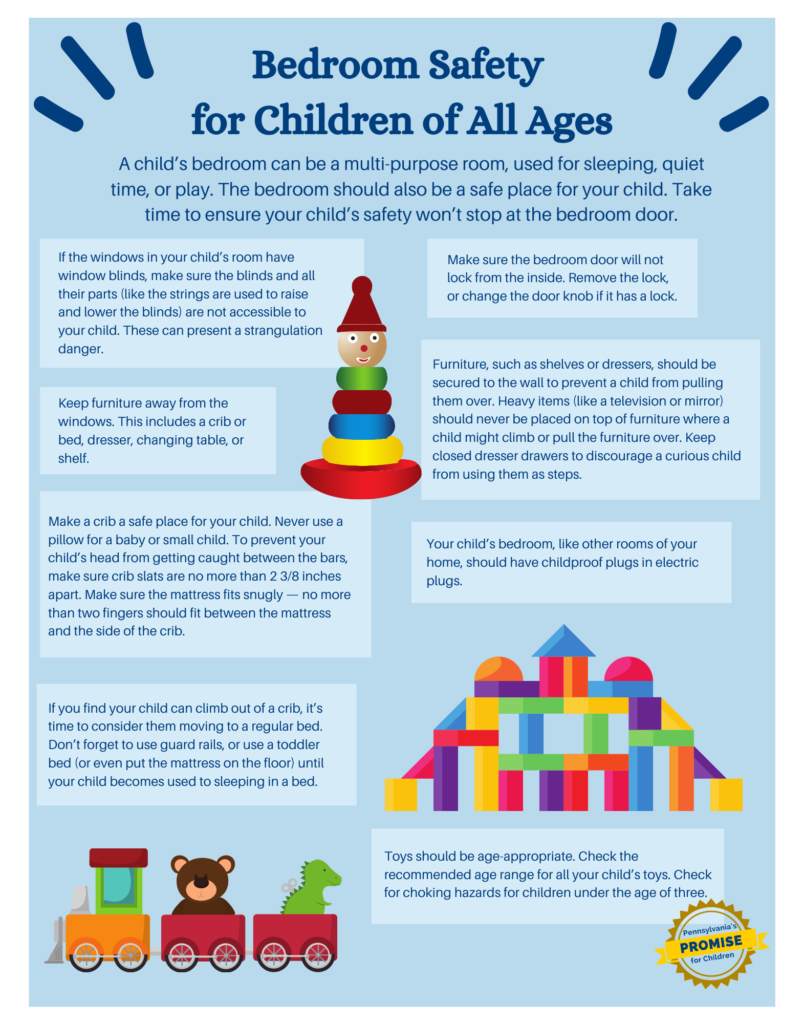
Transitioning from a crib to a bed marks a big step for toddlers and parents alike. This change involves more than just moving furniture. It affects a child’s comfort, safety, and sense of independence. Parents should prepare both the child and the room for this new stage.
The timing varies. Some toddlers switch around age two, others closer to three. Signs like climbing out of the crib or needing more space can signal readiness. Making this change smooth helps toddlers sleep well and feel secure.
Choosing The Right Bed
Select a bed that fits your toddler’s size and needs. Toddler beds are low to the ground, making it easy to get in and out. Some parents prefer a twin bed with guardrails for extra safety. Choose a mattress that is firm and fits snugly in the frame. Avoid beds that have sharp edges or loose parts.
Creating A Safe Sleep Space
Safety is the top priority in the new sleep space. Remove any toys or items that could cause harm during the night. Use guardrails to prevent falls. Keep the room temperature comfortable and use blackout curtains to help with sleep. Check for cords, blinds, or outlets within reach. A clean and clutter-free room reduces risks and promotes calm sleep.
Establishing A Bedtime Routine
Establishing a bedtime routine helps toddlers feel safe and ready for sleep. It sets a clear signal that the day is ending. Routines reduce fussiness and make bedtime easier.
A good routine includes regular timing and calming activities. These help your child relax and prepare for rest.
Consistent Sleep Schedule
Put your toddler to bed at the same time each night. This helps their body clock adjust. A steady schedule leads to better sleep quality.
Wake your toddler at a consistent time too. This keeps their sleep cycle regular and balanced. Avoid big changes in sleep times on weekends.
Calming Pre-bed Activities
Choose quiet activities before bed. Reading a book or gentle music works well. These calm the mind and body.
Avoid screens and active play before sleep. Bright lights and excitement can delay rest. Soft lighting creates a peaceful atmosphere.

Credit: www.poudrevalleyeyecare.com
Common Sleep Challenges
Many parents face common sleep challenges when putting toddlers to bed. These challenges can make bedtime stressful for both children and parents. Understanding these issues helps create better sleep routines. Toddlers often struggle with fears and waking up at night. Addressing these problems gently supports healthy sleep habits.
Nighttime Fears And Anxiety
Toddlers often feel scared in the dark. Shadows and strange sounds can cause anxiety. They may want a parent nearby for comfort. Nighttime fears can delay sleep and cause crying. Reassurance and a consistent bedtime routine can help. A night light or favorite toy may also ease fears.
Dealing With Night Wakings
Toddlers sometimes wake up during the night. They may cry or call for a parent. Night wakings can happen for many reasons, like hunger or discomfort. Staying calm and soothing them briefly is important. Avoid turning on bright lights or playing. Helping toddlers learn to fall back asleep alone improves sleep quality.
Expert Tips For Smooth Bedtime
Getting toddlers to bed can be a challenge for many parents. Following expert tips helps create a calm and easy bedtime routine. Simple steps make the process smoother for both you and your child. Consistency and patience are key to success.
Understanding your toddler’s needs and reactions improves the bedtime experience. Focus on positive methods that encourage good habits. Avoid stress and frustration by using gentle and clear techniques.
Positive Reinforcement Techniques
Praise your toddler when they follow the bedtime routine well. Use simple rewards like stickers or extra storytime. Celebrate small successes to build good habits. This shows your child that bedtime is a positive time.
Keep your tone happy and encouraging. Avoid punishment or harsh words. Positive reinforcement teaches your toddler what you expect without fear. It builds trust and helps them feel safe.
Handling Resistance And Tantrums
Toddlers may resist bedtime or throw tantrums. Stay calm and patient during these moments. Do not give in to demands that delay sleep. Set clear limits and stick to them firmly but kindly.
Offer comfort but avoid long negotiations. Use simple words to explain bedtime rules. Distraction with a favorite toy or song can help. Consistent routines reduce tantrums over time.
Credit: papromiseforchildren.com

Credit: www.amazon.com
Frequently Asked Questions
What Is The Ideal Age To Start Toddler Bedtime Routines?
The ideal age to start bedtime routines is between 12 and 18 months. At this stage, toddlers begin to understand routines and benefit from consistent sleep schedules. Establishing a calming routine helps them feel secure and improves sleep quality.
When Should Toddlers Transition To Their Own Bed?
Toddlers typically transition to their own bed between 18 months and 3 years old. This change depends on the child’s readiness and safety considerations. Moving to a toddler bed encourages independence and provides more space for comfortable sleep.
How Many Hours Of Sleep Do Toddlers Need Nightly?
Toddlers need about 11 to 14 hours of sleep in 24 hours. This includes nighttime sleep and daytime naps. Adequate sleep supports growth, brain development, and overall health during early childhood.
What Bedtime Helps Toddlers Develop Healthy Sleep Habits?
A consistent bedtime between 7:00 PM and 8:00 PM works best for most toddlers. Early and regular bedtimes align with their natural sleep rhythms. This routine fosters better sleep quality and easier morning wake-ups.
Conclusion
Every child is different and sleeps best at their own pace. Start bedtime routines early to help toddlers adjust smoothly. Consistency matters most for healthy sleep habits. Watch your toddler’s cues and adapt bedtime as needed. A calm, quiet environment helps them feel safe and relaxed.
Remember, patience and love guide your toddler toward good sleep. This journey takes time but brings restful nights for all.