Looking to add a cozy, fun spot under your bunk bed? A hammock might be the perfect choice.
But how do you find the best hammock that fits just right and feels super comfy? You want something safe, stylish, and easy to set up—something that turns your space into a cool hideaway or a relaxing nook. Keep reading, and you’ll discover simple tips and tricks to pick the perfect hammock for under your bunk bed.
Your new favorite chill zone is closer than you think!

Credit: www.amazon.com
Choosing The Right Hammock Size
Choosing the right hammock size for under your bunk bed is important. A hammock that fits well makes the space cozy and safe. It also helps you enjoy relaxing without feeling cramped or uncomfortable. Before buying, check the space and your needs carefully.
Measuring Your Bunk Bed Space
First, measure the width and length under your bunk bed. Use a tape measure to get exact numbers. Note any obstacles like bed supports or nearby furniture. These can limit the hammock size you can use. Write down the measurements clearly for easy reference.
Standard Hammock Dimensions
Most hammocks come in sizes like small, medium, and large. A small hammock is usually about 4 feet wide. Medium sizes range from 5 to 6 feet wide. Large hammocks can be 7 feet or wider. Lengths typically start around 8 feet and go up to 12 feet.
Choose a hammock size that fits inside the space you measured. It should have some extra room to hang freely without touching the floor or walls.
Adjusting For Personal Comfort
Think about how you like to relax in a hammock. Do you sit, lie flat, or curl up? Pick a size that supports your preferred position. If you want to stretch out, a wider and longer hammock works best. For sitting, a smaller size may be enough.
Also, consider the weight capacity and material stretch. These affect comfort and safety. A well-sized hammock makes your bunk bed area a perfect spot to rest.
Material Options For Hammocks
Choosing the right material for a hammock under a bunk bed is important. The material affects comfort, durability, and care. Some fabrics work better in small spaces. Others last longer or feel softer on the skin. Knowing the options helps pick the best hammock for your room.
Cotton Vs. Nylon
Cotton feels soft and natural. It is gentle on the skin. Cotton hammocks are cozy and breathable. They suit indoor use well. Nylon is strong and lightweight. It dries fast and resists stains. Nylon hammocks are good for kids or messy rooms. Both materials have their pros for bunk bed hammocks.
Breathability And Durability
Cotton lets air flow easily. This keeps you cool while resting. It can wear out faster if used daily. Nylon is less breathable but lasts long. It handles weight and tension well. Nylon resists tears and stretching. Choose cotton for comfort or nylon for strength.
Easy-to-clean Fabrics
Cotton can absorb spills and stains. Cleaning may take more time. Nylon wipes clean quickly with a damp cloth. It is less likely to hold odors. For busy rooms, nylon saves effort. Consider how often you want to clean the hammock.
Hammock Styles For Bunk Beds
Choosing the right hammock style for under a bunk bed can make a big difference. It affects comfort, space use, and how the room looks. Some hammocks fit small spaces better. Others add a cozy or fun touch. Understanding different styles helps pick the best one.
Each hammock type has unique features. Some are easy to hang and move. Others offer more support or softness. Think about the room size and who will use it. This guides the choice of the perfect hammock style.
Classic Rope Hammocks
Classic rope hammocks have a timeless look. They use strong cords woven tightly. This style lets air flow, keeping you cool. Rope hammocks are light and easy to hang. They fit well under bunk beds with enough space. The open design also adds a casual, beachy feel.
These hammocks need secure hooks or stands. They can hold one or two people. The ropes might feel rough for some. Adding a cushion or blanket can help. Rope hammocks are durable and easy to clean.
Fabric Hammocks
Fabric hammocks use soft cloth for a smooth rest. They offer more warmth and comfort than rope. Many come in bright colors and fun patterns. Fabric hammocks fit well in cozy rooms. They also block some light, making rest easier.
This style is good for kids or adults. Fabric hammocks need less space to hang. They fold easily for storage. The material can be cotton or polyester. Cotton feels soft but may need more care. Polyester dries quickly and resists stains.
Hammock Chairs And Swings
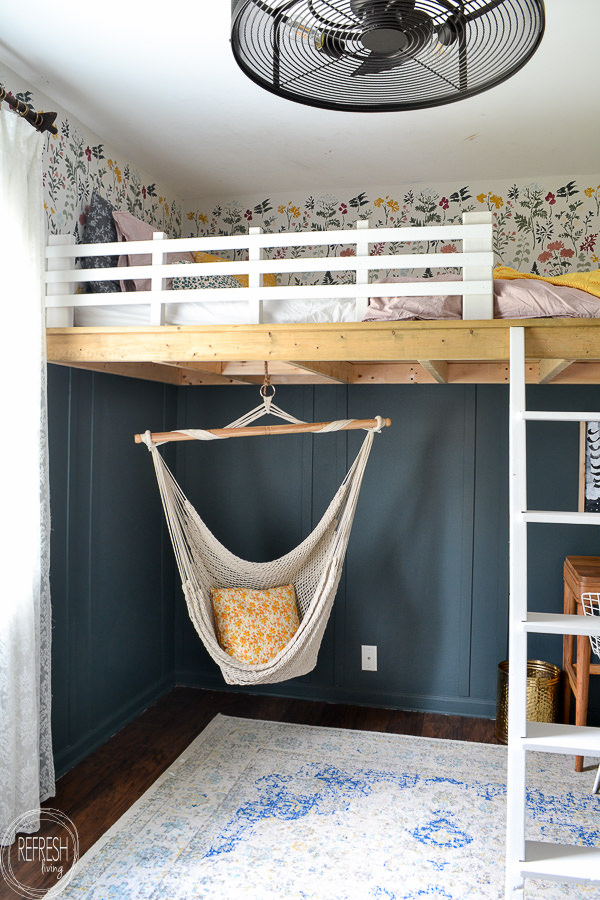
Hammock chairs and swings save floor space. They hang from one point instead of two. This style is great for smaller areas under bunk beds. They offer a fun way to sit and relax. The swinging motion can be soothing for kids.
Hammock chairs come in different shapes and sizes. Some have cushions for extra comfort. They are simple to install and move. This style adds a playful, modern look to the room. Make sure the ceiling or frame can support the weight.
Installation Tips And Tricks
Installing a hammock under a bunk bed needs care and attention. Proper setup ensures safety and comfort. It also makes the hammock last longer. Follow these tips and tricks to get the best results.
Securing Hammocks Safely
Check the bunk bed’s weight limit before hanging the hammock. Use strong ropes or straps designed for hammocks. Tie knots tightly to avoid slipping. Test the hammock’s hold by gently pulling before use. Make sure the hammock hangs evenly to avoid tipping.
Using Bed Frame Hooks
Choose heavy-duty hooks made for supporting weight. Screw hooks into solid parts of the bed frame only. Avoid thin or hollow metal sections. Measure the distance between hooks to match your hammock’s length. Use washers with hooks to increase grip and prevent damage.
Avoiding Common Installation Mistakes
Do not hang the hammock too low; leave enough space to sit comfortably. Avoid sharp edges near the hammock that can cut ropes. Do not use weak or worn-out straps. Avoid uneven hanging; it can cause falls. Regularly check all parts for wear and tear.
Maximizing Comfort And Support
Maximizing comfort and support is key to enjoying a hammock under a bunk bed. A well-set hammock can provide a cozy, relaxing space. Comfort depends on the right accessories and adjustments. Support ensures your body stays aligned and relaxed. Small changes can make a big difference in your hammock experience.
Adding Cushions And Pillows
Cushions and pillows add softness to your hammock. They help support your back and neck. Use firm pillows to keep your head raised. Soft cushions create a cozy feel. Choose cushions that fit well inside the hammock. Avoid bulky pillows that make the hammock tight. Layer cushions for extra comfort and support.
Using Hammock Underlays
A hammock underlay adds a smooth surface between you and the hammock. It helps prevent discomfort from hammock ropes or fabric seams. Underlays can keep you warmer by adding insulation. Choose an underlay made from breathable materials. This keeps air flowing and stops sweating. A good underlay boosts both comfort and durability.
Adjusting Tension For Relaxation
Tension controls how tight or loose your hammock feels. A tight hammock supports your body well but feels firmer. A loose hammock cradles you gently but may sag too much. Adjust tension by changing how you tie the hammock. Try small changes until you find the right balance. Proper tension reduces pressure points and helps you relax better.
Safety Considerations
Safety is the top priority when placing a hammock under a bunk bed. Choosing the right hammock and setting it up correctly protects everyone. It helps avoid accidents and keeps the space comfortable.
Following safety tips ensures the hammock stays secure and stable. It also makes the area child-friendly and fun. Consider these key safety points before installing your hammock.
Weight Limits And Load Capacity
Check the hammock’s weight limit before buying. Every hammock has a maximum load it can hold safely. Exceeding this limit can cause the hammock to break.
Also, consider the bunk bed’s frame strength. Make sure it supports the hammock and weight safely. Stick to the recommended load to prevent damage or injury.
Regular Inspection And Maintenance
Inspect the hammock often for wear and tear. Look for frayed ropes, loose knots, or fabric damage. Repair or replace parts showing wear immediately.
Keep the hanging points tight and secure. Loose hooks or straps can cause falls. Regular checks help maintain safety and comfort.
Child-friendly Hammock Options
Choose hammocks designed for children under bunk beds. These have extra safety features like reinforced seams and softer fabrics. They reduce the risk of injury and increase comfort.
Pick hammocks with easy access and exit points. Avoid designs with sharp edges or loose parts. Safety and fun go hand in hand for kids’ spaces.
Decor And Style Ideas
Decor and style play a big part in making a hammock under a bunk bed feel special. It changes the space into a fun and cozy spot. Small touches can make the area look neat and inviting. Focus on colors, lighting, and accessories to create a nice vibe. These tips help make your hammock area stand out.
Color Coordination With Room Decor
Choose hammock colors that match the room’s theme. Soft pastels suit calm, light rooms. Bright colors add fun to plain spaces. Match the hammock with wall paint or bedding for balance. Use patterns that fit the room style. This keeps the look clean and pleasing. Color harmony makes the space feel larger and more relaxed.
Adding Fairy Lights And Accessories
Fairy lights add soft, warm light under the bunk bed. They create a magical and cozy mood. String them around the hammock frame or bunk bed edges. Add small pillows or plush toys for comfort. A small rug under the hammock adds warmth. Simple decorations make the area inviting. Light and accessories bring personality and charm.
Creating A Cozy Nook Under The Bunk
Use curtains or fabric to make a private nook. It gives a sense of a little hideaway. Add soft cushions and blankets inside the hammock. A small shelf nearby can hold books or toys. Keep the space tidy for comfort and safety. Personal touches make the nook a favorite spot. The goal is a warm, calm place to relax or read.
Credit: refreshliving.us

Credit: www.cedarwoodfurniture.com
Frequently Asked Questions
What Is The Best Hammock Size For Under A Bunk Bed?
The ideal hammock size for under a bunk bed is usually 4 to 6 feet long. It should fit comfortably without blocking walkways or room space, ensuring easy access and safety for users.
How To Securely Hang A Hammock Under A Bunk Bed?
Use sturdy hooks or straps attached to the bunk bed frame. Ensure the attachment points support weight safely. Double-check all knots and hardware before use to prevent accidents.
Which Hammock Material Is Best For Indoor Use Under Bunk Beds?
Choose lightweight, breathable materials like cotton or polyester. These fabrics are comfortable, durable, and easy to clean. Avoid heavy or bulky materials that take up too much space.
Can A Hammock Fit Under A Low-height Bunk Bed?
Yes, but choose a low-profile or compact hammock design. Measure the height and pick a hammock that fits without causing discomfort or restricting movement under the bed.
Conclusion
Choosing the best hammock for under a bunk bed adds comfort and fun. Measure the space carefully to fit your hammock perfectly. Pick strong materials that last and feel soft to touch. Secure the hammock well to keep it safe and steady.
This small change creates a cozy spot for reading or relaxing. Enjoy your new relaxing space every day. Simple steps, big difference.