Are you ready to create a sturdy and safe bunk bed base that will last for years? Building your own bunk bed base might seem tricky, but with the right steps, you can do it yourself and save money.
Imagine having a solid foundation that keeps your bed steady, gives your kids a cozy space, and fits perfectly in your room. In this guide, you’ll discover simple, clear instructions that anyone can follow—even if you’re new to DIY projects.
Keep reading to learn how to build a bunk bed base that meets your needs and adds value to your home.

Credit: www.jennasuedesign.com
Materials And Tools Needed
Building a bunk bed base requires the right materials and tools. Choosing good quality supplies helps create a strong and safe bed. Preparing everything before starting makes the work easier and faster.
Choosing The Right Wood
Pick wood that is strong and durable. Pine, oak, or maple work well for bunk beds. Avoid soft or thin wood that can break easily. Look for wood with few knots and no cracks. Smooth wood helps prevent splinters and makes painting easier.
Essential Hardware
You need screws, bolts, and brackets to hold the bed parts together. Use metal corner brackets for extra support. Choose screws that are long enough to join thick wood pieces. Wood glue can add strength to joints. Sandpaper helps smooth rough edges.
Tools Checklist
Gather these tools before starting your project. A drill with drill bits for making holes. A screwdriver for tightening screws and bolts. A saw to cut wood to the right size. A tape measure to ensure accurate measurements. A level to keep the base even and straight. Clamps hold wood pieces while you work on them.
Planning Your Bunk Bed Base
Planning your bunk bed base is the first step to a strong and safe bed. Careful planning saves time and materials. It helps avoid mistakes and ensures the bed fits well.
Focus on key details before cutting wood or buying supplies. Think about mattress size, frame design, and safety. These factors make a big difference in the final build.
Measuring Mattress Dimensions
Start by measuring your mattress carefully. Note the length, width, and thickness. Write down these numbers. They guide the size of the bunk bed base. Add a small extra space for comfort and ease. This space helps the mattress fit without tightness or gaps.
Designing The Frame
Choose a simple, sturdy frame design. Sketch your ideas on paper. Use straight lines and right angles. Think about the materials you will use. Wood is common and easy to work with. Plan for strong joints and supports. The frame must hold the mattress and weight safely.
Safety Considerations
Safety is key in bunk bed building. Check for smooth edges to prevent cuts. Plan guardrails for the top bunk. Make sure the bed is stable and won’t wobble. Avoid gaps where children can get stuck. Use strong screws and bolts, not just nails. Double-check all parts before use.
Cutting And Preparing Wood
Cutting and preparing wood is a vital step in building a sturdy bunk bed base. This process ensures each piece fits perfectly and supports weight safely. Careful preparation helps avoid mistakes that waste materials and time.
Wood must be measured and cut accurately. Smooth edges prevent splinters and give the bed a clean look. Taking time with this step makes assembly easier and the final product stronger.
Marking Accurate Measurements
Start by measuring the wood carefully. Use a tape measure for exact lengths. Mark each cut line clearly with a pencil. Double-check measurements to avoid errors. Mark both sides of the wood for better guidance.
Use a square tool to keep lines straight. Straight lines make cutting easier and more precise. Clear marks prevent confusion during cutting. Accuracy here saves headaches later.
Cutting Techniques
Choose the right saw for your wood type. A handsaw works for small cuts. A circular saw is better for long, straight cuts. Cut slowly and steadily to avoid splintering.
Follow your marked lines closely. Keep the saw blade steady and straight. Use clamps to hold the wood in place. This keeps the wood from moving and ensures safety. Always wear safety goggles and gloves.
Sanding And Finishing
Sanding smooths rough edges and surfaces. Use medium-grit sandpaper first, then fine-grit for a smooth finish. Sand along the grain of the wood. This prevents scratches and rough spots.
Check all pieces for splinters or sharp edges. Smooth all edges to protect hands and bedding. Sanding improves the wood’s appearance and safety. Ready wood makes the bunk bed base strong and neat.
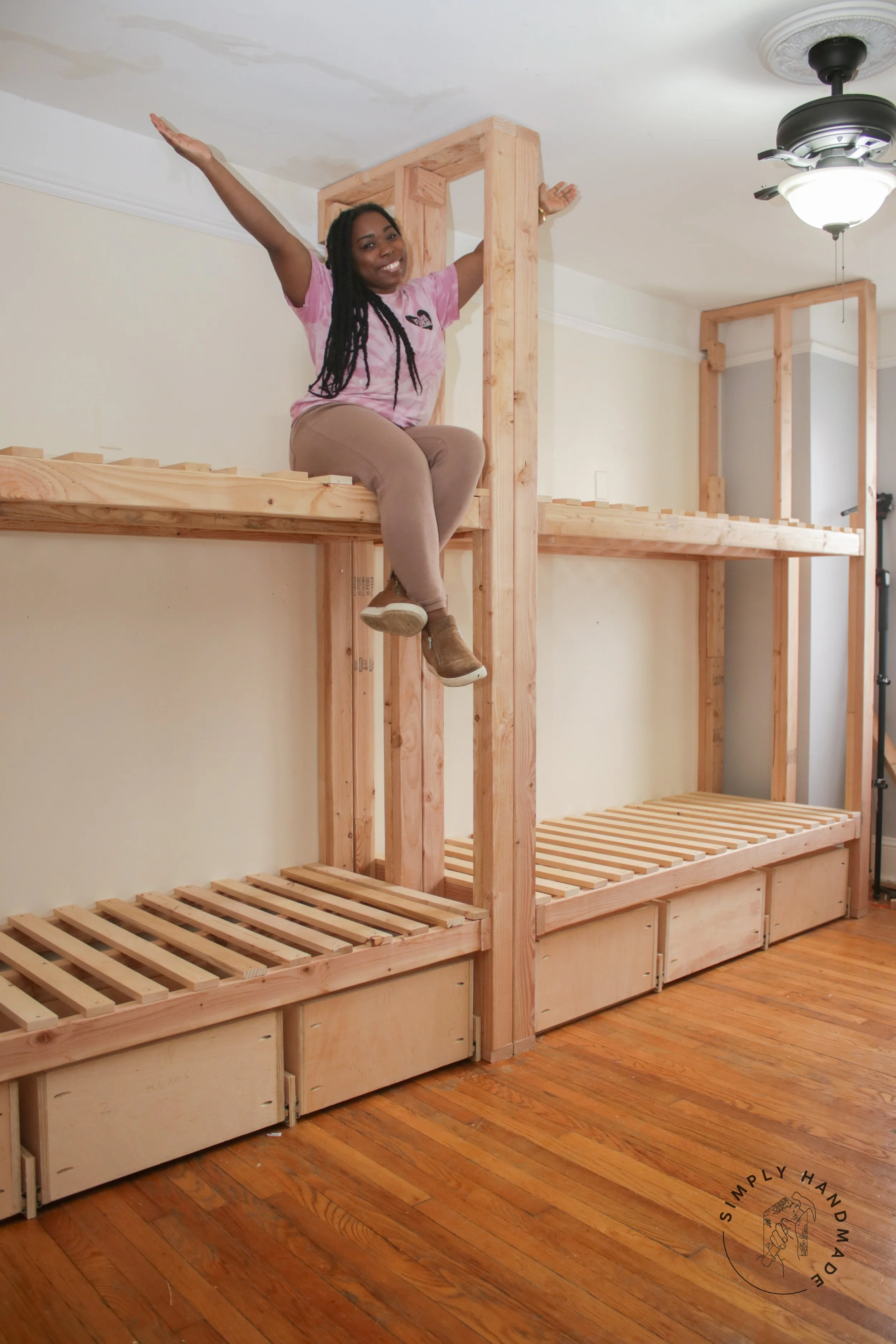
Credit: www.simplyhandmadestudios.com
Assembling The Frame
Assembling the frame is the first big step in building your bunk bed base. This part creates the strong structure that will hold the mattress and sleepers safely. Taking your time and working carefully makes the frame solid and long-lasting.
Start by putting together the parts one by one. Use the right tools and check each piece for damage before assembling. A sturdy frame means a safe and comfortable bunk bed.
Building The Outer Frame
Begin with the outer frame. This is the rectangle that forms the bed’s edge. Use thick wooden boards or metal pieces for strength. Measure and cut all parts to the same length. Join the boards at the corners using screws or bolts. Make sure the frame is square and even by checking the corners with a carpenter’s square. A straight outer frame keeps the bed steady.
Adding Support Beams
Support beams go inside the outer frame. They hold the mattress and stop it from sagging. Space the beams evenly along the length of the frame. Use strong wood or metal for these beams. Secure each beam firmly to the outer frame with screws. Adding support beams improves the bed’s weight capacity and durability.
Securing Joints And Corners
Joints and corners are key points for bed strength. Use corner brackets or metal plates to reinforce these areas. Tighten all screws and bolts to avoid movement. Double-check all joints for tightness during assembly. Well-secured joints prevent wobbling and keep the bunk bed safe for use.
Installing Slats For Mattress Support
Installing slats is a key step in building a bunk bed base. Slats hold the mattress and keep it from sagging. Proper installation ensures good support and safety. This section guides you through spacing, attaching, and reinforcing slats.
Spacing Slats Evenly
Place slats with equal gaps for balanced mattress support. Measure the width of the bed frame first. Divide the space by the number of slats you have. Keep gaps no larger than 3 inches. This stops the mattress from bending between slats.
Use a tape measure or ruler for accuracy. Mark spots lightly with a pencil. Check the spacing twice before fixing the slats.
Attaching Slats Securely
Fix slats firmly to the bed frame to avoid movement. Use screws or nails made for wood. Drill pilot holes to prevent the wood from splitting. Drive screws straight and deep enough for strong hold.
Ensure each slat sits flat against the frame. Tighten all fasteners evenly. Loose slats can cause noise and reduce support.
Reinforcing Slat Strength
Add extra strength by placing a center support beam. This beam runs lengthwise under the middle slats. Attach it tightly to the frame and slats. Use metal brackets or strong screws for support.
For heavy mattresses, double up slats or use thicker wood. Reinforcement keeps the bed stable and increases its lifespan.
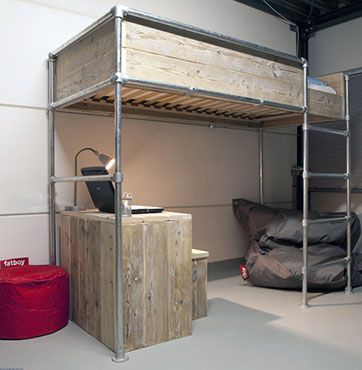
Credit: www.simplifiedbuilding.com
Final Checks And Adjustments
After assembling the bunk bed base, the final checks and adjustments are crucial. These steps ensure the bed is safe and ready to use. Taking time now prevents problems later.
Testing Stability
Check if the bed feels firm and steady. Gently push and shake the frame. It should not wobble or move. Stand on the base and shift your weight. The structure must support you without bending. A stable bunk bed base keeps sleepers safe.
Tightening Loose Connections
Look for any loose screws or bolts. Use a screwdriver or wrench to tighten them. Loose parts cause noise and risk collapse. Double-check every joint and connection point. Tightening these ensures the bed stays strong and secure. Repeat this step until all parts feel solid.
Preparing For Mattress Placement
Clean the base to remove dust and debris. Make sure the slats or platform are evenly spaced. This provides good support for the mattress. Avoid placing the mattress directly on uneven surfaces. Check for any sharp edges or splinters. Cover rough spots with tape or sandpaper. Now the bed is ready for a comfortable mattress.
Frequently Asked Questions
What Materials Are Needed To Build A Bunk Bed Base?
You need sturdy wood, screws, a drill, measuring tape, and brackets. Choose hardwood for strength and durability. These materials ensure a safe and stable bunk bed base.
How Do I Ensure The Bunk Bed Base Is Stable?
Use strong wood and secure all joints tightly with screws. Add support slats evenly spaced. Double-check all connections for safety before use.
What Tools Are Essential For Building A Bunk Bed Base?
A drill, saw, screwdriver, measuring tape, and level are essential. These tools help you cut, assemble, and check accuracy during construction.
How Much Weight Can A Bunk Bed Base Support?
A well-built wooden base typically supports 200-400 pounds. Weight capacity depends on material strength and proper assembly.
Conclusion
Building a bunk bed base is simpler than it seems. Follow clear steps and use the right tools. Measure carefully and choose strong wood for safety. Take your time to make sure everything fits well. A sturdy base supports a good night’s sleep.
Enjoy the satisfaction of making something useful yourself. This project can save money and add charm to any room. Keep safety in mind at every step. Now, you are ready to build a bunk bed base with confidence.